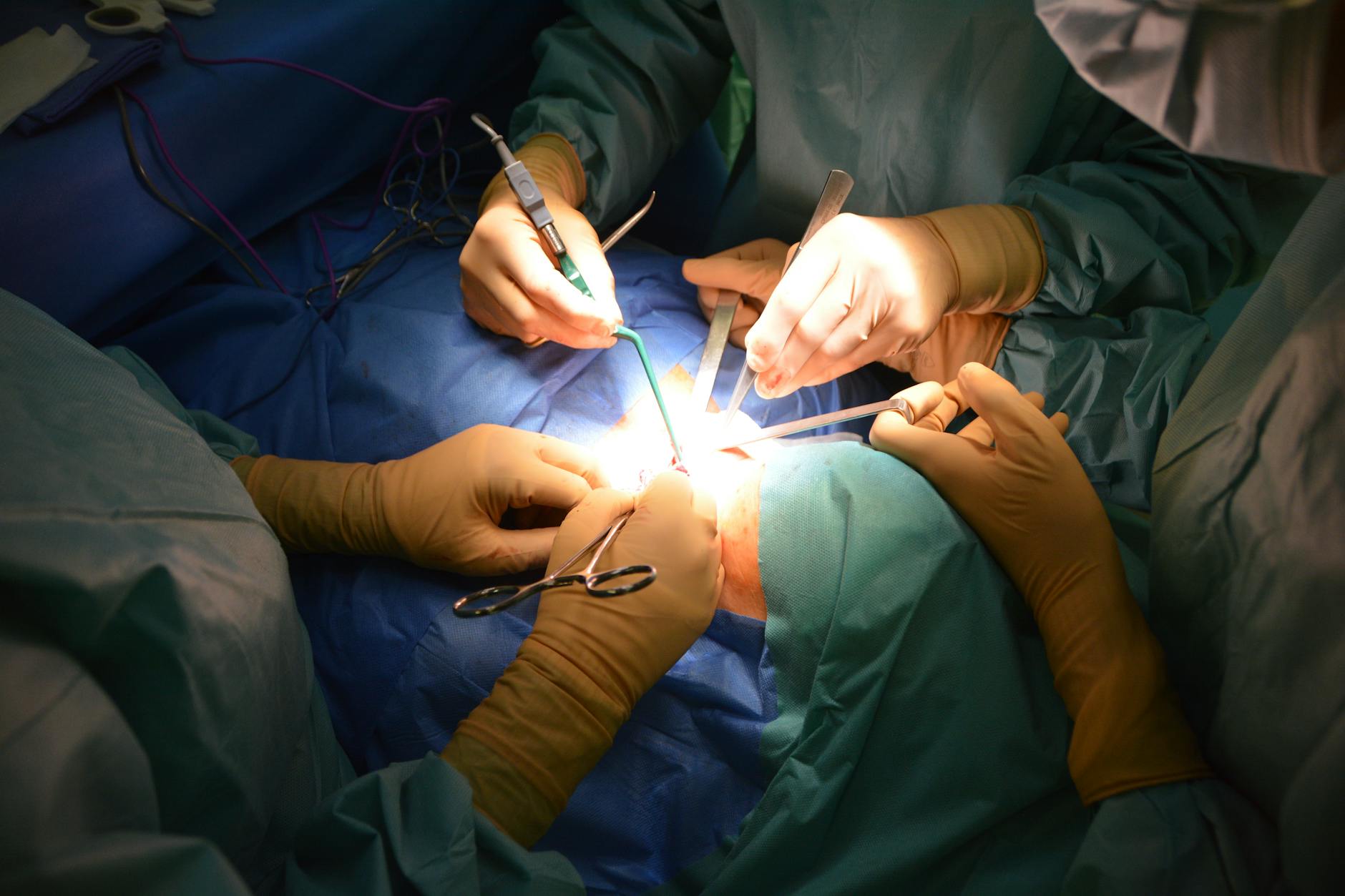
Retinal surgery lawsuits involve claims that surgeons or medical facilities caused vision loss, permanent blindness, or serious eye complications through negligent surgical techniques, use of incorrect materials, or failure to warn patients of known risks. These cases range from allegations of wrong intraocular lens selection during cataract surgery to improper repair procedures for retinal detachment, and they can result in substantial compensation—median settlements for permanent blindness in one eye reach $231,000, while severe cases involving total blindness have exceeded $1 million. A recent April 2026 verdict in Brown County Circuit Court illustrates how contested these cases can be: a plaintiff claimed incorrect intraocular gas was used during a 2021 retinal detachment surgery, causing permanent blindness, but a jury unanimously sided with the defense, which argued the correct gas was used and blindness resulted from a rare post-operative complication.
Retinal surgery lawsuits have become increasingly common as patients and attorneys recognize the severe financial and quality-of-life impact of vision loss. Beyond individual malpractice claims, recent product recalls—particularly Bausch + Lomb’s 2025 recall of enVista intraocular lenses due to Toxic Anterior Segment Syndrome—have expanded litigation to include device manufacturing defects. Additionally, lawsuits related to medications like Elmiron, prescribed for bladder pain but linked to retinal degeneration, add another dimension to retinal surgery liability. Understanding what constitutes a viable retinal surgery lawsuit, the types of injuries covered, and the compensation available is essential for patients who have experienced vision complications after eye procedures.
Table of Contents
- What Types of Retinal Surgery Complications Lead to Lawsuits?
- The Bausch + Lomb Intraocular Lens Recall and Emerging Device Liability
- Elmiron-Related Retinal Damage and Drug Lawsuit Claims
- Compensation Ranges and Settlement Factors in Retinal Vision Loss Cases
- Proving Negligence in Retinal Surgery Cases—The Challenge of Distinguishing Error from Complication
- Product Liability vs. Surgical Malpractice—Two Distinct Paths to Recovery
- The Future of Retinal Surgery Litigation and Emerging Risk Areas
- Conclusion
What Types of Retinal Surgery Complications Lead to Lawsuits?
Retinal surgery lawsuits typically arise from several distinct categories of surgical injury or negligence. The most common involve cataract surgery complications—such as a 74-year-old woman who underwent retinal surgery that resulted in excessive bleeding in the right eye during the procedure, ultimately requiring three separate repair attempts over one month. This case settled for $825,000, reflecting both the immediate surgical failure and the cascade of follow-up interventions needed. Another frequent claim involves incorrect lens selection or implantation; a woman who received an intraocular lens during what should have been a cataract procedure experienced permanent blindness in her right eye, resulting in a $750,000 settlement.
Retinal detachment repair surgeries also generate significant litigation, particularly when claims involve incorrect choice of surgical materials. The April 2026 Brown County verdict centered on allegations that the wrong intraocular gas was used during a detachment repair—gases like sulfur hexafluoride (SF6) and perfluoropropane (C3F8) expand at different rates and require specific positioning to work effectively. The plaintiff in that case argued that using the incorrect gas led to aqueous misdirection and permanent blindness, but the jury found the surgeon had used the correct gas and that the blindness resulted from aqueous misdirection as a rare but recognized complication. This verdict reminds patients that not all post-operative vision loss constitutes malpractice; the standard requires proving the surgeon fell below the standard of care, not simply that a poor outcome occurred.
The Bausch + Lomb Intraocular Lens Recall and Emerging Device Liability
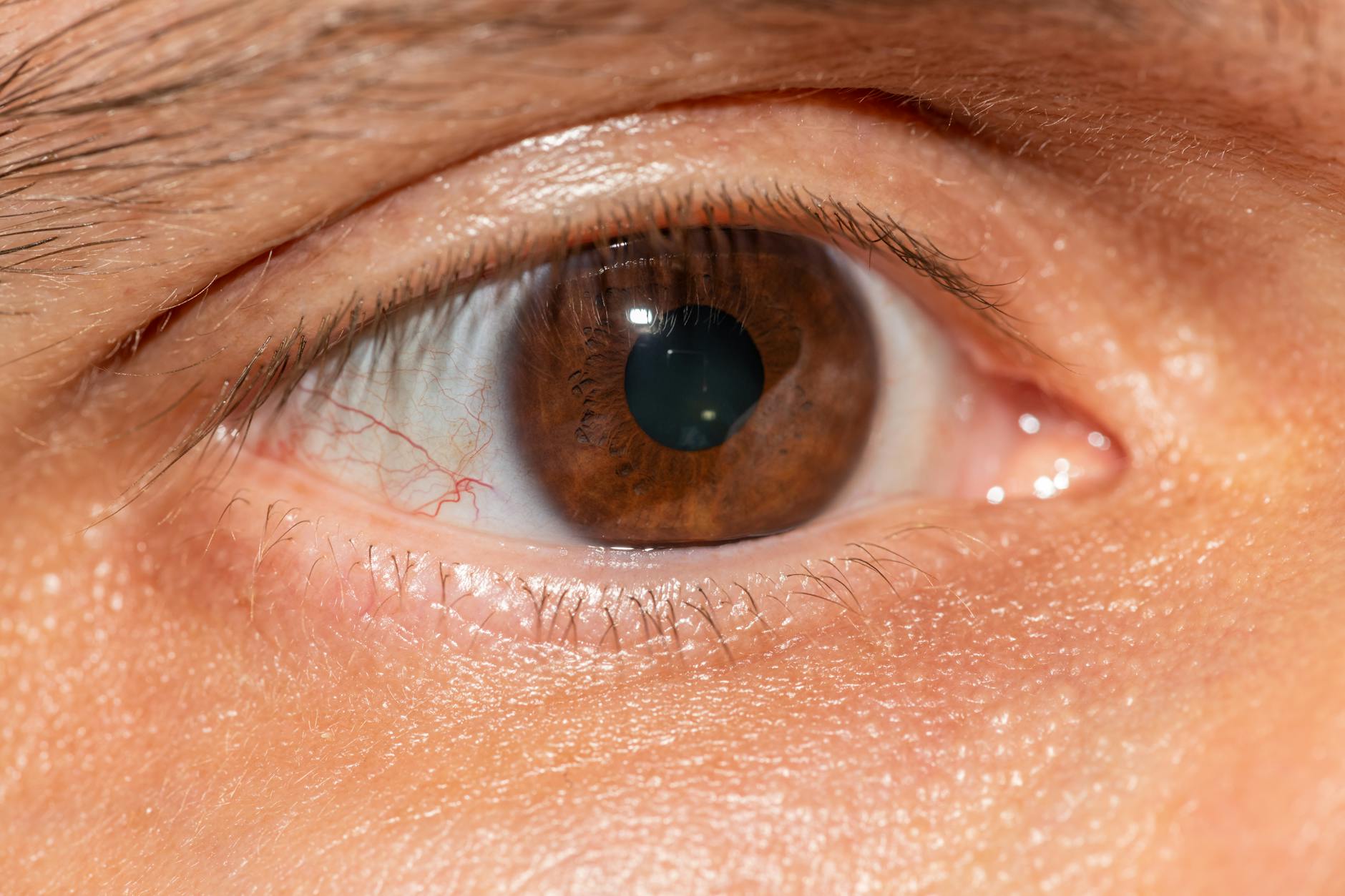
In April 2025, Bausch and Lomb initiated a voluntary recall of its enVista line of intraocular lenses after reports of Toxic Anterior Segment Syndrome (TASS)—a serious inflammatory condition affecting the cornea, iris, and other front-of-eye structures. By May 2025, the FDA elevated the recall to a Class I designation, the most serious classification indicating that the device could cause severe injury or death. TASS causes acute eye pain, corneal swelling, glaucoma, and can result in permanent vision loss even after the inflammation subsides. The affected products included enVista Aspire™, enVista Envy™, and enVista® Monofocal lenses—all widely used in cataract surgeries.
The recall has spawned product liability lawsuits against Bausch + Lomb, with patients alleging they were not adequately warned of TASS risk and that the lenses contained contaminants or manufacturing defects causing the inflammatory response. Unlike traditional medical malpractice claims (which focus on surgeon error), device liability cases hold manufacturers responsible for defective products regardless of how skillfully a surgeon implanted them. Patients who underwent cataract surgery with enVista lenses and subsequently developed TASS, corneal scarring, elevated intraocular pressure, or vision loss may have claims against both their surgeon and the manufacturer. This type of litigation has expanded the universe of retinal/ocular surgery claims beyond surgeon negligence to include corporate accountability for unsafe medical devices.
Elmiron-Related Retinal Damage and Drug Lawsuit Claims
Elmiron (pentosan polysulfate sodium), prescribed to treat interstitial cystitis and bladder pain, has been linked to a degenerative eye disease called maculopathy that damages the retina’s central vision area. Lawsuits against the drug’s manufacturer, Janssen Pharmaceuticals, allege failure to warn patients and healthcare providers of this serious retinal health risk, despite evidence suggesting the connection was known or should have been discovered earlier. As of February 2025, Elmiron litigation remained active, with attorneys predicting settlements structured by the severity of vision loss—ranging from partial vision impairment to permanent blindness.
The Elmiron cases represent a distinct legal pathway compared to surgical malpractice: instead of suing a surgeon, patients sue the pharmaceutical company for inadequate warnings and marketing practices. If a patient took Elmiron long-term and developed retinal damage, they may have a claim even if their eye surgery itself was performed correctly. This illustrates how retinal and vision complications can arise from multiple sources—not just the surgeon’s scalpel, but also medications patients took on their physician’s recommendation. Patients with a history of Elmiron use who later required retinal surgery or experienced vision loss should consult with an attorney to evaluate whether they have both a surgical malpractice claim and a separate pharmaceutical liability claim.
Compensation Ranges and Settlement Factors in Retinal Vision Loss Cases
Compensation in retinal surgery lawsuits varies widely based on the severity and permanence of vision loss. Partial vision loss cases average around $64,000, while cases involving permanent blindness in one eye have a median settlement value of $231,000 according to Maryland litigation data. More severe cases—such as bilateral blindness or loss of all useful vision—regularly exceed $1 million. A verdict for $1.2 million was returned in a medical malpractice case involving vision loss, while a $1.6 million settlement was reached in a LASIK refractive surgery malpractice case where the patient suffered corneal damage and distorted vision.
Several factors determine compensation levels: the patient’s age and life expectancy (younger patients with decades of lost vision receive higher awards), pre-injury quality of life and occupation (a surgeon losing vision faces different damages than a retired person), the permanence of the injury, pain and suffering, and the cost of ongoing medical care or vision rehabilitation. A 74-year-old woman who underwent multiple retinal repair surgeries received $825,000, while a woman with permanent blindness from a cataract procedure settled for $750,000. The difference reflects individual circumstances—the first plaintiff endured multiple surgeries and likely higher medical costs, while the second’s settlement reflected permanent total blindness in one eye. Notably, winning a retinal surgery malpractice case requires clear evidence that the surgeon’s conduct fell below the professional standard of care; juries may award nothing if they find, as in the April 2026 verdict, that the surgery followed appropriate protocol and the bad outcome was an accepted risk.
📨 Get Free Mass Tort Guides Alerts
Free · No spam · Unsubscribe anytime
Proving Negligence in Retinal Surgery Cases—The Challenge of Distinguishing Error from Complication
A critical challenge in retinal surgery litigation is proving that vision loss resulted from surgeon negligence rather than an accepted surgical risk or rare but documented complication. The April 2026 Brown County verdict exemplifies this problem: the plaintiff argued that using the wrong intraocular gas during retinal detachment repair caused blindness, but expert testimony and jury findings supported the defense that the correct gas was used and that the blindness stemmed from aqueous misdirection—a recognized, albeit uncommon, post-operative occurrence. This means that even patients with catastrophic vision loss may not recover compensation if they cannot prove their surgeon deviated from the standard of care.
To succeed in a retinal surgery lawsuit, plaintiffs typically must hire a qualified ophthalmologic surgeon to review the medical records and testify that the defendant surgeon’s technique, material selection, or post-operative management fell below what a reasonably competent surgeon would have done under similar circumstances. This expert review is expensive and time-consuming, and it must be conducted before filing suit. A patient might have a compelling story—”I had perfect vision before surgery and now I’m blind”—but without expert testimony establishing that the surgeon erred, the case will not survive a motion to dismiss or will be lost at trial. Conversely, clear deviations from standard protocol (using a wrong lens power, leaving foreign material in the eye, or operating while intoxicated) are easier to prove and often result in settlement.

Product Liability vs. Surgical Malpractice—Two Distinct Paths to Recovery
Retinal surgery lawsuit claims can proceed along two separate legal theories, and understanding the distinction is critical. Surgical malpractice claims allege that the surgeon’s actions or inactions fell below the professional standard of care—for example, using incorrect surgical technique, failing to diagnose a complication, or operating without proper informed consent. Product liability claims, by contrast, allege that a medical device or drug used during or after surgery was defective, either due to a manufacturing flaw, design defect, or failure to warn. The Bausch + Lomb intraocular lens recall is a pure product liability case: patients did not need to prove their surgeons erred; they needed only to show they received a defective lens and suffered compensable injury.
In some cases, a patient may have both claims. For instance, if a surgeon implanted a defective enVista lens during cataract surgery and also failed to recognize early signs of TASS, the patient could sue the surgeon for malpractice (failure to diagnose/treat) and Bausch + Lomb for manufacturing the defective device. Product liability cases often move faster to settlement because manufacturers face clear liability once a device is recalled, whereas malpractice cases require expert testimony and proof of deviation from standard care. This dual-path framework has become increasingly relevant as medical device recalls expand.
The Future of Retinal Surgery Litigation and Emerging Risk Areas
Retinal surgery litigation is likely to expand in coming years as patients become more aware of both medical malpractice and product liability claims. The Bausch + Lomb recall and ongoing Elmiron drug litigation have elevated public awareness of vision-threatening complications that may not be the surgeon’s fault but rather the responsibility of manufacturers or pharmaceutical companies. Additionally, as cataract surgery becomes more common with aging populations, the absolute number of retinal surgery lawsuits will likely increase, even if the percentage of surgeries resulting in litigation remains stable.
Emerging risk areas include newer intraocular lens technologies (multifocal and extended-depth-of-focus lenses, which carry their own complication profiles), LASIK and other refractive surgeries, and combination procedures where retinal work is performed alongside other eye surgery. Patients considering elective eye surgery should ensure their surgeon discusses realistic complication rates, obtains informed consent addressing specific risks, and clearly documents the procedure and any unexpected findings. If vision loss occurs, patients should seek a second opinion promptly, document all symptoms and timeline, and consult with a medical malpractice attorney within the applicable statute of limitations (typically 2-3 years from discovery of injury in most states, though this varies).
Conclusion
Retinal surgery lawsuits compensate patients for vision loss or blindness caused by surgeon negligence, defective medical devices, or failure to warn of medication risks. Compensation ranges from an average of $64,000 for partial vision loss to over $1 million for permanent blindness or bilateral vision loss, with factors including age, permanence of injury, pre-injury occupation, and cost of ongoing care driving individual settlement values. Recent developments—including the April 2026 Brown County defense verdict, the Bausch + Lomb intraocular lens recall, and ongoing Elmiron litigation—illustrate the evolving landscape of retinal surgery liability, where surgeon negligence, product defects, and pharmaceutical failures can all generate independent claims.
If you have experienced vision loss or complications after retinal surgery, cataract surgery, LASIK, or while taking Elmiron, consult with a medical malpractice or product liability attorney to evaluate your claim. Time is critical due to statutes of limitation, and an early case review can determine whether you have a viable malpractice claim, product liability claim, or both. An experienced attorney can retain the necessary expert witnesses, navigate the complex medical and legal standards, and pursue settlement or trial recovery on your behalf.
You Might Also Like
- Plastic Surgery Malpractice Lawsuit
- Outpatient Surgery Complication Lawsuit
- Laser Surgery Injury Lawsuit