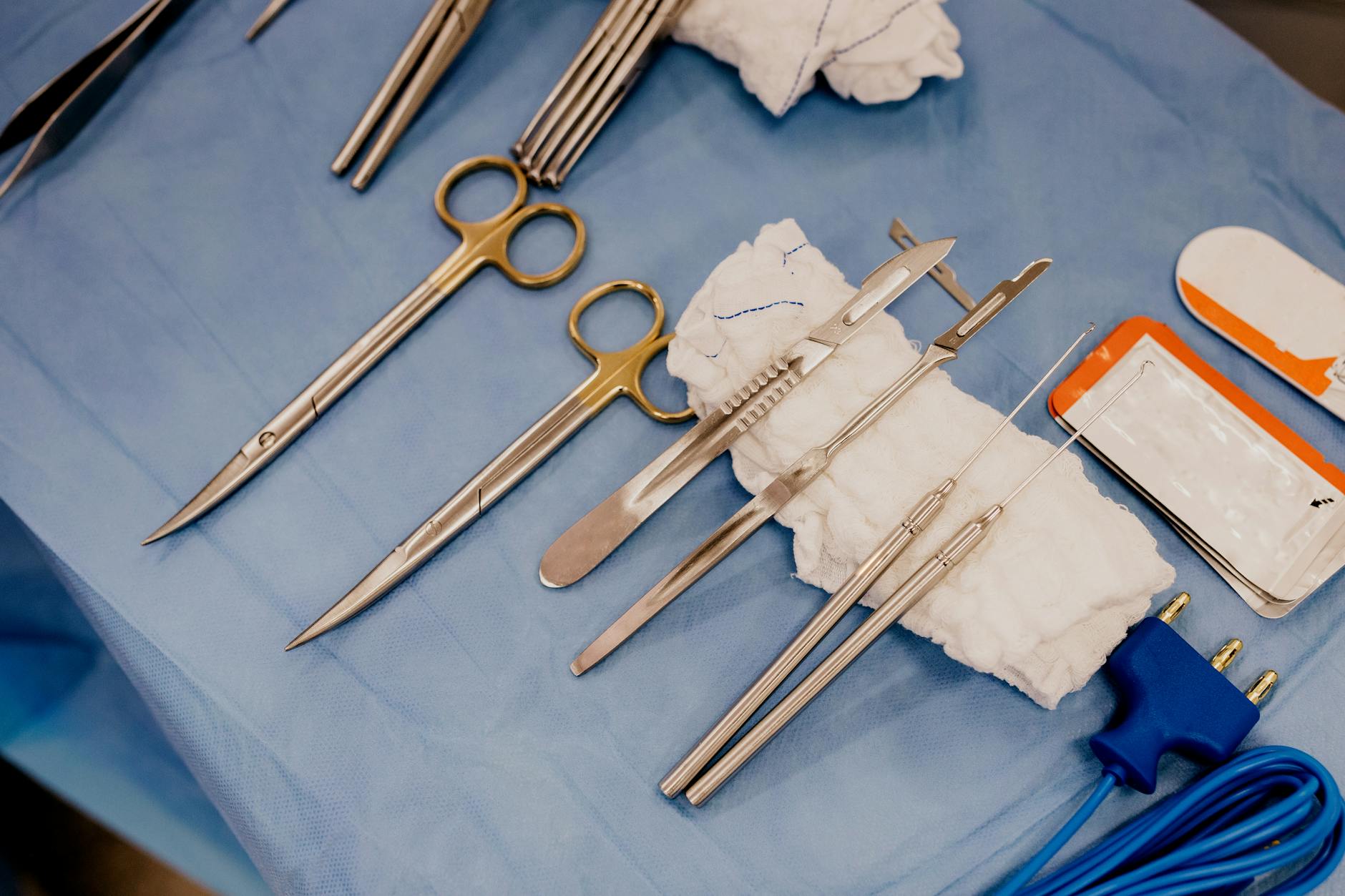
Outpatient surgery complication lawsuits arise when patients suffer preventable harm during or after procedures performed at ambulatory surgery centers, imaging facilities, or hospital outpatient departments. These cases hold healthcare providers accountable for failures in anesthesia management, post-operative monitoring, infection control, and surgical execution—errors that can result in death, permanent disability, or prolonged recovery. A 64-year-old Georgia man’s family received an $18.3 million verdict in 2025 after he died from cardiogenic shock following an elective colon surgery performed without proper cardiac clearance, illustrating how routine procedures can become catastrophic when providers skip essential safety steps. Unlike hospital-based surgical malpractice, outpatient cases present unique litigation challenges because many ambulatory surgery centers operate with minimal regulatory oversight and inconsistent incident reporting requirements. These facilities handle hundreds of thousands of procedures annually—from arthroscopic repairs to cosmetic surgeries to hernia mesh placements—yet approximately 17 U.S.
states impose no mandatory reporting requirements for medical errors or patient deaths occurring at free-standing ASCs. This regulatory gap means many complications go undocumented, making it harder for patients to discover negligence and for legal systems to identify patterns of provider misconduct. The stakes in outpatient complication litigation are substantial. Surgical errors account for over 25% of all medical malpractice claims nationally, with payouts totaling $1.3 billion in recent years. Yet the majority of outpatient complications remain unlitigated because patients lack awareness of their legal rights, struggle to afford expert witnesses, or face aggressive defense strategies from well-funded surgical centers and their insurers.
Table of Contents
- WHAT TYPES OF COMPLICATIONS TRIGGER OUTPATIENT SURGERY LAWSUITS?
- WHY ARE AMBULATORY SURGERY CENTERS DISPROPORTIONATELY INVOLVED IN COMPLICATION LITIGATION?
- NOTABLE OUTPATIENT SURGERY COMPLICATION CASES AND VERDICTS
- COMPENSATION AND DAMAGES IN OUTPATIENT SURGERY CASES
- THE SCOPE OF SURGICAL ERROR IN AMERICAN HEALTHCARE
- DEVICE-RELATED COMPLICATIONS AND ONGOING LITIGATION
- PHYSICIAN MALPRACTICE RISK AND PROVIDER ACCOUNTABILITY
- Conclusion
- Frequently Asked Questions
WHAT TYPES OF COMPLICATIONS TRIGGER OUTPATIENT SURGERY LAWSUITS?
Outpatient surgery complication lawsuits typically involve “never events”—serious, preventable errors that should never happen in a medical setting. Retained foreign objects (sponges, instruments, gauze left inside patients) occur approximately 39 times per week across U.S. hospitals and outpatient facilities. Wrong-site surgeries and wrong-procedure surgeries each happen roughly 20 times weekly.
Beyond these catastrophic errors, lawsuits also address anesthesia complications, infection from unsterilized equipment, inadequate pain management leading to dangerous complications, and failure to recognize and treat post-operative hemorrhage, blood clots, or respiratory distress. One critical distinction: many outpatient complications involve not the surgery itself but the surrounding care. A 2025 Georgia verdict awarded $8.3 million to a woman who became unresponsive in post-operative recovery after her CPAP mask was allegedly removed following narcotic pain medication, despite her known sleep apnea. This case illustrates how lapses in monitoring and communication during recovery—a phase many patients assume is routine and low-risk—can cause severe, permanent injury. Similarly, cosmetic surgery complications have generated significant litigation; in 2025, five patients sued Sono Bello centers alleging wound complications were improperly dismissed after staff reviewed injury photos rather than conducting in-person examinations.
WHY ARE AMBULATORY SURGERY CENTERS DISPROPORTIONATELY INVOLVED IN COMPLICATION LITIGATION?
Ambulatory surgery centers have become the fastest-growing surgical setting in America, now handling over 40% of all outpatient procedures. However, peer-reviewed research reveals a troubling pattern: analysis of 212 free-standing ASC claims compared to 268 hospital operating room claims (spanning 2015–2022) found that free-standing ASCs accounted for 44% of all anesthesia-related malpractice claims despite representing a smaller share of total surgeries. This disproportionate rate suggests either inadequate staffing ratios, insufficient anesthesia monitoring protocols, or both. The regulatory environment explains much of this disparity.
Hospital operating rooms operate under Joint Commission accreditation standards, state health department oversight, and institutional quality committees. Free-standing ASCs face looser requirements in many states, including minimal background verification for anesthesia personnel, less rigorous equipment maintenance schedules, and—as noted earlier—no mandatory incident reporting in 17 states. When a patient dies or suffers major complications at a free-standing ASC in these states, the incident may never be officially documented, allowing problem facilities to continue operating without external scrutiny. This represents a profound limitation on accountability: a surgical center could injure multiple patients over years without triggering regulatory investigation simply because no one outside the facility knows what happened.
NOTABLE OUTPATIENT SURGERY COMPLICATION CASES AND VERDICTS
The $18.3 million Georgia verdict from 2025 exemplifies the financial exposure outpatient surgery centers face when negligence is proven. The case involved a 64-year-old man scheduled for routine colon surgery. Despite documented cardiac risk factors, the surgical facility never required or obtained cardiac clearance before scheduling the procedure. During surgery, the patient suffered cardiogenic shock—acute heart failure—and despite emergency intervention, died. The jury awarded $1.7 million for medical expenses, $12 million for pain and suffering, and $4.6 million for wrongful death. Notably, the verdict breakdown reflects jury assessment that the complication was entirely preventable: cardiac screening is standard protocol precisely to identify patients who require additional preparation or alternative approaches.
The same year brought a second major Georgia verdict: $8.3 million (including $6.5 million in compensatory damages and $1.8 million in attorney fees) for a woman injured during post-operative recovery. The facts highlight negligence occurring in a phase many patients don’t associate with serious risk. After receiving narcotic pain medication, the patient was placed on a CPAP machine to manage her documented sleep apnea. At some point during recovery, the CPAP mask was allegedly removed—whether by staff error, inadequate monitoring, or miscommunication remains unclear from available record. The patient became unresponsive, suffered oxygen deprivation, and sustained permanent neurological injury. This case demonstrates why post-operative monitoring during recovery is not optional busywork but a critical, legally enforceable obligation.

COMPENSATION AND DAMAGES IN OUTPATIENT SURGERY CASES
Outpatient surgery complication cases typically claim both economic and non-economic damages. Economic damages include all quantifiable losses: medical expenses for corrective surgeries, hospitalization, ongoing care, medications, rehabilitation, and lost wages. Non-economic damages address pain, suffering, permanent disability, disfigurement, loss of enjoyment of life, and shortened life expectancy. In death cases, families pursue wrongful death damages, which may include loss of companionship, lost inheritance, and funeral expenses.
National data on surgical malpractice payouts (2025) reveals that the average “never event” settlement or verdict reaches approximately $133,000, but major cases—those involving death or permanent disability—average substantially higher. Indeed, 54% of all surgical indemnity (total amount paid by defendants and insurers) goes to cases involving death or permanent disability. This distribution underscores a key reality: minor surgical complications that resolve fully may generate small settlements, while permanent injury or death routinely results in six-figure to eight-figure awards. A comparison illustrates the point: infection requiring extended antibiotics might settle for $25,000–$50,000, while permanent nerve damage causing chronic pain and functional loss might yield $500,000–$2 million, and death often reaches $1 million or more depending on the decedent’s age, earning capacity, and family circumstances.
THE SCOPE OF SURGICAL ERROR IN AMERICAN HEALTHCARE
Understanding outpatient surgery complication litigation requires context about the sheer frequency of surgical errors. Current data indicates retained foreign objects occur approximately 39 times per week in U.S. healthcare settings; wrong-site surgeries 20 times weekly; and wrong-procedure surgeries 20 times weekly. These are preventable errors—every surgical protocol includes count procedures (to prevent retained objects), marking procedures (to prevent wrong-site surgery), and verification timeouts (to prevent wrong-procedure surgery). When these errors occur, they reflect not rare system failures but conscious or negligent departures from established safety standards.
Surgical errors account for over 25% of all medical malpractice claims nationally, based on analysis of 75,000+ cases. This concentration means courts, juries, and the legal profession have developed substantial expertise in evaluating surgical negligence. For plaintiffs, this means fewer “education battles”—juries generally understand that surgical errors are serious. For defendants, it means less benefit of the doubt; a clear protocol violation typically cannot be excused as judgment call or individual variation. A warning worth noting: while national averages provide context, individual cases turn on specific facts—the presence or absence of informed consent documentation, whether complications were disclosed promptly to patients, and whether the defendant facility had prior similar incidents all influence verdict ranges substantially.

DEVICE-RELATED COMPLICATIONS AND ONGOING LITIGATION
Beyond procedural errors, outpatient surgery complication lawsuits increasingly involve defective or poorly-designed surgical devices. Hernia mesh, a common implant placed during thousands of outpatient repairs annually, has generated massive litigation. As of 2026, approximately 23,749 pending claims exist against CR Bard (maker of Davol mesh); separately, 2,239 active cases are pending in Covidien hernia mesh multidistrict litigations (MDLs). These cases allege mesh design defects, inadequate warnings about infection and erosion risks, and failure to disclose known complications to surgeons and patients.
📨 Get Free Mass Tort Guides Alerts
Free · No spam · Unsubscribe anytime
Many hernia mesh cases arise from outpatient procedures, meaning patients underwent what they believed was routine repair at an ASC, only to suffer years of infection, chronic pain, and subsequent revision surgeries. The hernia mesh litigation illustrates a structural challenge in outpatient complication law: responsibility for device complications is often diffused. Plaintiffs must determine whether negligence lies with the device manufacturer (defective design or warning), the surgeon (improper implantation technique or patient selection), or the surgical facility (using outdated mesh, failing to maintain equipment). Successful claims typically involve all three defendants, but litigation strategy and settlement value shift depending on which party bears primary fault. This complexity means patients harmed by outpatient device-related complications need attorneys experienced in both surgical negligence and product liability—a specialized combination.
PHYSICIAN MALPRACTICE RISK AND PROVIDER ACCOUNTABILITY
A sobering statistic provides context for understanding why outpatient surgery litigation persists: 46.5% of surgical specialists have been sued at least once during their careers. Among specific specialties, obstetrical-gynecologists report the highest litigation risk (59.6% sued at least once), followed by general surgeons (53.1%). Even more striking, surgeons age 55 and older report that 72% have faced at least one malpractice lawsuit. These rates suggest that surgical malpractice is not a rare outlier event but a routine occupational risk within the profession—a fact that should encourage both providers and facilities to invest in prevention systems, not simply treat litigation as an unavoidable cost.
The high frequency of surgeon malpractice claims creates an unusual dynamic in outpatient surgery litigation. Unlike newer specialties where expert witnesses may be scarce, surgical malpractice has generated deep pools of qualified experts willing to testify that standard protocols were violated and that violations caused harm. This availability of expert testimony strengthens plaintiff cases substantially. Forward-looking, the prevalence of surgical malpractice also indicates that systemic issues—staffing ratios, fatigue during extended schedules, equipment quality, training protocols—may be more significant drivers of error than individual surgeon incompetence. Centers that adopt comprehensive safety programs, robust incident reporting, and transparent error analysis have documented reductions in complication rates, suggesting that litigation risk is partly manageable through institutional commitment to safety culture.
Conclusion
Outpatient surgery complication lawsuits address a critical gap in healthcare accountability. While outpatient procedures are generally safe and cost-effective alternatives to hospitalization, the regulatory and supervisory environment at many ambulatory surgery centers remains inadequate to catch and correct systematic failures. Recent high-value verdicts—including the $18.3 million award for a patient who died from preventable cardiac shock and the $8.3 million award for permanent injury during post-operative recovery—demonstrate that juries understand the seriousness of outpatient complications and will award substantial damages when negligence is proven.
If you or a family member suffered a complication during outpatient surgery, documenting your experience carefully is the first step toward determining whether you have a valid lawsuit. Preserve medical records, incident reports, photographs of injuries, and a detailed timeline of events. Consult an attorney experienced in surgical malpractice—not all medical malpractice attorneys have the specialized knowledge needed to evaluate outpatient facility negligence and device-related claims. Many attorneys work on contingency (no upfront fee; attorney is paid only if you win), making legal review accessible even if you face significant medical bills from the complication itself.
Frequently Asked Questions
What’s the difference between a complication and malpractice?
A complication is an unexpected medical event that occurs despite appropriate care. Malpractice is a complication caused by deviation from standard care. A patient who develops an infection after proper wound care and receives appropriate treatment may have a complication; a patient whose wound was never examined post-operatively, leaving infection undiscovered for a week, has grounds for malpractice.
How much time do I have to sue for outpatient surgery complications?
Statutes of limitation vary by state, typically ranging from 2 to 4 years from the date of injury for most surgical negligence. In some states, the clock may not start until the injury is discovered (called the “discovery rule”). You should consult an attorney immediately rather than waiting, as investigation takes time.
Can I sue if I signed an informed consent form?
Informed consent forms generally protect providers only against claims that you weren’t warned about known risks of the procedure itself. Informed consent does not waive your right to sue for negligence, failure to follow safety protocols, or inadequate monitoring during recovery. Always review the form, but do not assume it eliminates your legal rights.
Are ambulatory surgery centers as safe as hospitals?
ASCs and hospital outpatient departments have similar overall safety profiles for routine procedures when properly staffed and equipped. However, the regulatory and oversight environment for free-standing ASCs remains looser in many states, and mandatory incident reporting requirements are absent in approximately 17 states, limiting external accountability.
What if the surgical complication was disclosed to me after the procedure?
Prompt, honest disclosure of complications is often a standard of care and may reduce patient anger and litigation risk. However, disclosure after the fact does not erase negligence that caused the complication. You still have a valid claim if the provider’s failure to follow proper protocols caused the complication. Importantly, how and when complications are disclosed may affect your emotional damages award.
What happens if the surgical facility goes out of business?
Most surgical facilities carry malpractice insurance. Even if the facility closes, the insurance policy should remain in place to cover claims arising from procedures performed while the policy was active. Your attorney will identify the responsible insurance carrier and pursue claims against the policy rather than the defunct business.