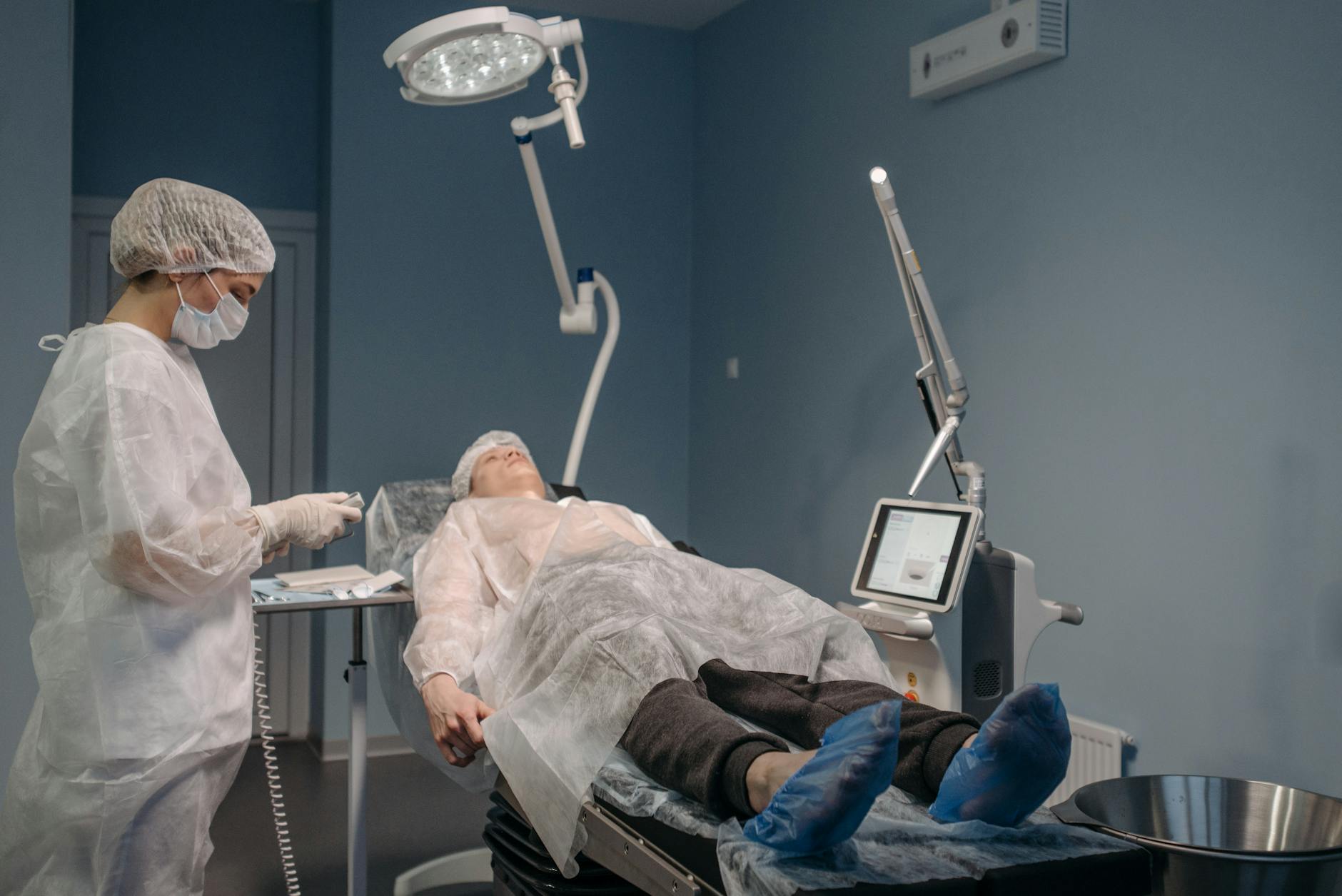
Laser surgery injury lawsuits are legal actions filed by patients who suffered complications or permanent damage from laser procedures performed in medical offices, dermatology clinics, or cosmetic treatment centers. These cases seek compensation for medical complications, vision loss, scarring, pain, and related damages. Unlike cosmetic surgery injuries that may fade over time, laser surgery injuries frequently result in permanent harm—corneal damage, vision impairment, severe burns, or scarring—that requires corrective procedures or lifelong management.
One notable case involved a patient who suffered cornea damage from LASIK surgery and reached a $1.6 million settlement, illustrating the serious consequences and substantial compensation available to injured patients. The landscape of laser surgery litigation has shifted dramatically since 2008, driven by the movement of laser devices from regulated medical environments into unregulated settings like day spas, salons, and unlicensed clinics. This regulatory gap has created a Perfect storm: patients face greater injury risk when procedures are performed by non-physician operators or in facilities with minimal oversight, yet they often have limited recourse when complications occur. Settlements in these cases can range from six figures to millions of dollars, depending on the severity of injury, permanence of damage, and circumstances of the procedure.
Table of Contents
- WHO PERFORMS LASER PROCEDURES AND WHY IT MATTERS
- REGULATORY GAPS AND UNREGULATED LASER SETTINGS
- SETTLEMENT AMOUNTS AND COMPENSATION DATA
- TYPES OF LASER SURGERY INJURIES AND COMPLICATIONS
- THE FTC AND CONSUMER FRAUD IN LASER SURGERY
- WHAT QUALIFIES AS A STRONG LASER SURGERY INJURY CASE
- CURRENT REGULATORY TRENDS AND WHAT’S CHANGING
- Conclusion
WHO PERFORMS LASER PROCEDURES AND WHY IT MATTERS
The operator performing your laser procedure is one of the most critical factors determining your injury risk. A comprehensive study found that 75% of all laser surgery lawsuits cite non-physician operators as a contributing factor, highlighting a systemic risk across the industry. This means three out of four laser injury cases involve a procedure performed by an aesthetician, technician, or other staff member without medical licensing—individuals who may lack the training to recognize complications, adjust settings for different skin types, or manage emergency situations. When laser procedures are performed in traditional medical settings under a surgeon’s or dermatologist’s direct supervision, quality control standards, sterilization protocols, and emergency protocols are typically in place.
The same cannot be said for unlicensed facilities. Patients often don’t realize who is performing their procedure until after complications arise. A procedure marketed as “physician-supervised” might mean a doctor approved the facility, not that a doctor performed your treatment or was physically present during the procedure. This distinction matters enormously when you’re injured and pursuing a claim—evidence of inadequate operator qualifications strengthens your case significantly.

REGULATORY GAPS AND UNREGULATED LASER SETTINGS
One of the most troubling aspects of laser surgery injury cases is the absence of federal oversight for laser devices used outside of traditional surgical centers. The FDA regulates laser devices themselves, but enforcement becomes murky once devices are deployed in unregulated environments like spas, salons, wellness centers, and unlicensed cosmetic clinics. Many states lack specific licensing requirements for individuals performing laser procedures, meaning someone with a weekend certification course could theoretically operate a $50,000 laser on your face. This regulatory gap has real consequences.
Litigation over laser injuries has increased significantly since 2008, precisely as laser technology proliferated beyond medical offices. Unlike traditional surgical malpractice, where clear standards of care exist and regulatory bodies oversee providers, cosmetic laser injuries often occur in gray zones where accountability is unclear. A facility might operate for years performing hundreds of procedures before a seriously injured patient comes forward and requests legal action. By that point, the damage is irreversible, and the facility may have already moved, changed names, or disappeared entirely—complicating the claims process.
SETTLEMENT AMOUNTS AND COMPENSATION DATA
The medical community has been quietly tracking laser surgery complications for decades. The Ophthalmic Mutual Insurance Company (OMIC), which handles malpractice insurance for eye surgeons, compiled two decades of settlement data from 2011 to 2020. During this period alone, 21 refractive surgery and LASIK-related settlements were recorded, totaling $2.9 million in compensation. The average payout per settlement was $138,000, though individual cases varied widely based on the severity of harm.
Real-world settlements illustrate the range. In one case, a patient who received laser skin treatment for acne scarring at a private clinic in 2019 suffered unexpected complications and reached a six-figure settlement after the claim was originally set for trial in January 2025. In another, a UK patient received £2.5 million in damages against a private consultant ophthalmic surgeon for negligence during laser eye surgery. These cases show that settlement amounts correspond directly to injury severity, permanence, and impact on quality of life. A patient who lost vision permanently will recover more than one who experienced temporary discomfort or required a single corrective procedure.

TYPES OF LASER SURGERY INJURIES AND COMPLICATIONS
Laser injuries vary dramatically depending on the type of procedure and the body part treated. LASIK and refractive surgery injuries are among the most documented, as vision loss represents a profound and measurable harm. Patients can develop dry eye syndrome, corneal scarring, vision regression (requiring glasses again after surgery), halos or glare, astigmatism, or complete vision loss. A patient who underwent LASIK with complications severe enough to warrant legal action typically spent months or years undergoing additional corrective procedures before deciding to sue. Beyond vision correction surgery, laser skin treatments carry their own injury risks.
Laser treatments for acne scarring, pigmentation, hair removal, and tattoo removal can cause permanent scarring, pigmentation changes, nerve damage, or burns that extend deeper than the intended treatment area. The variability in injury severity creates a broad spectrum of claims. A minor burn that heals within weeks is unlikely to support a lawsuit, but permanent disfigurement or functional impairment creates a strong case. This is why operator skill matters—a trained physician recognizes skin type, adjusts laser settings accordingly, and stops immediately if complications appear. An untrained operator may not.
📨 Get Free Mass Tort Guides Alerts
Free · No spam · Unsubscribe anytime
THE FTC AND CONSUMER FRAUD IN LASER SURGERY
Beyond medical malpractice, some laser surgery injuries involve outright fraud. The Federal Trade Commission recently took action against a major LASIK surgery chain, requiring it to refund $1.25 million to consumers who were misled about the procedure’s risks, outcomes, or cost. These cases typically involve false advertising, pressure-sale tactics, or misleading before-and-after photos—practices that put vulnerable patients at risk by masking the true complications associated with laser surgery. Fraud cases differ from malpractice cases in important ways.
In a fraud claim, you don’t need to prove a doctor performed surgery negligently; you only need to prove you were deceived into undergoing the procedure. This shifts the legal burden and can make fraud cases easier to win. However, fraud claims typically settle for lower amounts than malpractice cases involving permanent injury, since the harm is reputational or financial rather than physical. If you underwent laser surgery after seeing misleading advertising and then suffered serious complications, you might have both a malpractice claim (against the surgeon) and a fraud claim (against the facility or company), each with different legal remedies.

WHAT QUALIFIES AS A STRONG LASER SURGERY INJURY CASE
Not every disappointing result from laser surgery justifies legal action. Medical procedures, especially elective cosmetic ones, carry inherent risks that patients consent to—the question is whether the injury resulted from failure to meet the standard of care. A strong laser surgery injury case typically includes: permanent injury or harm that requires ongoing treatment, evidence that the procedure was performed by an unqualified operator or in an unregulated setting, documentation showing the injury was unexpected or inconsistent with informed consent, and clear medical causation linking the procedure directly to the injury.
Documentation is crucial. Patients who photograph their injuries immediately, seek treatment from another physician promptly, and keep detailed records of medical expenses and lost income strengthen their cases significantly. Medical records from the facility where the injury occurred should show what consent forms were signed, what specific procedure was performed, by whom, and with what settings. If those records are missing or incomplete—a red flag in itself—your attorney can argue the facility was negligent in recordkeeping, which supports a broader argument about overall negligence.
CURRENT REGULATORY TRENDS AND WHAT’S CHANGING
The laser surgery injury trend shows no signs of slowing. Demand for cosmetic procedures continues to grow, and the barrier to entry for laser facilities remains low in most states. However, some changes are emerging. Dermatology associations and ophthalmology boards have begun advocating for stricter credentialing standards. Some states are considering licensure requirements for individuals performing laser procedures. The FTC has become more aggressive in pursuing false advertising and fraud cases against laser facilities, signaling that regulatory attention is increasing.
For patients, this means awareness and caution are essential. Verify that your provider is a licensed physician or holds credentials specific to laser surgery in your state. Ask directly who will perform the procedure and request to see their qualifications. Research the facility’s history—check state medical board complaints, online reviews, and whether they’ve been involved in any enforcement actions. The rise in litigation over laser injuries reflects real problems in the industry, not frivolous lawsuits. Taking time to verify credentials before a procedure can prevent becoming part of that statistic.
Conclusion
Laser surgery injury lawsuits represent a growing category of medical malpractice litigation, driven by the proliferation of laser devices in unregulated settings and the movement of procedures from physician offices to unlicensed facilities. Settlements in these cases can reach six figures or millions of dollars, depending on injury severity and permanence. The critical risk factors are non-physician operators, unregulated facilities, and weak oversight—all of which are addressable through patient diligence before treatment.
If you suffered a permanent or serious injury from laser surgery, consulting with a medical malpractice attorney is an important next step. Many lawyers work on contingency, meaning you pay nothing unless you recover compensation. Document your injury immediately, gather all medical records related to the procedure, and preserve evidence of the facility’s claims about the procedure’s risks and benefits. The widespread nature of these injuries and the significant settlements already achieved show that injured patients have real legal recourse—but the window to pursue a claim has legal time limits, so acting quickly is essential.