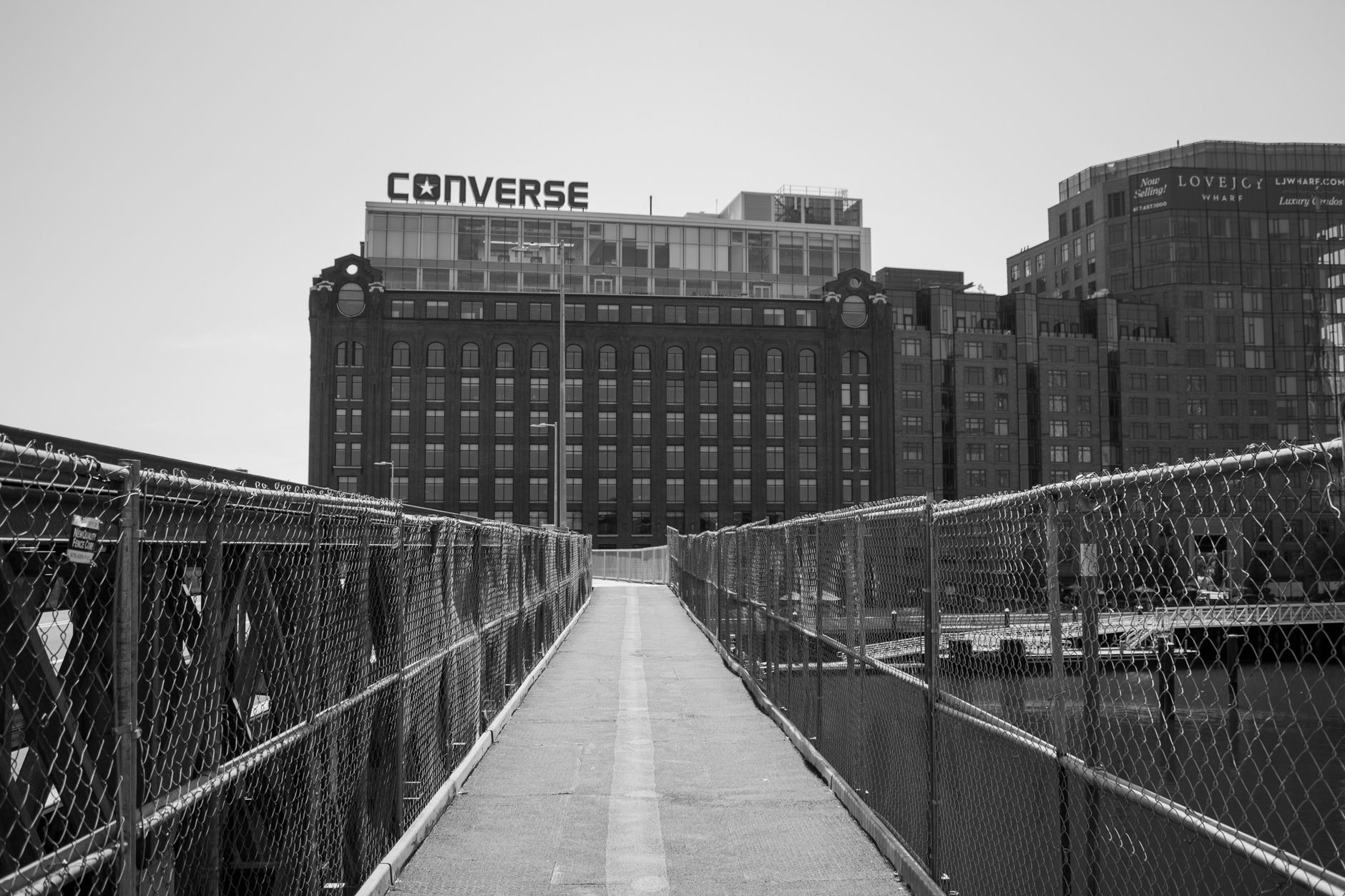
In July 2026, Massachusetts took significant legal action against MassDOT and private contractors over asbestos exposure during a bridge project near Boston. The state Attorney General filed a lawsuit alleging that these parties violated environmental regulations by exposing workers and nearby residents to asbestos without proper safeguards. This case highlights how aging infrastructure projects can become vectors for occupational and public health hazards when contractors fail to follow established environmental protections.
The lawsuit centers on allegations that MassDOT and its private contractors disregarded environmental rules governing asbestos handling during bridge construction or renovation work. Asbestos remains one of the most serious workplace and environmental hazards in construction, linked to mesothelioma, lung cancer, and other fatal diseases that can take decades to develop. The fact that a state transportation agency and its contractors face such charges underscores how asbestos violations can occur even in highly visible, government-supervised projects.
Table of Contents
- What Is the Boston Bridge Project Asbestos Exposure Case?
- Environmental Law Violations and What They Mean
- Who Was Exposed and What Are the Health Risks?
- What Legal Remedies and Settlements Are Available?
- Why Asbestos Litigation Is Uniquely Challenging
- Related Asbestos Enforcement Actions in Massachusetts
- What Exposed Workers Should Do Now
What Is the Boston Bridge Project Asbestos Exposure Case?
The lawsuit filed by Massachusetts’s Attorney General alleges that MassDOT and contractors ignored environmental laws during a bridge project near Boston, resulting in asbestos exposure for both workers on the job and residents living or working near the construction site. Environmental regulations require contractors to identify, properly handle, and safely remove asbestos-containing materials before demolition or renovation work begins. The state’s allegations suggest these protocols were not followed.
Asbestos was widely used in construction materials throughout the 20th century—insulation, cement, roofing, brake pads, and pipe wrapping all commonly contained asbestos fibers. When these materials are disturbed during construction or demolition, asbestos particles become airborne and can be inhaled, causing latency-period diseases that may not appear for 20 to 50 years after exposure. The presence of asbestos in older infrastructure like Boston’s bridges is common, making proper containment and removal critical.
Environmental Law Violations and What They Mean
The Massachusetts Attorney General’s allegations focus on violations of environmental regulations—specifically rules designed to protect both workers and the public from asbestos exposure. These regulations require licensed asbestos professionals to conduct assessments before construction begins, proper notification to relevant agencies, worker training and protective equipment, and compliance with containment and removal standards. When contractors bypass these requirements to cut costs or save time, they put people at serious risk.
The consequences of environmental violations are substantial. Beyond criminal penalties and civil fines, agencies can require contractors to pay for medical monitoring of exposed individuals and fund public health initiatives. settlement agreements often include caps on liability that limit what affected parties can recover—a critical limitation for workers who develop asbestos-related diseases years later, sometimes after a contractor has gone out of business or claimed bankruptcy.
Who Was Exposed and What Are the Health Risks?
Workers directly involved in the bridge project faced the most immediate risk of asbestos inhalation. Construction workers, demolition specialists, and laborers who handled contaminated materials without proper protective equipment can develop significant fibrosis and other lung damage. However, the lawsuit also identifies nearby residents as affected parties, meaning asbestos dust likely spread beyond the work zone. Secondary exposure—when family members bring asbestos fibers home on clothing and work gear—represents another exposure pathway.
Mesothelioma and other asbestos diseases don’t develop overnight. Someone exposed in 2026 during this bridge project might not receive a diagnosis until 2045 or beyond. This latency period complicates litigation because workers must prove they were exposed at a specific location, often years ago, with limited medical records. The challenge is particularly acute for laborers who worked multiple construction sites throughout their careers—pinpointing which exposure caused their disease becomes legally difficult, even though the defendant’s negligence contributed to their harm.
What Legal Remedies and Settlements Are Available?
The Massachusetts Attorney General’s lawsuit represents one avenue for accountability: criminal and civil penalties against the responsible parties. However, that process is separate from individual workers’ ability to file personal injury claims. Workers exposed during the bridge project may pursue claims through workers’ compensation (if they were employees and remained in-state), file personal injury lawsuits against contractors, or claim against asbestos trust funds established by bankrupt manufacturers or contractors.
📨 Get Free Mass Tort Guides Alerts
Free · No spam · Unsubscribe anytime
Settlement negotiations in asbestos cases often involve complex calculations around the number of exposed workers, the probability of disease development, and the responsible defendants’ ability to pay. Consent judgments—negotiated settlements approved by courts—can establish payment amounts, medical monitoring programs, or liability caps. The state has already secured settlements in related asbestos cases, with amounts ranging in the hundreds of thousands of dollars, but individual recoveries depend on case-specific factors like disease stage, age, and exposure duration.
Why Asbestos Litigation Is Uniquely Challenging
Asbestos cases present obstacles rarely seen in other injury litigation. First, the disease latency means years pass before symptoms appear and diagnosis occurs. By then, key witnesses may have moved away, retired, or passed away, and records deteriorate. Second, causation is difficult to prove.
A mesothelioma patient exposed to asbestos from multiple jobs cannot always prove which exposure caused their disease, even though each exposure contributed to their cumulative risk. Third, many contractors and asbestos suppliers have filed for bankruptcy, leaving victims to pursue claims against trust funds with limited payouts. Another limitation: workers’ compensation insurance may cover some occupational exposure but often excludes diseases that develop after employment ends. This means workers who left a job years ago and later developed mesothelioma must pursue civil claims rather than relying on workers’ comp, which offers faster payouts but lower benefits. Additionally, statutes of repose (laws limiting how long after exposure a claim can be filed) vary by state, which can bar viable cases if too much time passes between exposure and diagnosis.
Related Asbestos Enforcement Actions in Massachusetts
Massachusetts has taken multiple enforcement actions against asbestos violators. The state’s Attorney General has secured consent judgments and settlements from various companies for asbestos regulation breaches, with settlements reaching up to $220,000 in certain cases. These precedents show that the state is actively pursuing entities that expose workers and residents to asbestos, establishing a pattern of enforcement that suggests the Boston bridge case is part of a broader effort to hold contractors accountable.
Government agencies across Massachusetts have also increased inspections and enforcement at construction sites, particularly during renovation and demolition projects where asbestos disturbance is most likely. This regulatory scrutiny has led to higher compliance costs for contractors but also better protection for workers. The upside: increased enforcement deters shortcuts. The downside: legitimate contractors pass compliance costs to clients, and some smaller firms struggle with the technical and financial burden of proper asbestos management.
What Exposed Workers Should Do Now
Workers who believe they were exposed to asbestos during the Boston bridge project should document their employment history, save pay stubs and work records, and seek baseline medical screening. Chest X-rays and other imaging can detect asbestos-related changes before disease symptoms appear, creating a medical record valuable for future claims. Many healthcare providers now offer asbestos exposure screening, especially for former construction workers.
Consulting with an asbestos or personal injury attorney early is important because statutes of limitations—deadlines for filing suits—vary. Some states allow claims within a few years of diagnosis, while others extend the window if the worker didn’t know asbestos caused their illness. An attorney can review employment records, identify the responsible parties still solvent, and explain whether a claim should proceed through civil litigation, workers’ compensation, or asbestos trust fund procedures. Even workers not currently ill should act now to preserve evidence and establish their exposure history while memories are fresh and records accessible.
- —
You Might Also Like
- Pilgrim Nuclear Contractors Penalized for Dangerous Asbestos Exposure Incident
- Fort Regent Asbestos Removal Initiative Unveiled for Major Renovation Project
- Asbestos Health Crisis: Regional Disparities in Mesothelioma Diagnosis and Treatment Access