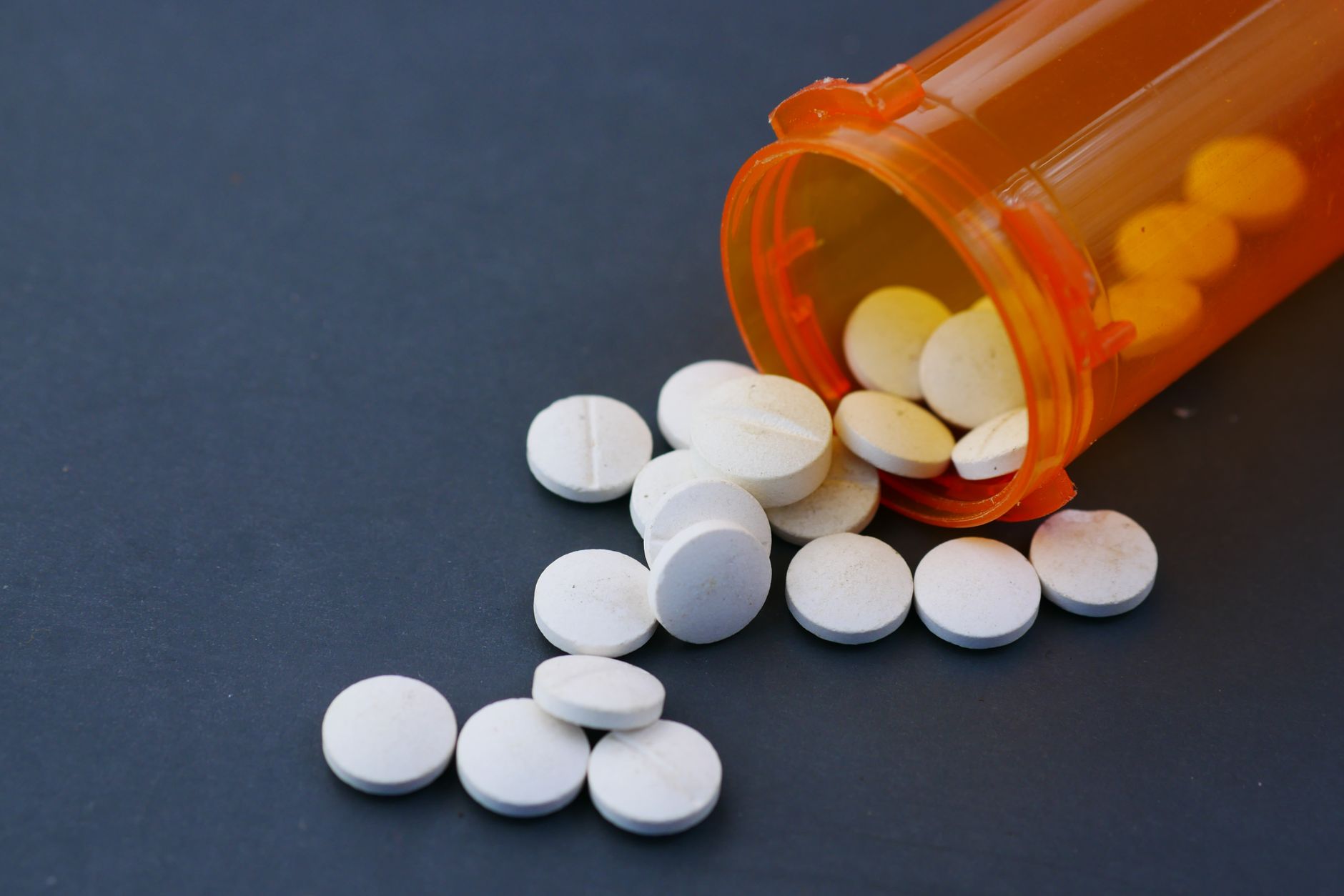
Kentucky residents can now review exactly how their state is spending opioid settlement funds through a new public dashboard launched by Attorney General Russell Coleman’s office in July 2026. The website, created in partnership with the University of Kentucky’s RADAR program, provides detailed tracking of spending from local governments and state grant funding—making decades of litigation proceeds visible to taxpayers for the first time. Russell County residents, for example, can see that their county has more than $662,000 in unspent opioid settlement funds available in the new state dashboard, raising immediate questions about whether these resources are reaching communities hardest hit by the addiction crisis.
The timing of this transparency tool is critical. A June 2026 report by the Kentucky Center for Economic Policy revealed a startling fact: 90% of opioid settlement dollars distributed to Kentucky cities and counties remain unspent as of the end of the 2025 fiscal year, with roughly half of all local governments having spent zero dollars on opioid prevention, treatment, and recovery efforts. The new dashboard allows taxpayers to hold their local and state leaders accountable for how—or whether—these settlement funds are actually being deployed to address a public health emergency.
Table of Contents
- What Exactly Is Publicly Available on the Kentucky Opioid Settlement Dashboard?
- The Data Behind the Dashboard: A Study of 17,000 Pages Reveals Systemic Inaction
- Why Are Local Governments Hoarding Opioid Settlement Funds?
- How Kentucky’s Total Settlement Awards Fit Into the Bigger Picture
- What the Dashboard Cannot Tell You—And Why That Still Matters
- Russell County and the Statewide Pattern of Unspent Funds
- Accessing the Dashboard and Beginning the Accountability Process
- Frequently Asked Questions
What Exactly Is Publicly Available on the Kentucky Opioid Settlement Dashboard?
The new dashboard operated by Attorney General Russell Coleman’s office provides residents with a searchable, transparent accounting of opioid settlement fund allocation and spending across Kentucky’s counties and municipalities. Users can track where money has been awarded, how much has been spent to date, and what specific prevention and treatment initiatives are receiving funding. The partnership with the University of Kentucky’s RADAR program ensures that the data is professionally maintained and regularly updated, moving beyond simple press releases to offer real-time visibility into settlement spending.
For a Russell County resident, this means being able to log in and see not just that $662,000 remains in that county’s allocation, but potentially viewing which local entities hold the funds, what programs they’re designated for, and timeline information about when spending is planned. This level of detail matters because settlement funds in the 1990s tobacco litigation often languished in government accounts for years while intended beneficiaries—smoking cessation programs, treatment centers, public health initiatives—waited for resources. The Kentucky dashboard aims to prevent that scenario from repeating with opioid settlement money.
The Data Behind the Dashboard: A Study of 17,000 Pages Reveals Systemic Inaction
The kentucky Center for Economic Policy didn’t simply trust government claims about spending—they filed open records requests and analyzed 17,000 pages of official reporting data to understand settlement fund usage across the entire state. Their June 2026 findings were sobering: less than 10% of opioid settlement dollars distributed to Kentucky cities and counties had been deployed by the end of fiscal year 2025, while 90% sat unallocated or unspent. Statewide, roughly 50% of all local governments had spent absolutely nothing. This inaction represents a critical failure of accountability.
The opioid crisis in Kentucky has been measured in overdose deaths, shattered families, and devastated communities—yet the tools to address it sit locked in municipal accounts. The dashboard exists partly because independent research organizations had to investigate what should have been obvious public information. A limitation worth noting: even with the new dashboard, local accountability depends on whether residents actually engage with the data and pressure their representatives to justify the inaction. Transparency alone does not guarantee spending; it only makes avoidance harder.
Why Are Local Governments Hoarding Opioid Settlement Funds?
The reasons for the 90% unspent rate vary by locality, and they matter for understanding what the dashboard reveals. Some counties and cities may be deliberately holding funds to build larger initiatives rather than deploying them piecemeal. Others may lack the infrastructure or expertise to effectively administer treatment programs. Still others may be caught in bureaucratic delays around grant requirements or vendor selection.
Russell County’s $662,000 in unspent funds could reflect any of these scenarios—and without public conversation, residents have no way to know which. Political will also plays a role. Not all elected officials face community pressure to spend opioid settlement money quickly, especially in areas where the crisis feels geographically distant or where addiction is still stigmatized. The dashboard helps expose these dynamics by making spending patterns visible across the entire state, inviting comparisons between neighboring counties. A county that has mobilized 50% of its settlement funds while a neighboring county has spent zero dollars suddenly becomes a question worth asking at a public meeting.
How Kentucky’s Total Settlement Awards Fit Into the Bigger Picture
Since 2023, Kentucky’s state government has awarded 300 grants totaling more than $86 million from opioid settlement proceeds, funding prevention, treatment, and recovery efforts. However, this state-level spending doesn’t solve the local funding problem tracked in the dashboard. Kentucky is expected to receive nearly $1 billion in total from all national opioid settlement agreements—both from individual manufacturer lawsuits and from multi-state settlements reached with major pharmaceutical companies, distributors, and pharmacies.
The gap between the $86 million already deployed and the $1 billion expected underscores both the scale of resources available and the urgency of understanding why local governments are slow to spend. If state agencies have managed to obligate $86 million while local governments remain at 10% spending, the question becomes whether the problem is local capacity, local prioritization, or simply the reality that settlement money is flowing more recently than public awareness suggests. The dashboard, combined with ongoing reporting, should reveal which dynamic is actually at play.
What the Dashboard Cannot Tell You—And Why That Still Matters
The new public dashboard is a major transparency win, but it has inherent limitations. It shows where money is allocated and spent, but it doesn’t measure outcomes—whether treatment programs funded by settlement money are actually reducing overdose deaths, whether recovery support services are reaching those who need them, or whether prevention campaigns are changing behavior. A dashboard can show that Russell County deployed $100,000 toward a county health department treatment initiative, but not whether that initiative is effective or culturally appropriate for the communities it serves. Additionally, dashboard transparency only works if the public actually uses it.
Residents have to know it exists, have to navigate it, and have to translate data points into meaningful questions for their county commissioners or city councils. The dashboard is a tool for accountability, not accountability itself. A warning: if local officials begin spending settlement funds simply to hit spending targets rather than to address actual community needs, the dashboard might show high utilization rates while the opioid crisis continues unabated. The real measure of success will be whether spending correlates with measurable improvements in Kentucky’s addiction treatment and prevention landscape.
📨 Get Free Mass Tort Guides Alerts
Free · No spam · Unsubscribe anytime
Russell County and the Statewide Pattern of Unspent Funds
Russell County’s $662,000 in unspent opioid settlement funds represents a microcosm of the broader Kentucky pattern documented in the Kentucky Center for Economic Policy’s research. For a county of roughly 17,000 people, $662,000 could fund meaningful addiction services—residential treatment beds, medication-assisted treatment programs, peer recovery support, naloxone distribution networks. Yet that money remains uncommitted years into the settlement process.
Whether this reflects deliberate planning, bureaucratic bottleneck, or deprioritization of addiction treatment is precisely the kind of question the dashboard is meant to surface. Tracking individual counties like Russell also allows for peer pressure and policy learning. If a similar-sized neighboring county has successfully deployed 40% of its allocation while Russell County sits at near-zero spending, county leadership faces an implicit challenge: what is different about our approach? The dashboard becomes a tool for demonstrating that other communities have found ways forward, making inaction harder to justify.
Accessing the Dashboard and Beginning the Accountability Process
The Kentucky Attorney General’s office provides access to the opioid settlement dashboard through its website, with data partnered and maintained through the University of Kentucky’s RADAR program. Residents can search by county or municipality, view allocation amounts, track spending to date, and in some cases see what specific programs or initiatives are being funded. For Russell County residents wanting to know how that $662,000 should be deployed, the first step is accessing the dashboard, identifying which local entities hold the funds, and then contacting those officials directly with questions about spending timelines and program priorities.
The real power of the dashboard emerges when individual residents and advocacy organizations use it to frame public conversation. The fact that 90% of local opioid settlement funds remain unspent isn’t just a statistic—it’s evidence that treatment and prevention work that could happen is instead being delayed. A parent whose child is waiting for an addiction treatment bed, a public health official frustrated by lack of resources, or a community leader watching overdose deaths continue can now point to the dashboard and ask: why are these funds not being deployed? That question, repeated across multiple counties and multiple public meetings, is the intended outcome of Kentucky’s new transparency tool.
Frequently Asked Questions
How do I access the Kentucky opioid settlement dashboard?
The dashboard is operated by the Kentucky Attorney General’s office in partnership with the University of Kentucky’s RADAR program. Residents can access it through the Attorney General’s website and search by county or municipality to view allocation amounts and spending status.
What information does the dashboard show?
The dashboard provides details on how much opioid settlement money has been distributed to each local government, how much has been spent to date, and in some cases what specific programs or initiatives are receiving funding.
Why do 90% of local funds remain unspent?
Reasons vary by locality and may include bureaucratic delays, lack of local expertise to administer programs, deliberate decisions to build larger initiatives, or simply a lack of political will to prioritize addiction services. The dashboard doesn’t explain why—only that spending hasn’t occurred.
Can the dashboard show whether opioid programs are actually working?
No. The dashboard tracks allocation and spending, but it doesn’t measure outcomes like overdose reduction or treatment effectiveness. It shows where money goes, not whether it’s achieving public health impact.
What should I do if my county has unspent opioid settlement funds?
Contact your county commissioners, city council members, or county health department and ask specifically what the timeline is for deploying those funds, what programs they’ll support, and how residents can provide input on priorities.
How much total settlement money is Kentucky expected to receive?
Kentucky is expected to receive nearly $1 billion from all national opioid settlement agreements, though the timeline and conditions for receipt vary depending on the specific settlement.
You Might Also Like
- Kentucky Launches Digital Platform Monitoring Opioid Settlement Spending Distribution
- Opioid Crisis Settlement Allocates Resources for Substance Abuse Treatment in Rural Kentucky
- Purdue Pharma Faces Dissolution Following Five Billion Dollar Opioid Settlement Judgment