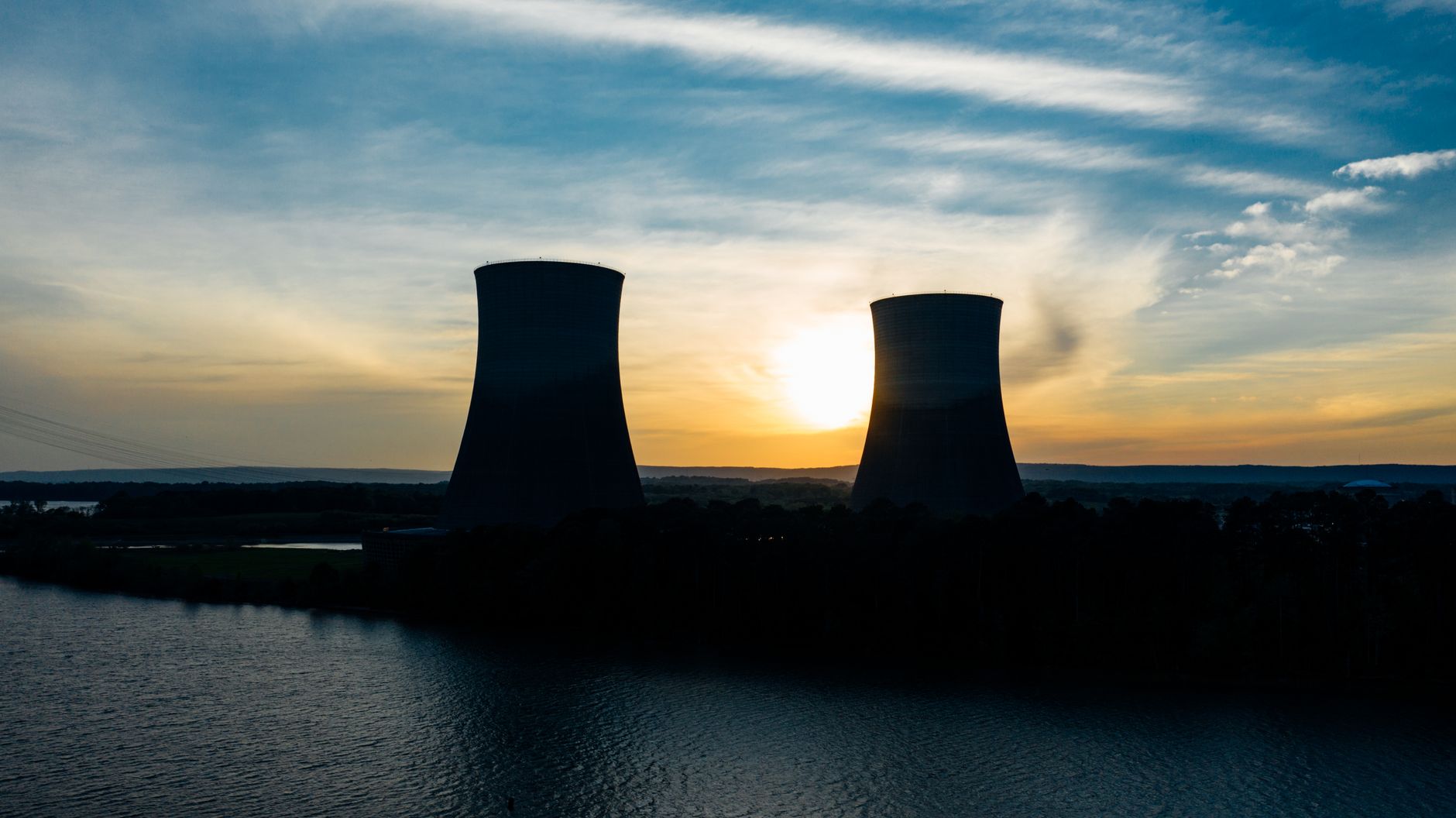
Contractors at nuclear power facilities have faced significant penalties for failing to protect workers from asbestos exposure, a well-documented hazard in older nuclear plant maintenance and construction work. These enforcement actions underscore the serious consequences when employers and contractors prioritize cost-cutting over worker safety protections, particularly in high-risk industrial environments like nuclear power plants where asbestos was routinely used in insulation, gaskets, and thermal protection systems.
The pattern of penalties against nuclear contractors reflects a broader accountability gap in how the nuclear industry manages hazardous material exposure for its workforce. Asbestos exposure in nuclear facilities typically occurs during routine maintenance, repair work, encapsulation, or decommissioning activities where workers encounter friable and non-friable asbestos materials without adequate protective equipment, containment procedures, or medical monitoring. When regulatory agencies investigate and substantiate violations, the resulting penalties serve as both financial deterrents and public records that workers, unions, and their legal representatives can reference in pursuing compensation claims and establishing the employer’s knowledge of hazards.
Table of Contents
- What Constitutes Dangerous Asbestos Exposure at Nuclear Facilities?
- Why Nuclear Contractor Penalties Matter for Worker Claims
- Specific Hazards in Nuclear Plant Maintenance and Decommissioning
- Understanding Contractor Liability vs. Nuclear Plant Operator Responsibility
- Medical Monitoring and Latency Complications
- Documentation and Evidence Preservation
- Long-Term Accountability and Recurring Violations
- Frequently Asked Questions
What Constitutes Dangerous Asbestos Exposure at Nuclear Facilities?
asbestos exposure at nuclear power plants occurs primarily through inhalation of microscopic fibers that become airborne during disturbance of asbestos-containing materials. Workers performing insulation removal, pipe repair, equipment replacement, or facility decommissioning face the highest exposure risk, particularly when work procedures fail to include negative air pressure containment, HEPA filtration, or worker decontamination protocols.
Unlike office environments, nuclear facilities present compounded risks because the industrial setting combines high-temperature insulation systems, aged infrastructure, and the physical demands of technical work that can amplify fiber release. The latency period between exposure and asbestos-related illness—typically 10 to 50 years—means that workers exposed decades ago may only develop mesothelioma, lung cancer, or asbestosis in retirement or later employment phases. this delay creates a documentation challenge, which is why regulatory citations and penalty records become critical evidence in establishing when and how exposure occurred and who was responsible for failing to prevent it.
Why Nuclear Contractor Penalties Matter for Worker Claims
Regulatory penalties against contractors demonstrate that government agencies identified specific failures in safety practices—knowledge that strengthens workers’ legal positions when pursuing claims. An Occupational Safety and Health Administration (OSHA) citation or Environmental Protection Agency (EPA) enforcement action establishes a record that the hazard was recognized, the risk was measurable, and the employer either knew or should have known about it. This element of negligence is often essential to workers’ ability to recover damages in personal injury or wrongful death litigation.
However, penalties alone do not automatically compensate exposed workers. A fine paid to the government does not flow to victims or their families; affected workers must pursue separate claims through workers’ compensation systems, personal injury lawsuits against employers and contractors, or class action settlements. In many cases, contractors and nuclear facility operators have attempted to limit their liability by arguing that workers assumed the risk or failed to follow safety procedures—claims that become weaker when regulatory records document systemic failures or inadequate training.
Specific Hazards in Nuclear Plant Maintenance and Decommissioning
Workers in nuclear facilities encounter asbestos in multiple forms during their career. Thermal insulation around reactor coolant loops, steam lines, and turbine systems often contains chrysotile asbestos mixed with mineral fibers. Gaskets, seals, and packing materials in pumps and valve assemblies frequently contain asbestos. Fireproofing materials applied to structural steel, especially in older plants constructed in the 1960s and 1970s, often contain amosite or crocidolite asbestos—the most friable and dangerous forms.
Contractors performing preventive maintenance or responding to equipment failures may work with these materials without realizing they contain asbestos or without receiving asbestos-specific safety training. The complexity increases during plant decommissioning, where contractors must remove and dispose of contaminated materials in compliance with both OSHA asbestos standards and EPA regulations. A single job—such as removing insulation from a 200-foot steam pipe—can expose multiple workers over weeks or months. If the contractor failed to notify workers of asbestos presence, failed to provide respiratory protection, or failed to implement engineering controls like negative pressure work zones, each day of exposure becomes a distinct negligence incident.
Understanding Contractor Liability vs. Nuclear Plant Operator Responsibility
Nuclear power plants operate under the direct responsibility of the facility’s parent company or utility; however, much of the hands-on maintenance and construction work is contracted to specialized firms. This division of responsibility creates a liability question: is the nuclear operator liable for contractor employees’ exposure, or is the contractor solely responsible? In practice, both parties typically share liability because the facility operator retains oversight authority and benefit from the work performed, while the contractor controls the daily work practices and must comply with safety standards.
Regulatory penalties often fall on the contractor because OSHA enforces safety requirements at the point of work execution. However, lawsuits frequently name both the facility operator and the contractor as defendants, arguing that the facility operator failed to monitor contractor safety practices and that the contractor failed to implement protections. When a contractor has limited assets or has dissolved, workers’ claims may focus on the facility operator as the entity with deeper financial resources and ongoing operations that benefit from the work that caused exposure.
Medical Monitoring and Latency Complications
A significant challenge in asbestos exposure cases is that medical symptoms often do not emerge until decades after the exposure incident. Many exposed nuclear workers are diagnosed with asbestos-related conditions only after leaving the industry or retiring—precisely when they are least able to work and most dependent on compensation. Regulatory penalties that mention medical monitoring or long-term health tracking are often inadequate because they do not guarantee that individual workers will receive the screenings, imaging, or clinical evaluations needed for early detection.
📨 Get Free Mass Tort Guides Alerts
Free · No spam · Unsubscribe anytime
Some settlements and penalty agreements include provisions for medical surveillance programs, where exposed workers receive periodic chest X-rays or CT scans at the employer’s expense. However, these programs often fail in practice due to poor worker notification, limited clinic availability, or the closure of contractors who agreed to fund them. Workers should not assume that a regulatory penalty or settlement automatically includes ongoing medical benefits; they must independently verify what medical protections, if any, are actually available and whether they meet modern asbestos screening standards.
Documentation and Evidence Preservation
When regulatory agencies investigate and penalize contractors for asbestos violations, they generate detailed inspection reports, citation documents, and penalty assessments that become public records. These documents typically identify specific work areas, the asbestos products involved, the number of workers exposed, and the specific safety violations—information that is invaluable in litigation.
Workers and their representatives should obtain these regulatory records early, as they establish a factual foundation that is harder for defendants to dispute than testimony alone. Additionally, maintenance logs, work orders, safety training records (or the absence thereof), and any medical records from facility occupational health programs can corroborate exposure claims and timeline. In some cases, contractors have deliberately destroyed or failed to maintain these records, which courts may treat as evidence of knowledge and bad faith.
Long-Term Accountability and Recurring Violations
A pattern of repeated penalties against the same contractor or facility suggests systemic failures rather than isolated incidents. When a contractor receives multiple OSHA citations for asbestos violations at different nuclear plants over several years, it indicates that the company prioritized profit over safety and did not implement industry-wide improvements.
This pattern strengthens arguments that the company’s conduct was willful or reckless rather than negligent, which can support claims for punitive damages in some jurisdictions and enhance settlement negotiations. Workers who discover they have asbestos-related illness should investigate whether the contractor or facility operator had prior violations or citations. This history can significantly impact the value and strength of a claim and may reveal that the responsible parties failed to learn from previous incidents or regulatory warnings.
- —
Frequently Asked Questions
Can I pursue a claim if the contractor has already paid a regulatory penalty?
Yes. Regulatory penalties go to the government, not to exposed workers. You must file a separate claim through workers’ compensation, personal injury litigation, or class action settlement to recover compensation for your illness or injuries.
How long after asbestos exposure can I file a claim?
Asbestos-related illnesses have latency periods of 10 to 50 years or longer. Most states allow claims to be filed within a certain time period from diagnosis or discovery of illness, not from the date of exposure. Consult an attorney about your specific statute of limitations.
Should I pursue workers’ compensation or a personal injury lawsuit?
Workers’ compensation provides faster recovery but is typically limited to wage replacement and medical costs. Personal injury lawsuits can recover additional damages including pain and suffering and punitive damages but take longer. Many workers pursue both through different mechanisms.
What evidence do I need to prove asbestos exposure at a nuclear facility?
Employment records, work assignments, facility maintenance schedules, regulatory citations, medical records showing illness diagnosis, and testimony from coworkers are all relevant. Regulatory inspection reports from OSHA or EPA can establish that asbestos was present and that safety violations occurred.
Can I file a claim if the contractor that exposed me is now out of business?
You may still have claims against the facility operator and against any insurance carriers or bonding companies that covered the contractor. Some contractors maintain insurance policies that remain active even after the company closes.
You Might Also Like
- Ogden Residents Question Air Quality Risks From Asbestos Cleanup Site
- Asbestos hazard alert issued for Sumas Mountain region residents today
- X Social Media Repositions Brand Around Mass Tort Advertising