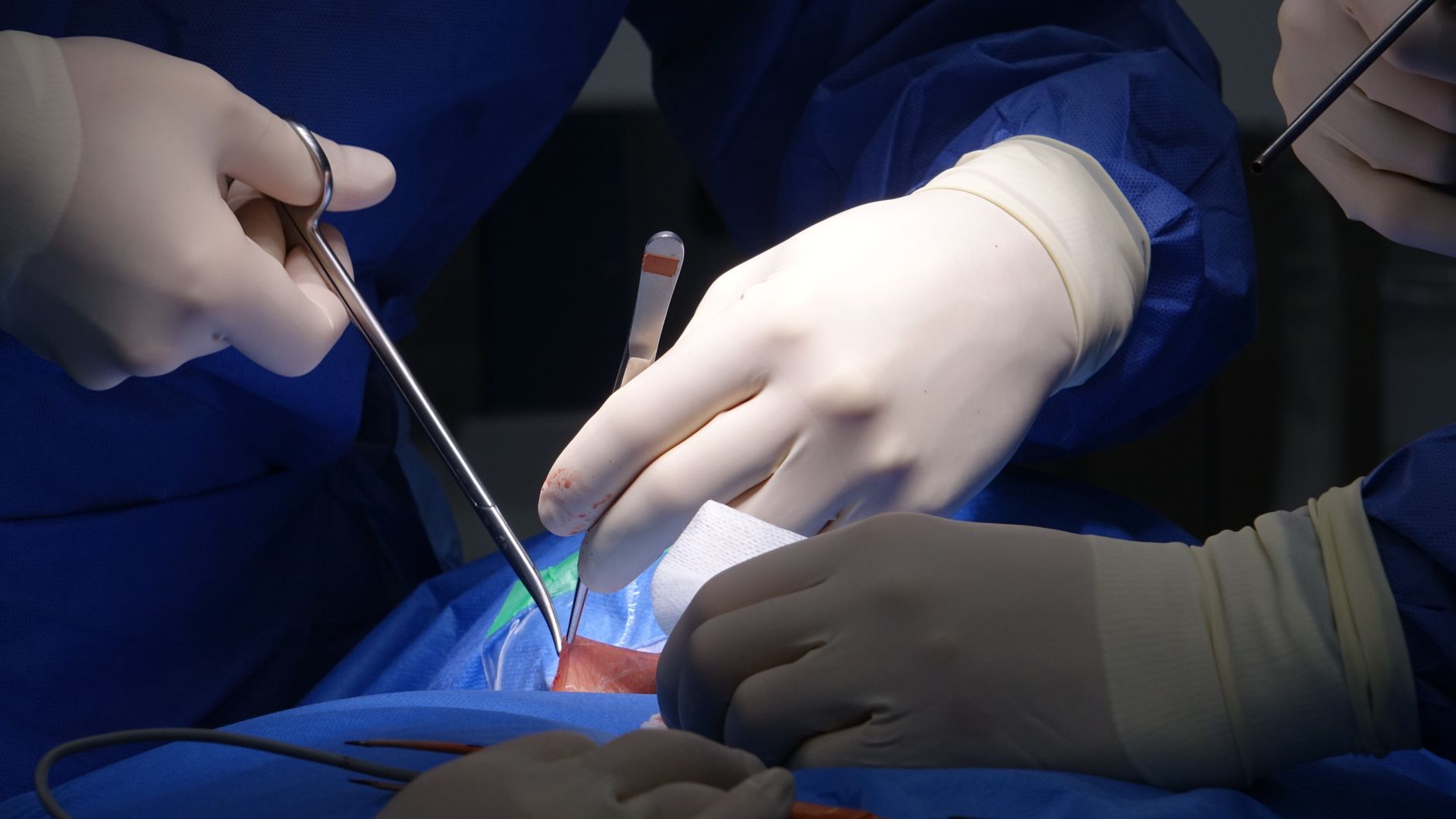
Yes, the first bellwether trial in the Covidien hernia mesh litigation is moving forward. The Patterson case, the lead trial in the sprawling multidistrict litigation (MDL), is scheduled to begin on July 13, 2026, in federal court. This marks a critical turning point for over 2,400 pending lawsuits against Covidien alleging that its Symbotex hernia mesh implants are defective and caused serious complications in thousands of patients who underwent hernia repair surgery. The trial was originally scheduled for February 17, 2026, but Judge Saris rescheduled it in late 2025 to allow both sides additional preparation time.
The delay reflects the complexity of the litigation and the volume of medical evidence both plaintiffs and defendants must present. For the plaintiff in the Patterson case and the thousands of other patients awaiting resolution, the trial represents a chance to have their claims heard in open court. The case centers on allegations that Covidien’s Symbotex mesh carries inherent design flaws that lead to mesh adhesion, bowel obstruction, chronic pain, and the need for additional surgeries. The outcome of this bellwether trial could significantly influence settlement negotiations and the trajectory of the remaining cases still pending in the MDL.
Table of Contents
- What Is the Patterson Bellwether Trial and Why Does It Matter?
- Symbotex Mesh Design Defects and Alleged Manufacturing Problems
- The Patient’s Experience: One Plaintiff’s Medical Journey
- What Claimants Need to Know About Filing or Tracking Their Cases
- Common Complications and Long-Term Health Consequences of Symbotex Mesh
- Timeline of Key Events in the Covidien MDL Litigation
- How Bellwether Trials Work and Their Impact on Mass Tort Resolution
- Frequently Asked Questions
What Is the Patterson Bellwether Trial and Why Does It Matter?
A bellwether trial is a representative case chosen to go to trial first in a multidistrict litigation. The verdict and damages awarded in a bellwether case often influence how defendants and plaintiffs approach settlement discussions for the remaining cases. In the Covidien hernia mesh litigation, the Patterson case was selected as the first bellwether because it exemplifies the core allegations affecting thousands of claimants. The trial will be closely watched by attorneys, manufacturers, and patient advocates across the country as an indicator of how juries view the evidence in these hernia mesh cases. The Patterson plaintiff underwent hernia repair surgery in July 2017 using Covidien Symbotex mesh. Following the procedure, the patient developed severe complications including mesh adhesion to the small bowel, small bowel obstruction, and hernia recurrence—the very complications that plaintiffs across the MDL claim resulted from defective mesh design.
In July 2020, nearly three years after the initial implantation, the patient required corrective revision surgery to address the failed mesh and its complications. This timeline is typical of many cases in the MDL and demonstrates how long patients may suffer before understanding that the implanted device is the source of their problems. Bellwether trials serve a practical function in managing mass tort litigation. With more than 2,200 Covidien hernia mesh lawsuits pending, it would be impossible to try every case individually. By selecting the Patterson case to proceed first, the court and parties can test the strength of the evidence, witness credibility, and jury receptiveness to the claims. The result will likely reshape settlement discussions for the remaining claimants waiting for resolution.
Symbotex Mesh Design Defects and Alleged Manufacturing Problems
The Covidien Symbotex hernia mesh is at the center of product liability claims that allege the device has inherent design flaws. According to the lawsuits, the mesh was designed or manufactured in a way that makes it prone to causing serious complications after implantation. Plaintiffs argue that Covidien either knew or should have known about these risks but failed to warn surgeons and patients adequately. The alleged design defects include problems that lead to excessive scar tissue formation, mesh shrinkage, and failure of the mesh to integrate properly with surrounding tissue. One significant limitation of the current litigation is that causation can be difficult to prove in individual cases. While the Patterson plaintiff’s complications are well-documented, demonstrating that the mesh design—rather than surgical technique, patient factors, or other variables—caused the specific injury requires expert testimony and careful medical evidence.
Both sides will present competing expert witnesses during trial. Defense arguments typically emphasize that hernia recurrence and complications can occur regardless of implant quality, and that the plaintiff’s experience does not necessarily prove the mesh was defective. Plaintiffs must overcome this skepticism by showing that the defect rate or complication rate from Symbotex exceeds what would be expected from a properly designed device. Manufacturing problems compound the design defect allegations. Some claims assert that even if the design were acceptable, inconsistencies in how Covidien manufactured the mesh resulted in defective batches reaching patients. This distinction matters because it affects liability exposure and damages calculations. A design defect typically exposes a manufacturer to liability for all units sold, while a manufacturing defect may be limited to particular production runs.
The Patient’s Experience: One Plaintiff’s Medical Journey
The Patterson case illustrates the human cost of a failed hernia mesh implant. The plaintiff’s hernia repair surgery took place in July 2017, a relatively routine procedure in which surgeons implant mesh to reinforce the area where the hernia occurred. For some patients, the mesh integrates smoothly and provides lasting repair. For the Patterson plaintiff, the mesh caused progressive complications that went undiagnosed or misunderstood for years. Within months to years of implantation, the plaintiff developed mesh adhesion—the mesh bonded to adjacent tissue, specifically to the small bowel. This triggered a cascade of additional problems: small bowel obstruction and hernia recurrence. These are not minor issues.
Bowel obstruction is a serious condition that can cause severe abdominal pain, vomiting, and nutritional problems. The patient’s quality of life deteriorated significantly. By July 2020, corrective revision surgery became necessary. Revision surgery is more complex than the original procedure because the surgeon must carefully remove or reposition the failed mesh without damaging the bowel and surrounding organs. Recovery is longer, risks are higher, and the patient may face scarring and ongoing pain even after the revision. This three-year span—from initial implantation to revision surgery—is not unusual in the hernia mesh litigation. Many claimants report years of worsening symptoms, multiple doctor visits, imaging studies, and eventually the realization that the implanted mesh is the problem. During this time, patients experience not only physical suffering but also diagnostic uncertainty and the psychological burden of knowing they underwent surgery to fix one problem only to acquire another.
What Claimants Need to Know About Filing or Tracking Their Cases
Patients who received a Symbotex mesh implant and subsequently developed complications should understand the structure of the MDL and what to expect. The Covidien hernia mesh litigation is centralized in federal court as a multidistrict litigation. This means that while all cases are coordinated, they do not all go to trial. Most will likely be settled as a result of the bellwether trial outcome and ongoing settlement discussions. Claimants do not need to file an entirely separate lawsuit if they are already part of the MDL; they are automatically included if their case meets the inclusion criteria. However, there is an important tradeoff: claimants who wait to see the outcome of bellwether trials may take longer to receive compensation, but they benefit from having a clearer picture of what their case may be worth based on jury verdicts.
Claimants who opt out and file individual lawsuits may proceed faster but lose the benefit of coordinated discovery and may face higher litigation costs. Most patients choose to remain in the MDL and wait for settlement negotiations or verdicts to guide the process. Attorneys representing claimants typically work on a contingency fee basis, meaning they are paid only if the case settles or wins, so there is little direct financial burden on patients to pursue their claims. Documentation is critical for any Covidien hernia mesh claimant. Medical records from the original surgery, imaging studies showing complications, and records of any revision surgeries must be preserved and made available to the claims administrator. Patients who can provide a clear timeline of symptoms and medical treatment have stronger cases than those with spotty documentation.
Common Complications and Long-Term Health Consequences of Symbotex Mesh
Across the more than 2,200 pending Covidien cases, several complications appear repeatedly. Mesh adhesion—where the mesh scars to internal organs or tissue—is one of the most common claims. Adhesions can cause chronic abdominal pain, bowel obstruction, and may necessitate revision surgery. Some patients report adhesions forming months after implantation, while others develop symptoms years later. The unpredictability is a warning sign that the mesh may not be integrating as intended. Hernia recurrence is another frequent complaint.
Patients report that despite the mesh implantation, the hernia returns. This suggests either a failure of the mesh material itself or a design flaw that prevents the mesh from adequately reinforcing the repair. Infection is also alleged in some cases, either acute infection following surgery or chronic low-grade infection associated with mesh degradation. Chronic pain affects quality of life significantly and can persist long after revision surgery, as scar tissue and nerve damage may not fully resolve. A critical limitation in understanding these complications is that baseline complication rates for hernia surgery and hernia recurrence are not zero, even with modern mesh technology. The key question in litigation is whether Symbotex has complication rates higher than comparable devices or higher than would be expected. This is where expert evidence becomes essential, and where disagreement between plaintiff and defense experts will be most pronounced during the trial.
📨 Get Free Mass Tort Guides Alerts
Free · No spam · Unsubscribe anytime
Timeline of Key Events in the Covidien MDL Litigation
The Covidien hernia mesh MDL has developed over several years. As individual lawsuits were filed across the country, federal courts consolidated them into the MDL to streamline discovery and case management. The decision to schedule a bellwether trial reflects the court’s assessment that enough discovery has been completed and enough cases have reached maturity for trial to proceed. The original trial date of February 17, 2026, was set with the expectation that both parties would be ready.
However, Judge Saris issued an order in late 2025 moving the trial to July 13, 2026, a common occurrence in complex litigation when the parties need additional time to prepare witnesses, finalize expert reports, or complete last-minute discovery requests. The July 2026 trial date is now firmly scheduled, though further delays remain possible if unexpected circumstances arise. As of the current date, over 2,400 Covidien cases remain pending in the MDL. Some of these may be resolved through settlement before trial, while others will likely await the outcome of the Patterson bellwether trial to inform settlement valuations.
How Bellwether Trials Work and Their Impact on Mass Tort Resolution
The bellwether trial process is designed to create an efficient pathway to resolution in mass tort litigation. Rather than litigating 2,400 cases individually or settling all cases blindly without knowing how a jury might value them, the parties agree to try one or a few representative cases. The outcome informs all subsequent settlement discussions. If the jury returns a large verdict for the plaintiff, defendants typically increase their settlement offers for remaining cases. If the jury returns a low verdict or sides with the defendant, settlement values may decrease. The Patterson case will likely result in one of several outcomes.
If the jury finds that Symbotex mesh is defective and awards substantial damages, it will signal to defendants that the remaining cases carry significant value and risk, likely accelerating settlement negotiations. If the jury returns a modest verdict or finds in favor of Covidien, remaining plaintiffs may face reduced settlement offers or the need to pursue their claims through alternative means. The trial is expected to present expert testimony on mesh design, manufacturing standards, medical complications, and damages. Both sides will have the opportunity to present their strongest evidence and arguments. One concrete detail relevant to all participants is that the trial date of July 13, 2026, has been announced well in advance, giving both parties several months to prepare. Witnesses will be prepared, exhibits organized, and legal arguments finalized. For the Patterson plaintiff and the thousands of claimants waiting for resolution, the trial represents a milestone in litigation that has likely been pending for years.
- —
Frequently Asked Questions
What is a bellwether trial in mass tort litigation?
A bellwether trial is a representative case selected to go to trial first in a multidistrict litigation. The verdict and damages awarded influence settlement discussions for remaining cases.
Why was the Covidien hernia mesh trial rescheduled from February to July 2026?
Judge Saris rescheduled the trial in late 2025 to allow both parties additional time for preparation, which is common in complex litigation involving multiple expert witnesses and extensive medical evidence.
What complications does the Patterson plaintiff claim resulted from the Symbotex mesh?
Mesh adhesion to the small bowel, small bowel obstruction, and hernia recurrence, requiring revision surgery in July 2020, approximately three years after the initial implant.
How many Covidien hernia mesh cases are pending in the MDL?
Over 2,400 cases remain pending, with more than 2,200 lawsuits specifically alleging defects in Covidien hernia mesh implants.
What claims are included in the Covidien litigation?
Claims allege design defects, manufacturing problems, and failure to warn about known risks. Specific complications cited include chronic pain, infections, adhesions, hernia recurrence, and the need for revision surgeries.
How might the Patterson verdict affect settlement negotiations for other cases?
If the jury awards substantial damages, defendants typically increase settlement offers for remaining cases. A low verdict or defense win may reduce settlement valuations.
You Might Also Like
- Supreme Court ruling forces mistrial in major herbicide injury lawsuit settlement
- Supreme Court Decision Shields Monsanto; Federal Law Overrules Roundup Injury Litigation Claims
- Delaware court raises bar for scientific evidence in drug liability claims