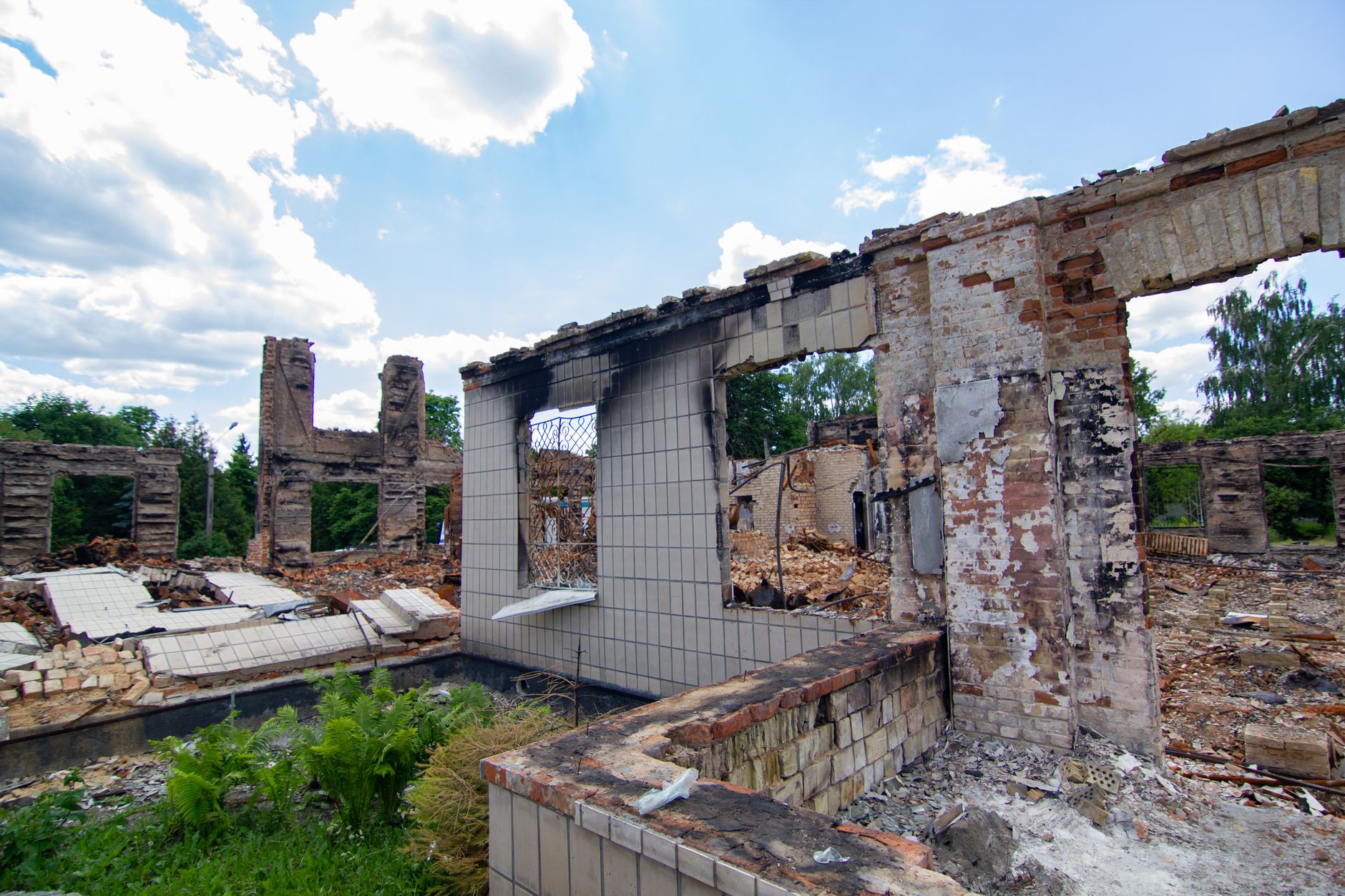
Duluth, Minnesota has faced an ongoing public health crisis tied to asbestos exposure, a carcinogenic mineral that continues to pose serious risks to current and former residents. Industrial activity, building materials, and environmental contamination have left communities vulnerable to diseases including mesothelioma, lung cancer, and asbestosis, with health effects that may not appear for decades after initial exposure. A worker at a local manufacturing facility in the 1970s, for example, had no symptoms for nearly 40 years before being diagnosed with mesothelioma—a timeline that illustrates why historical exposures remain a persistent threat today.
The danger is not confined to past industrial workers. People living in or near contaminated areas, occupants of older buildings containing asbestos insulation or floor tiles, and families of exposed workers all face heightened risk. Asbestos fibers, once inhaled or ingested, embed themselves in lung tissue and the lining surrounding internal organs, triggering inflammation and cellular damage that can eventually turn cancerous.
Table of Contents
- What Is Asbestos and How Did It Become a Health Hazard in Duluth?
- The Hidden Timeline: Why Asbestos Diseases Appear Long After Exposure
- Who in Duluth Is at Risk for Asbestos-Related Disease?
- Medical Diagnosis and the Challenge of Proving Causation
- Regulatory Gaps and the Continued Use of Asbestos
- Health Effects Beyond Mesothelioma
- Legal Remedies and the Statute of Limitations
- Frequently Asked Questions
What Is Asbestos and How Did It Become a Health Hazard in Duluth?
asbestos is a naturally occurring fibrous mineral that was widely used in industrial and commercial applications throughout the 20th century because of its heat resistance, strength, and low cost. In Duluth, asbestos-containing materials were incorporated into insulation, brake linings, roofing products, gaskets, and various industrial equipment. The mineral remained popular for decades despite mounting scientific evidence of its dangers, largely because manufacturers downplayed health risks and regulatory oversight was limited. The health hazard stems from the material’s physical structure. When asbestos-containing products deteriorate, are cut, sanded, or otherwise disturbed, they release microscopic fibers into the air. These fibers are small enough to penetrate deep into the lungs and can remain embedded in lung tissue for a lifetime.
Unlike other industrial contaminants, asbestos exposure often produces no immediate symptoms, making it particularly insidious—people may not realize they are at risk until serious disease develops years or decades later. Duluth’s industrial history meant repeated exposure pathways. Factory workers, insulators, carpenters, and maintenance personnel regularly encountered asbestos on the job. Family members of these workers faced secondary exposure through contaminated clothing. Residents living near industrial sites experienced environmental contamination. building occupants, including office workers and schoolchildren, inhaled fibers from deteriorating materials inside older structures.
The Hidden Timeline: Why Asbestos Diseases Appear Long After Exposure
One of the most dangerous characteristics of asbestos exposure is the disease latency period—the time between exposure and the development of illness. Mesothelioma, the cancer most directly linked to asbestos, typically takes 20 to 50 years to appear after initial exposure. Lung cancer and asbestosis follow similar timelines. this delay means that many people exposed in the 1950s, 1960s, or 1970s are only now being diagnosed, and some may never live to see compensation if disease develops very late in life. This latency creates a substantial limitation for affected individuals. A person who was exposed to asbestos as a young worker might not develop symptoms until retirement age or later, at which point they face accumulated medical costs, potential loss of income, and reduced life expectancy.
In some cases, people die from other causes before asbestos-related disease becomes clinically apparent, meaning the true number of exposures exceeds the number of confirmed cases. Additionally, the long latency period means that families may not recognize a connection between a parent’s work history and a current diagnosis without careful investigation. For those diagnosed, the prognosis is often grim. Mesothelioma patients typically survive less than two years after diagnosis, even with aggressive treatment. Asbestosis causes progressive lung scarring that restricts breathing and oxygen intake, ultimately leading to respiratory failure. These are not conditions that improve with time or lifestyle changes—they are degenerative and fatal.
Who in Duluth Is at Risk for Asbestos-Related Disease?
Asbestos exposure in Duluth affected multiple groups, each with different exposure histories and risk levels. Industrial and manufacturing workers represent the largest category of those with occupational exposure—people who worked in foundries, power plants, shipyards, construction, and maintenance roles. Their exposure was often intense and repeated, occurring without adequate respiratory protection. Beyond occupational exposure, family members of workers faced significant risk. Workers who handled asbestos products during their shifts could carry asbestos dust home on their clothes, skin, and hair. Spouses who washed work clothing, and children who hugged returning workers, inhaled asbestos fibers in their own homes.
This secondary exposure pathway has resulted in thousands of mesothelioma cases among people who never set foot in a workplace but lived with someone who did. A spouse caring for an ill partner over decades may develop the same disease without ever knowing the source of their exposure. Building occupants represent another vulnerable group. Older schools, office buildings, apartment complexes, and public facilities in Duluth may contain asbestos in floor tiles, ceiling tiles, pipe insulation, roofing materials, and fireproofing sprays. When these materials age and deteriorate, they become friable—easily crumbled into airborne fibers. People spending significant time in these buildings, including employees and students, face chronic low-level exposure.
Medical Diagnosis and the Challenge of Proving Causation
Diagnosing asbestos-related disease requires specialized medical expertise and often extensive testing. A chest X-ray or CT scan may reveal telltale patterns of asbestos-related lung scarring, called pleural thickening or pleural plaques. A tissue biopsy can confirm the presence of asbestos fibers. However, not all people exposed to asbestos develop detectable disease, and some diagnostic findings are subtle and easily overlooked by physicians unfamiliar with occupational illness.
The challenge deepens when proving causation in legal cases. A person diagnosed with lung cancer, for example, may have been exposed to asbestos decades ago, but may also be a smoker or have other environmental exposures. Defendants and insurance companies often argue that asbestos was not the cause or even a contributing factor, forcing patients to rely on expert medical testimony and industrial hygiene evidence. This burden is particularly heavy for plaintiffs who cannot point to a single, obvious exposure source—the person may have worked in multiple locations, handled various materials, or lived in multiple homes over a long career.
Regulatory Gaps and the Continued Use of Asbestos
Despite the mounting evidence of asbestos dangers, the mineral has never been completely banned in the United States. The Environmental Protection Agency initiated a phased ban starting in the 1970s, but asbestos is still legal in hundreds of products, including brake linings, gaskets, and certain roofing materials. This regulatory limitation means that asbestos exposure remains possible even in the modern era, though the number of new exposures has declined sharply since occupational safety standards tightened. In Duluth, many buildings constructed or renovated before the 1980s still contain asbestos materials. A warning here: disturbing these materials, such as during renovation or demolition work, can release fibers and create new exposure hazards.
📨 Get Free Mass Tort Guides Alerts
Free · No spam · Unsubscribe anytime
Homeowners, contractors, and building managers who fail to follow proper asbestos abatement procedures risk exposing themselves and others. The presence of asbestos in aging buildings means that historical exposures continue to pose risks to current occupants, and future renovations could create new exposure events if handled improperly. The regulatory gap also affects accountability. Companies that manufactured asbestos products and knew of health risks often escaped liability by declaring bankruptcy or dissolving before victims could bring claims. Asbestos trusts were established to compensate victims when manufacturers went under, but the trusts are depleted and cannot provide full compensation to all claimants. This limitation shifts much of the burden onto individual patients to identify responsible parties and pursue claims within narrow windows of opportunity.
Health Effects Beyond Mesothelioma
While mesothelioma is the most severe asbestos-related disease, it represents only a fraction of asbestos health consequences. Asbestosis, a chronic lung disease caused by asbestos fiber accumulation and scarring, affects the lungs’ ability to exchange oxygen. Victims experience progressive shortness of breath, chest pain, and persistent cough.
Unlike mesothelioma, asbestosis does not always cause cancer, but it is debilitating and ultimately fatal if severe enough. Asbestos also increases the risk of several lung cancers, stomach cancer, and ovarian cancer. A person with a history of asbestos exposure who develops any of these cancers has grounds to pursue a claim, because asbestos exposure substantially increased the statistical likelihood of disease. This broadens the population of potential claimants in Duluth beyond those with classic mesothelioma diagnoses.
Legal Remedies and the Statute of Limitations
Victims of asbestos exposure in Duluth may pursue compensation through multiple channels: direct lawsuits against manufacturers, claims against bankruptcy asbestos trusts, settlements from employers’ insurance policies, or workers’ compensation. However, each pathway has strict deadlines. The statute of limitations for filing a personal injury lawsuit typically begins when the disease is diagnosed, not when exposure occurred. For someone exposed in 1975 but diagnosed with mesothelioma in 2024, the clock starts in 2024.
This creates urgency once a diagnosis is made, as the window to file may be only two to three years depending on state law. Trust claims offer a potentially faster route to compensation, as asbestos bankruptcy trusts have streamlined claim processes and shorter timeframes. However, trust compensation amounts are often significantly lower than what might be awarded in a jury verdict. The tradeoff is speed and certainty of payment against the possibility of larger compensation through litigation. Individuals navigating these options should consult with an attorney experienced in asbestos cases to understand which path offers the best outcome given their specific circumstances and the asbestos manufacturers or entities involved in their exposure.
Frequently Asked Questions
How long does it take for asbestos-related disease to develop?
Mesothelioma typically takes 20 to 50 years to develop after asbestos exposure. Asbestosis and lung cancer may appear within similar timeframes, though some variation exists.
Can I file a claim if the company that exposed me no longer exists?
Yes. Many asbestos manufacturers established bankruptcy trusts to compensate victims. Your attorney can help identify which trusts may be liable for your exposure.
What should I do if I find asbestos in my home or building?
Do not disturb the material. Contact a licensed asbestos abatement contractor. Improper removal can release fibers and create new health hazards.
Is smoking combined with asbestos exposure more dangerous than either alone?
Yes. People exposed to asbestos who also smoke face significantly elevated lung cancer risk, much higher than from either exposure alone.
How do I prove my asbestos exposure if I don’t have work records?
An industrial hygiene expert can assess your work history, job duties, and the time period to estimate exposure likelihood. Expert testimony combined with medical evidence of asbestos-related disease supports a claim.
You Might Also Like
- Asbestos Health Crisis: Regional Disparities in Mesothelioma Diagnosis and Treatment Access
- Pilgrim Nuclear Contractors Penalized for Dangerous Asbestos Exposure Incident
- PFAS Chemical Contamination: Cleanup Efforts and Community Health Protection Updates