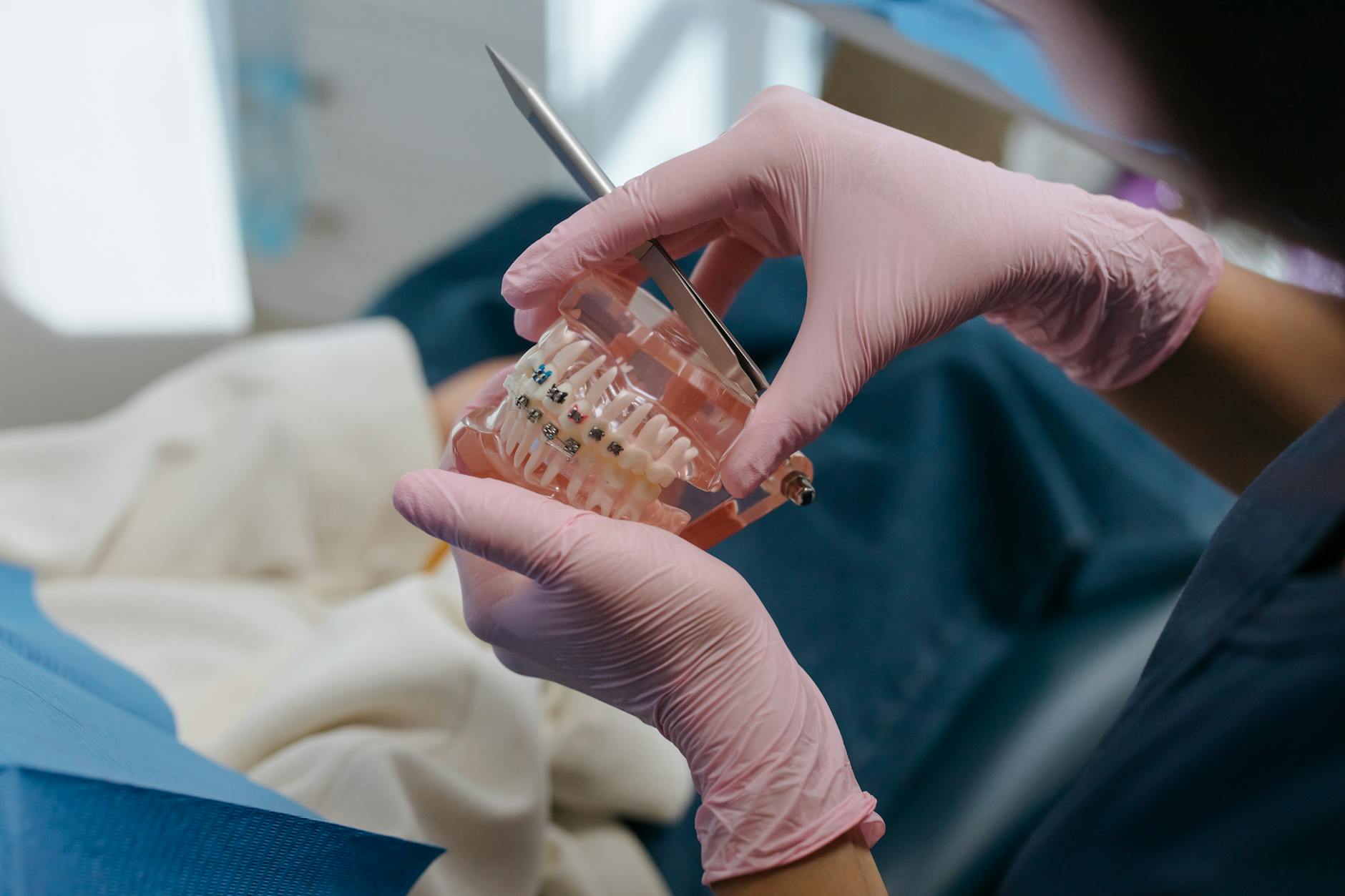
An orthodontic malpractice lawsuit is a legal claim filed against an orthodontist or dental practice for negligence, incompetence, or breach of the standard of care that results in harm to a patient’s teeth, jaw structure, or overall oral health. These lawsuits typically seek compensation for damages caused by improper treatment, misdiagnosis, or treatment failures that were foreseeable and preventable. Orthodontic negligence can range from applying excessive force that damages tooth roots to misaligning teeth in ways that require years of additional treatment, and cases are increasingly being brought against practitioners for serious injuries like bone loss and tooth extraction. A notable example is the case against a Georgia orthodontist who allegedly caused severe bone necrosis and tooth loss in multiple patients through improper orthodontic work.
In September 2025, the state dental board inspected the practice after receiving allegations of destroying mouths with negligent orthodontic treatment. Patients in that situation faced permanent tooth loss, the need for costly implants or dentures, and significant emotional and financial hardship—exactly the type of harm that orthodontic malpractice lawsuits address. Orthodontic malpractice claims are distinct from general dental malpractice because they involve the specialized technique of moving teeth over time, where subtle errors in force application, treatment planning, or patient selection can accumulate into irreversible damage. Understanding how these cases work, what constitutes negligence, and what compensation is available is essential for anyone considering legal action against an orthodontist.
Table of Contents
- WHAT CONSTITUTES NEGLIGENT ORTHODONTIC TREATMENT?
- TYPES OF INJURIES AND DAMAGES IN ORTHODONTIC NEGLIGENCE CASES
- THE GEORGIA BONE NECROSIS CASE AND SERIOUS TREATMENT FAILURES
- DETERMINING LIABILITY AND NAVIGATING THE LEGAL PROCESS
- ROOT RESORPTION AND OTHER IRREVERSIBLE COMPLICATIONS
- SETTLEMENT PATTERNS AND TYPICAL COMPENSATION RANGES
- REGULATORY OVERSIGHT AND THE FUTURE OF ORTHODONTIC ACCOUNTABILITY
- Conclusion
WHAT CONSTITUTES NEGLIGENT ORTHODONTIC TREATMENT?
Negligent orthodontic treatment occurs when an orthodontist falls below the accepted standard of care in the profession—the level of skill, care, and diligence that a reasonably competent orthodontist would provide under similar circumstances. This can include failing to perform adequate diagnostic imaging before treatment begins, applying excessive force to teeth that causes root resorption (permanent shortening of tooth roots), failing to monitor treatment progress properly, or selecting inappropriate treatment methods for a patient’s specific dental anatomy. One documented case involved three dental practitioners being sued for malocclusion (teeth alignment) mismanagement. Two orthodontists had applied inappropriate forces to teeth, causing root resorption—a condition where the pressure from braces essentially eats away at the roots of teeth, making them shorter and weaker.
An oral surgeon then failed to identify this problem before attempting surgical correction, compounding the original negligence. The damages awarded included costs for anticipated tooth loss, replacement through implants or other prosthetics, and lost earnings during extended treatment or recovery periods. Another significant case involved an orthodontist allegedly violating the patient-treatment contract by promising Invisalign treatment but secretly providing a competitor’s brand instead. This 2024 case resulted in a $28 million lawsuit by Align Technology on behalf of harmed patients. The distinction matters legally because patients consent to specific treatment methods based on expected outcomes, and substituting different treatments—especially without knowledge—is both a breach of contract and potentially negligent if the substitute treatment produces inferior results.

TYPES OF INJURIES AND DAMAGES IN ORTHODONTIC NEGLIGENCE CASES
The injuries that occur from orthodontic negligence are often permanent and require long-term intervention. Root resorption is one of the most serious consequences, as shortened tooth roots cannot be regenerated and make teeth more prone to future loss. Alveolar bone loss—deterioration of the bone supporting the teeth—can occur from excessive or improperly directed forces and may lead to tooth mobility and eventual extraction. Some patients also experience severe malocclusion that actually worsens compared to their pre-treatment bite, requiring years of corrective treatment or surgical intervention. A critical limitation in these cases is that proving causation can be challenging.
The defendant’s expert witnesses may argue that a patient had predisposing factors (genetic susceptibility to root resorption, for example, or poor home care) that contributed to the injury. The plaintiff’s legal team must prove, through expert testimony and diagnostic records, that the specific negligent acts of the orthodontist directly caused the harm. This means gathering pre-treatment, during-treatment, and post-treatment imaging, obtaining independent expert review, and demonstrating deviation from accepted orthodontic standards. Damages in orthodontic malpractice cases typically include costs for corrective treatment, tooth replacement procedures (implants, bridges, dentures), ongoing dental care and monitoring, pain and suffering, and lost wages if the injury affects the patient’s ability to work or requires extensive treatment time. The national average payout for dental negligence settlements is $128,000, though severe cases involving multiple tooth loss or complex corrective surgery can result in significantly higher awards.
THE GEORGIA BONE NECROSIS CASE AND SERIOUS TREATMENT FAILURES
One of the most alarming recent cases involved a Georgia dentist whose orthodontic work allegedly led to bone necrosis—death of bone tissue—and tooth loss in affected patients. After complaints were filed, the state dental board conducted an inspection of the practice locations in September 2025, investigating claims that the practitioner had systematically destroyed patient mouths through negligent orthodontic treatment. This case highlights how orthodontic negligence can escalate beyond individual tooth damage to affect the underlying bone structure that supports the entire dentition. In such cases, the standard of care requires that an orthodontist not apply forces that exceed the physiological limits of teeth and supporting bone.
When excessive force is applied—or force is applied in incorrect directions for an extended period—the result can be bone resorption or, in severe cases, necrosis. Patients in the Georgia situation reportedly faced irreversible tooth loss and the prospect of extensive reconstructive dental work, including bone grafting and implant placement, at costs potentially exceeding $20,000 to $40,000 per tooth. The Georgia board’s decision to inspect and investigate signals that these allegations were credible enough to warrant formal state action. For patients harmed in such situations, this regulatory attention can strengthen malpractice claims by establishing that a dental board—an official authority on professional standards—agreed that the treatment fell below acceptable levels.
DETERMINING LIABILITY AND NAVIGATING THE LEGAL PROCESS
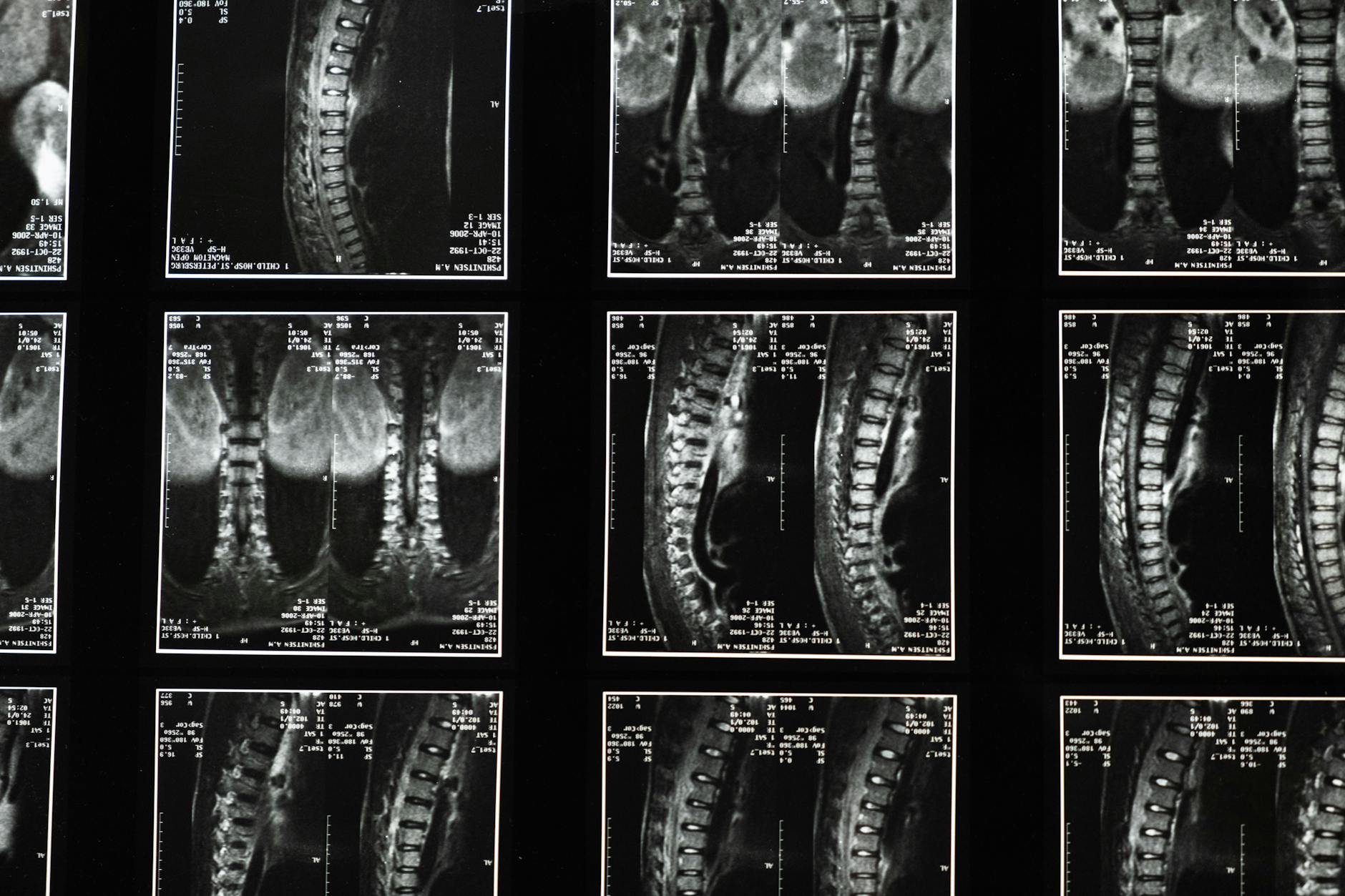
Proving orthodontic malpractice requires establishing four key elements: (1) the orthodontist had a duty of care to the patient, (2) the orthodontist breached that duty through negligent or incompetent treatment, (3) the patient suffered injury, and (4) the breach directly caused the injury. In most cases, the plaintiff must present expert testimony from another qualified orthodontist who can explain, in language a jury can understand, how the treatment deviated from the standard of care and why that deviation caused harm. Comparing orthodontic malpractice lawsuits to other dental malpractice claims reveals important nuances. A routine filling that fails is relatively straightforward to prove—the filling either came out or didn’t seal properly. Orthodontic cases are more complex because teeth and bone respond to force over months or years, making it harder to isolate when negligence occurred and harder for patients to recognize the problem immediately.
Many patients don’t realize root resorption is happening until years after treatment ends, when their teeth have already been damaged. This delayed recognition can complicate claims because statute of limitations rules vary by state—some states require lawsuits to be filed within a certain period from the date of injury, while others begin counting from when the injury was discovered. The tradeoff in pursuing these cases is that while expert testimony is necessary to win, it’s also expensive. Hiring a qualified orthodontist to review records and testify can cost $3,000 to $10,000 or more. Many malpractice attorneys work on contingency (taking a percentage of any settlement or award), but they still screen cases carefully to ensure the evidence of negligence is strong enough to justify the expert costs.
📨 Get Free Mass Tort Guides Alerts
Free · No spam · Unsubscribe anytime
ROOT RESORPTION AND OTHER IRREVERSIBLE COMPLICATIONS
Root resorption is one of the most litigated complications in orthodontic malpractice cases because it is often irreversible and can result in long-term tooth loss. The condition occurs when the forces applied during orthodontic treatment exceed what the tooth’s root can withstand, triggering an inflammatory response that causes the body to reabsorb the root structure. Once this happens, the root cannot grow back, and the tooth becomes progressively shorter, weaker, and eventually more likely to fall out. A significant warning for patients is that root resorption can be asymptomatic—patients feel no pain and notice no obvious problem during treatment. By the time the resorption is discovered through X-rays, damage may already be substantial.
This silent nature means that responsibility for monitoring falls squarely on the orthodontist’s shoulders. Failure to take regular radiographs, failure to adjust treatment when early resorption is detected, or application of excessive force from the start all constitute failures of the standard of care. Patients harmed by undetected or untreated root resorption have strong grounds for malpractice claims if they can show the orthodontist knew (or should have known) about the problem. Alveolar bone loss—where the bone that anchors teeth deteriorates—is another serious complication. Unlike root resorption, which is confined to individual tooth roots, bone loss affects the structural foundation of the jaw and can cause a cascade of problems: teeth become mobile, gums recede, and multiple teeth may be at risk. Some orthodontists apply what’s called “aggressive orthodontics” in an attempt to achieve results faster, but this approach carries elevated risk of bone loss, particularly in patients who are genetically predisposed or have existing bone density issues.

SETTLEMENT PATTERNS AND TYPICAL COMPENSATION RANGES
Dental malpractice settlements represent a notable portion of overall healthcare malpractice payouts. In 2025, approximately 1,100 dental malpractice payments were made out of roughly 10,000 total healthcare provider malpractice payments—about 11 percent of all malpractice cases involve dentistry. The national average payout for dental negligence is $128,000, though orthodontic cases often fall at the higher end of the range because of the complexity of treatment and the permanence of injuries.
Settlements in orthodontic malpractice cases vary widely based on the severity of injury, age of the patient, and geographic location. A case involving unnecessary extraction of healthy teeth might settle for $50,000 to $150,000. A case involving root resorption requiring future tooth replacement and corrective treatment might settle for $200,000 to $400,000. The $28 million lawsuit against an orthodontist for substituting unapproved treatment materials represents an outlier case involving fraud and potential class action scope rather than a typical individual negligence claim.
REGULATORY OVERSIGHT AND THE FUTURE OF ORTHODONTIC ACCOUNTABILITY
Dental boards in each state maintain disciplinary authority over orthodontists and can suspend or revoke licenses, issue citations, or require remedial education when practitioners fail to meet professional standards. The 2025 investigation by the Georgia dental board exemplifies how regulatory bodies are responding to complaints of serious orthodontic negligence.
As more patients become aware of their rights and more cases are pursued, dental boards have stronger incentives to investigate and discipline practitioners who cause harm. The future landscape for orthodontic malpractice may shift as digital imaging and treatment planning software become more sophisticated, making deviations from proper technique easier to document and prove. Additionally, increased emphasis on informed consent means patients are more likely to sue if they discover their orthodontist withheld information about risks, made unauthorized treatment changes, or failed to discuss alternative approaches—all of which strengthen the legal foundation for malpractice claims.
Conclusion
Orthodontic malpractice lawsuits exist to hold practitioners accountable when negligent treatment causes permanent damage to teeth, bone, or jaw function. Cases ranging from root resorption to bone necrosis to unauthorized treatment substitution have resulted in significant settlements and regulatory action, with the national average dental negligence payout reaching $128,000. The complexity of orthodontic treatment, combined with the permanence of injuries like root resorption and alveolar bone loss, creates a strong basis for legal claims when orthodontists fall below the accepted standard of care.
If you believe you have been harmed by negligent orthodontic treatment, consult with a dental malpractice attorney in your state. Many work on contingency and can evaluate your case, gather expert opinions, and negotiate with the orthodontist’s insurance company on your behalf. Time is critical due to statute of limitations rules, so pursuing legal action promptly protects your rights and ensures compensation for past and future treatment costs related to the injury.