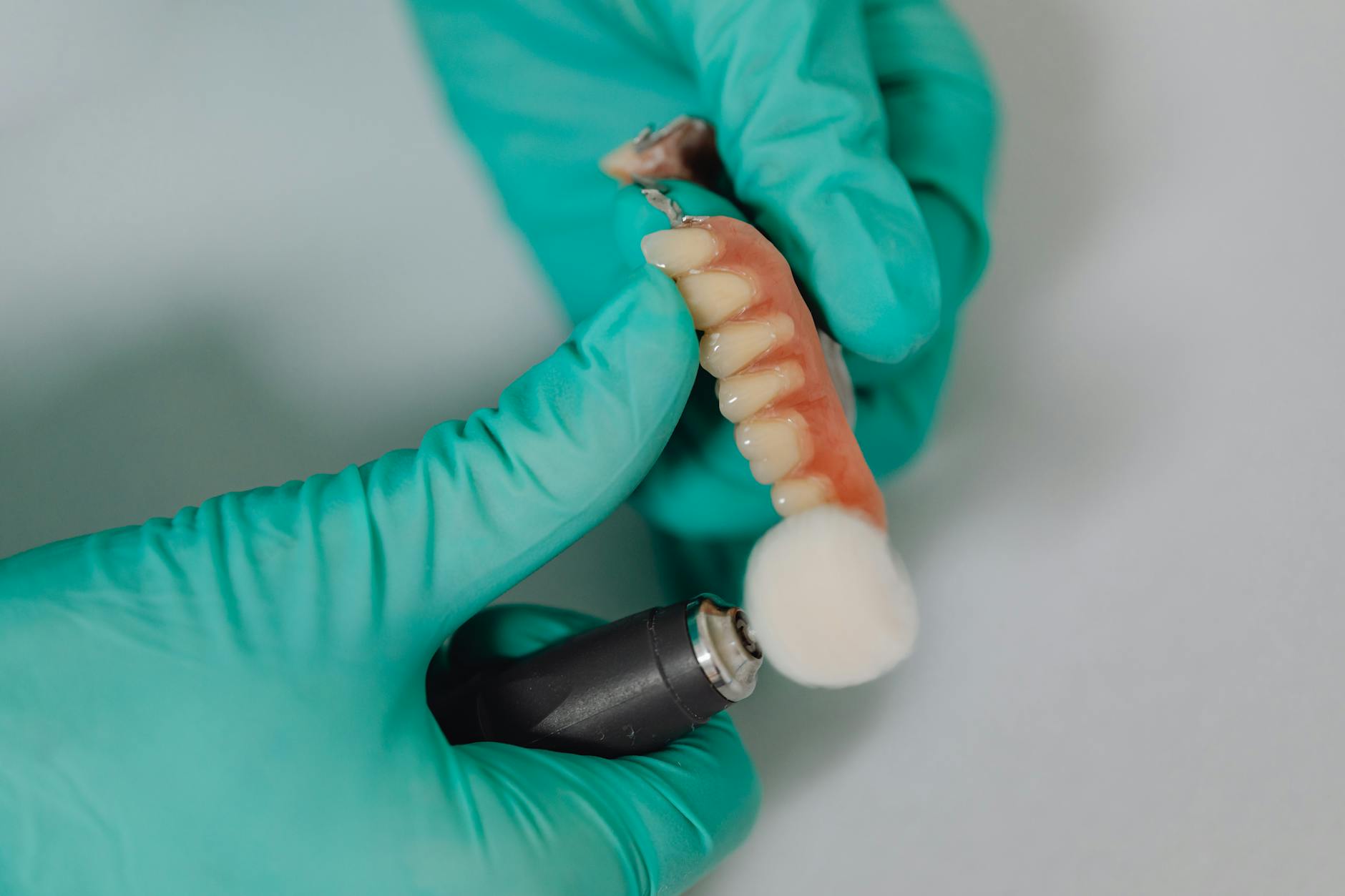
A dental implant failure lawsuit is a legal claim brought by patients whose dental implants failed—either failing to integrate with the jawbone, breaking, becoming loose, or causing other complications that required removal or corrective surgery. These lawsuits typically allege that a dentist or oral surgeon was negligent in assessing the patient’s suitability for implants, failed to perform adequate diagnostics, placed the implant incorrectly, or failed to warn the patient about risk factors. Patients seek compensation for the cost of the failed implant, additional corrective procedures, pain and suffering, and loss of function.
Dental implant failures are not rare medical anomalies—they represent a documented failure rate of 5-10% depending on the patient’s health and the implant brand used. The most significant cases emerging in 2024 and 2025 include the bankruptcy filing of Woodbury Dental Arts in Minnesota, which left hundreds of patients stranded with unfinished implant treatments, and multiple malpractice claims against an Iowa dentist who extracted a patient’s entire mouth and fitted them with veneers that yellowed and deteriorated. These cases highlight how implant failures can trigger cascading costs and irreversible damage to patients’ oral health.
Table of Contents
- How Often Do Dental Implants Fail?
- Dental Implant Liability and When a Dentist is Responsible
- Recent Dental Implant Failure Cases and Litigation Trends
- Risk Factors That Increase Implant Failure Danger
- Common Malpractice Allegations in Implant Failure Cases
- Implant Brand Failure Rates and Product Liability
- Litigation Trends and the Future of Implant Failure Accountability
- Conclusion
How Often Do Dental Implants Fail?
dental implant failure is significantly more common than many patients realize. In a large clinical study tracking 44,415 implants, researchers found that 2.1% of implants (917 total) failed within the first year of placement due to lack of primary stability or failed osseointegration—the process where the implant fuses with the jawbone. Looking at longer-term outcomes, the 10-year survival rate for dental implants is 96.4%, meaning approximately 3.6% of implants fail over a decade. These statistics show that while most implants succeed, a meaningful percentage fail even under standard conditions.
Failure rates escalate dramatically for patients with known risk factors. Research from UCLA’s School of Dentistry found that patients with diabetes, smoking history, heart disease, or poor oral hygiene experienced failure rates between 4.93% and 8.16%—nearly double the rate for healthy patients. Smoking emerged as a particularly significant predictor of failure. The presence of other conditions like bruxism (teeth grinding) or previous periodontal infection also increases failure likelihood. This means that a dentist’s failure to adequately assess a patient’s medical history and risk profile before recommending an implant can be grounds for a malpractice claim.
Dental Implant Liability and When a Dentist is Responsible
Not all implant failures constitute malpractice. Some implants fail despite proper placement and patient care due to inherent biological variability. However, litigation data reveals that dentists are held liable for a substantial portion of failures. Of 44 dental implant claims reviewed in insurance records, 93% involved general dentists rather than oral surgeons, and courts found the dentists guilty of negligence in 57% of those cases.
This suggests that inadequate training or experience in implant placement among general practitioners is a major driver of litigation. The most common malpractice allegations involve negligent assessment of the patient’s dental condition, failure to obtain necessary diagnostic imaging (such as cone-beam CT scans), inadequate treatment planning, and negligent execution of the implant placement procedure itself. One 2024 case involved a dentist who failed to inquire whether the patient was taking bisphosphonates—medications that significantly increase implant failure risk by impairing bone health. The patient’s implant failed, requiring removal and additional surgery, and the case settled with compensation awarded to the patient. This case exemplifies how even a simple omission—failing to ask about medications—can constitute actionable negligence.
Recent Dental Implant Failure Cases and Litigation Trends
The most recent and dramatic case emerged in March 2024 when Woodbury Dental Arts in Minnesota filed for bankruptcy, abruptly abandoning hundreds of patients with unfinished implant treatments. Many patients had paid deposits for multi-tooth implant cases and were left stranded mid-treatment, with no completed implants and no recourse to recover their money or receive the promised treatment. The Minnesota Attorney General’s office fielded numerous complaints, but bankruptcy proceedings meant patient claims were grouped with other creditors with little chance of full recovery. This case serves as a cautionary tale about trusting practices without independent verification of their financial stability and track record.
Another significant case involved an Iowa dentist sanctioned in 2025 for the third time following six malpractice claims filed through 2024. In one case, the patient alleged that the dentist recommended and performed a total mouth extraction followed by an ill-fitting veneer treatment. The veneers yellowed and deteriorated within months, leaving the patient edentulous (without teeth) and in worse condition than before treatment. The patient’s remedies included suing for damages and filing complaints with the state dental board, resulting in formal sanctions against the dentist’s license.
Risk Factors That Increase Implant Failure Danger
Understanding risk factors is critical because a dentist’s failure to identify them—or failure to warn a patient about them—can elevate a failure to malpractice. The primary risk factors are tobacco use, diabetes, heart disease, poor oral hygiene, previous periodontal infection, poor bone quality, and bruxism. Smoking is perhaps the most significant modifiable risk factor; smokers have substantially higher failure rates than non-smokers, yet some dentists proceed with implants for smoking patients without adequate counseling about this risk. Bone quality and quantity represent anatomical risk factors that require careful assessment.
Patients who have experienced tooth loss for many years often have significant bone resorption, meaning there may be insufficient bone to support an implant. A competent dentist will order diagnostic imaging (such as a cone-beam CT scan) to evaluate bone volume before recommending implant therapy. Failure to perform this assessment—or performing it but ignoring concerning findings—constitutes negligence. Additionally, diabetic patients require careful clearance and management; their bodies heal more slowly, and implant integration may be compromised. A dentist who recommends implants for an uncontrolled diabetic patient without coordinating with their physician may face liability if the implant fails.
📨 Get Free Mass Tort Guides Alerts
Free · No spam · Unsubscribe anytime
Common Malpractice Allegations in Implant Failure Cases
The most frequently documented malpractice allegations in dental implant cases center on four key failures: (1) negligent assessment of the patient’s dental condition and overall health; (2) failure to obtain adequate diagnostic imaging before treatment planning; (3) inadequate treatment planning that failed to account for the patient’s specific anatomy, bone quality, or medical risk factors; and (4) negligent placement of the implant, including improper angulation, insufficient insertion depth, or placement in areas with inadequate bone support. A critical but often overlooked allegation involves failure to obtain informed consent. Patients have the right to understand the risks of implant therapy, including the realistic failure rate for their specific profile, potential complications like nerve damage, and alternative treatment options.
A dentist who places an implant in a high-risk patient without adequately discussing these risks—or who misrepresents the success rate as higher than the evidence supports—may face liability even if the placement technique was sound. One settlement case involved a patient taking bisphosphonates who was not informed that this medication increased implant failure risk by 3-4 times. When the implant failed, the patient had grounds for a negligent failure-to-warn claim.

Implant Brand Failure Rates and Product Liability
While most implant failures trace to practitioner error or patient factors, some brands show higher failure rates than others, potentially indicating design or manufacturing defects. A large clinical analysis of 1,931 implants found significant variation by brand: Ritter implants had a failure rate of 16.7% (the highest), Dentis implants failed at 13%, and Straumann Active implants failed at 9.5%. In contrast, leading brands like Nobel Biocare and Zimmer showed lower failure rates in the 3-5% range. These disparities suggest that implant design, material quality, and surface treatment affect outcomes.
When implants from a specific manufacturer fail at substantially higher rates than comparable products, patients may have grounds for a products liability claim in addition to or instead of a malpractice claim against their dentist. These claims argue that the implant design was defective, the implant was manufactured incorrectly, or the manufacturer failed to adequately warn practitioners about known risks. Such claims require expert testimony establishing that the implant’s failure rate was statistically higher than industry norms and that this difference was due to product defect rather than user error. A patient who suffered implant failure using a high-failure-rate brand should consult an attorney to determine whether a product liability claim is viable.
Litigation Trends and the Future of Implant Failure Accountability
Dental implant litigation is likely to increase as implant therapy becomes more common and as patients develop higher expectations for success. Insurance data through 2020 from Israel, where detailed claim statistics are tracked, documented 218 claims for implant-related nerve damage out of 1,154 total implant therapy claims—approximately 19% of cases involved nerve damage, one of the most serious complications. As more dentists place implants and as more patients opt for implant therapy over other restorative options, the absolute number of failures and resulting lawsuits will grow.
Regulatory bodies and dental boards are becoming more scrutinous of implant-related complaints, particularly in cases involving general practitioners performing implant surgery without specialized training. State dental boards have begun imposing sanctions and license restrictions on dentists with multiple implant-related malpractice claims, as evidenced by the Iowa dentist’s third sanction in 2025. This trend suggests that patients harmed by implant failures increasingly have remedies through both civil litigation and regulatory action against the dentist’s license.
Conclusion
Dental implant failure lawsuits are becoming more prevalent as implant therapy expands and as awareness of practitioners’ obligations increases. Patients have valid legal claims when a dentist negligently assesses their suitability for implants, fails to obtain appropriate diagnostic imaging, neglects to disclose risk factors or realistic success rates, or performs the implant placement incorrectly.
With failure rates of 5-10% overall and even higher rates for patients with risk factors like smoking or diabetes, implant failure is a documented medical reality—not a rare occurrence. If you believe your implant failed due to your dentist’s negligence, document your treatment records, obtain copies of any diagnostic imaging or treatment plans, and consult with a dental malpractice attorney who can review your case and advise you on the strength of a claim. Many dental malpractice cases settle before trial, and early legal consultation can help you understand your options and begin the process of recovering damages for failed treatment, additional corrective procedures, and related costs.