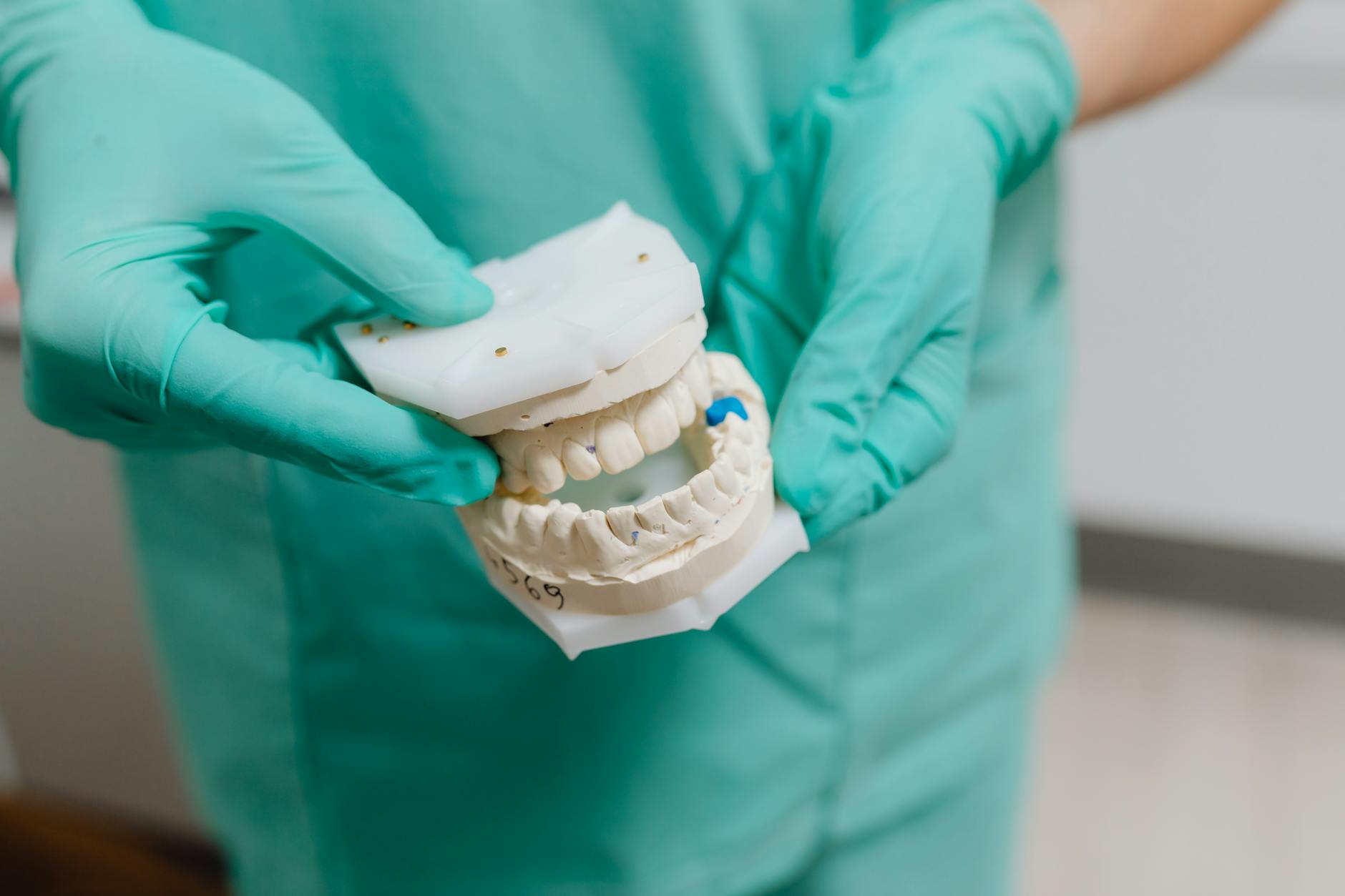
Dental bridge lawsuits typically arise when a dentist’s negligence in measuring, fitting, or installing a dental bridge causes injury or requires additional treatment. Most dental bridge litigation stems from malpractice claims rather than product defects—a critical distinction that affects how cases are evaluated and what compensation victims can recover. A Florida case illustrates this pattern: a patient whose poorly installed bridge caused a periodontal abscess, requiring bridge replacement and gingival graft surgery, ultimately settled for $24,000.
These cases represent a subset of broader dental malpractice claims that average $65,000 in settlement amounts across all dental procedures. Unlike class-action lawsuits targeting defective products or insurance company practices, dental bridge lawsuits are primarily individual claims. Patients pursue them against dentists and dental practices when bridges fail or cause secondary damage due to improper installation, inadequate fitting, or failure to assess pre-existing conditions. Understanding when you have a valid dental bridge lawsuit requires knowing the difference between normal wear-and-tear and actionable negligence.
Table of Contents
- When Does a Dental Bridge Fail and Become a Legal Issue?
- Dental Bridge Malpractice vs. Product Liability—What You Need to Know
- The Broader Dental Litigation Landscape and Recent Cases
- Settlement Amounts and What to Expect in Compensation
- Common Bridge Failures That Form the Basis of Malpractice Claims
- Proving Negligence in a Dental Bridge Case
- The Future of Dental Bridge Litigation and What Patients Should Know
- Conclusion
When Does a Dental Bridge Fail and Become a Legal Issue?
dental bridges fail for several reasons, but only some constitute grounds for litigation. A bridge that simply loosens after years of use due to natural decay is different from one that was improperly measured from the start and never fit correctly. The distinction matters because dental malpractice requires proving that the dentist deviated from the standard of care—meaning they failed to do what a reasonably competent dentist would have done in the same situation.
Bridges that repeatedly loosen or fall off shortly after installation often signal a measuring or fitting problem. When this happens multiple times within months rather than years, the dentist’s negligence becomes more apparent. A patient who needs their bridge repeatedly re-cemented or replaced within the first year, especially if other dentists identify the original fitting as defective, may have grounds for a malpractice claim. The pattern of failure is more relevant than a single loosening event.
Dental Bridge Malpractice vs. Product Liability—What You Need to Know
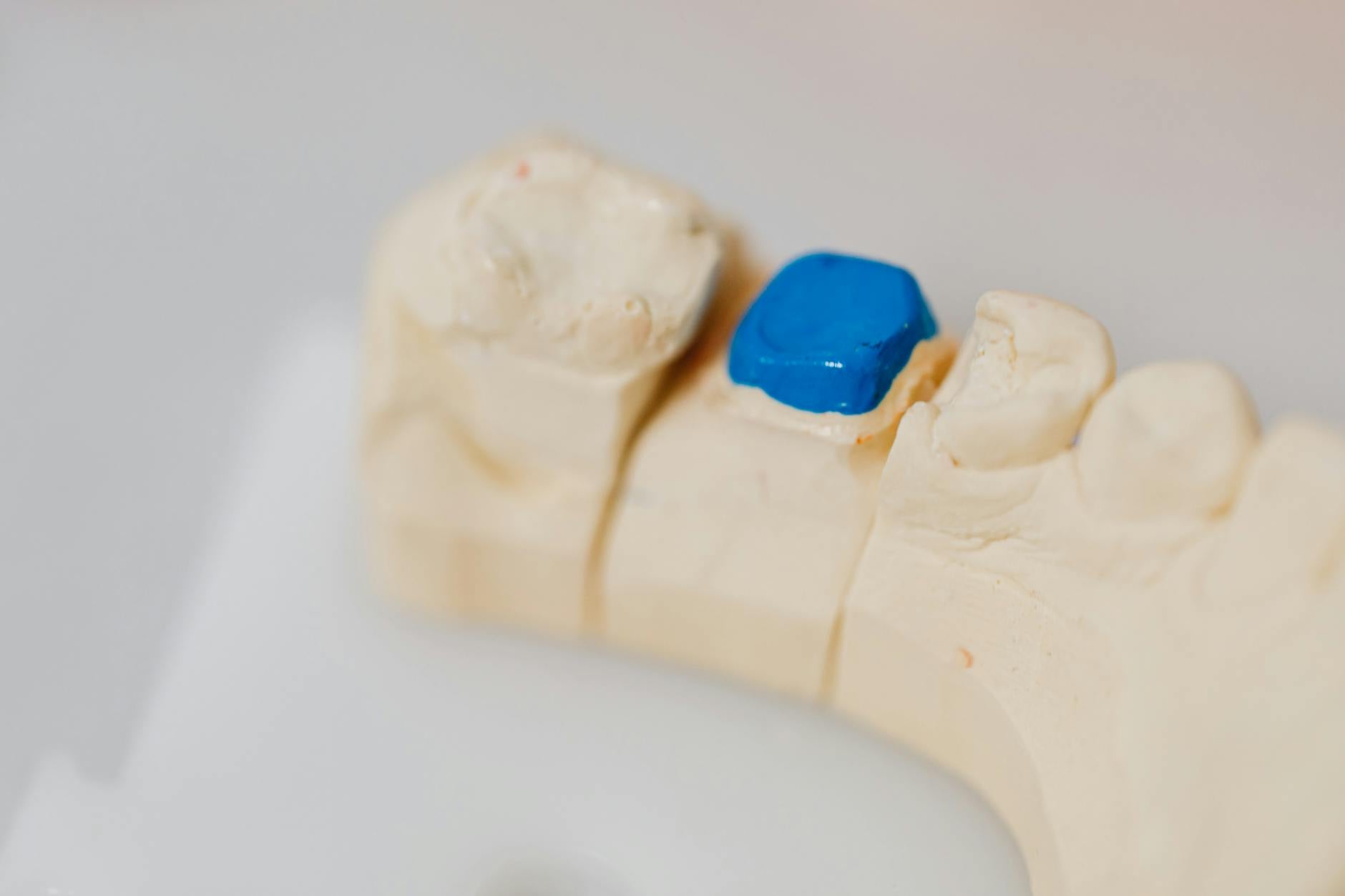
Most dental bridge cases are malpractice claims against the dentist or dental practice, not product liability claims against the bridge manufacturer. This matters because it changes what you must prove and who you can sue. In a malpractice claim, you need to demonstrate that the dentist failed to meet the standard of care expected in the profession. In a product liability claim, you must show the bridge itself was defectively designed or manufactured. The supporting teeth also create complexity.
If a bridge is poorly fitted or improperly anchored, it can damage or fracture the teeth that support it. When this happens, the patient may need not only bridge replacement but also crown work or even root canals on the damaged supporting teeth. This cascading damage is often what makes dental bridge cases viable—the initial error creates multiple treatment needs that substantially increase costs and pain. A critical limitation exists in dental bridge litigation: the statute of limitations varies by state, typically ranging from two to three years from discovery of the injury. If you notice your bridge is fitted improperly but delay seeking a second opinion and filing a claim, you may lose your right to sue. Additionally, proving causation can be difficult if you delayed treatment after the initial problem appeared.
The Broader Dental Litigation Landscape and Recent Cases
Recent dental industry lawsuits reveal the evolving landscape of dental claims. In December 2025, a class-action lawsuit was filed against Delta Dental in U.S. District Court for the Southern District of New York, alleging the insurer misrepresented out-of-network coverage reimbursement rates. In May 2026, dentists filed separate class-action lawsuits against Delta Dental entities in California, Wisconsin, Michigan, and Massachusetts, expanding the litigation around insurance practices.
While these cases focus on insurance coverage rather than bridge quality, they highlight the dentistry industry’s litigation exposure. These broader dental industry lawsuits underscore that most contemporary dental litigation involves insurance disputes and systemic practices rather than individual bridge defects. However, the legal infrastructure that handles insurance cases also handles individual malpractice claims. Understanding the current state of dental litigation helps patients recognize that their bridge case is likely to be handled as an individual malpractice claim rather than a class action, which affects strategy and potential recovery.

Settlement Amounts and What to Expect in Compensation
Dental malpractice settlements vary widely depending on injury severity, required follow-up treatment, and state jurisdiction. The national average settlement in dental malpractice cases is $65,000, according to Medical Protective, the nation’s oldest dental malpractice insurance company. The Florida case involving bridge-related damage that required additional graft surgery settled for $24,000, somewhat below the national average—likely because the injury, while requiring additional treatment, did not result in permanent disability or extensive ongoing care.
Your settlement or judgment amount depends primarily on your actual damages: the cost of corrective treatment, any permanent injury, pain and suffering, and lost time. If your bridge failure required two follow-up procedures costing $3,000 each, plus $2,000 in pain management, your economic damages alone total $8,000. Adding pain and suffering multipliers typical in malpractice cases could increase the settlement range significantly. However, states differ substantially in how they calculate pain and suffering—some cap non-economic damages, while others allow juries more discretion.
📨 Get Free Mass Tort Guides Alerts
Free · No spam · Unsubscribe anytime
Common Bridge Failures That Form the Basis of Malpractice Claims
Three primary categories of dentist negligence lead to bridge lawsuits. First, bridges that are poorly measured or fitted from the start—where the dentist did not achieve proper contact points, failed to ensure adequate stabilization, or created a bridge that was too tight or too loose. These immediate fitting problems often become apparent within weeks or months when the patient reports discomfort or the bridge repeatedly loosens. Second, dentist negligence that damages or fractures the supporting teeth. This can occur when the dentist anchors the bridge improperly, applies excessive force during installation, or fails to consider the structural integrity of the teeth that will support the bridge.
A patient with weakened supporting teeth due to prior decay or root canal treatment may need special consideration, but some dentists fail to assess these vulnerabilities before proceeding with bridge installation. Third, failure to properly assess pre-existing or bridge-induced decay on supporting teeth. The teeth that anchor a bridge are at higher risk for decay because they are more difficult to clean beneath the bridge structure. A dentist who installs a bridge without adequately preparing the supporting teeth or without documenting their condition may miss early decay that later becomes severe. This negligence is especially actionable if the decay was preventable with proper preparation or if the dentist should have identified it before installation.

Proving Negligence in a Dental Bridge Case
Successfully pursuing a dental bridge malpractice claim requires expert testimony. You must hire a dentist—typically one who is not from your original dentist’s practice area or professional circle—to review your records and testify that the original dentist’s work fell below the standard of care. This expert must explain specifically how the dentist deviated from proper procedure, why that deviation was negligent, and how it caused your injury.
Documentation is essential. Your original dental records, radiographs, impressions, and photographs of the bridge before and after failure all support your claim. Records from subsequent dentists who corrected the problem provide independent evidence of the original error. If the correcting dentist documented the original poor fit or identified a defect that should have been caught, that documentation strengthens your case substantially.
The Future of Dental Bridge Litigation and What Patients Should Know
Most dental bridge disputes will remain individual malpractice claims rather than class actions. The dental industry, unlike pharmaceutical or medical device companies, does not typically face mass-defect litigation because bridges are custom-made for each patient rather than manufactured in batches. This means your recourse is through individual malpractice litigation, not joining a class action.
However, the recent wave of class actions against dental insurance companies suggests that future litigation may expand to cover insurance-related issues that indirectly affect bridge patients’ access to coverage and reimbursement. For patients considering a claim, the path is clear: consult with a dental malpractice attorney within your state’s statute of limitations, obtain expert review of your records, and document all subsequent treatment and costs. The $65,000 average settlement reflects the realistic recovery in dental cases—significant enough to justify pursuing a legitimate claim, but not life-changing. Your strongest claims involve bridges that fail early, require multiple corrective procedures, or caused damage to supporting teeth.
Conclusion
Dental bridge lawsuits are primarily malpractice claims against dentists rather than product class actions. They arise from errors in measuring, fitting, or installing bridges or from failure to assess supporting tooth condition. While not as high-profile as insurance coverage class actions or drug defect cases, dental bridge malpractice claims are viable when a dentist’s negligence causes demonstrable injury and requires additional treatment.
If you believe your dental bridge was improperly fitted or caused secondary damage, document all associated costs, obtain records from all dentists involved, and consult with a dental malpractice attorney in your state. Act quickly—most states impose a two to three-year statute of limitations from discovery of the injury. Your claim should focus on the specific deviation from standard care, the expert testimony supporting that deviation, and the measurable damages you incurred.