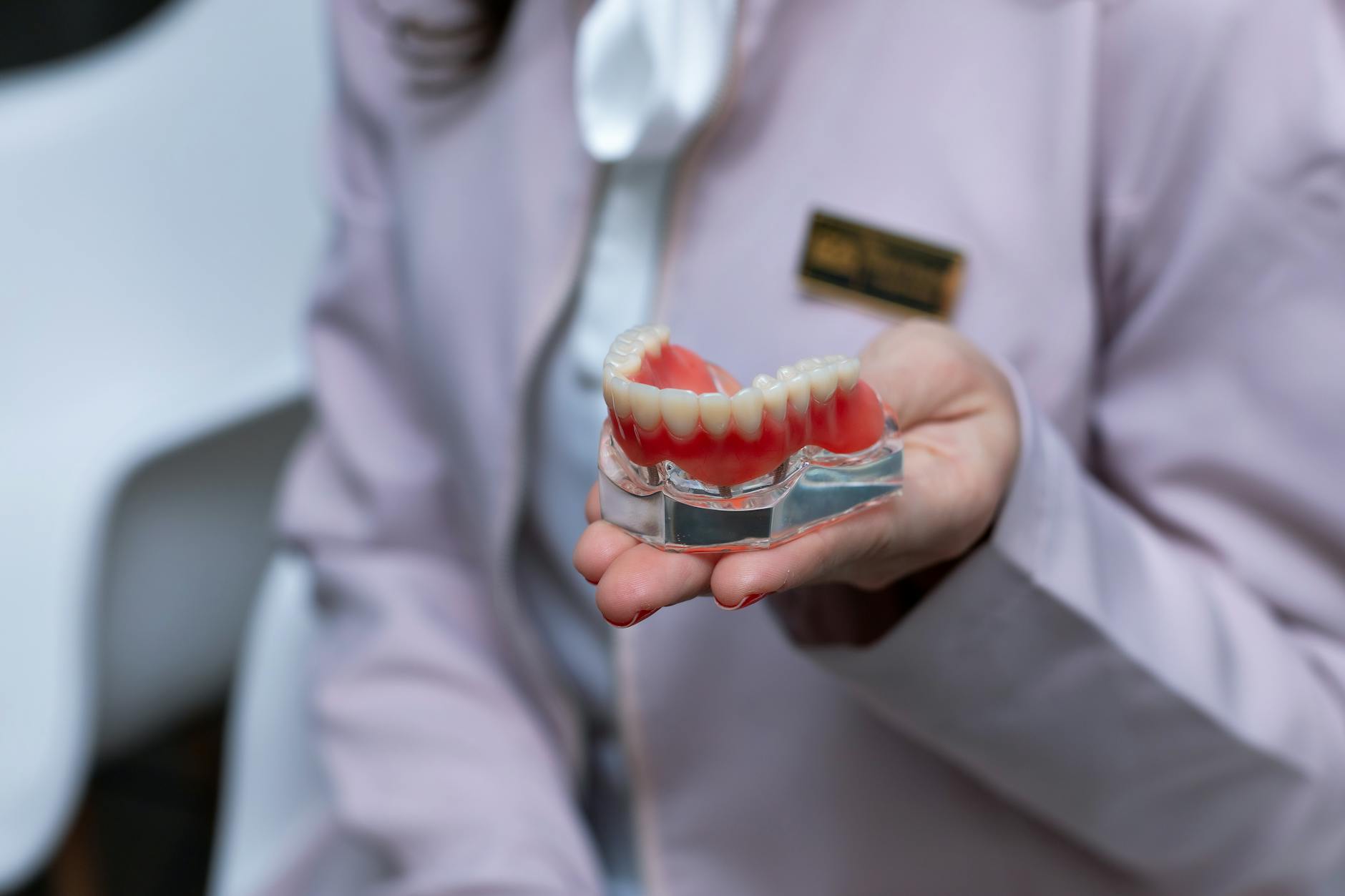
A denture malpractice lawsuit is a legal claim alleging that a dentist or dental facility failed to meet the standard of care when providing denture or implant-related treatment, resulting in injury or harm to the patient. These lawsuits typically arise when a dental professional performs extractions improperly, places implants incorrectly, fails to assess a patient’s bone structure, or delivers dentures that cause chronic pain or dysfunction. A recent example is the April 2026 case filed by Linda M. Clouser against Aspen Dental and dentist Steven Yuan in Iowa, where she alleged that the dentist improperly extracted 13 upper teeth without adequate bone reduction for full denture implant placement, leaving her with sharp, uneven bone that caused significant pain.
Denture malpractice cases are among the most common types of dental negligence claims. According to dental malpractice data, prosthodontics—the dental specialty that handles dentures and prosthetics—accounts for 31% of all dental malpractice cases reported annually, second only to oral surgery at 24%. With an average of 39.9 cases of dental negligence reported per 1,000 dentists each year, and approximately 1 in 5 dentists facing at least one malpractice lawsuit during their career, denture malpractice remains a significant issue in the dental industry. Patients who have suffered complications from faulty denture work have recovered settlements averaging around $65,000, though verdicts can reach significantly higher amounts.
Table of Contents
- What Constitutes Denture Malpractice and Common Claims?
- Standards of Care and Common Causes of Denture Malpractice
- Recent Denture Malpractice Lawsuits and Case Examples
- Establishing Liability and Pursuing Denture Malpractice Claims
- Financial Settlements and Verdicts in Dental Malpractice Cases
- Affordable Dentures and Multi-State Litigation
- Prevention and the Future of Denture Malpractice Claims
- Conclusion
What Constitutes Denture Malpractice and Common Claims?
Denture malpractice occurs when a dentist breaches the standard of care expected in the dental profession, causing harm to the patient. The most common claims in dental malpractice cases include incorrect treatment (88% of cases), incomplete treatment (33%), and misdiagnosis (32%). These percentages often overlap, as a single case may involve multiple breaches. For denture-specific cases, this might mean failing to properly prepare the mouth for dentures, extracting teeth without following proper protocols, or fitting dentures that do not align correctly with the patient’s remaining bone structure.
The standard of care in denture work requires dentists to carefully assess the patient’s bone structure, perform extractions with techniques that preserve as much bone as possible, and ensure proper healing before final denture placement. Failure to do any of these steps can result in complications ranging from chronic pain to functional impairment. In the Iowa case mentioned earlier, the dentist allegedly skipped the critical step of bone reduction, a procedure designed to smooth and contour the bone after tooth extraction. This oversight left the patient with sharp bone edges and poor denture fit, violations of accepted dental standards.

Standards of Care and Common Causes of Denture Malpractice
The dental profession has established clear standards of care for denture treatment, yet many cases involve deviations from these standards. Key standards include conducting a thorough pre-treatment assessment, taking accurate impressions, performing extractions using techniques that minimize bone loss, allowing proper healing time, and ensuring final dentures fit comfortably and function properly. When dentists fail to follow these steps, patients can suffer significant consequences.
Common causes of denture malpractice include improper tooth extraction, failure to assess bone structure adequately, and poor implant placement. A limitation in pursuing these cases is that patients must prove the dentist acted negligently and that this negligence directly caused their injury—simple dissatisfaction with the outcome or a poor fit is not enough for a successful claim. The patient must demonstrate that the dentist failed to follow accepted professional standards and that a competent dentist would have acted differently. Additionally, some states have damage caps or require pre-suit screening, which can complicate the process of bringing a claim.
Recent Denture Malpractice Lawsuits and Case Examples
The year 2026 has seen several high-profile denture and implant malpractice cases filed. In January 2026, Yang McClure filed suit in Marion County, Florida against Ocala Dental Care, alleging that the dental practice improperly positioned dental implants and failed to properly assess the patient’s bone structure before placing them. This case illustrates how even implant-related procedures, which are often considered more advanced than traditional dentures, can result in malpractice claims when proper assessment and technique are not followed. The Iowa case is similarly instructive.
Linda M. Clouser’s lawsuit against Aspen Dental and dentist Steven Yuan, filed on April 10, 2026, alleges that the dentist extracted 13 upper teeth without performing adequate bone reduction—a crucial step for patients receiving full denture implants. The failure to properly prepare the bone left the patient with painful, sharp bone protrusions that made wearing dentures difficult or impossible. These recent cases underscore how even single procedural errors can lead to significant patient harm and subsequent litigation. Both cases highlight the importance of thorough pre-operative planning and adherence to established treatment protocols.
Establishing Liability and Pursuing Denture Malpractice Claims
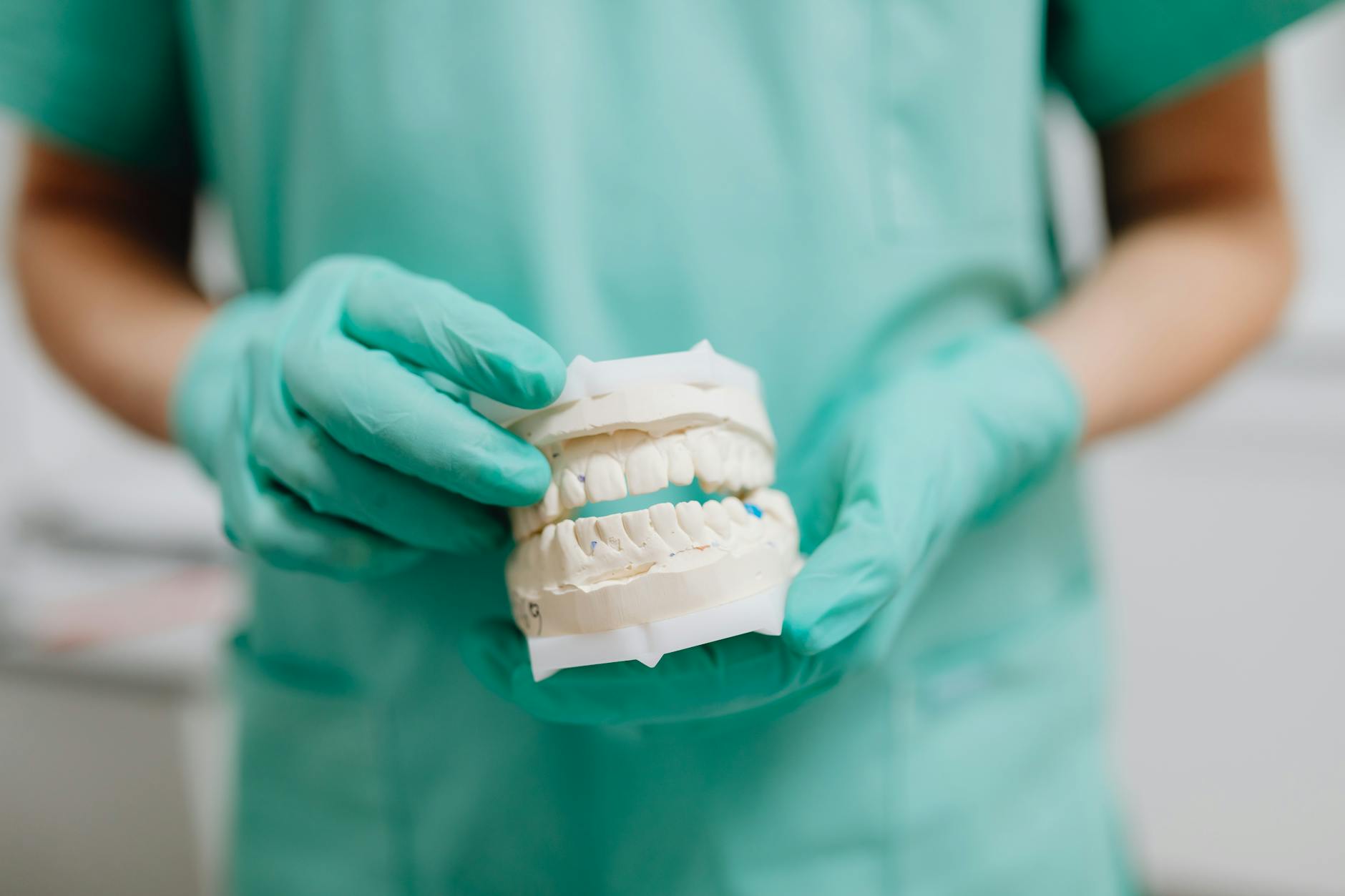
Establishing liability in a denture malpractice case requires demonstrating four key elements: that a dentist-patient relationship existed, that the dentist breached the standard of care, that the patient suffered damages, and that the breach caused those damages. Expert testimony is typically required to establish what the standard of care should have been and whether the defendant dentist deviated from it. A dentist cannot simply claim they did their best; they must have acted in a manner consistent with what other competent dentists would do in the same situation.
The comparison between implant cases and traditional denture cases can affect liability determinations. Implant cases may involve higher standards of care due to their complexity and invasive nature, but they also carry greater risks if something goes wrong. Patients should be aware that bringing a malpractice claim requires working with an attorney experienced in dental law and obtaining a detailed review by an independent dental expert. The process can take considerable time, as dental malpractice cases often require extensive documentation review, expert reports, and sometimes depositions before settlement negotiations begin.
📨 Get Free Mass Tort Guides Alerts
Free · No spam · Unsubscribe anytime
Financial Settlements and Verdicts in Dental Malpractice Cases
Denture and dental malpractice settlements and verdicts vary widely depending on the severity of injury, the permanence of damage, and the quality of evidence. According to malpractice data, the average settlement in dental malpractice cases is approximately $65,000, though many cases settle for less and some for considerably more. In 2021, dental malpractice payouts across the United States totaled $125 million, demonstrating the substantial financial impact of these claims. A notable example is the $500,000 jury verdict awarded in a dental malpractice case against a Carmel dentist, showing that significant compensation is possible when cases go to trial and juries determine the defendant acted with clear negligence.
It is important to understand that settlements and verdicts depend heavily on the specific circumstances of each case. Factors that influence compensation include the cost of corrective treatment, lost wages, pain and suffering, and any permanent functional impairment. A warning for patients: settling a case quickly without a thorough evaluation of all treatment needs may result in insufficient compensation if additional corrections are needed later. Conversely, a verdict from a jury trial carries both the advantage of potentially higher awards and the disadvantage of uncertainty—juries do not always side with the plaintiff, and trial outcomes can be unpredictable.

Affordable Dentures and Multi-State Litigation
Affordable Dentures and Implants, a large national chain with locations in multiple states, has faced numerous individual and class action lawsuits alleging defective implant procedures and deceptive billing practices. These multi-state claims, which span Texas, Florida, North Carolina, Ohio, and Georgia, allege that the company and its affiliated dentists performed implant procedures that failed to meet professional standards, resulting in patient injury. The litigation targeting Affordable Dentures highlights how systemic issues at larger dental companies can affect numerous patients across different jurisdictions.
These class action and individual lawsuits against Affordable Dentures demonstrate that malpractice can occur at corporate dental chains as well as independent practices. Patients who received treatment at multiple Affordable Dentures locations may be part of the same litigation if they suffered similar injuries, which can streamline the claims process. However, pursuing a claim against a large company may also involve more complex legal procedures and corporate defenses than pursuing a claim against an individual dentist.
Prevention and the Future of Denture Malpractice Claims
As dental technology advances and patient awareness grows, the landscape of denture malpractice litigation may shift. Digital imaging and computer-aided design are increasingly used in denture planning, which can improve precision but also create new standards of care that dentists must meet. Dentists who fail to adopt these technologies or who use them incorrectly may face claims that they fell below the current standard of care.
Additionally, as more patients seek implant-based solutions rather than traditional dentures, the mix of malpractice claims may evolve to focus more heavily on implant-related errors. Looking forward, patients can protect themselves by seeking detailed explanations of treatment plans, requesting second opinions for major procedures like extractions and implants, and choosing dentists with strong track records and appropriate insurance coverage. The trend of increased litigation against large dental chains suggests that corporate accountability may continue to be a focus area for plaintiffs’ attorneys.
Conclusion
Denture malpractice lawsuits arise when dentists fail to meet the established standard of care in procedures ranging from tooth extraction to implant placement and denture fitting. With prosthodontics accounting for 31% of all dental malpractice claims and the average settlement reaching $65,000, these cases represent a significant portion of dental negligence litigation. Recent cases like those filed in Iowa and Florida demonstrate that malpractice can result from specific procedural errors, such as improper bone reduction or inadequate assessment of bone structure, and that patients have legal recourse when they are harmed.
If you believe you have been injured due to denture malpractice, consulting with an attorney experienced in dental law is an essential first step. An attorney can review your case, obtain an expert dental opinion, and help you understand whether you have grounds for a claim and what compensation may be available. Time limits known as statutes of limitations apply to malpractice claims, so waiting too long to consult an attorney could result in losing your right to sue.