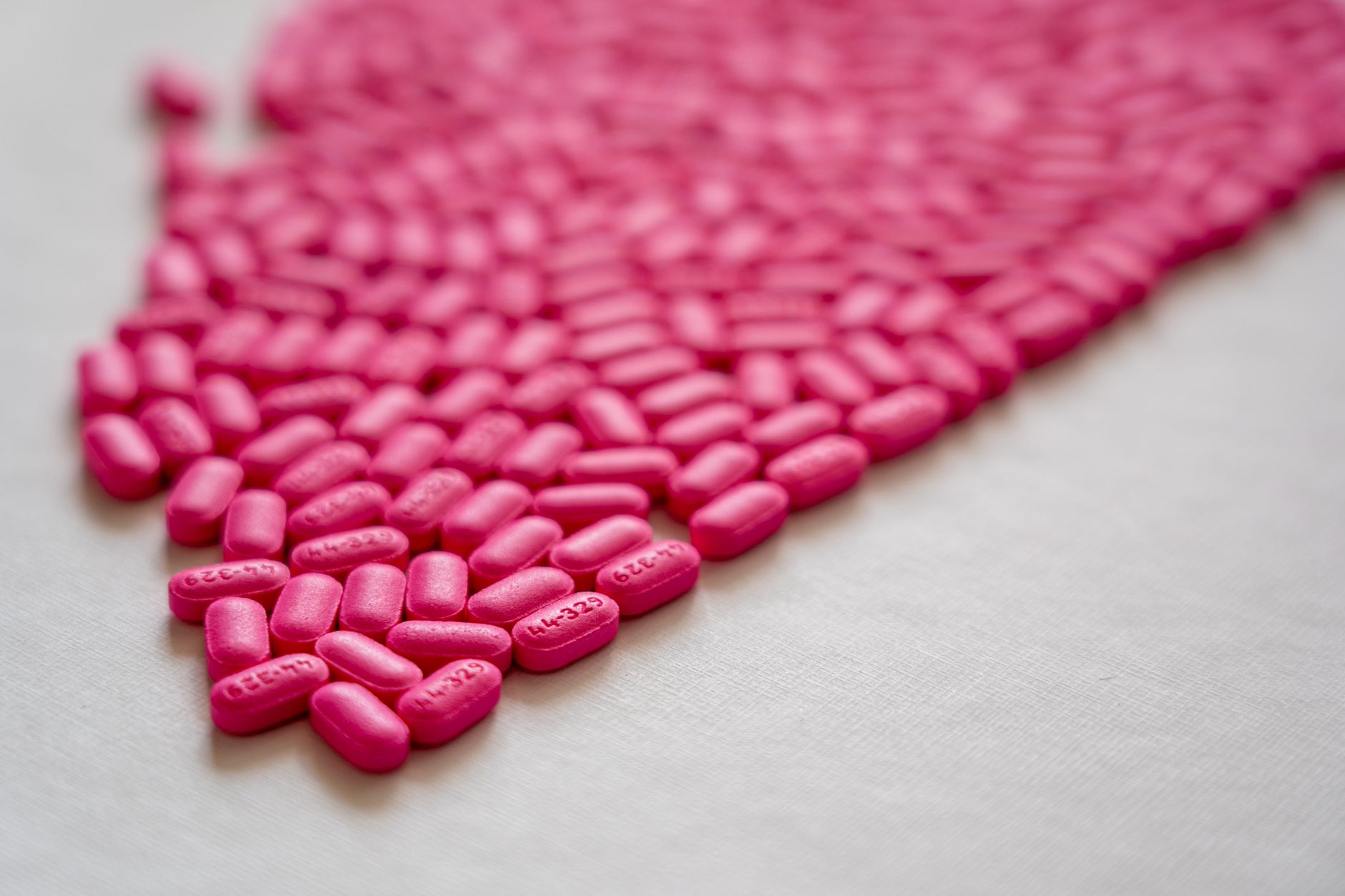
A $1.9 million settlement has been reached to resolve claims that Vivimed Losartan, a blood pressure medication manufactured at Vivimed’s plant in Chennai, India, was contaminated with cancer-linked impurities. The settlement addresses economic losses for consumers and entities who purchased the contaminated drug between January 1, 2016 and the present. This represents the company’s financial resolution for a product that contained trace amounts of N-methylnitrosobutric acid (NMBA) and other probable carcinogens including NDMA and NDEA—substances that triggered recalls and widespread concern among patients taking the medication as a routine part of managing hypertension.
Vivimed Losartan joins two other major blood pressure drug settlements as part of a larger $15.26 million combined settlement fund addressing contaminated ARB medications. The Vivimed portion ($1.9 million) is substantially smaller than the Hetero Valsartan settlement ($11.37 million) and Aurobindo Irbesartan settlement ($2 million), reflecting differences in the scope of contamination and number of affected claimants. Unlike personal injury lawsuits that require proof of actual health harm, this settlement covers only economic loss claims—the overpayment consumers made when they purchased a contaminated product without knowing it contained carcinogenic impurities.
Table of Contents
- What Was the Vivimed Losartan Contamination and Why Did It Matter?
- Settlement Amount and Combined Fund Structure
- Who Is Eligible and Coverage Period
- Claim Deadlines and Filing Process
- What This Settlement Does NOT Cover
- Context Within Broader Medication Contamination Litigation
- Documentation Requirements and Practical Filing Considerations
- Frequently Asked Questions
What Was the Vivimed Losartan Contamination and Why Did It Matter?
The contamination discovered in Vivimed Losartan involved trace amounts of N-methylnitrosobutric acid (NMBA), a nitrosamine compound classified as a probable human carcinogen. The drug also contained NDMA (N-nitrosodimethylamine) and NDEA (N-nitrosodiethylamine), which are similarly classified as probable carcinogens. These impurities were not intentional ingredients but instead resulted from manufacturing processes at Vivimed’s Chennai facility. The discovery prompted a recall spanning 19 lots of the medication and raised serious questions about quality control in the production of a medication that millions of patients depend on for daily use.
blood pressure medications like losartan are among the most commonly prescribed drugs in the United States, with patients taking them continuously over years or decades to manage hypertension. When contamination occurs in such widely used medications, the scope of potential exposure is enormous. A patient who took a contaminated batch for months or years without knowing the drug contained probable carcinogens faced an involuntary health risk they had no ability to assess or avoid. The impurities in question are the same type of nitrosamine contamination that has triggered recalls and investigations across multiple medication manufacturers in recent years, establishing a clear pattern of manufacturing control issues in drug production facilities.
Settlement Amount and Combined Fund Structure
The $1.9 million allocated to Vivimed Losartan claimants sits within a larger $15.26 million combined settlement announced for contaminated blood pressure medications. This tiered structure reflects the separate manufacturing and contamination histories of each drug. The Hetero Valsartan settlement comprises the largest portion at $11.37 million, while the aurobindo Irbesartan settlement adds $2 million to the pool. These separate allocations exist because each manufacturer faces distinct liability exposure, different numbers of affected patients, and varied geographic distribution of contaminated product sales.
A critical limitation of these settlement amounts is that they cover economic loss only—the difference between what consumers paid for the contaminated medication and its actual value once contamination was discovered. This is fundamentally different from personal injury settlements, which compensate individuals for actual diagnosed health conditions linked to the contaminated product. If someone took contaminated Vivimed Losartan and later developed cancer, they cannot recover damages for that injury through this economic loss settlement. Instead, they would need to pursue a separate personal injury claim with medical evidence linking their condition to the specific contamination, a burden of proof that is significantly higher and exists outside this class action settlement framework.
Who Is Eligible and Coverage Period
The settlement covers two distinct categories of eligible claimants: individual consumers who purchased Vivimed Losartan and entities such as insurers or pharmacies that paid for retail purchases. The coverage period spans medications purchased between January 1, 2016 and the present, creating a ten-year window for claims. This extended timeframe reflects how long counterfeit or contaminated medications can remain in circulation and in patients’ medicine cabinets before contamination is discovered and recalls are issued.
For individual consumers, the key requirement is demonstrating that they purchased Vivimed Losartan during the coverage period and paid out-of-pocket for the medication. For pharmacy chains, insurance companies, or other business entities, the requirement is showing that they paid for retail purchases of the contaminated product. The settlement treats these two categories as equally valid claimants because both suffered financial loss—consumers lost money buying a defective product, and entities lost money when they paid for medication that later had to be recalled due to safety issues. Unlike some settlements that prioritize individual consumers over institutional buyers, this structure acknowledges that the economic harm exists regardless of who made the purchase.
Claim Deadlines and Filing Process
The claim deadline for the Vivimed Losartan settlement is June 2, 2026, a date that is critical for anyone who believes they qualify. This deadline is absolute—claims submitted after this date are barred from recovery regardless of their merits. For individuals who took the medication years ago and have since moved, changed pharmacies, or misplaced documentation of their purchase, this creates a practical challenge in gathering proof of purchase before the deadline passes.
Eligible claimants must submit documentation supporting their purchase, which typically includes pharmacy receipts, insurance claim records, or other proof showing they paid for Vivimed Losartan during the eligible period. The specific documentation required and the process for filing claims are detailed in settlement notices that were distributed to affected parties. Claimants should review these notices carefully, as different documentation may be required for individual consumers versus entities making claims. The filing process usually operates through a claims administrator website or mail-in submission, not directly through Vivimed or the settling parties, so identifying the correct submission method and administrator website is essential to ensure a claim is actually received and processed.
What This Settlement Does NOT Cover
This settlement explicitly covers economic loss claims only, which means it does not compensate for personal injuries, medical monitoring, medical expenses, or health conditions potentially linked to taking contaminated medication. If someone took Vivimed Losartan with NMBA, NDMA, or NDEA contamination and later developed cancer, kidney disease, or another serious illness, this settlement provides zero compensation for that injury. The patient would need to pursue a separate personal injury claim entirely, requiring medical evidence, expert testimony, and proof of causation—all of which are substantially more difficult to establish and outside the scope of this class action settlement.
The settlement also does not cover claims for non-economic damages such as emotional distress, fear of future illness, or the anxiety associated with taking a contaminated medication. Some patients experienced significant worry upon learning their blood pressure medication contained probable carcinogens, but that psychological harm is not compensable under an economic loss settlement. These limitations exist by design: this settlement resolves only the financial loss aspect of buying a defective product, not the broader category of harms that personal injury litigation addresses. Claimants dissatisfied with this framework have the right to opt out of the settlement and pursue individual litigation, but the burden of proof for personal injury claims is substantially higher and the legal costs are typically borne by the claimant.
📨 Get Free Mass Tort Guides Alerts
Free · No spam · Unsubscribe anytime
Context Within Broader Medication Contamination Litigation
The Vivimed Losartan settlement is part of a larger pattern of nitrosamine contamination in blood pressure medications that has affected multiple manufacturers in recent years. The combined $15.26 million fund addressing Vivimed, Hetero, and Aurobindo medications demonstrates that contamination issues have affected not just a single company but multiple suppliers in the drug manufacturing chain. This pattern emerged when regulatory agencies and pharmaceutical companies discovered that manufacturing processes at certain facilities—particularly overseas production plants—created conditions where nitrosamines could form during drug synthesis or storage.
The specific contamination found in Vivimed’s losartan batches parallels contamination issues identified in valsartan and irbesartan products from other manufacturers, all of which are ARB (angiotensin II receptor blocker) blood pressure medications with similar chemical structures and manufacturing processes. The fact that multiple manufacturers experienced similar contamination within a relatively short timeframe suggested systemic issues in how nitrosamine impurities form and persist in ARB drug manufacturing, rather than isolated quality control failures at individual companies. This context is important for claimants to understand because it frames the Vivimed settlement as part of a larger resolution of an industry-wide problem, not an isolated incident.
Documentation Requirements and Practical Filing Considerations
To successfully claim from the Vivimed Losartan settlement, claimants need to document their purchase with pharmacy receipts, insurance records showing the medication was filled, or other contemporaneous proof of purchase. For individuals who purchased the medication through insurance, checking with their insurance company’s online records or calling the pharmacy where prescriptions were filled is often the fastest way to obtain documentation. For those who paid cash at a pharmacy, retaining the original receipt is ideal, but pharmacy records can typically be requested even if the original receipt was discarded. Claimants should identify the specific lot numbers if possible, though this is not always required for all claims—the settlement covers defined lots of contaminated medication.
If a patient has the original medication bottle, the lot number appears on the label. For those who no longer have the bottle, pharmaceutical databases and pharmacy records often include lot number information for filled prescriptions. The claims administrator website or claim form instructions will specify exactly what documentation must be submitted. Submitting claims well before the June 2, 2026 deadline ensures there is time to gather documents, resolve any errors, and resubmit if necessary, rather than facing a rush to meet the deadline at the last moment.
Frequently Asked Questions
Who qualifies to claim money from the Vivimed Losartan settlement?
Individual consumers who purchased Vivimed Losartan between January 1, 2016 and the present, and entities like insurers or pharmacies that paid for retail purchases of the contaminated medication. Personal injury claimants are not eligible under this settlement.
What is the deadline to file a claim?
June 2, 2026. Claims submitted after this date are barred from recovery and cannot be reconsidered.
How much money will each claimant receive?
The $1.9 million settlement fund will be divided among all approved claimants. The exact per-claim amount depends on the number of valid claims received and the dollar amount each claimant spent on the contaminated medication.
Does this settlement cover health injuries from taking contaminated medication?
No. This settlement covers economic loss only—the money spent on the contaminated drug. Personal injury claims for cancer, kidney disease, or other conditions are not covered and must be pursued separately.
What documentation do I need to file a claim?
Proof of purchase, such as pharmacy receipts, insurance claim records, or pharmacy statements showing you purchased Vivimed Losartan during the eligible period. If you have the original bottle, the lot number on the label may also be useful.
What contamination was found in Vivimed Losartan?
The medication contained trace amounts of N-methylnitrosobutric acid (NMBA), NDMA (N-nitrosodimethylamine), and NDEA (N-nitrosodiethylamine)—all classified as probable human carcinogens.
You Might Also Like
- Aurobindo Blood Pressure Drug Settlement Resolves NDMA Contamination Claims
- GlaxoSmithKline Flu Shot Marketing Settlement Resolves Claims Over Vaccine Advertising
- Capital Health Data Breach Settlement Resolves Claims Over Hospital Cyberattack