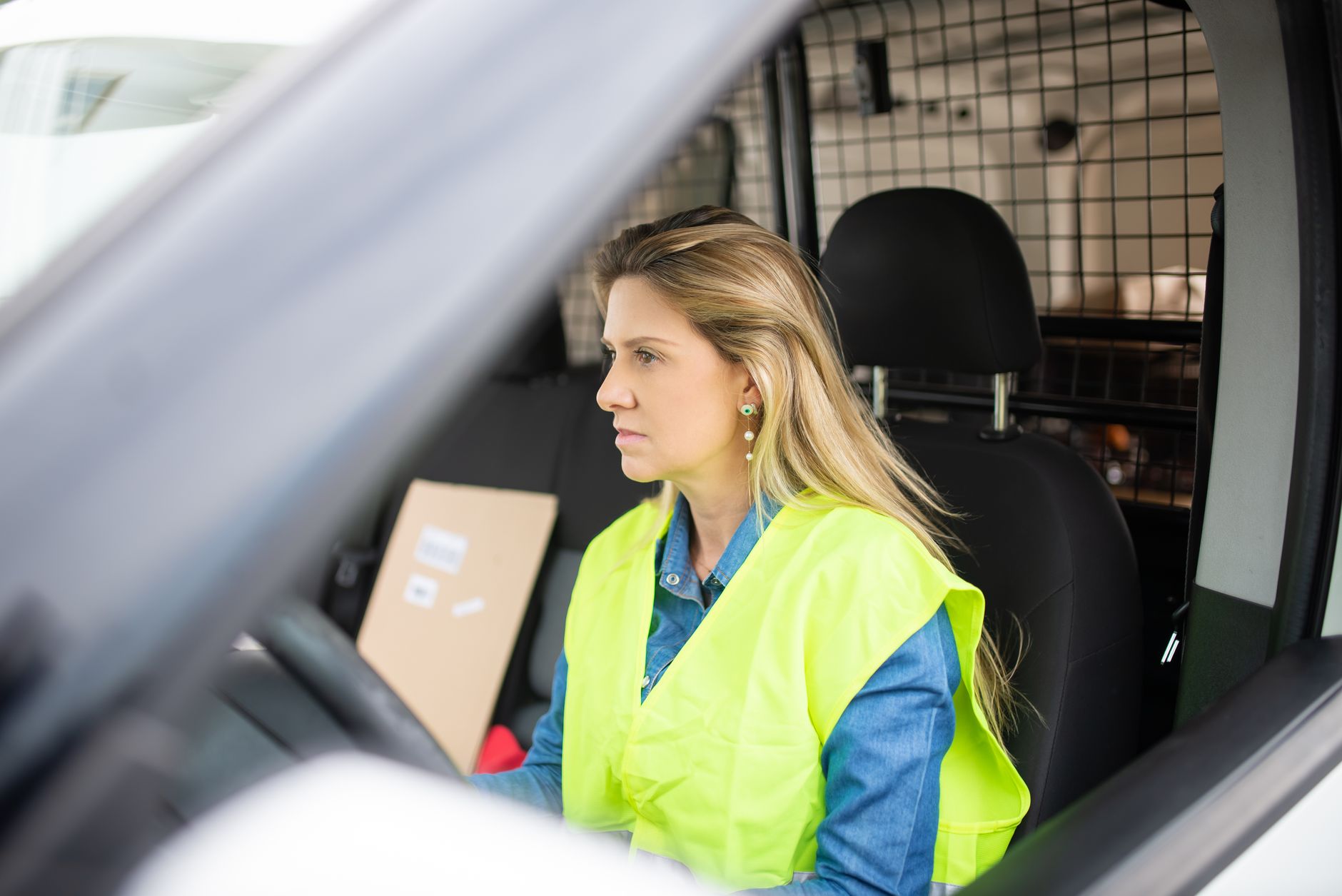
Grubhub has agreed to pay $24.75 million to settle a class action lawsuit brought by California delivery drivers who claim the company illegally misclassified them as independent contractors instead of employees. The settlement, approved by U.S. District Judge Jacqueline S. Corley on January 15, 2026, resolves litigation that began more than a decade ago in September 2015. The case, formally titled *Lawson et al. v.
Grubhub Holdings Inc. et al.* (Case No. 15-cv-05128 JSC), argued that Grubhub denied drivers fundamental labor protections by classifying them as contractors—a designation that meant they received no minimum wage guarantees, overtime compensation, or reimbursement for business expenses like vehicle maintenance and fuel. For example, a driver who regularly worked 40-hour weeks earned whatever income the platform generated without access to unemployment insurance or workers’ compensation if injured on the job. The settlement addresses claims spanning from December 2014 through March 2026, covering current and former Grubhub delivery drivers who completed at least one delivery within California during that period. This represents one of the largest payouts in California’s ongoing battle over gig worker classification, a legal question that has reshaped how companies like Uber, Lyft, and DoorDash classify their workforces. While $24.75 million may sound substantial, the actual amount each driver receives will vary based on how many miles they drove for the platform—a formula that means some drivers will receive the minimum $25 payout while others could receive substantially more.
Table of Contents
- What Does Misclassification Mean for Gig Workers?
- How Much Settlement Approval Represents
- Timeline and Eligibility Requirements
- How to File a Claim and What Payouts Look Like
- The Broader Gig Worker Classification Battle
- What the Settlement Does and Does Not Cover
- Case History and Judicial Precedent
What Does Misclassification Mean for Gig Workers?
Misclassification in the gig economy refers to companies treating workers as independent contractors when state labor law says they should be classified as employees. This distinction has enormous practical consequences. As employees, workers are entitled to minimum wage protections, overtime pay (typically time-and-a-half for hours over 40 per week), paid sick leave, workers’ compensation insurance, and reimbursement for necessary business expenses. As independent contractors, workers receive none of these protections.
Under California law, the “ABC test” determines worker classification: a worker is presumed to be an employee unless the company can prove (A) the worker operates free from the company’s control, (B) the worker performs work outside the company’s usual business, and (C) the worker independently operates a business of that type. Grubhub’s business model had drivers use the company’s app to accept delivery orders, follow the platform’s navigation and customer service standards, and comply with ratings systems that could affect their ability to receive future orders. According to the lawsuit, these controls suggested employment status rather than true independent contractor status. A driver working a Saturday evening might accept deliveries through Grubhub’s app for five hours, earn $60 in total pay, spend $12 on gas, and experience wear-and-tear on their vehicle worth perhaps $8—meaning their actual hourly earnings, after expenses, fell below minimum wage. As an employee, that same driver would have been guaranteed at least minimum wage for those five hours regardless of gas costs or vehicle depreciation.
How Much Settlement Approval Represents
The settlement amount of $24.75 million is large but not unprecedented in California labor disputes. To put it in context, this represents compensation to potentially hundreds of thousands of drivers. The actual amount depends on claim participation rates. If 100,000 drivers file valid claims and split the pool equally, each would receive approximately $247.50. However, the settlement structure ties individual payouts to miles driven, which means drivers who completed many deliveries could receive significantly more while those who drove less receive smaller amounts, down to the $25 floor.
judge Corley’s approval on January 15, 2026 came after reviewing the settlement’s fairness to the class. One limitation of settlements like this is that they often require drivers to affirmatively file a claim to receive payment—they don’t happen automatically. This is a critical distinction from some wage-theft cases where a company is ordered to pay all affected workers directly. Drivers who miss the June 18, 2026 claim deadline will forfeit their share entirely. Another consideration: the settlement explicitly covers only California drivers, not Grubhub workers in other states where misclassification laws differ. A driver who primarily worked deliveries in Nevada or Arizona during the same period would not be eligible, even if they occasionally delivered in California.
Timeline and Eligibility Requirements
The settlement has several hard deadlines that eligible drivers must observe. The claim filing deadline of June 18, 2026 is the most critical. Drivers must submit their claim before this date to be eligible for any payment; there is no grace period and no exceptions for missed notices. The final approval deadline of July 30, 2026 represents the court’s last step in the process, after which claim processing and payment distributions will begin.
This roughly one-month window between the claim deadline and final approval allows the settlement administrator to compile claims and prepare payment schedules. Eligibility is defined narrowly: a driver must have been current or former Grubhub driver who completed at least one paid delivery in California between December 1, 2014 and March 31, 2026. This means someone who tried Grubhub, completed a single delivery in California, and never used the app again is eligible. Conversely, a driver who delivered extensively in California but also worked in Nevada should be eligible for their California deliveries during the qualifying period, though apportioning miles between states may complicate claim processing. The December 2014 start date captures drivers from the earliest years of Grubhub’s California operations, while the March 2026 end date includes very recent drivers who joined the platform just before the settlement was finalized.
How to File a Claim and What Payouts Look Like
To receive settlement funds, drivers must actively file a claim rather than waiting for automatic payment. The settlement requires drivers to provide information about their delivery history with Grubhub, particularly the number of miles driven while delivering in California. Drivers should gather any documentation they have—email receipts from the Grubhub app, records of deliveries accepted, or screenshots showing earnings history. A driver who made 500 deliveries across two years and drove approximately 10,000 miles would typically receive more than the $25 minimum, though the exact amount depends on the total number of claims filed. If fewer drivers claim than anticipated, the per-mile payment rate increases; if more drivers claim than anticipated, individual payouts may be lower.
📨 Get Free Mass Tort Guides Alerts
Free · No spam · Unsubscribe anytime
The comparison to other gig worker settlements illustrates how these payments work. In some cases, companies have been ordered to pay employees back wages directly from payroll, yielding substantially larger per-worker amounts. This settlement, by contrast, is a fixed pool ($24.75 million) divided among verified claimants. That tradeoff means settlements offer faster, cheaper resolution compared to class members suing individually or awaiting a trial verdict. It also means companies can cap their financial exposure, which is often why companies prefer settling over litigating. However, settlement amounts are typically lower than what a jury might award, and individual driver recovery is often modest—typically in the hundreds rather than thousands of dollars.
The Broader Gig Worker Classification Battle
The Grubhub settlement is part of a larger legal and political struggle over gig worker classification that has defined platform labor for the past decade. California Proposition 22, passed by voters in 2020, explicitly carved out a narrow exception for app-based rideshare and delivery drivers from the ABC test, reclassifying them as neither employees nor traditional contractors but as “independent contractors” with some benefits. This ballot measure directly responded to earlier court rulings that had gone against companies like Uber and Lyft.
The Grubhub lawsuit, however, preceded Prop 22, and the misclassification period in question (2014-2026) overlapped years when Prop 22 did not yet exist, complicating the legal picture. A significant warning for drivers considering similar claims in the future: the gig economy landscape is shifting rapidly through legislation. Even as this settlement pays drivers for past misclassification, new workers hired by Grubhub after certain regulatory dates may have different legal status under Proposition 22 or other emerging state laws. This means a driver who quit Grubhub in 2023 might be eligible for this settlement covering their 2020-2023 work, but a driver hired by Grubhub after January 1, 2024 might face different classification rules altogether, depending on their state and the company’s operational structure.
What the Settlement Does and Does Not Cover
The settlement compensates drivers for misclassification and the resulting wage and expense reimbursement shortfalls during the class period. It does not retroactively convert past work into employee status or provide ongoing employment guarantees. The $24.75 million is a one-time payment, and Grubhub is not required by the settlement to change how it classifies drivers going forward. Some drivers who hoped the settlement would result in future employment benefits or reclassification may be disappointed.
Grubhub continues to classify new drivers as independent contractors, subject to the legal framework (including Proposition 22) that applies in their state. The settlement also does not include a cy pres award—a legal mechanism where unclaimed settlement funds are donated to a related charity or nonprofit. Instead, unclaimed money that remains after the claim deadline typically goes back to the settling defendant (Grubhub) or into a fund designated by the court. This is another reason the claim deadline is non-negotiable: drivers who fail to file by June 18, 2026 effectively forfeit their recovery to Grubhub’s benefit.
Case History and Judicial Precedent
The underlying lawsuit, *Lawson et al. v. Grubhub Holdings Inc.* (Case No. 15-cv-05128 JSC), was filed in September 2015, making it a legal case that has spanned more than a decade. This extended timeline reflects the complexity of class certification, discovery disputes, and settlement negotiations in large employment litigation. Multiple class periods and proposed subclasses were likely discussed during the litigation before settling on the December 2014 through March 2026 window.
Judge Jacqueline S. Corley’s approval of the settlement on January 15, 2026 followed her review of the settlement agreement, its fairness to class members, and the adequacy of the plaintiff’s counsel and class representatives. The case arises under California labor law, which has historically provided stronger protections to workers than many other states. The ABC test, codified in California Labor Code Section 2750.5 through the landmark Dynamex decision, presumes workers are employees unless companies meet all three criteria. This legal framework made California the primary battleground for misclassification lawsuits against gig platforms. Other states with weaker employee protections or explicit carve-outs for gig workers have seen fewer successful misclassification suits, demonstrating how state law variation shapes gig worker recovery opportunities.
You Might Also Like
- Equity Residential Rent Antitrust Settlement Resolves Claims Apartment Prices Were Inflated
- Trader Joe’s Receipt Settlement Claims Card Numbers Were Printed Improperly
- NextEra Nuclear Plant Wage Class Action Settlement Resolves Claims Worker Pay Was Suppressed