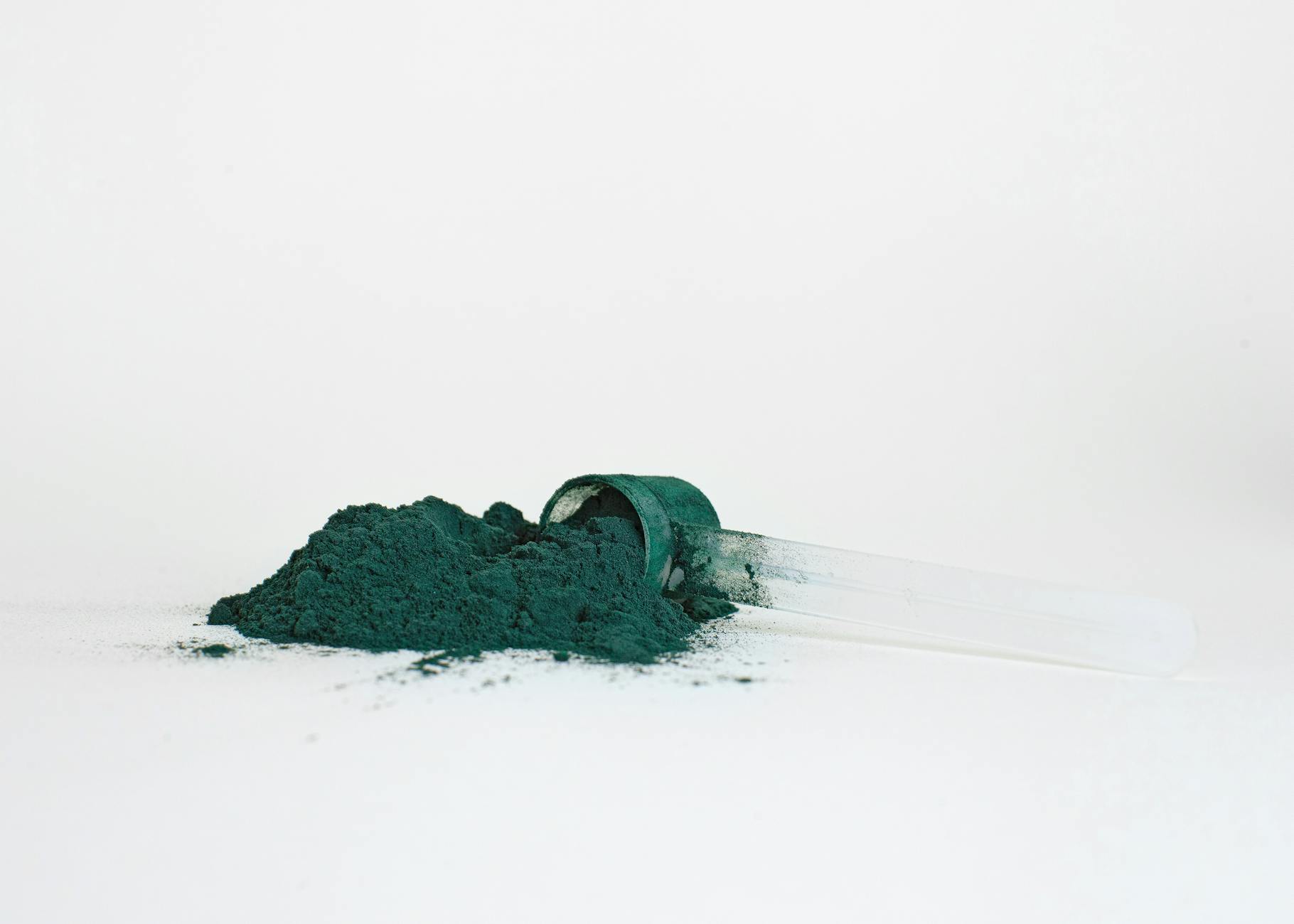
Protein powder contamination lawsuits are legal actions filed against supplement manufacturers whose products contain dangerous levels of heavy metals, primarily lead and cadmium, that exceed established safety standards. These lawsuits have accelerated dramatically following a Consumer Reports investigation in October 2025 that discovered more than two-thirds of tested protein supplements contained lead levels exceeding California’s daily safety limits—some products contained lead at levels 15 times higher than recommended. The litigation involves multiple major brands and has already resulted in at least one substantial settlement, with more cases pending against manufacturers for both heavy metal contamination and misleading protein content claims.
The contamination issue affects millions of consumers who rely on protein powders for fitness, weight management, and nutritional supplementation. Plant-based protein products have emerged as particularly problematic, with vegan formulations consistently showing higher lead and cadmium contamination than dairy or meat-derived alternatives. This distinction matters because plant-based protein powders have become increasingly popular, marketed as healthier and more sustainable options—yet they may pose greater heavy metal exposure risks to consumers who trust them for daily nutritional support.
Table of Contents
- What Does the Consumer Reports Study Reveal About Protein Powder Contamination?
- Heavy Metals in Plant-Based Protein Supplements: A Growing Concern
- Major Protein Powder Brands Under Legal Scrutiny
- How to Identify Potentially Contaminated Products
- Multiple Health Risks Beyond Lead Contamination
- The Premier Protein Settlement: What It Means for Consumers
- What’s Next for Protein Powder Safety Regulation?
- Conclusion
What Does the Consumer Reports Study Reveal About Protein Powder Contamination?
The October 2025 Consumer Reports investigation tested 23 protein powder and shake products and found alarming levels of heavy metal contamination across multiple brands. The study revealed that more than two-thirds of these products exceeded California’s daily safety limit for lead consumption of 0.5 micrograms. California’s lead standards, established based on toxicology research, are considered among the most stringent in the United States and serve as a reference point for consumer safety advocates assessing supplement quality. The findings indicate a widespread industry problem rather than isolated incidents affecting only a few manufacturers.
Plant-based protein supplements showed consistently higher contamination than their dairy and meat-based counterparts. This discovery contradicted consumer assumptions that plant-derived proteins would be purer or safer than animal-sourced alternatives. The contamination likely results from how plants absorb heavy metals from soil and water, a process that can concentrate toxins that would be diluted in animal protein sources. Manufacturers of plant-based products have faced particular scrutiny because many marketed these formulations as premium, health-conscious alternatives without disclosing heavy metal testing results.

Heavy Metals in Plant-Based Protein Supplements: A Growing Concern
Lead and cadmium are neurotoxins that accumulate in the body over time, causing damage at surprisingly low exposure levels. Chronic lead exposure affects cognitive development in children, reduces fertility in adults, and contributes to cardiovascular disease and kidney damage across all age groups. Cadmium, while less commonly discussed in popular media, is equally concerning—it accumulates in the kidneys and bones and is classified as a probable human carcinogen by major health organizations. A consumer taking a contaminated protein powder daily may exceed the federal government’s safe exposure limits within weeks.
The severity of contamination varies dramatically between products and even between batches of the same product. Some plant-based proteins tested contained lead at levels exceeding California’s safety limit by as much as 15-fold, meaning a single daily serving delivered more lead than health authorities recommend for a full week. This variability creates a hidden risk for consumers who assume all commercial supplements undergo equivalent safety testing. Manufacturers have not consistently disclosed heavy metal testing data, leaving consumers unable to make informed choices between products at retail shelves or online.
Major Protein Powder Brands Under Legal Scrutiny
Huel Black Edition Powder contains 6.3 micrograms of lead per serving—more than 12 times the recommended daily limit—along with 9.2 micrograms of cadmium per serving, exceeding levels that health authorities identify as potentially harmful. Despite marketing itself as a nutritionally complete meal replacement with clean ingredients, Huel’s products have become the subject of active litigation related to heavy metal exposure. The company’s lack of prominent lead and cadmium testing disclosures before the Consumer Reports study raised questions about quality control and ingredient sourcing practices.
Naked Nutrition Vegan Mass Gainer contained 7.7 micrograms of lead per serving—approximately 15 times California’s safety limit—prompting legal action for both false labeling and heavy metal contamination claims. OWYN (Only What You Need) Plant Protein Powder exceeded California’s maximum allowable dose level with 0.5976 micrograms of lead per serving. These cases remain active as of 2024-2025, with consumers and attorneys pursuing compensation for health risks and the cost of switching to safer alternatives. The lawsuits name multiple defendants and seek damages for medical monitoring, breach of warranty, and consumer fraud under state consumer protection laws.

How to Identify Potentially Contaminated Products
Consumers should request independent heavy metal testing data before purchasing protein powders, particularly plant-based formulations. Manufacturers who conduct third-party testing typically display certification badges on packaging or provide reports on their websites. The absence of testing data is itself a warning sign—reputable supplement companies, especially those marketing premium products at higher price points, generally invest in quality assurance testing that they actively promote. Comparing brands based on available testing results can help consumers choose safer options, though the lack of mandatory industry-wide testing means not all products have publicly available data.
Reading ingredient sourcing information can provide limited protection against contamination. Products listing organic plant sources are not inherently safer regarding heavy metal content, though some consumers assume organic certification prevents heavy metal exposure. In reality, heavy metals exist naturally in soil and water worldwide, and organic crops can accumulate them just as conventional crops do. Consumers switching to different protein powder brands should introduce changes gradually rather than immediately consuming large quantities of a new product, reducing short-term exposure if contamination is later discovered.
📨 Get Free Mass Tort Guides Alerts
Free · No spam · Unsubscribe anytime
Multiple Health Risks Beyond Lead Contamination
Some lawsuits target not only heavy metal contamination but also false protein content claims—a separate but equally important consumer protection issue. The Premier Protein case, which resulted in a $9 million class action settlement, alleged that the company labeled shakes as containing 30 grams of protein when independent testing found only 26.9 to 28.3 grams per serving. This false advertising affected consumers who selected the product specifically for its protein claim, potentially undermining fitness goals and justifying the higher price point consumers paid for alleged superior protein content.
The combination of heavy metal exposure and nutritional misrepresentation creates a two-part harm for consumers. Someone purchasing an expensive premium protein powder may not only face unexpected heavy metal exposure but may also receive less protein than the label promises. This context explains why lawsuits target both manufacturing safety failures and marketing failures, as consumers were misled on multiple dimensions. Regulatory agencies have struggled to address these issues rapidly, and litigation has become the primary mechanism for holding manufacturers accountable and compensating affected consumers.

The Premier Protein Settlement: What It Means for Consumers
The Premier Protein class action settlement, approved at $9 million, represents the first major court victory in protein powder contamination litigation. Consumers who purchased Premier Protein shakes may be entitled to compensation ranging from cash payouts to product replacement credits, depending on settlement terms and claim filing procedures. The settlement establishes a legal precedent that manufacturers can be held liable for protein content claims that do not match reality, even when the difference is measured in single-digit grams.
This settlement demonstrates that litigation strategy matters and that class action procedures exist specifically to address widespread consumer harm affecting millions of people. Individuals who cannot afford individual lawsuits benefit from class certification, which allows a single lawsuit to encompass all affected consumers across the country. The $9 million award, while substantial, represents only a fraction of the profits some protein powder manufacturers earned during the period when they sold mislabeled products, illustrating why additional litigation against other brands remains ongoing.
What’s Next for Protein Powder Safety Regulation?
The heavy metals in protein powders issue has attracted attention from state attorneys general and federal agencies, though regulatory response has lagged behind the rate of lawsuits. California has positioned itself as a leader in heavy metal testing standards, and other states may adopt similar requirements. However, no federal mandate currently requires protein powder manufacturers to test for or disclose lead and cadmium contamination, leaving compliance enforcement primarily to consumer litigation and state-level oversight.
Future regulation may include mandatory third-party testing, public disclosure of heavy metal levels on product labels, and stricter sourcing controls for plant-based ingredients. Manufacturers may also face pressure to reformulate products with lower-contamination ingredients or enhanced purification processes, even before mandatory regulations take effect. For consumers, the current environment reflects a transition period where litigation drives accountability ahead of formal regulation—choosing tested, transparent brands becomes particularly important until comprehensive standards emerge.
Conclusion
Protein powder contamination lawsuits address a documented public health problem: more than two-thirds of tested protein supplements exceed established lead safety limits, with plant-based products showing particularly high contamination levels. Major brands including Huel, Naked Nutrition, and OWYN face active litigation for heavy metal exposure, while Premier Protein’s $9 million settlement establishes precedent for manufacturer liability. Consumers currently have no federal mandate requiring manufacturers to test or disclose heavy metal content, placing the burden on individual diligence and litigation to drive accountability.
If you have purchased protein powders in recent years, particularly plant-based supplements, monitoring for health effects and researching available settlement programs may be worthwhile. Checking manufacturer testing reports, requesting heavy metal data before purchasing, and documenting your purchases can support potential claims. As regulatory standards evolve, future purchases can prioritize brands with transparent testing protocols and third-party certification—a practical step while the legal system continues processing pending contamination claims.