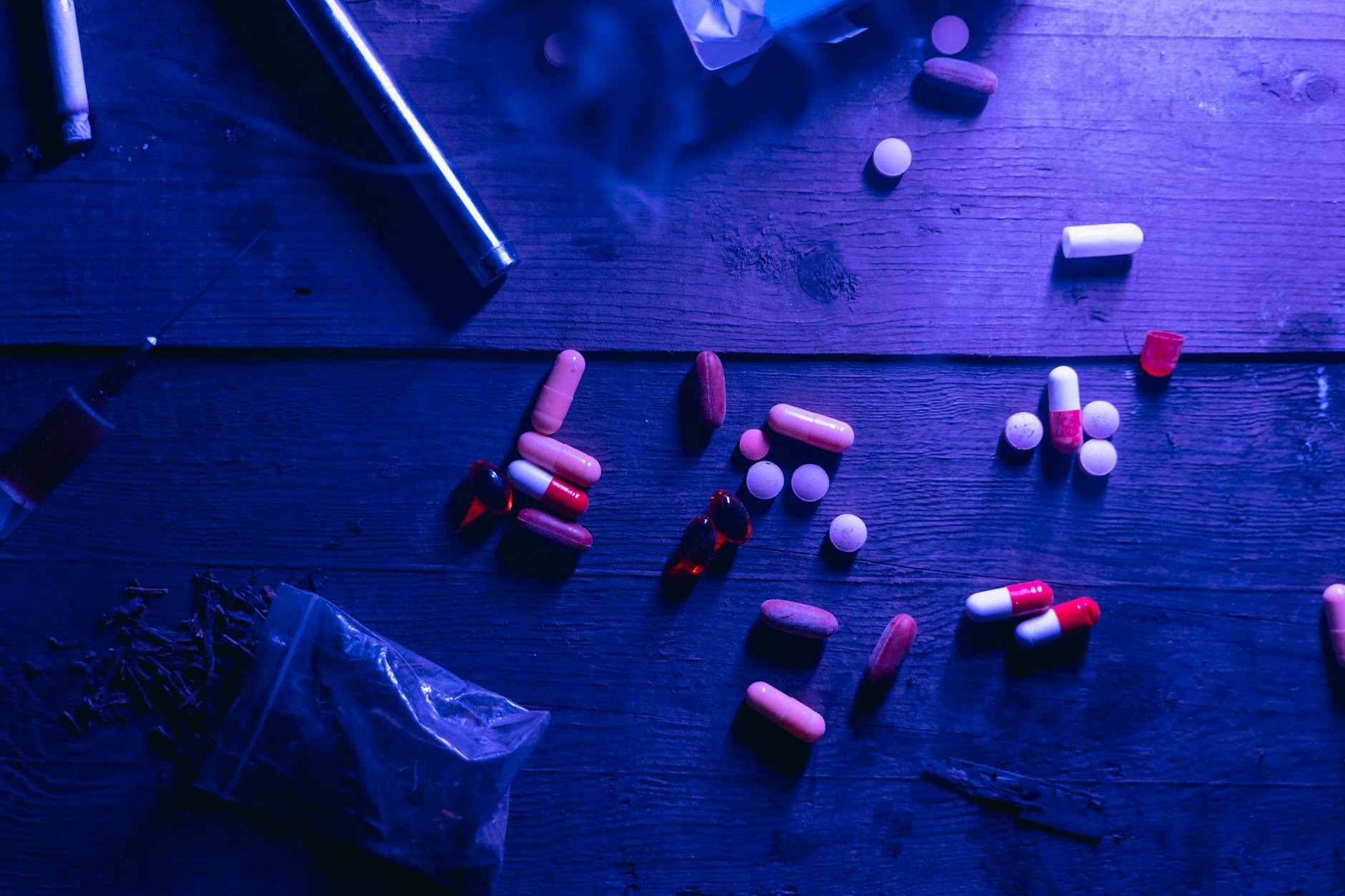
A drug contamination lawsuit is a legal claim against pharmaceutical manufacturers, distributors, or retailers when medications are found to contain harmful impurities or toxic substances that pose health risks to consumers. These lawsuits arise when drugs intended to treat medical conditions instead expose patients to carcinogens, heavy metals, bacterial contaminants, or other dangerous compounds. One prominent example involves blood pressure medications containing valsartan, losartan, and irbesartan, which were contaminated with NDMA, a probable human carcinogen. Patients who took these medications have filed thousands of claims seeking compensation for cancer, liver damage, and other serious health injuries caused by the contamination.
Drug contamination lawsuits typically involve thousands of injured patients filing claims through class action litigation or multidistrict litigation (MDL). These cases can take years to resolve, resulting in significant settlements paid by manufacturers. Recent settlements have reached hundreds of millions of dollars, reflecting both the severity of contamination and the widespread nature of the harm. Understanding how these lawsuits work, who may be eligible to claim, and what compensation looks like is critical for patients who took contaminated medications.
Table of Contents
- How Drug Contamination Occurs in Medications
- Major Drug Contamination Cases and Settlements
- The Valsartan Contamination Case—A Detailed Look
- Other Significant Drug Contamination Cases
- The Legal Process and Settlement Timeline
- How to Pursue a Drug Contamination Claim
- Current Status and Future Outlook
- Conclusion
How Drug Contamination Occurs in Medications
drug contamination happens through multiple pathways in the manufacturing process. Contamination can occur when pharmaceutical manufacturers use flawed production methods, fail to properly test raw materials, or employ inadequate quality control procedures. In some cases, manufacturers knowingly use substandard practices despite awareness of the risks.
For instance, the Quillivant XR ADHD medication case involved Pfizer and Tris Pharma knowingly providing adulterated medication with altered drug testing methods from 2012 to 2018—a clear example of deliberate negligence leading to patient exposure. Other contamination sources include contaminated active pharmaceutical ingredients (APIs) imported from overseas suppliers, equipment failures during manufacturing, and inadequate cleaning between batches. Bacterial contamination, chemical impurities, and toxic byproducts like NDMA can persist through the distribution chain, reaching patients without detection. The danger lies in the fact that contaminated drugs look identical to legitimate medications, making it impossible for patients to identify the problem without regulatory action or testing.
Major Drug Contamination Cases and Settlements
The blood pressure medication contamination case stands as one of the largest drug contamination litigation efforts in recent years. As of March 2026, 1,418 active lawsuits are pending in U.S. District Court, District of New Jersey, under Chief U.S. District Judge Renee M. Bumb.
Three manufacturers reached settlements totaling $15.2 million: Aurobindo contributed $2 million, Hetero contributed $11,365,489.80, and Vivimed contributed $1,899,000. While these figures may seem substantial, they represent compensation spread across thousands of claimants, typically resulting in individual payouts ranging from a few thousand to tens of thousands of dollars depending on injury severity. The Quillivant XR case demonstrates even larger settlement exposure. In 2026, the Texas Attorney General secured a $41.5 million settlement from Pfizer and Tris Pharma for providing adulterated ADHD medication to Texas residents and nationwide. This settlement reflects the seriousness of knowingly distributing contaminated drugs over a six-year period. For families of children who took the contaminated medication, such settlements provide some financial relief but cannot reverse any developmental or health impacts caused by the flawed drug.
The Valsartan Contamination Case—A Detailed Look
The valsartan contamination discovery in 2018 prompted one of the largest pharmaceutical recalls in recent history. Valsartan, losartan, and irbesartan are commonly prescribed blood pressure medications taken by millions of patients in the United States. Regulatory testing revealed these drugs contained NDMA, a probable human carcinogen also used in rocket fuel manufacturing. Patients who took these medications for months or years faced elevated cancer risk and potential liver damage, creating a significant public health concern.
The contamination originated from manufacturing facilities in India and China where suppliers produced flawed active pharmaceutical ingredients. Once the problem was discovered, the FDA issued recalls, and manufacturers faced immediate litigation. The litigation process has been lengthy—as of May 2026, the case remains active with settlement deadlines approaching. Claim submission deadlines are set for June 2, 2026, with a final approval hearing scheduled for June 30, 2026. For patients who took contaminated valsartan products, missing the claim deadline could mean losing the opportunity for compensation entirely.
Other Significant Drug Contamination Cases
Beyond blood pressure medications and Quillivant XR, contamination has affected numerous other medications. Robitussin, one of the most widely used over-the-counter cough medicines in America, was found to contain benzene contamination in batches sold to consumers. Benzene is a known carcinogen linked to leukemia and other blood cancers. Settlement negotiations in this case remain ongoing as of 2026, with potentially thousands of additional claimants eligible for compensation.
Children’s ibuprofen products from Strides Pharma demonstrate how contamination affects vulnerable populations. The company was forced to recall nearly 90,000 bottles of children’s ibuprofen due to contamination concerns. Parents who gave contaminated ibuprofen to their children now face uncertainty about potential long-term health effects. These cases highlight a critical weakness in pharmaceutical oversight: contamination is often discovered only after products reach patients, not before.
📨 Get Free Mass Tort Guides Alerts
Free · No spam · Unsubscribe anytime
The Legal Process and Settlement Timeline
Drug contamination lawsuits typically unfold over 1 to 3 years from initial filing to final settlement, depending on case complexity and injury severity. Class action cases consolidate claims from thousands of plaintiffs, streamlining the legal process compared to individual lawsuits. Multidistrict litigation (MDL) functions similarly, consolidating related cases before a single judge to avoid conflicting rulings and inconsistent outcomes. The valsartan case in New Jersey demonstrates how federal courts manage massive pharmaceutical contamination claims—with over 1,400 active lawsuits coordinated through one judge.
Settlement structures typically include two components: a global settlement fund divided among claimants and individual compensation based on injury classification. Severe injuries such as cancer diagnosis or significant liver damage receive higher payouts than cases involving minor health effects or exposure without illness. Claimants must submit detailed medical documentation proving they took the contaminated drug and suffered qualifying injuries. A limitation in many settlements is that compensation amounts decrease if claim numbers exceed projections, meaning each claimant receives less if more people file claims than anticipated.
How to Pursue a Drug Contamination Claim
If you believe you took a contaminated medication, gathering medical documentation is the first critical step. You will need proof of the medication purchase (pharmacy records, receipts, or insurance claims), medical records showing diagnosis dates and treatment, and documentation linking your injury to the contaminated drug. For the valsartan case, this means proving you took valsartan, losartan, or irbesartan during the contamination period and developed cancer or liver disease afterward.
Contacting a law firm experienced in pharmaceutical litigation is essential, particularly given strict claim deadlines. The June 2, 2026 deadline for valsartan claims represents a hard cutoff—claims submitted after that date will be rejected regardless of eligibility. Many pharmaceutical litigation attorneys work on contingency, meaning they collect fees only if you receive compensation. This structure allows injured patients without financial resources to pursue claims against large pharmaceutical companies.
Current Status and Future Outlook
As of May 2026, drug contamination litigation remains active across multiple medications and manufacturers. The valsartan case approaches its final phase with settlement approval imminent. However, investigative scrutiny of pharmaceutical manufacturing continues, and new contamination discoveries are likely to emerge.
Regulatory agencies have increased inspection frequency at manufacturing facilities, particularly overseas suppliers that have historically had lax oversight. The pharmaceutical industry faces mounting pressure to strengthen quality control and implement more rigorous testing before product distribution. Future contamination cases will likely result in larger settlements as regulators and courts recognize the pattern of inadequate manufacturer oversight. Patients harmed by contaminated medications should not delay in investigating their eligibility—claim windows close quickly, and evidence can become harder to obtain as time passes.
Conclusion
Drug contamination lawsuits represent a critical accountability mechanism when pharmaceutical manufacturers fail to ensure safe, uncontaminated medications reach patients. The combination of massive settlements, ongoing litigation, and regulatory enforcement demonstrates the serious consequences manufacturers face when contamination occurs. From the valsartan blood pressure medication case involving 1,418 active lawsuits to the $41.5 million Quillivant XR settlement, these cases affect tens of thousands of patients seeking compensation for preventable harm.
If you took a medication later found to be contaminated, time is critical. Claim deadlines are firm, medical documentation must be gathered, and legal representation from experienced pharmaceutical litigation attorneys is essential. The pharmaceutical contamination landscape will continue to evolve as regulatory agencies tighten oversight and manufacturers implement stronger quality controls—but for patients currently harmed by contaminated drugs, pursuing available settlements remains the most practical path to financial recovery.