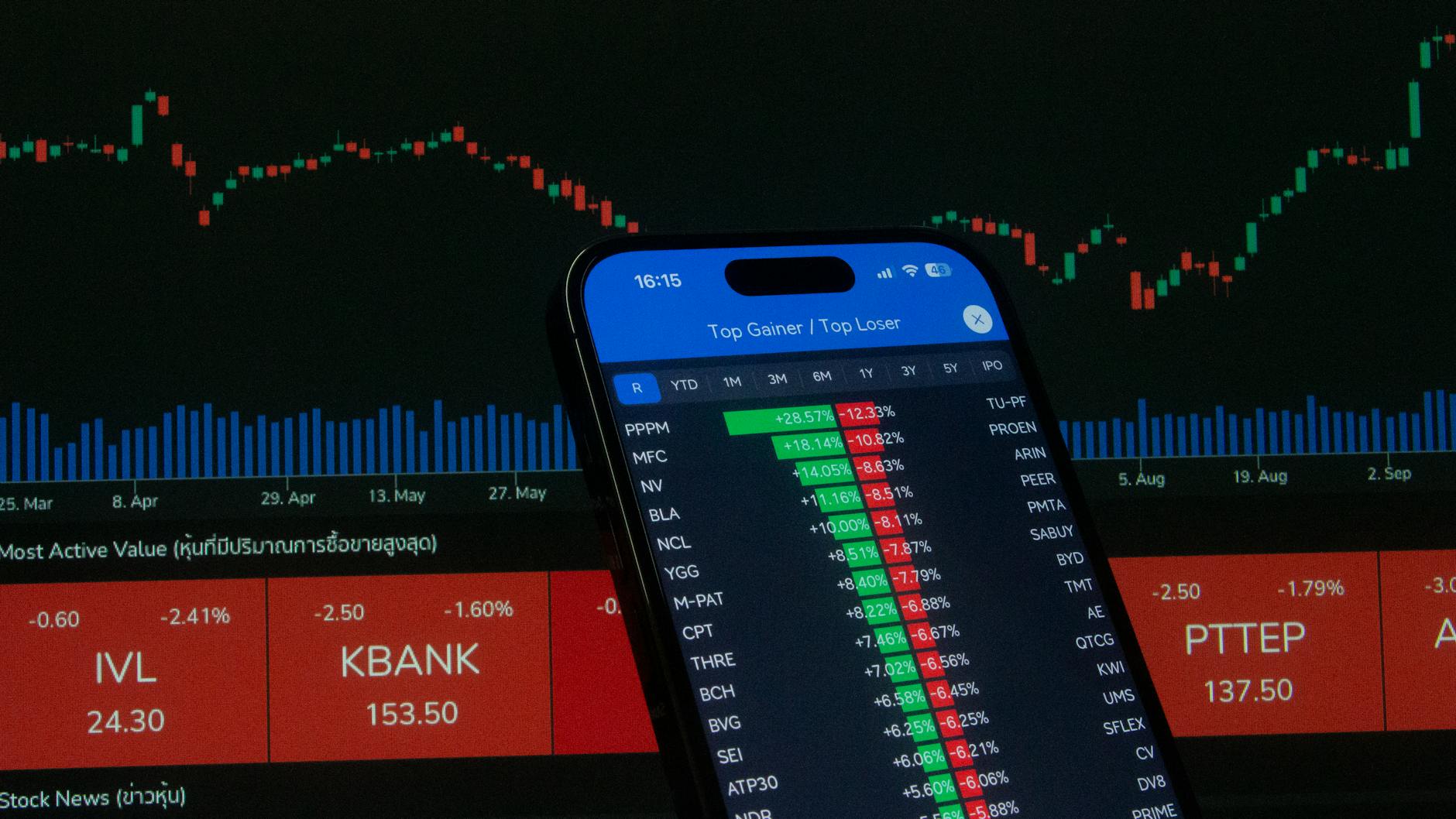
Meme stock manipulation lawsuits refer to class action litigation and securities fraud cases stemming from the 2021 trading restrictions and subsequent alleged market manipulation involving heavily shorted stocks like GameStop and AMC. These lawsuits have evolved to include cases against trading platforms that halted purchases, individual influencers accused of “pump and dump” schemes, and defendants charged with spoofing—creating fake buy or sell orders to manipulate prices. The most prominent example is the ongoing litigation against Robinhood, which restricted trading in meme stocks from January 28 to February 4, 2021, sparking over 30 class action lawsuits from investors who were locked out of buying positions during a pivotal market moment.
Meme stock manipulation claims exist on multiple fronts: regulatory violations by trading platforms, securities fraud by public figures who promoted stocks while secretly profiting, and criminal activity involving coordinated price manipulation schemes. As of May 2024, Robinhood was nearing settlement on its GameStop and meme stocks lawsuit, acknowledging the reputational and legal damage from the trading halt. These cases have exposed the gap between retail investor access and institutional control, while also revealing how social media can be weaponized for illegal market manipulation.
Table of Contents
- What Triggered the Meme Stock Litigation Wave?
- Why Antitrust Claims Are So Difficult to Prove
- Keith Gill and the Securities Fraud Against Influencers
- The Criminal Pump-and-Dump Scheme Prosecutions
- Spoofing and Naked Short Selling as Distinct Manipulation Tactics
- What Settlement Processes Look Like for Meme Stock Cases
- What These Lawsuits Mean for Market Structure and Retail Investing
- Conclusion
What Triggered the Meme Stock Litigation Wave?
The catalyst was robinhood‘s sudden trading restrictions in late January 2021 when GameStop’s stock skyrocketed. Retail traders coordinated online to challenge hedge funds heavily shorting the stock, but Robinhood, a commission-free brokerage, blocked new purchases of GameStop and other meme stocks, citing collateral and risk management requirements. This action infuriated investors who felt they were being silenced while institutions could trade freely. The restriction lasted from January 28 to February 4, 2021, but the legal fallout extended far beyond those dates.
Over 30 class action lawsuits were filed against Robinhood in the immediate aftermath, alleging breach of contract, unjust enrichment, and violations of securities law. Investors claimed Robinhood prevented them from executing trades during a time-sensitive market event, causing financial losses. However, the path to recovery proved complicated. In July 2024, the Eleventh Circuit affirmed dismissal of the antitrust meme stock lawsuit against Robinhood, finding insufficient evidence that the platform had engaged in illegal conspiracy to restrict trading. This ruling didn’t resolve all cases, but it did narrow the legal theories available to plaintiffs and demonstrated how difficult it is to prove antitrust violations in brokerage decisions.
Why Antitrust Claims Are So Difficult to Prove
Robinhood’s legal defense centered on the argument that clearing houses and prime brokers set capital requirements that forced them to restrict buying activity—a claim that proved surprisingly persuasive to courts. The Eleventh Circuit’s dismissal highlighted a central problem with antitrust litigation: even if competitors act in lockstep, if each one is responding to legitimate business pressures independently, courts may not find illegal coordination. In this case, multiple brokerages restricted meme stock trading simultaneously, which looked suspicious but ultimately wasn’t illegal under antitrust law if each firm made independent decisions.
This limitation matters because it means retail investors harmed by trading restrictions have few legal tools beyond breach of contract or unjust enrichment claims. Even the most coordinated appearance of collusion doesn’t equal a provable antitrust violation. The Robinhood settlement—still negotiating as of mid-2024—likely focuses on compensating investors through settlements rather than establishing that the platform violated antitrust laws. This outcome underscores a broader problem: when enough entities act in the same direction for legitimate-seeming reasons, the antitrust system struggles to intervene, even if the cumulative effect harms consumers.
Keith Gill and the Securities Fraud Against Influencers
Keith Gill, known online as “Roaring Kitty,” became infamous as one of the most visible promoters of GameStop’s stock. A GameStop shareholder filed a securities fraud lawsuit against Gill in 2024 alleging he orchestrated a “pump and dump” scheme—promoting the stock publicly while accumulating massive positions that he then allegedly cashed out for personal gain. The lawsuit alleged that Gill fraudulently influenced retail investors to buy shares by hiding his financial motive and the scale of his holdings. However, the case was voluntarily dismissed by the shareholder within days of filing, suggesting either settlement discussions began immediately or the plaintiff’s legal strategy shifted.
Gill’s case is instructive because it shows how individual liability differs from platform liability. Even a highly visible influencer promoting a stock may face legal protection under free speech principles, making “pump and dump” cases notoriously difficult to prove. Prosecutors must establish that the defendant intentionally deceived others about material facts while benefiting from the resulting price movement. Unlike Robinhood, where the complaint centered on corporate policy and access, suing an individual promoter requires proving intent to defraud—a much higher bar. The swift dismissal of Gill’s case suggests that proving securities fraud against a retail investor advocate, no matter how prominent, remains extraordinarily challenging.

The Criminal Pump-and-Dump Scheme Prosecutions
Beyond civil litigation, federal prosecutors have brought criminal charges against individuals engaged in brazen market manipulation using social media. Seven social media influencers face charges in a $114 million pump-and-dump securities fraud scheme that operated similarly to Gill’s alleged conduct but with coordinated intent and larger scope. These cases are more straightforward from a legal standpoint: prosecutors can use social media posts as evidence of coordinated deception, purchase records showing when defendants bought and sold, and financial documents showing illegal gains. The influencers’ appeal of their charges was heard before a panel in 2024, showcasing the government’s aggressive prosecution of meme stock fraud.
What distinguishes criminal pump-and-dump schemes from legal stock promotion is evidence of coordination and intent. A single person posting about a stock they own isn’t illegal. But when multiple influencers knowingly coordinate to hype a worthless stock while secretly planning to dump their shares, and when their coordinated posts cause retail investors to buy at inflated prices, that becomes conspiracy and wire fraud. The $114 million figure reflects how much wealth these schemes extracted from retail investors before collapsing. These prosecutions serve as a warning that social media platforms can’t shield participants from criminal liability, even if the platform itself claims neutrality.
📨 Get Free Mass Tort Guides Alerts
Free · No spam · Unsubscribe anytime
Spoofing and Naked Short Selling as Distinct Manipulation Tactics
Beyond demand-side manipulation (hype) lies supply-side manipulation: the practice of spoofing, in which traders place large fake buy or sell orders to create the illusion of demand or supply, then cancel them before execution. The Genius Group stock manipulation lawsuit, filed recently, alleges that defendants executed spoofing trades on 98% of all trading days during the manipulation period from April 12, 2022 to May 30, 2025. Spoofing is explicitly illegal under the Dodd-Frank Act, and the scale of the alleged conduct—nearly daily manipulation—demonstrates how persistent these schemes can be without detection. Coupled with spoofing allegations, the Genius Group case also includes claims of naked short selling, a practice where sellers short shares they don’t actually borrow, flooding the market with fake shares and suppressing the stock price.
The distinction matters: spoofing manipulates perception of demand, while naked short selling manipulates the actual supply of shares available. Together, they represent sophisticated market manipulation tactics that harm long-term shareholders. The limitation is enforcement: spoofing occurs in milliseconds and across multiple exchanges, making real-time detection difficult. Even after detection, prosecuting spoofing requires proving intent and coordination, which can take years of investigation and litigation.
What Settlement Processes Look Like for Meme Stock Cases
Robinhood’s path toward settlement illustrates how these cases typically resolve. Class action lawsuits against financial institutions rarely go to trial; instead, they settle through negotiated agreements where the defendant pays a lump sum to affected investors without admitting wrongdoing. The settlement must be approved by the court and affected class members, and compensation is typically distributed on a per-share or per-account basis—investors who lost more receive more. In Robinhood’s case, the settlement would likely compensate investors who were unable to buy during the January 28-February 4, 2021 restriction period, calculated by the difference between what they could have bought and what shares cost when trading resumed.
Settlement amounts are often substantial but rarely compensate investors dollar-for-dollar for losses. Attorneys also receive a cut, typically 25-30% of the settlement fund, plus expenses. For meme stock litigation, determining damages is complicated because investors benefited from the eventual recovery and subsequent rallies in GameStop and AMC stock; some held shares that became worth far more than they would have at the time of the restriction. Courts must calculate what losses were actually caused by the trading restriction versus what was speculative gain investors would have captured. This tradeoff—getting partial compensation now versus risking trial and getting nothing—is why most class members vote to accept settlements.
What These Lawsuits Mean for Market Structure and Retail Investing
The wave of meme stock litigation has prompted regulatory scrutiny of clearing house practices, trading restrictions, and information disclosure by brokerages. The SEC and FINRA have investigated whether brokerages adequately disclosed the risks that they might restrict trading during volatile periods. Future regulatory changes may require brokerages to maintain higher capital buffers or to restrict both buying and selling simultaneously, rather than just halting purchases.
The litigation has also highlighted the power dynamic between retail investors and institutions, forcing platforms to reckon with reputation risk when they appear to favor wealthy clients over retail customers. Longer term, these cases may accelerate the shift toward decentralized finance and alternative trading platforms that don’t have centralized chokepoints like clearing houses. If brokerages face ongoing litigation and regulatory pressure over trading restrictions, some may choose to exit the most volatile market segments entirely, reshaping how retail investors access certain stocks. The meme stock lawsuits are thus not just about compensating past victims—they’re reshaping the infrastructure that determines whether future retail-led market events can occur without institutional gatekeeping.
Conclusion
Meme stock manipulation lawsuits encompass multiple categories of alleged wrongdoing: trading platforms restricting retail investor access, individual influencers promoting stocks for personal gain, organized pump-and-dump schemes, and sophisticated spoofing and naked short selling. Each category requires different legal theories and proof standards. Robinhood’s ongoing settlement demonstrates how civil litigation works in practice—mostly resolving through negotiated compensation rather than courtroom victories.
Meanwhile, criminal prosecutions of pump-and-dump schemers and civil suits over spoofing represent a second wave of enforcement against more overtly illegal conduct. If you believe you were harmed by meme stock-related market manipulation or trading restrictions, you may be eligible to join existing class action settlements or pursue your own claims. Check the status of Robinhood’s settlement through the settlement administrator and consult an attorney about spoofing claims if you traded stocks during suspicious price movements. These lawsuits remain active, so timelines for compensation and legal resolution continue to evolve.