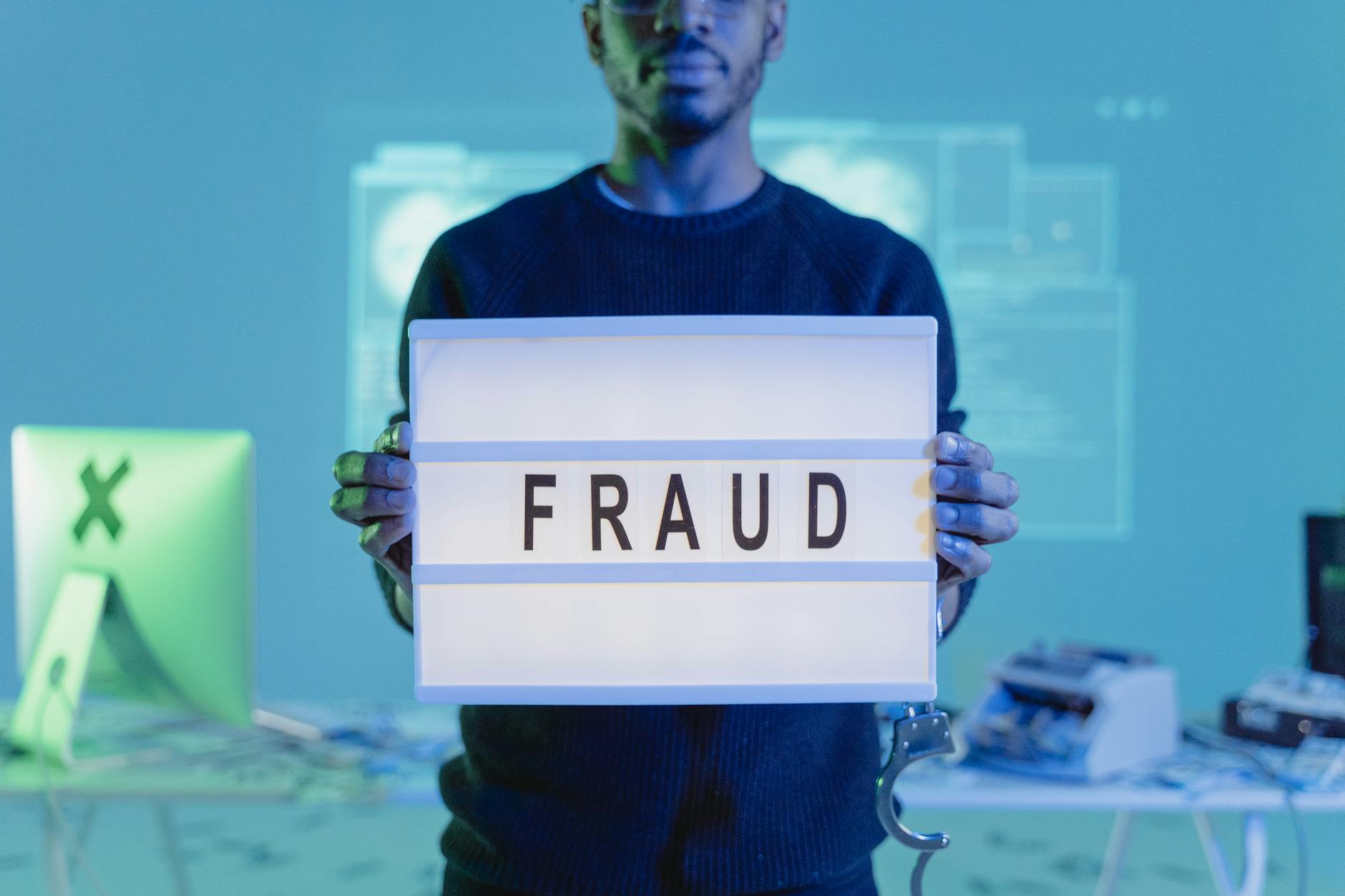
NFT fraud lawsuits represent one of the fastest-growing categories of litigation in the digital asset space, as billions of dollars in losses have prompted regulators, prosecutors, and class action attorneys to pursue enforcement actions against companies and individuals promoting fraudulent non-fungible token schemes. These lawsuits target everything from unregistered securities offerings disguised as digital collectibles to elaborate rug pulls where developers abandon projects after collecting investor funds. For example, two California men were charged in 2024 with defrauding investors of over $22 million through the “Vault of Gems” project, which falsely promised that NFTs would be backed by physical jewels—marking the largest NFT scheme ever prosecuted by the Department of Justice.
The scope of NFT fraud extends across multiple legal theories, including securities violations, wire fraud, money laundering, data privacy breaches, and trademark infringement. Court settlements have already reached tens of millions of dollars, with major platforms like DraftKings, Dapper Labs, and Nike facing class action suits. The Securities and Exchange Commission has taken the position that many NFTs should be classified as unregistered securities, fundamentally reshaping how courts analyze these disputes and what protections investors should receive.
Table of Contents
- What Are the Major NFT Fraud Lawsuits Currently in Court?
- How Does Securities Fraud Apply to NFTs?
- Criminal Prosecutions and the Largest NFT Fraud Scheme
- Understanding NFT Rug Pulls and Common Fraud Schemes
- The Financial Impact of NFT Fraud on Investors
- How to Identify and Protect Yourself from NFT Fraud
- The Future of NFT Regulation and Litigation
- Conclusion
What Are the Major NFT Fraud Lawsuits Currently in Court?
Several high-profile lawsuits have established precedent for how courts handle NFT fraud claims and what remedies are available to investors. The DraftKings NFT settlement, preliminarily approved on February 28, 2025, resolved claims that the fantasy sports platform sold unregistered securities and operated an unlicensed securities exchange, resulting in a $10 million payment to affected class members. Similarly, Dapper Labs, the company behind the NBA Top Shot “Moments” NFTs, settled a securities case for $4 million after allegations that its NFT offerings violated federal securities laws by operating without proper registration.
The company also faced a separate $5 million data privacy settlement for sharing consumer data with NBA Top Shot, NFL All Day, Disney Pinnacle, and other platforms without consent, violating the Video Privacy Protection Act. One of the most recent lawsuits targets Nike’s RTFKT division, with a class action filed on April 25, 2025, alleging that the company’s December 2024 shutdown of RTFKT operations constituted a “rug pull” and that the NFTs sold were unregistered securities. Meanwhile, Yuga Labs, the company behind the Bored Ape Yacht Club, settled a 2-year trademark lawsuit after initial damages of $9 million were awarded, though an appeals court later overturned the ruling. These cases show that NFT fraud litigation is increasingly sophisticated and that courts are willing to apply traditional securities and consumer protection laws to digital assets.
How Does Securities Fraud Apply to NFTs?
The application of securities laws to NFTs remains a contested legal question, but federal courts and the SEC have consistently held that NFTs marketed with promises of future value, utility, or backing are often unregistered securities. Under the Howey test—the legal standard for determining whether an asset is a security—courts examine whether investors are putting money into a common enterprise with the expectation of profits derived from the efforts of others. Many NFT projects meet this test because buyers purchase tokens expecting the creator or platform to generate demand, increase utility, or provide benefits that drive up the token’s value.
A critical limitation of the securities fraud approach is that it may not apply retroactively to NFTs already sold, meaning investors who purchased in the early days of the market may have limited recourse if regulators only recently began treating these assets as securities. Additionally, the decentralized and global nature of NFT transactions makes enforcement difficult—some projects operate through shell companies or jurisdictions with minimal regulatory oversight. The settlements reached so far suggest that courts are most willing to apply securities law when a platform or creator made explicit promises about value, returns, or utility that were not delivered.
Criminal Prosecutions and the Largest NFT Fraud Scheme
Criminal enforcement against NFT fraud has intensified, with the Department of Justice pursuing cases involving theft, wire fraud, and money laundering charges. The largest NFT scheme prosecuted to date involved two California men charged with defrauding investors of more than $22 million through the “Vault of Gems” project, which made false representations that NFTs would be backed by physical gemstones stored in secure vaults. The investors were told they could later redeem their NFTs for actual jewels, creating an illusion of tangible value when no such reserves existed.
This case exemplifies how NFT fraud operates at scale: sophisticated marketing claims, promises of future redemption or utility, and technology that appears legitimate but conceals the absence of backing assets. Criminal prosecution is distinct from civil litigation in that it can result in imprisonment and carries a higher burden of proof. However, many NFT fraud schemes operate internationally or through anonymous digital addresses, making arrests and prosecutions difficult even when the scheme is detected.

Understanding NFT Rug Pulls and Common Fraud Schemes
A rug pull occurs when project developers abandon an NFT project after collecting investor funds, making off with the money and leaving token holders with worthless digital assets. According to 2025 data, rug pulls account for 14% of all cryptocurrency rug pulls, and “soft rug pulls”—where developers gradually reduce activity and support rather than disappearing overnight—increased 33% between 2024 and 2025. The average NFT scam stole $510,000 per victim in 2025, up significantly from $410,000 in 2023, indicating that fraud schemes are becoming more sophisticated and extracting larger amounts from each victim.
The distinction between a rug pull and a failed project is significant in litigation because courts must determine whether developers made affirmative misrepresentations or merely failed to deliver on aspirational promises. A project that launched with legitimate intent but failed to gain adoption is not necessarily fraud, whereas one in which developers never intended to deliver on roadmap commitments qualifies as fraud. Investors should be wary of projects with anonymous developers, vague utility promises, and aggressive marketing campaigns that promise unrealistic returns, as these are common signals of schemes designed to extract capital rather than create lasting value.
📨 Get Free Mass Tort Guides Alerts
Free · No spam · Unsubscribe anytime
The Financial Impact of NFT Fraud on Investors
The losses inflicted by NFT fraud have reached billions of dollars globally, affecting retail investors, celebrities, and institutions. Celebrity investor Justin Bieber purchased a Bored Ape NFT for over $1 million, only to watch its value decline by more than 90%, illustrating how even high-profile figures can suffer massive losses in the speculative NFT market. While Bieber’s loss was not the result of fraud but rather market depreciation, many other investors have lost funds through outright scams, rug pulls, and fraudulent platforms.
The financial impact extends beyond individual losses to broader economic consequences, including reduced confidence in the digital asset market and increased regulatory scrutiny that imposes costs on legitimate projects. Victims of rug pulls often have limited recourse unless perpetrators are located and prosecuted or platforms can be held liable for inadequate oversight. Settlement proceeds, when available, typically reimburse only a fraction of losses after legal fees, administrative costs, and damage calculations reduce the pool of compensation.

How to Identify and Protect Yourself from NFT Fraud
Investors can reduce exposure to NFT fraud by conducting due diligence before purchasing tokens, including researching the development team, examining the technical architecture of the project, verifying claims about utility or backing assets, and understanding the regulatory status of the NFT offering. Red flags include anonymous or pseudonymous developers, promises of guaranteed returns, pressure to invest quickly, influencers aggressively promoting tokens without clear understanding of the project, and claims that NFTs are backed by physical assets without transparent verification.
Regulatory warnings issued by the SEC, Financial Industry Regulatory Authority (FINRA), and the Commodity Futures Trading Commission (CFTC) have emphasized that NFT investors should be skeptical of projects claiming to offer securities-like benefits without proper registration. Consulting with a securities attorney before making significant NFT investments, particularly in projects promising investment returns, can help identify legal risks and fraudulent schemes early.
The Future of NFT Regulation and Litigation
The trajectory of NFT litigation suggests that courts and regulators will continue applying existing securities, commodities, and consumer protection laws to digital assets rather than waiting for new legislation specific to NFTs. The SEC’s explicit position that many NFTs are unregistered securities will likely result in more enforcement actions against platforms and creators. Future cases may establish clearer standards for what constitutes an NFT security and what disclosure requirements creators must satisfy.
At the same time, the decentralized nature of blockchain technology creates ongoing enforcement challenges, particularly for projects operating without centralized entities that can be sued or prosecuted. Legislative developments, including potential digital asset regulation at the federal and state levels, may eventually create a clearer framework for NFT creators and investors. For now, litigation remains the primary mechanism through which injured investors seek recovery and through which the legal system is establishing boundaries around permissible NFT offerings.
Conclusion
NFT fraud litigation has emerged as a critical enforcement frontier, with courts applying established legal frameworks from securities law, consumer protection, and criminal fraud statutes to digital assets. The settlements reached by DraftKings, Dapper Labs, Nike, and other platforms demonstrate that both civil and criminal liability can attach to fraudulent or improperly structured NFT projects, providing a pathway for injured investors to recover losses. The landscape continues to evolve as regulators and prosecutors develop expertise in digital asset schemes and as courts establish precedent for how traditional legal protections apply to NFTs.
If you have purchased NFTs that were subject to fraud, inadequate disclosures, rug pulls, or unauthorized data sharing, you may be eligible to participate in class action settlements or pursue individual litigation. Consulting with an attorney who specializes in securities litigation or consumer fraud can help you understand your rights, evaluate your potential recovery, and determine whether your losses qualify for inclusion in ongoing lawsuits or proposed settlements. Staying informed about regulatory developments and remaining skeptical of projects with unrealistic promises or anonymous developers will help protect your investments in this rapidly evolving market.