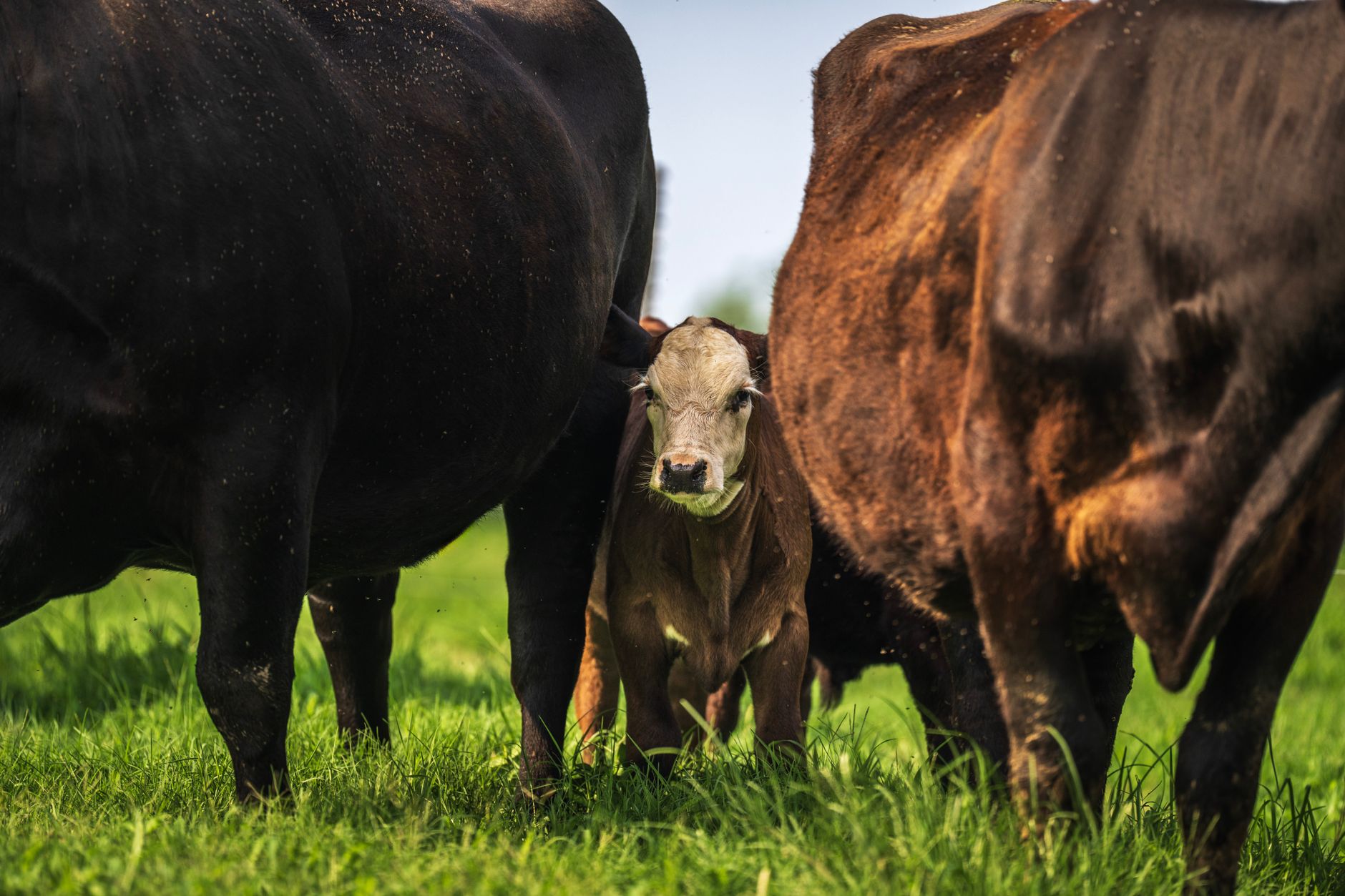
Federal courts have approved an $87.5 million settlement that resolves allegations that Cargill and Tyson Foods conspired to artificially inflate beef prices over a five-year period. The settlement, finalized on May 27, 2026, represents a rare moment of accountability in an industry where price manipulation has been difficult to prove and prosecute. Consumers who purchased ground beef, steaks, and other beef products at retail groceries between 2014 and 2019 were the indirect targets of the alleged scheme, paying higher prices at checkout as a result of coordinated corporate conduct.
This settlement arrived after years of legal maneuvering and comes as part of a broader wave of antitrust scrutiny directed at meat producers. Tyson Foods agreed to pay $55 million, while Cargill contributed $32.5 million to compensate consumers who allegedly bore the cost of artificially inflated prices. The case illustrates how price-fixing conspiracies operate at the wholesale level but ultimately transfer costs to the families and individuals buying meat at supermarkets.
Table of Contents
- How Did These Major Meat Producers Allegedly Fix Beef Prices?
- Settlement Breakdown and What It Covers
- Who Was Eligible and What the Claim Process Required
- How Much Money Did Affected Consumers Actually Recover?
- Challenges in Proving Corporate Collusion in Meat Markets
- Other Meat Industry Settlements and Antitrust Actions
- What the Approval Date and Deadline Mean for Unaware Consumers
How Did These Major Meat Producers Allegedly Fix Beef Prices?
The allegations paint a picture of two of the largest meat processors in the country working together to control beef supply and manipulate prices. According to the claims, Cargill and tyson engaged in a conspiracy to limit production, coordinate pricing, and suppress competition in ways that benefited their own operations at the expense of consumers. The conspiracy covered the class period from 2014 through 2019, a time when beef prices at retail were rising steadily and surprising many families with higher grocery bills.
Price-fixing in the meat industry operates differently than price-fixing in other sectors because the manipulation happens at the processing and wholesale level, far from the consumer’s view. When two major processors agree to restrict supply or coordinate pricing strategies, those decisions ripple through the entire supply chain—affecting what ranchers are paid for cattle, what wholesalers charge to distributors, and ultimately what families pay per pound at the supermarket. A family buying a pound of ground beef for a weeknight dinner had no way of knowing whether the $4.50 they paid was the true market price or an inflated price resulting from a corporate conspiracy.
Settlement Breakdown and What It Covers
The total settlement of $87.5 million was divided between the two companies based on their respective roles and exposure in the litigation. Tyson Foods, the larger company, paid the majority at $55 million, while Cargill contributed $32.5 million. These figures were approved by a federal judge after extensive negotiations and represent the culmination of a complex process in which plaintiffs’ attorneys had to prove injury and damages to court oversight. However, it is important to note that neither company admitted wrongdoing as part of the settlement—a limitation that reflects how antitrust settlements in the United States typically work.
The class period itself was precisely defined as beef purchases between January 1, 2014, and December 31, 2019. This narrow window was significant because it required consumers to prove they bought beef—not other meats, not other grocery products—during this specific timeframe. Claims could be made only for beef purchased at retail locations, not restaurant meals or processed beef products purchased in other contexts. For millions of consumers who bought beef during these years, the settlement represented a chance to recover a portion of what they believed they overpaid, though proving the exact amount paid would prove challenging for many.
Who Was Eligible and What the Claim Process Required
Indirect consumers who purchased beef at supermarkets and grocery stores between 2014 and 2019 were the primary beneficiaries of the settlement. This meant that individuals who bought their beef directly at retail—and not restaurants, food service institutions, or commercial buyers—could potentially recover. The original claim deadline was June 30, 2026, which has now passed. Anyone who did not file a claim by that date would be unable to recover their share of the settlement funds.
The claim process itself posed practical obstacles that prevented many eligible consumers from recovering damages. Proving you purchased beef during a five-year period required evidence like old grocery receipts, credit card statements, or loyalty program records. Many consumers had discarded receipts long ago and could not produce documentation of their purchases. Claimants who did provide documentation typically received a pro-rata share based on the total amount of valid claims received, meaning that even if you proved your purchases, the amount you received was capped by how many other people also filed claims.
How Much Money Did Affected Consumers Actually Recover?
The recovery amount per consumer in settlement cases like this is typically far below the harm allegedly suffered. In price-fixing settlements, the courts acknowledge that quantifying precisely how much each individual overpaid is extremely difficult—beef prices fluctuate based on feed costs, cattle supply, and legitimate market factors, making it nearly impossible to prove that every price increase was artificial. As a result, courts generally approve settlements that offer a partial recovery mechanism rather than a full recompense for injury.
📨 Get Free Mass Tort Guides Alerts
Free · No spam · Unsubscribe anytime
In this case, the $87.5 million settlement was divided among hundreds of thousands or potentially millions of claimants who purchased beef during the class period. This meant that individual recoveries typically ranged from tens to a few hundred dollars per person, depending on the evidence they provided and the total number of claims approved. A consumer who could prove $5,000 in beef purchases over five years might receive a recovery of $50 to $150 if price inflation was estimated at one to three percent. While not trivial, these recoveries represented a small fraction of what consumers believed they overpaid if the entire price increase was attributable to collusion.
Challenges in Proving Corporate Collusion in Meat Markets
Price-fixing conspiracies in the meat industry are notoriously difficult for plaintiffs to prove because the companies are not trading emails discussing prices or recording conversations in which they agree to raise prices together. Instead, prosecutors and plaintiffs’ lawyers must piece together evidence from market behavior, industry structure, and economic patterns that suggest coordinated action. In this settlement, the evidence likely included analysis of price movements that were unusually similar between the two companies, production decisions that seemed coordinated, and testimony from industry insiders about how pricing discussions occurred.
Another challenge is that meat prices are influenced by dozens of legitimate factors—feed grain prices, labor costs, transportation, animal disease outbreaks, and seasonal demand fluctuations. When a court or jury evaluates whether two companies conspired to inflate prices, they must distinguish between price increases that resulted from collusion versus price increases that resulted from normal market pressures. This distinction is why many price-fixing cases settle rather than proceed to trial; the uncertainty about what can be proven makes settlement financially safer for defendants.
Other Meat Industry Settlements and Antitrust Actions
This settlement is not the first time beef producers have faced price-fixing allegations. In recent years, both Tyson Foods and Cargill have dealt with multiple antitrust investigations and lawsuits related to their market practices. Poultry producers, particularly Tyson, have also faced allegations of conspiring to fix chicken prices.
The pattern of litigation suggests that pricing manipulation may be a structural issue in the concentrated meat industry rather than an isolated incident. The beef settlement follows a broader era of increased scrutiny of food supply chain consolidation. Antitrust officials have become more aggressive in investigating industries where a small number of large corporations control the majority of production. In beef, just a handful of processors control what gets produced, at what price, and in what quantity, creating structural conditions where collusion, whether explicit or implicit, can occur more easily than in less concentrated industries.
What the Approval Date and Deadline Mean for Unaware Consumers
The federal judge granted final approval to both settlements on May 27, 2026, making the settlement legally binding and effective on that date. The claims deadline that followed, June 30, 2026, meant that consumers had approximately one month to submit their claims and provide documentation. For consumers who were not aware of the settlement—those who did not see news coverage or receive notification—this deadline passed without their participation. As of July 23, 2026, anyone who did not file a claim by the June 30 deadline is now barred from recovering any portion of the settlement funds.
The missed deadline represents a loss for consumers who might have been entitled to recovery but failed to act in time. Many settlement notifications rely on email, postal mail, or online publication, which means that not every affected consumer receives notice. Consumers who were unaware of the settlement had no opportunity to prove their purchases and claim compensation, and the settlement structure typically does not allow for late claims after the deadline passes. The funds from unclaimed settlements are usually distributed to cy pres recipients—charities or organizations aligned with the settlement’s purpose—rather than being returned to the defendants.
You Might Also Like
- Equity Residential Rent Antitrust Settlement Resolves Claims Apartment Prices Were Inflated
- Grubhub Driver Settlement Resolves Claims California Delivery Workers Were Misclassified
- Trader Joe’s Receipt Settlement Claims Card Numbers Were Printed Improperly