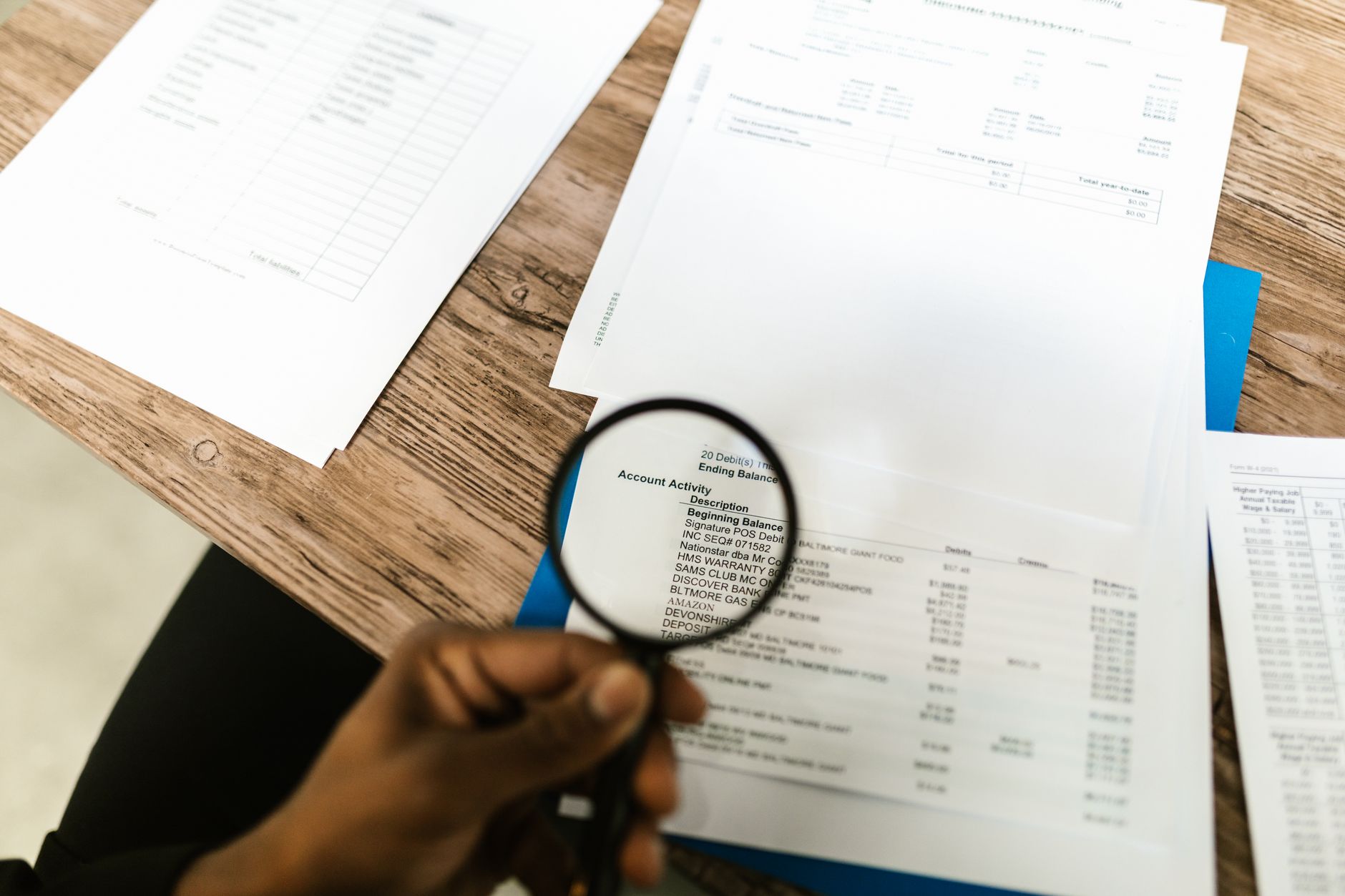
Verify a mass tort claim in 2026 by checking the court filing, checking agency notices for the product, and refusing any fee or sensitive-data demand. Mass tort litigation groups many individual injury lawsuits about the same drug, device, or product into coordinated proceedings.
Start with identifiers you can match. A real case names a court, case number, defendant, and claims administrator. Your own records must tie you to the same product, time period, and injury.
Table of Contents
- Where do you find the court case?
- What do agency notices prove?
- Does your personal evidence fit?
- Which red flags mean walk away?
Where do you find the court case?
Federal filings sit behind PACER. According to the Administrative Office of the U.S. Courts, PACER offers instant access to more than 1 billion filed documents through the filing court or the nationwide Case Locator by case number, party name, or date range through PACER public access.
Search the exact case number from the ad or notice, then read the docket for complaints, orders, and settlement procedures. Large product cases often move into multidistrict litigation. According to the Judicial Panel on Multidistrict Litigation, its September 1, 2026 pending-MDL report shows 21 MDLs with 1,000 or more actions held 194,835 actions, 94.5% of pending MDL actions, including about 69,250 talc actions in MDL-2738. Use that list to confirm whether the named litigation exists, where it sits, and how large it is.
What do agency notices prove?
Agency records show whether regulators logged a safety problem or recall. For devices, the Food and Drug Administration posts company-initiated corrections and removals in its Medical Device Recall Database after classification and again after termination, as described in FDA recall information. Match model, lot, hazard, and recall status before trusting an ad. Drugs and biologics leave a different trail.
According to the Food and Drug Administration, its FAERS Public Dashboard lets anyone search adverse-event, medication-error, and quality-complaint reports submitted through MedWatch and by industry. According to the Consumer Product Safety Commission, SaferProducts.gov lets consumers search published recalls and harm reports and file incident reports. A database hit is only a starting point. According to FDA safety-reporting guidance, a FAERS report does not prove the drug caused the event, so treat it as a safety signal and corroborate it with medical records, prescribing labels, and recall notices.
📨 Get Free Mass Tort Guides Alerts
Free · No spam · Unsubscribe anytime
Does your personal evidence fit?
Courts and administrators decide claims person by person. Pull pharmacy records, prescription dates, implant cards, operative reports, and diagnosis dates. Compare product name, dose or model, exposure window, and injury against the complaint and label. Keep the chain complete.
A prescription alone does not show injury, and a diagnosis alone does not show product use. Save bottles, boxes, lot numbers, receipts, and provider notes in one file. Ask a treating doctor to document timing and alternative causes. Contemporaneous records carry more weight than later summaries. Gaps invite questions about which product caused which harm.
Which red flags mean walk away?
Legitimate settlement notices identify the defendant, court, case number, and court-appointed claims administrator. According to the Federal Trade Commission, the agency never requires upfront fees or sensitive bank or Social Security information to deliver refunds, and anyone demanding payment while claiming to be the FTC is a scammer, as explained in its refund program answers.
Treat these as immediate warnings: Imposter fraud is common. According to the Federal Trade Commission, imposter scams produced over 1 million reports and nearly 3.5 billion dollars in reported losses in 2025, with about 30% first contacted through social media. Type the official site address directly, confirm counsel through the state bar, and report fraud at ReportFraud.ftc.gov.
- missing defendant, court, case number, or administrator name
- emailed or texted link urging fast payment to claim funds
- fee-to-claim demand, gift-card request, or bank-login request
- social-media ad impersonating a government agency or law firm
You Might Also Like
- How to Verify Pharmaceutical Lawsuits Mass Tort Litigation Claims in 2026: court filings and agency notices, Evidence, and Red Flags
- How to Verify Demographic Guides Mass Tort Litigation Claims in 2026: court filings and agency notices, Evidence, and Red Flags
- How to Verify Defendants Mass Tort Litigation Claims in 2026: court filings and agency notices, Evidence, and Red Flags