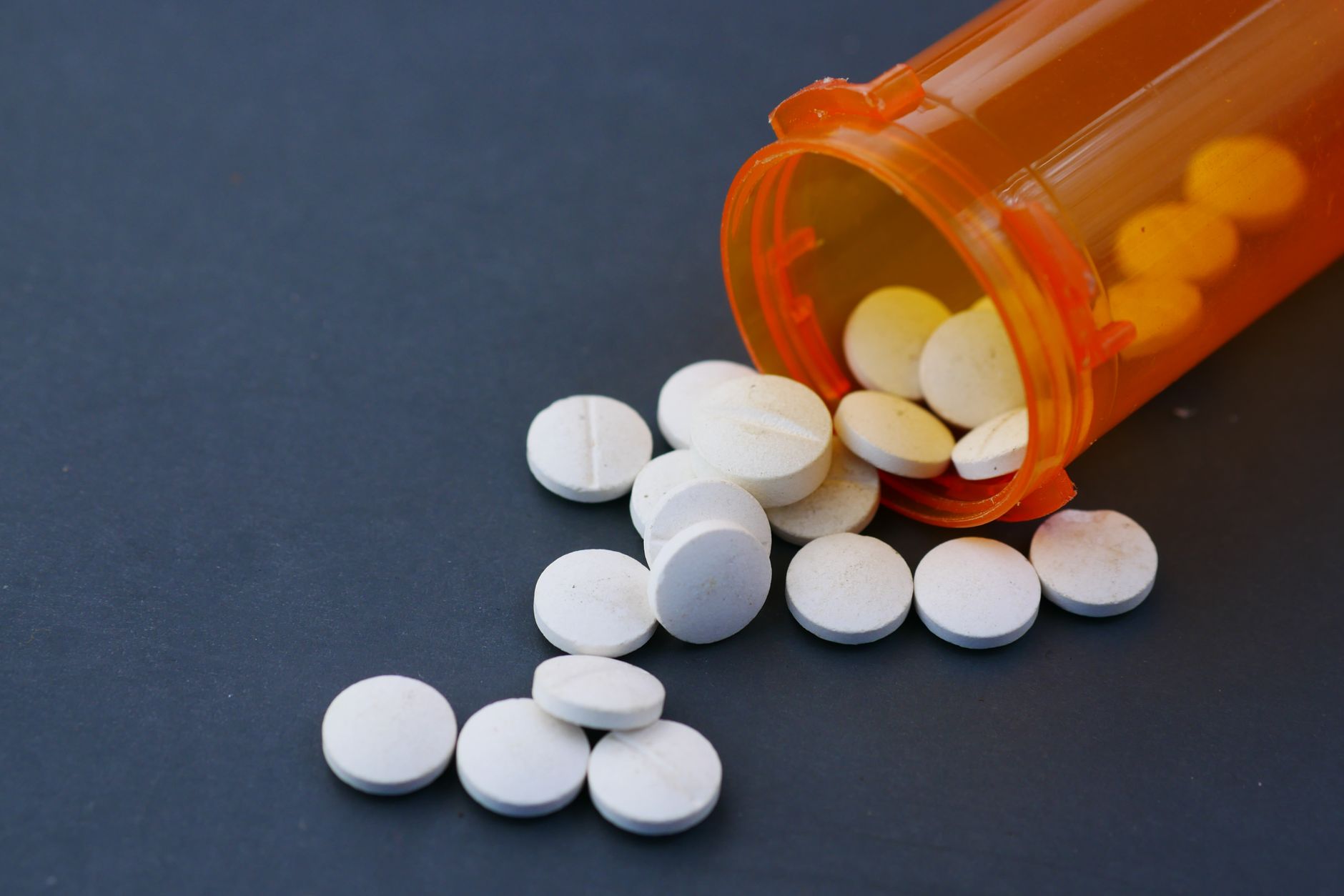
The verified research does not identify four opioid manufacturers currently approaching a final settlement. Instead, the major opioid litigation landscape includes multiple settlements at different stages: the Johnson & Johnson and three pharmaceutical distributors' historic $26 billion settlement completed in 2022, the Purdue Pharma and Sackler family settlement that became legally effective in May 2026, and multistate settlements with eight generic opioid manufacturers finalized during 2025–2026. Below is the accurate status of these landmark cases and what they mean for affected parties.
The opioid crisis litigation has produced the largest settlement complex in U.S. history, spanning manufacturers, distributors, pharmacy chains, and healthcare companies. Understanding which settlements are final, pending, or still being paid helps readers evaluate whether they may be eligible for compensation and what legal protections these agreements now provide.
Official resources:
- texasattorneygeneral.gov — Use this primary source to verify the official announcement.
- Explore the official data from SEC — Use this primary source to review the underlying data.
Table of Contents
- Major Settlements Already Finalized or In Effect
- Generic Manufacturers and Recent Multistate Settlements
- Pharmacy Chain Accountability and Ongoing Claims
- What These Settlements Mean for Affected Communities
- Status Uncertainty for Remaining Cases
- Frequently Asked Questions
Major Settlements Already Finalized or In Effect
The largest settlement to date resolved in 2022 when Johnson & Johnson and three major pharmaceutical distributors finalized a historic $26 billion settlement resolving claims they fueled the opioid crisis. Under the agreement, J&J paid $5 billion over nine years while AmerisourceBergen, Cardinal Health, and McKesson collectively paid $21 billion over 18 years. This settlement addressed both the manufacturers' role in promoting opioids and the distributors' responsibility for failing to halt suspicious orders.
The second major case reached finality more recently when the Purdue Pharma and Sackler family settlement worth $7.4 billion became legally effective on May 1, 2026, capping a decade-long litigation. This settlement requires the Sackler family to permanently cease U.S. opioid sales and transfers Purdue Pharma's manufacturing operations to independent oversight, fundamentally restricting the company's future business model.
Generic Manufacturers and Recent Multistate Settlements
Beyond the headline cases, eight generic opioid manufacturers—Alvogen, Amneal, Apotex, Hikma, Indivior, Mylan, Sun, and Zydus—reached multistate settlements requiring combined payments totaling approximately $618.2 million with varying payment timeframes and strict manufacturing and marketing restrictions. These settlements, negotiated between 2025 and 2026, address the role generic producers played in flooding the market with affordable opioid tablets after brand-name manufacturers faced growing scrutiny. While smaller per company than the flagship settlements, these agreements collectively hold generic manufacturers to enforceable standards on production capacity and sales practices going forward.
Pharmacy Chain Accountability and Ongoing Claims
Pharmacy chains face separate liability for their role in dispensing opioids without adequate safeguards. CVS Health and Walgreens agreed to approximately $10.7 billion combined ($5 billion and $5.7 billion respectively) to resolve allegations they inadequately monitored opioid dispensing, even when prescriptions showed signs of misuse or doctor-shopping behavior. Albertsons Companies announced a settlement framework in April 2026, but as of June 2026 has not reached final agreement; $136.6 million sits in escrow pending definitive settlement approval by all required parties, with no assurance the framework will be finalized.
What These Settlements Mean for Affected Communities
The settlement complex has generated tens of billions for state and local governments, hospitals, addiction treatment programs, and direct compensation to individuals and families harmed by the crisis. Funds are typically distributed through state-led programs that prioritize treatment and recovery services, public health education, and direct victim compensation where applicable. Eligibility for compensation varies by settlement and jurisdiction; individuals who incurred medical expenses, lost income, or personal injury from opioid misuse should contact their state attorney general's office to learn whether they qualify under any open claims process.
📨 Get Free Mass Tort Guides Alerts
Free · No spam · Unsubscribe anytime
The settlements also impose operational restrictions on remaining manufacturers and distributors. Production caps, real-time tracking systems, and increased scrutiny of large orders now make it harder for suppliers to fuel future crises through the same distribution networks that enabled the 1990s-2020s epidemic. However, these restrictions apply only to opioid products; manufacturers remain free to produce other pharmaceuticals, and prescribers retain the ability to write legitimate opioid prescriptions under medical supervision.
Status Uncertainty for Remaining Cases
The absence of four manufacturers currently approaching settlement suggests the major litigation wave has peaked. Most major players—manufacturers, distributors, and retail chains—have either settled or are in active settlement discussions with clear timelines.
Smaller generic makers continue to face potential exposure, and a handful of pharmacy chains and wholesalers may still negotiate terms. Readers tracking related litigation should monitor state attorney general websites and settlement-specific claim administrators for announcements of new cases or settlement periods opening.
Frequently Asked Questions
Am I eligible for money from these opioid settlements?
Eligibility depends on which settlement and your location. Individuals who incurred opioid-related medical expenses, lost wages, or personal injury may qualify. Contact your state attorney general's office for current claims periods and documentation requirements.
When do I receive settlement payments?
Payments are distributed over years or decades. The $26 billion settlement pays through 2040; the Purdue settlement extends for similar periods. Your state's settlement administrator will provide payment schedules once you claim.
Do settlements prevent future opioid prescriptions?
No. Doctors may still prescribe opioids for legitimate pain when medically appropriate. Settlements impose restrictions on manufacturers' marketing and production, not on prescriber behavior.
You Might Also Like
- Vivimed Losartan Settlement Resolves Claims Over Contaminated Blood Pressure Drugs
- Tyson Beef Price-Fixing Settlement Covers Consumers Who Bought Certain Beef Products
- Lakeview Loan Servicing Data Breach Settlement Covers Borrowers Affected by Cyber Incident