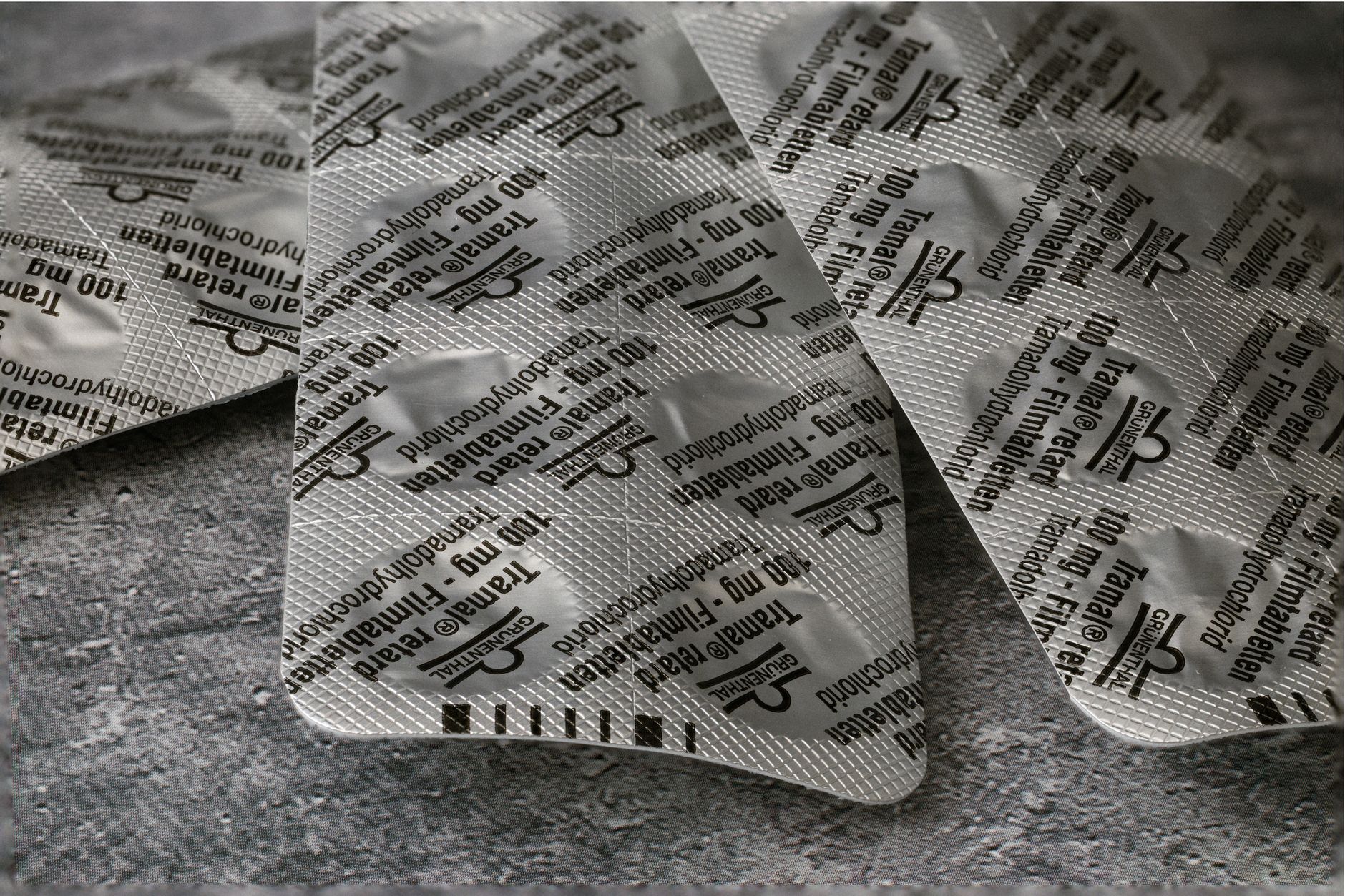
Four major pharmaceutical manufacturers—Allergan Finance LLC, Teva Pharmaceuticals USA Inc., Janssen, and certain affiliates—along with pharmacy chains CVS, Walgreens, and Walmart have reached settlement agreements in what represents a continuation of the landmark national opioid litigation. On June 16, 2026, the court granted preliminary approval to these settlements, moving them one step closer to final resolution. However, this approval is not the end of the process; these settlements remain subject to final court approval, a distinction that matters significantly for anyone tracking the outcomes of opioid-related claims. This settlement wave extends the pattern of major manufacturers and retailers being held accountable for their role in the opioid crisis. The settlements include a dedicated $180 million Third-Party Payor Fund, with contributions from each defendant based on their respective liability exposure.
For context, this is part of a much larger legal reckoning: in 2022, Johnson & Johnson, AmerisourceBergen, Cardinal Health, and McKesson agreed to pay $26 billion combined in opioid settlements. The current settlements with Teva and Allergan alone were valued at $17.3 billion nationwide across litigation spanning 2023 to 2026. The distinction between preliminary and final approval is important because preliminary approval simply confirms that the settlement terms are fair, reasonable, and adequate based on the current record. Final approval, which has not yet been granted, requires the court to determine that all settlement conditions have been met and that objections have been adequately addressed. Until final approval occurs, these settlements technically remain conditional, and payment timelines depend on that final determination.
Table of Contents
- How These Four Manufacturers and Pharmacy Chains Fit Into Opioid Litigation
- The $180 Million Third-Party Payor Fund: What It Covers and Actual Limitations
- How This Settlement Compares to Previous Opioid Agreements and Purdue Pharma’s Different Approach
- Preliminary Approval Versus Final Approval: Understanding the Remaining Timeline
- The Pharmacy Chain Contribution: CVS, Walgreens, and Walmart’s Role in Opioid Supply Chain Accountability
- Accessing Settlement Funds: The Third-Party Payor Claims Process
- What Remains Pending in National Prescription Opiate Litigation
How These Four Manufacturers and Pharmacy Chains Fit Into Opioid Litigation
The opioid litigation landscape has evolved into a coordinated series of settlements with different manufacturers and distributors. The current agreement with Allergan, Teva, Janssen, and the pharmacy chains represents defendants who have not previously settled, making this settlement significant as it addresses remaining defendants in the original National Prescription Opiate Litigation. The $180 million Third-Party Payor Fund is specifically designed to compensate third parties—including insurance companies, health plans, and government programs—that incurred costs related to opioid treatment and abuse. Each defendant’s contribution to the Third-Party Payor Fund reflects their relative exposure to liability. Allergan contributes $10 million, Janssen contributes $40 million, and Teva Pharmaceuticals contributes $45 million.
The three pharmacy chains—CVS, Walgreens, and Walmart—combined will contribute $85 million. This structure means that Teva, as one of the major generic opioid manufacturers, carries the largest individual burden among manufacturers, which aligns with litigation claims about the volume of generic pain medications it distributed into the marketplace. By comparison, when purdue Pharma settled in 2025 with approval from all 50 states and territories, that $7.4 billion settlement was negotiated on different terms, including specific provisions for opioid antagonist and treatment programs rather than solely third-party payor compensation. The involvement of pharmacy chains—CVS, Walgreens, and Walmart—in this settlement marks a significant development because these companies have been sued for their role in dispensing and monitoring opioid prescriptions. The argument in those cases is that pharmacies, particularly large chains with multiple locations and aggregate prescription data, had a responsibility to flag suspicious ordering patterns and refuse to fill questionable prescriptions. Their combined $85 million contribution acknowledges their exposure to liability, though pharmacy oversight requirements remain subject to ongoing legal and regulatory debate.
The $180 Million Third-Party Payor Fund: What It Covers and Actual Limitations
The Third-Party Payor Fund addresses a specific category of harm: costs incurred by third parties such as insurers, health plans, workers’ compensation programs, and government programs like Medicare to treat opioid addiction and overdose. These include expenses for medication-assisted treatment programs, naloxone distribution, emergency room visits for overdoses, and rehabilitation services. The fund does not directly compensate individuals who became addicted to opioids—those claims are typically addressed through separate settlement tracks—nor does it cover medical expenses incurred by individuals themselves, which may be pursued through other legal channels. A critical limitation of the Third-Party Payor Fund is its size relative to the actual costs incurred. Health economic analyses estimate that the opioid crisis has cost the United States economy hundreds of billions of dollars when accounting for healthcare costs, lost productivity, criminal justice expenses, and premature deaths.
A $180 million fund, while substantial, represents a fraction of these estimated costs. For example, a single large state Medicaid program might have paid $2 billion or more in opioid-related claims across a multi-year period, yet the entire fund available to all third-party payors nationwide is $180 million. This means distribution will necessarily involve significant triage and pro rata reduction of payments to individual claimants. Another consideration is that third-party payors themselves have economic incentives and the resources to litigate their own claims. Some major health insurance companies and union health and welfare plans have pursued parallel litigation against opioid defendants. The settlement of these cases does not necessarily prevent other third parties from pursuing independent legal action, though the settlement agreements likely include language addressing certain claims classes and release provisions that may limit some future litigation.
How This Settlement Compares to Previous Opioid Agreements and Purdue Pharma’s Different Approach
To understand the significance of the June 2026 preliminary approval, it helps to see where these settlements fall in the chronology of opioid litigation. The landmark 2022 settlement with johnson & Johnson, AmerisourceBergen, Cardinal Health, and McKesson—totaling $26 billion—set the template for how opioid litigation could be resolved. That settlement included not just money but specific commitments about the distribution of addiction treatment resources and involved coordinated litigation across multiple states. The current settlements with Teva and Allergan, valued at $17.3 billion nationwide across the litigation period 2023-2026, represent the next wave of major manufacturer settlements. Purdue Pharma’s $7.4 billion settlement, which received approval from all 50 states and territories in 2025, followed a different path through bankruptcy court rather than class litigation. Amneal’s settlement became effective on January 29, 2026, indicating that multiple defendants continue to resolve claims on different timelines.
Most recently, Albertsons announced a settlement agreement in April 2026 that could provide up to $655.1 million to participating states, extending the settlement pattern into the retail pharmacy sector and creating overlapping settlement frameworks. One key distinction across these settlements is that they serve different functions. The Purdue settlement emphasizes addiction treatment infrastructure. The manufacturer settlements primarily address third-party payor claims. The pharmacy settlements address the role of retail operations in the supply chain. Collectively, these settlements represent not a single unified agreement but rather a portfolio of parallel resolutions addressing different defendants and different categories of harm. This fragmentation creates complexity for third parties attempting to navigate multiple claims processes and multiple timelines.
Preliminary Approval Versus Final Approval: Understanding the Remaining Timeline
When a court grants preliminary approval to a settlement, it means the judge has reviewed the agreement and determined that it appears fair, reasonable, and adequate as a preliminary matter. Critically, this is not final approval. The preliminary approval period typically includes a claims filing window, a time for class members to file objections, and a final settlement hearing at which the court will hear arguments about whether final approval should be granted. During this period, defendants are often required to provide notice to the class about the settlement, including information about how to file claims or object. For claimants involved in third-party payor litigation, the preliminary approval means the settlement is likely to become final unless significant problems emerge. However, claimants cannot assume the settlement is locked in.
📨 Get Free Mass Tort Guides Alerts
Free · No spam · Unsubscribe anytime
If many class members object and convince the court that the settlement is unreasonable, or if new information emerges that calls the settlement’s fairness into question, a judge has discretion to reject the settlement at the final approval stage. The settlement agreement between Allergan, Teva, Janssen, and the pharmacy chains has likely included a provision specifying when final approval is expected, but as of June 2026 that date had not yet been reached. The distinction between preliminary and final approval also affects payment timelines. Typically, defendants do not pay settlement funds until final approval is granted and any appeals window has closed. This can create a gap of six months to two years or more between preliminary approval and actual payment to claimants. Third-party payors with pending claims should not anticipate receiving settlement distributions during the preliminary approval period; they should await communication about claim filing deadlines, settlement administration procedures, and documentation requirements.
The Pharmacy Chain Contribution: CVS, Walgreens, and Walmart’s Role in Opioid Supply Chain Accountability
The inclusion of CVS, Walgreens, and Walmart in the settlement reflects an expanded understanding of who bears responsibility in the opioid supply chain. These pharmacy chains are not manufacturers or wholesalers—they are retailers who dispense opioid prescriptions to patients. Yet litigation against them argued that these chains, particularly through their corporate operations, had visibility into ordering patterns and the ability to identify suspicious prescriptions or prescribers. The claim is that pharmacies have a duty to refuse to fill questionable prescriptions and to report suspicious activity to the DEA through the Controlled Substance Ordering System. A practical example illustrates this liability theory: if a pharmacy location receives a prescription from a clinician known for writing excessive opioid prescriptions, or if a patient presents multiple prescriptions from different doctors for identical medications within a short time period, a pharmacist has grounds to refuse to fill the prescription and is supposed to report the suspicious activity. Large pharmacy chains like CVS and Walgreens have corporate-level prescription monitoring programs and aggregate data that theoretically allows them to identify these patterns across multiple locations.
Their combined $85 million contribution acknowledges that their operational failure to adequately monitor and restrict suspicious dispensing constituted actionable conduct. It’s important to note that pharmacy oversight remains an evolving area of law and regulation. Pharmacists operate under significant time pressure in retail environments, and determining whether a prescription is “suspicious” can be ambiguous. Multiple court decisions have imposed different standards on what pharmacy oversight requires. The settlement does not necessarily establish that pharmacies had clear, unambiguous duties; rather, it represents a negotiated resolution of disputed claims. Other pharmacy chains not party to this settlement may face different litigation outcomes, and state pharmacy boards continue to develop clearer oversight standards through regulation rather than litigation.
Accessing Settlement Funds: The Third-Party Payor Claims Process
Third-party payors who incurred costs related to opioid treatment and abuse must typically file formal claims to access settlement distributions. The claims process usually requires providing documentation of the opioid-related costs incurred, such as claims for medication-assisted treatment, overdose emergency room visits, naloxone distribution, or other treatment expenses. The settlement administrator—an independent party appointed to manage the distribution of settlement funds—verifies claims and determines the amount each claimant is entitled to receive.
Given the size of the $180 million fund and the likely volume of third-party payors with eligible claims, the settlement will almost certainly need to implement a pro rata reduction of payments. For example, if a state Medicaid program incurred $500 million in opioid-related treatment costs over a multi-year period, it would file a claim for that amount. However, if other third-party payors filed claims totaling $2 billion total against the $180 million fund, the state Medicaid program’s claim would be reduced proportionally to approximately 9% of its claimed amount because the available funds cannot cover all claims in full.
What Remains Pending in National Prescription Opiate Litigation
Despite the settlement with Allergan, Teva, Janssen, and the pharmacy chains, the broader National Prescription Opiate Litigation remains active. The title “Four Opioid Manufacturers Approach Final Settlement” captures the current stage, but “approach” is the operative word—final approval has not yet been granted as of June 2026. Additionally, other defendants and defendants’ affiliates remain in active litigation.
The resolution of these four manufacturers and the three pharmacy chains does not resolve all claims or all defendants. The pattern of staggered settlements—Purdue in 2025, Amneal effective January 2026, Allergan/Teva/Janssen/pharmacies with preliminary approval in June 2026, and Albertsons in April 2026—reflects the reality that centralized settlement of a nationwide, multi-defendant litigation rarely happens all at once. Each defendant’s exposure, financial situation, and legal strategy differs, resulting in different timelines for negotiation and resolution. Third parties or individuals with pending opioid-related claims should recognize that they may need to track multiple settlements, multiple claims processes, and multiple payment timelines depending on which defendants are involved in their particular claims.
- —
You Might Also Like
- Purdue Pharma Faces Dissolution Following Five Billion Dollar Opioid Settlement Judgment
- Kentucky opioid settlement funds now publicly available for taxpayer spending review
- Report Links RFK Jr. Health Agenda to Mass Tort Litigation Interests