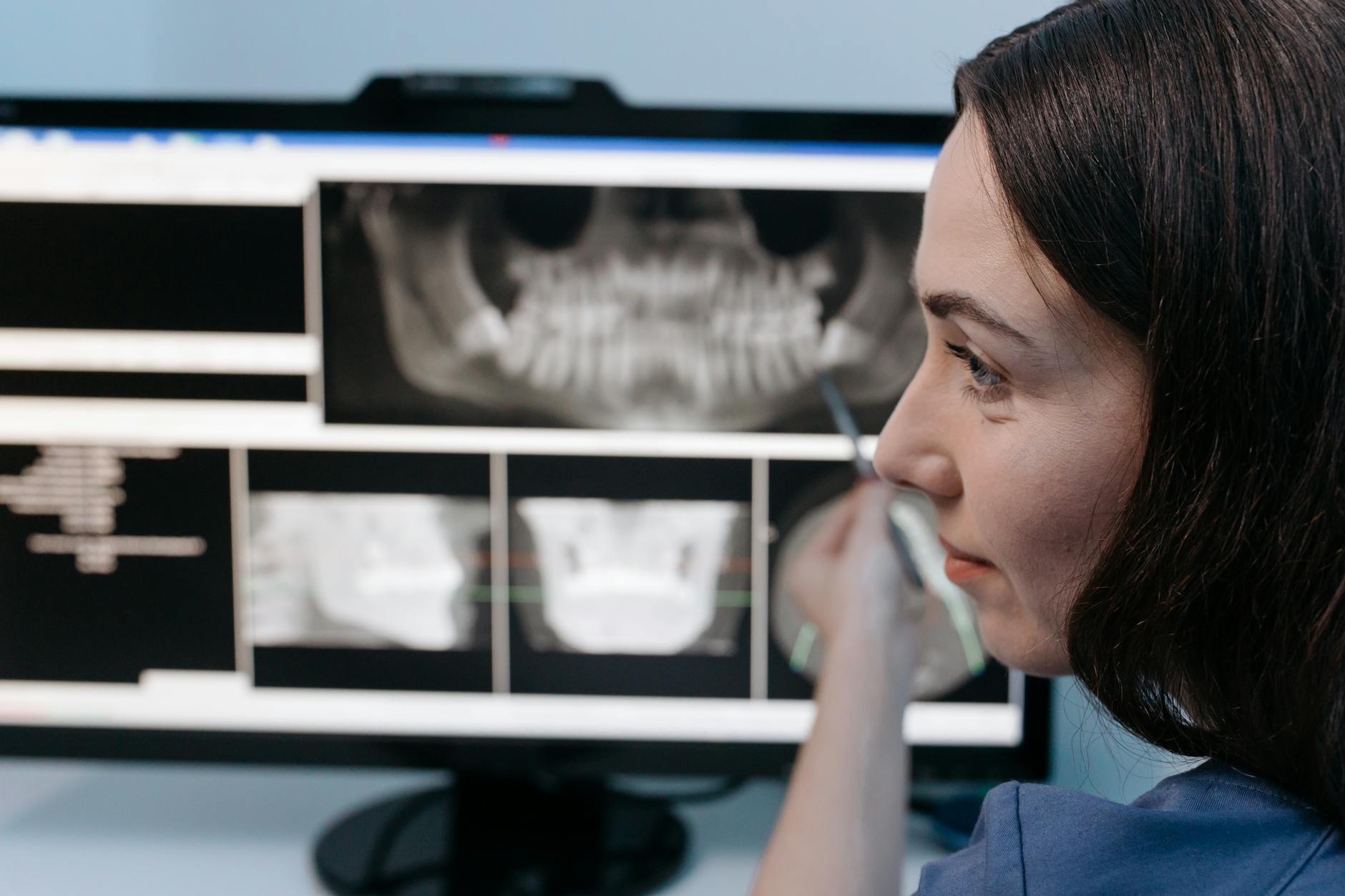
While dental x-ray overexposure is a legitimate medical concern that can form the basis of legal claims, there is currently no major active class action lawsuit specifically targeting widespread dental x-ray overexposure as of 2024-2025. However, patients who have suffered documented harm from negligent x-ray exposure can pursue individual medical malpractice claims against dentists, hygienists, technicians, and equipment manufacturers. In 2023, a dental patient in California pursued a claim after her dentist performed panoramic x-rays at double the standard protocol during routine checkups, resulting in cumulative radiation exposure that exceeded safe limits—a case that illustrated the potential legal avenue available to affected patients. The landscape for dental x-ray litigation differs from other medical device or pharmaceutical mass torts in that overexposure cases are typically handled individually rather than consolidated into class actions.
This is partly because the harm from x-ray overexposure varies significantly depending on the amount of excess radiation, the frequency of exposure, and individual risk factors. Legal action is viable, but the burden falls on patients to establish both that negligence occurred and that the overexposure caused measurable damages. What makes these cases challenging is the latency period: cancers or serious health effects from radiation exposure can take 5 to 15 years or more to develop, making it difficult to prove causation when symptoms finally appear. Despite these hurdles, the legal framework clearly establishes that providers and manufacturers have a duty of care regarding radiation exposure, and patients have grounds to pursue compensation when that duty is breached.
Table of Contents
- WHAT CONSTITUTES DENTAL X-RAY OVEREXPOSURE AND WHEN IT’S ACTIONABLE
- HEALTH RISKS FROM DENTAL X-RAY OVEREXPOSURE AND THE TIMELINE FOR HARM
- WHO CAN BE HELD LIABLE IN DENTAL X-RAY OVEREXPOSURE CASES
- HOW TO PROVE NEGLIGENCE IN DENTAL X-RAY OVEREXPOSURE CLAIMS
- THE EVIDENTIARY BURDEN AND WHY THESE CASES ARE DIFFICULT
- COMPENSATION AND DAMAGES IN SUCCESSFUL CLAIMS
- THE CURRENT LITIGATION LANDSCAPE AND FUTURE OUTLOOK
- Conclusion
WHAT CONSTITUTES DENTAL X-RAY OVEREXPOSURE AND WHEN IT’S ACTIONABLE
dental x-ray overexposure occurs when a patient receives more radiation than is medically necessary for diagnosis and treatment. This can happen through several mechanisms: a dentist taking unnecessary x-rays, using improper settings or techniques, failing to use proper shielding, or repeating x-rays due to poor positioning or equipment malfunction. The American Dental Association and FDA provide clear guidelines for appropriate x-ray frequency and settings—taking more than these standards recommend, without justified clinical reason, constitutes overexposure. From a legal perspective, overexposure becomes actionable when a healthcare provider’s actions fall below the standard of care expected of a reasonably competent dental professional. Unlike with some medical devices that require FDA recalls or large-scale failure patterns to spark litigation, x-ray overexposure claims are typically pursued on a case-by-case basis.
A dental hygienist who takes a full-mouth series of x-rays on every patient visit, despite ADA guidelines recommending such imaging only every 3-5 years for low-risk patients, creates potential liability. If that hygienist lacks proper training or fails to ask about the patient’s recent imaging history, the negligence becomes even clearer. The key distinction is between appropriate diagnostic imaging and unnecessary or excessive exposure. A single dental x-ray carries minimal risk and is generally considered safe and appropriate when justified. However, a patient who receives 20 x-rays in a year at one practice, then switches providers and the new dentist repeats the full series immediately, has been exposed to cumulative radiation that may exceed safe thresholds—creating grounds for a claim.
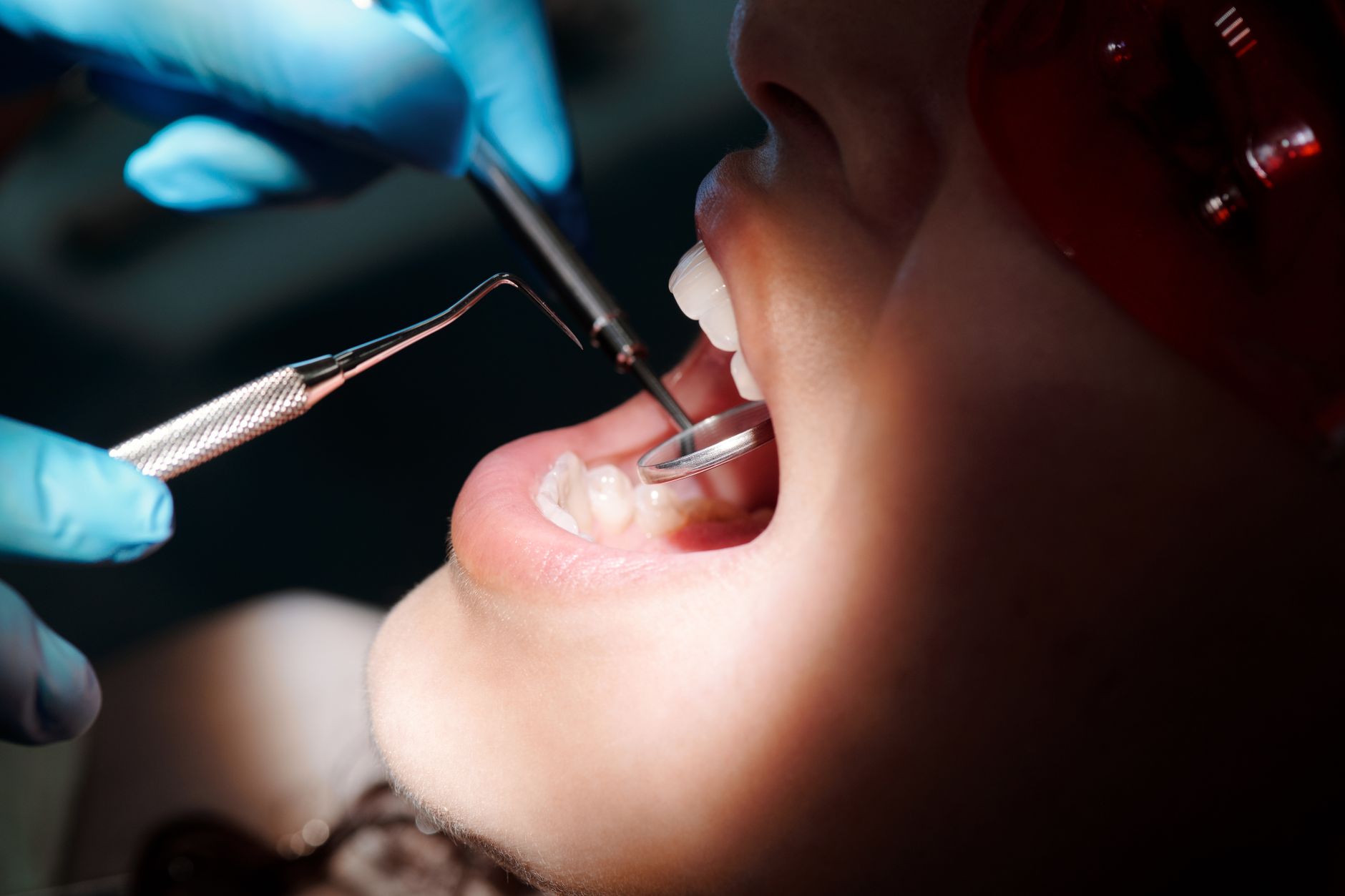
HEALTH RISKS FROM DENTAL X-RAY OVEREXPOSURE AND THE TIMELINE FOR HARM
The health effects of x-ray overexposure span both acute and long-term categories. Acute effects can include hair loss, skin damage, redness or burns at the exposure site, and immediate increases in cancer risk. However, most serious health consequences develop over years or decades. Cancer typically emerges 5 or more years after higher radiation exposure; some radiation-induced cancers, particularly thyroid cancer and certain leukemias, can take 15 years or longer to develop after the initial cellular damage occurs. This extended latency period creates a significant challenge in litigation: by the time a patient develops cancer, a decade or more may have passed since the overexposure incident.
Connecting the overexposure to the cancer diagnosis requires detailed medical records documenting the original overexposure, expert testimony linking the radiation dose to cancer risk, and proof that the exposure was negligent rather than medically justified. A patient diagnosed with thyroid cancer in 2024 would need to establish that negligent dental x-rays received in 2009 or earlier contributed to that cancer—a factual chain that is difficult but not impossible to prove with appropriate expert testimony. The risk escalates with cumulative exposure. A single panoramic x-ray carries virtually no meaningful cancer risk. However, a patient receiving dozens of unnecessary x-rays over several years faces measurably elevated cancer risk. The FDA and radiation safety organizations provide dose tables and cancer risk calculators that allow experts to quantify the excess risk imposed by overexposure, though even with solid evidence of overexposure, proving it caused a specific cancer diagnosis remains challenging since cancer has multiple potential causes.
WHO CAN BE HELD LIABLE IN DENTAL X-RAY OVEREXPOSURE CASES
Liability for dental x-ray overexposure can extend to multiple parties. The primary responsible party is usually the dentist or dental hygienist who ordered, authorized, or performed the x-ray without appropriate clinical justification. In a typical negligence claim, the patient would allege that the provider failed to follow ADA or FDA guidelines, failed to use proper shielding (such as lead aprons for the torso and thyroid), or failed to ask about recent imaging performed elsewhere, resulting in unnecessary duplicate exposure. Dental practices themselves can also face liability under employer responsibility doctrines, particularly if they failed to establish proper protocols, failed to train staff on radiation safety, or created a practice culture that prioritized volume over appropriate care.
A practice where every patient receives full-mouth x-rays at every visit, regardless of risk level or recent imaging history, demonstrates systematic overexposure practices that create liability beyond individual provider negligence. Equipment manufacturers can be liable if they sell or lease dental x-ray machines with defective shielding, faulty calibration systems, or design flaws that make overexposure more likely. However, manufacturer liability is generally narrower than provider liability in x-ray cases, since modern dental equipment is regulated and relatively standardized. A manufacturer might be liable if a machine’s dose display was inaccurate, misleading providers about actual exposure levels, or if safety mechanisms failed—but not for a dentist’s decision to misuse equipment appropriately designed for safe operation.

HOW TO PROVE NEGLIGENCE IN DENTAL X-RAY OVEREXPOSURE CLAIMS
Proving negligence in a dental x-ray case requires establishing four elements: duty, breach, causation, and damages. The duty element is straightforward—dentists and hygienists have a clear legal duty to provide safe x-ray services that follow established standards of care. Breach is established by showing the provider departed from those standards, typically through expert testimony from another dentist explaining what a reasonably competent dentist would have done differently. Causation is where these cases become complex. Causation has two components: factual causation (whether the overexposure occurred and at what dose) and legal causation (whether that overexposure was a substantial factor in causing the patient’s harm). For factual causation, attorneys reconstruct the x-ray history from dental records, often finding gaps, missing documentation, or evidence of imaging that violated guidelines.
An example: a patient switched dentists and was found to have received 25 x-rays in one year at Dentist A, then was offered a “full baseline” exam at Dentist B just six months later, adding another 15 x-rays. Expert testimony would establish that this pattern violated standard of care. Legal causation becomes harder to prove when the injury is cancer or another disease with long latency. The patient must present expert testimony establishing that radiation at the level of their overexposure meaningfully increased their cancer risk above baseline. Medical physics experts can calculate excess lifetime cancer risk attributable to the overexposure—for example, proving that the 200 mrem of excess radiation increased the patient’s thyroid cancer risk from 0.5% to 1.2%. However, proving that the overexposure actually caused the specific cancer the patient later developed is far harder, since cancer also results from genetics, lifestyle, environmental factors, and random chance.
📨 Get Free Mass Tort Guides Alerts
Free · No spam · Unsubscribe anytime
THE EVIDENTIARY BURDEN AND WHY THESE CASES ARE DIFFICULT
The primary challenge in dental x-ray overexposure litigation is what courts call “proof of causation.” Even if you can prove a dentist negligently exposed you to excess radiation, connecting that overexposure to your current illness requires clear evidence of the causal link. With a broken leg from a fall, causation is immediate and obvious. With cancer that develops years later, establishing that overexposure was a substantial factor—as opposed to family history, smoking, or bad luck—is legally difficult. Additionally, many patients don’t maintain dental records from years past, and dental practices often purge records after 5-7 years. This means documentation of the original overexposure may be unavailable, forcing reconstruction from fragmented records or expert inference about what likely occurred.
A patient claiming overexposure from 2010 visits may find that the dental office no longer has those records, and the dentist and hygienists have moved on to other practices. Meanwhile, the patient needs contemporaneous documentation to credibly establish the exposure in the first place. Insurance coverage for dental malpractice claims varies widely, and some practices operate with limited coverage. Even if you win a judgment, collecting on it can be difficult if the defendant lacks assets or adequate insurance. This is why many x-ray overexposure cases are pursued only when there is clear documentation of overexposure combined with serious injury, and when the responsible party is insured. A patient with lung cancer and a dentist with spotty radiation safety records and good malpractice insurance has a more viable case than a patient with early-stage thyroid cancer and a small practice with minimal insurance.

COMPENSATION AND DAMAGES IN SUCCESSFUL CLAIMS
When a dental x-ray overexposure claim succeeds, compensation typically covers medical expenses, lost wages, pain and suffering, and in some cases punitive damages if the conduct was particularly reckless. Medical damages include treatment for radiation-induced illness, cancer treatment costs, and ongoing surveillance and monitoring. Pain and suffering damages reflect the emotional impact of a negligence-induced illness diagnosis.
In a 2021 settlement, a patient who developed thyroid cancer after years of unnecessary dental x-rays received compensation including $500,000 for past medical expenses and future cancer treatment, $300,000 for pain and suffering, and lost wages. However, such settlements are exceptional and typically involve either clear documentation of massive overexposure, or a defendant with substantial assets and insurance. Most successful x-ray overexposure claims resolve in the $100,000-$250,000 range when they involve documented overexposure and credible illness causation evidence.
THE CURRENT LITIGATION LANDSCAPE AND FUTURE OUTLOOK
As of 2024-2025, there is no major pending class action lawsuit focused specifically on dental x-ray overexposure, despite growing awareness of radiation safety in healthcare. Instead, the litigation occurs in scattered individual and small group cases, typically handled by medical malpractice attorneys rather than class action firms. This may change if a large dental chain is found to have systematic overexposure practices affecting thousands of patients, but such cases have not yet materialized at a scale triggering class action consolidation.
The future of dental x-ray litigation may be shaped by increasing use of digital imaging and AI-based detection systems. Digital x-rays use significantly less radiation than older film-based systems, and AI tools can identify image quality issues earlier, reducing the need for retakes. Paradoxically, as safer technology becomes standard, courts may view overexposure more harshly when it occurs—the negligent use of outdated, high-dose equipment in a practice surrounded by safer alternatives may receive harsher treatment than overexposure from older equipment that was accepted practice at the time.
Conclusion
Dental x-ray overexposure is legally actionable as a form of medical malpractice, and patients who can document overexposure and resulting harm have valid grounds for claims against dentists, hygienists, and in some cases manufacturers. However, these cases are typically pursued individually rather than as class actions, because overexposure varies widely by patient and proving causation between historical overexposure and current illness remains challenging.
The latency between overexposure and disease manifestation—often 5 to 15+ years—makes these cases difficult to win despite strong legal principles supporting them. If you believe you have been exposed to unnecessary or excessive dental x-rays, document all x-rays from your dental records, consult with a medical malpractice attorney experienced in radiation claims, and seek expert testimony about the excess radiation dose and your cancer risk. The burden of proof is on you, but the legal framework clearly holds healthcare providers accountable when they depart from standards of safe x-ray practice.