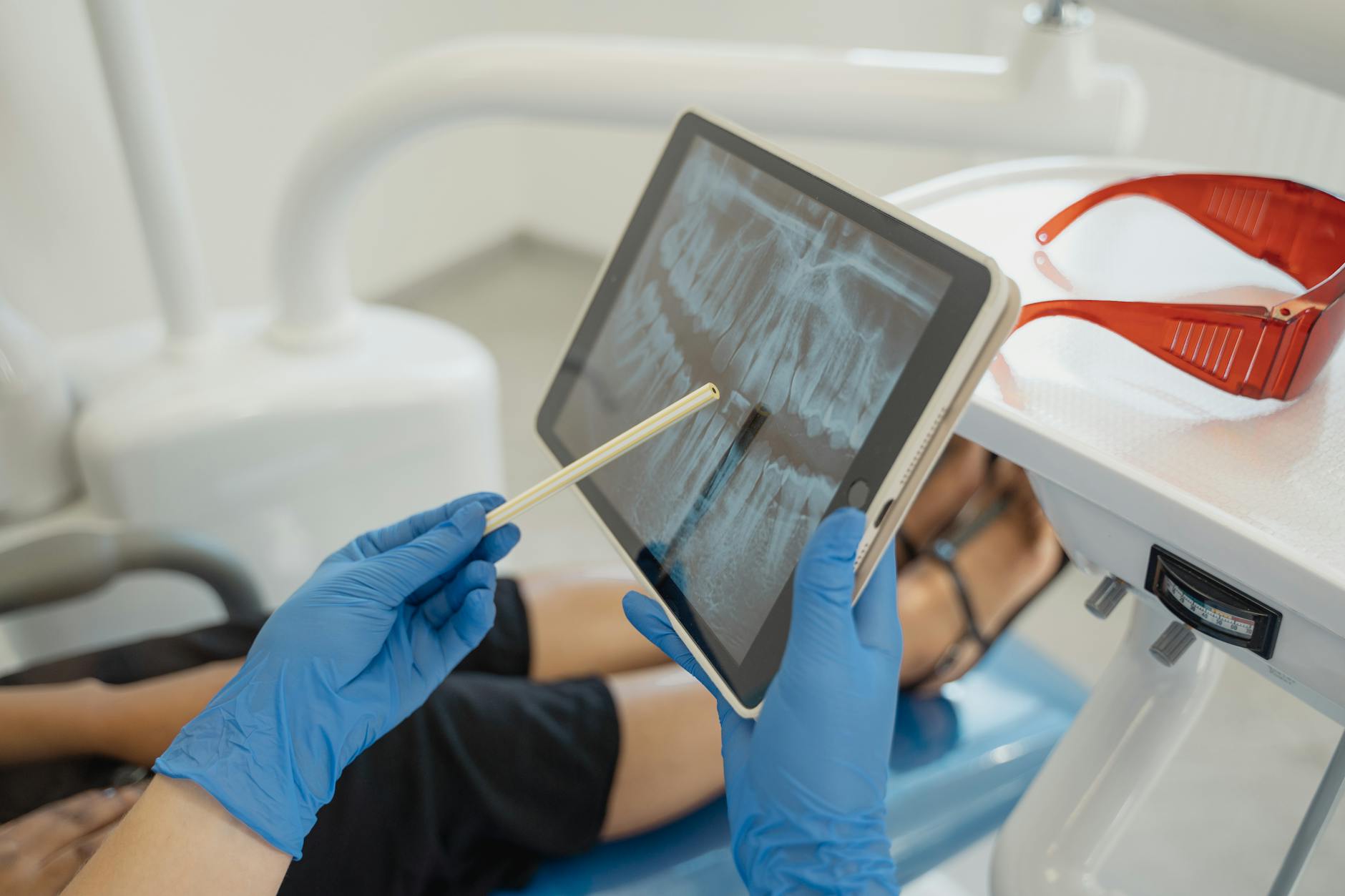
Dental sedation death lawsuits are wrongful death claims filed when patients die from complications related to anesthesia or sedation administered during routine dental procedures. These are not rare accidents or unavoidable medical outcomes—they are deaths that occur because dentists and dental teams fail to follow established safety protocols for administering and monitoring sedation. In December 2025, a 40-year-old Arizona man died from oxygen deprivation during a routine dental implant procedure when the dentist failed to adequately assess his risk factors, including recent cannabis use disclosed before surgery. The Arizona State Board of Dental Examiners later found multiple deviations from the standard of care, yet this case represents only one of several recent deaths that have prompted families to pursue legal action and regulators to investigate systemic failures in dental sedation practices. These lawsuits emerge because dentistry has become increasingly complex, with more dentists offering in-office sedation for procedures traditionally performed in surgical centers.
However, many dentists have not received adequate training in anesthesia management, patient monitoring, or emergency response. When sedation-related complications occur, the consequences can be catastrophic. A 48-year-old man in Ohio died from acute hypoxic respiratory failure after a dentist administered multiple sedative medications in rapid succession without pausing to assess their effectiveness—a practice that directly violates standard anesthesia protocols. The patient lost his pulse and went into cardiac arrest shortly after surgery began. Families of these victims have discovered that their loved ones’ deaths could have been prevented through proper training, equipment, and adherence to safety guidelines.
Table of Contents
- What Causes Dental Sedation Deaths?
- Common Procedural Failures in Sedation-Related Deaths
- Recent Legal Settlements and Outcomes
- Patient Rights and Preventive Measures
- Dentist Liability and Regulatory Response
- What Families Should Know About Filing a Claim
- Future Outlook for Dental Sedation Safety
- Conclusion
What Causes Dental Sedation Deaths?
dental sedation deaths are caused by a combination of poor anesthesia management, inadequate patient monitoring, and failure to respond to warning signs of respiratory distress. The most common mechanism is hypoxia—a critical lack of oxygen to the brain and vital organs. This occurs when dentists administer sedative drugs without proper spacing between doses, fail to monitor oxygen saturation levels continuously, or do not maintain an open airway. In the Ohio case involving Matthew Miller, the dentist administered medications “one after the other without any pause between administration to assess effectiveness,” then immediately placed a throat pack and began surgery within minutes. This cascade of failures prevented the dentist from detecting that the patient was not breathing adequately before it was too late.
Other contributing factors include inadequate pre-operative assessment, particularly failure to identify high-risk patients. In the Arizona case, the dentist had been informed of the patient’s cannabis use but failed to adjust the sedation plan accordingly. Cannabis can interact with anesthetic drugs and affect respiratory drive, making it a critical risk factor that should trigger either additional monitoring or a decision to perform the procedure in a surgical facility with full anesthesia support. Dentists who lack formal anesthesia training often do not recognize how these medications affect the body’s ability to maintain breathing on its own, especially when multiple drugs are combined. This knowledge gap, combined with overconfidence in the safety of “simple sedation,” creates the conditions for preventable deaths.
Common Procedural Failures in Sedation-Related Deaths
The most recurring failure across recent cases is the practice of administering medications in rapid succession without adequate monitoring intervals. This violates fundamental principles of anesthesia safety that are taught in any accredited program. A dentist should administer one medication, wait to observe its effects, assess the patient’s breathing and consciousness level, and only then decide whether additional medication is needed. The failure to do this turns sedation into a dangerous gamble. In the Ohio case, the examining board noted that proper technique requires pausing between administrations specifically to avoid the scenario that occurred: unresponsiveness, loss of airway control, and cardiac arrest.
Another critical failure is inadequate airway management and emergency preparedness. When patients are sedated, they lose some or all of their ability to protect their airway—to cough, swallow, or move their tongue to keep the airway open. Dentists must be trained to maintain the airway manually, to recognize when it is compromised, and to have emergency equipment immediately available. The Iowa case involving Joseph Daniels, who died in January 2024 after dental implant surgery performed by Robert Wolf, led to charges that the dentist practiced in a manner harmful to the public and with gross neglect. These charges suggest that basic emergency procedures were either unavailable or not followed when the patient’s condition deteriorated. A limitation of many dental offices is that they are not equipped to handle rapid escalation of care—if a patient becomes unstable, moving them to a hospital takes time, and during that transport window, permanent brain damage from lack of oxygen can occur.
Recent Legal Settlements and Outcomes
The Arizona case resulted in a confidential settlement in December 2025, but the regulatory outcome was public: the dentist received a temporary suspension of their anesthesia permit and was required to complete mandated continuing education. While this suspension prevents immediate harm to future patients, it also reflects how inadequate consequences can be. A temporary suspension allows a dentist to return to practice, whereas the severity of the harm—a patient’s death—might suggest a more permanent license revocation should be standard. The case also demonstrates that families often pursue settlements outside of court to avoid the expense and emotional toll of a trial, even when the facts are clear. The Ohio case has progressed further into the regulatory system.
The Ohio State Dental Board’s hearing examiner recommended a 6-month to 1-year license suspension plus 2 years of probation for the dentist’s anesthesia administration. This case is notable because the detailed findings—specifically about the “one after the other” medication administration—are becoming part of the public record. Families pursuing similar lawsuits in other states can point to this case as evidence of what constitutes negligent practice. The Texas case filed in 2025 involving Castle Dental in the Houston area alleged that the dentist recommended sedation despite the patient’s medical history and failed to respond when blood oxygen levels dropped during the procedure. Donzell Jarrod Conrad underwent tooth removal and never awoke from the anesthetic, a tragic outcome that prompted a wrongful death lawsuit alleging medical malpractice.

Patient Rights and Preventive Measures
Before undergoing any dental procedure involving sedation, patients have the right to ask specific questions about the dentist’s training and experience with anesthesia. A patient should request documentation that the dentist has completed formal training in sedation—not just a weekend course, but comprehensive training from an accredited program. They should ask about the specific medications being used, why they are necessary, and what alternatives exist. For routine procedures like simple tooth extraction or filling, conscious sedation is often unnecessary and carries risk that outweighs benefit. Patients should also ask what monitoring equipment will be used and whether a trained assistant will be present whose sole job is to monitor vital signs and the patient’s breathing throughout the procedure.
One critical preventive step is insisting that the procedure be performed in a setting appropriate to the depth of sedation planned. Deep sedation and general anesthesia should only be administered in surgical centers, hospitals, or specially equipped offices with full emergency backup. Shallow sedation in a dental office is acceptable if the dentist is trained and equipment is present, but even then, the comparison to office-based procedures without sedation is important: dental procedures can almost always be performed under local anesthesia alone, with the patient conscious and able to communicate if something feels wrong. The trade-off is that sedation adds convenience for anxious patients but adds risk. A patient should weigh this trade-off carefully, especially if they have any medical conditions, take multiple medications, or are over 50 years old—risk factors that increase complications from sedation.
📨 Get Free Mass Tort Guides Alerts
Free · No spam · Unsubscribe anytime
Dentist Liability and Regulatory Response
Dentists who administer sedation are held to the standard of care for anesthesia, not just for general dentistry. This means they must follow the same protocols that oral surgeons, anesthesiologists, and other medical professionals follow. If a dentist deviates from these standards—by not monitoring continuously, by spacing medications improperly, by failing to have emergency equipment available, or by not responding to signs of distress—they are liable for negligence. The cases emerging in 2024 and 2025 show that state dental boards are taking these violations seriously. The Iowa case charges against dentist Robert Wolf include “willful and gross neglect” and “practicing beyond training,” language that suggests the board views his conduct as a serious breach, not a minor oversight.
However, a limitation in the regulatory response is that it often comes after the harm has already occurred. Dental board investigations begin after a patient is injured or dies, and the process can take a year or more. By that time, other patients may have already been harmed by the same dentist. Families pursuing wrongful death lawsuits should know that the regulatory process and the civil lawsuit are separate—a lawsuit can proceed even while the dental board investigation is ongoing, and in many cases, families do not wait for the board’s decision before filing suit. The evidence of negligence in civil court may be stronger or weaker than the board’s findings, but they inform each other. A civil settlement may include provisions that the dentist undergo additional training, agree to specific protocols, or accept practice restrictions.

What Families Should Know About Filing a Claim
If a family member dies during or shortly after a dental procedure under sedation, the first step is to obtain all medical records from the dental office, including the operative report, anesthesia record, and any notes about the patient’s vital signs during the procedure. These records are critical evidence of what happened and whether protocols were followed. Next, the family should consult with an attorney who specializes in medical malpractice or wrongful death cases. Many of these cases are complex because they involve understanding anesthesia physiology and dental protocols—an attorney without this expertise may not recognize the negligence that occurred.
Some families worry that filing a lawsuit will be disrespectful to the deceased, but in fact, a lawsuit is often the only mechanism available to prevent the same dentist from harming future patients and to hold the dentist accountable for their negligence. The Iowa case scheduled for trial on September 28, 2026, is expected to provide precedent for how juries view dental sedation deaths. That case seeks unspecified actual and punitive damages, with punitive damages awarded when conduct is deemed grossly negligent or reckless. If the jury finds that Robert Wolf’s management of the patient’s sedation was so egregious as to warrant punishment beyond compensating the family, punitive damages could be substantial. This outcome would signal to other dentists that cutting corners on anesthesia safety is not acceptable.
Future Outlook for Dental Sedation Safety
The pattern of deaths in 2024 and 2025 suggests that dental sedation safety is a growing area of litigation and regulatory focus. As more cases proceed through the courts and regulatory boards, clearer standards for what constitutes negligent sedation practice will emerge. Dental schools and continuing education providers are responding by emphasizing anesthesia training, but many dentists practicing today received minimal training in sedation when they were in school. The future may include more stringent licensing requirements for dentists who wish to administer sedation—currently, requirements vary significantly by state.
Some states require only a brief additional course, while others require more comprehensive training. Standardizing these requirements at a higher level could prevent future deaths by ensuring that all dentists administering sedation have comparable knowledge and skills. Patients can expect increasing awareness of sedation risks from consumer advocacy and media coverage of these cases. Dental offices will likely face more detailed questions from patients about credentials and safety protocols. This scrutiny is warranted and may drive improvements in practice standards across the profession.
Conclusion
Dental sedation death lawsuits are tragic but often preventable cases in which patients die from complications of anesthesia administered by dentists who lack adequate training, fail to follow established safety protocols, or both. Recent cases in Arizona, Ohio, Texas, and Iowa show that these deaths are not isolated incidents but reflect systemic problems in how some dentists approach sedation. The common thread across these cases is inadequate monitoring, improper medication administration, and failure to respond to warning signs of respiratory distress.
Families who lose a loved one to dental sedation complications have legal remedies available, including wrongful death lawsuits that can hold dentists accountable and, in some cases, prevent them from harming future patients. If you or a family member has suffered harm from sedation complications during a dental procedure, or if someone has died in such circumstances, consult with an attorney who specializes in medical malpractice or wrongful death cases. These lawsuits are complex and require expert analysis of anesthesia protocols and standard of care, but they are essential for holding dentists accountable and driving improvements in patient safety across the profession.