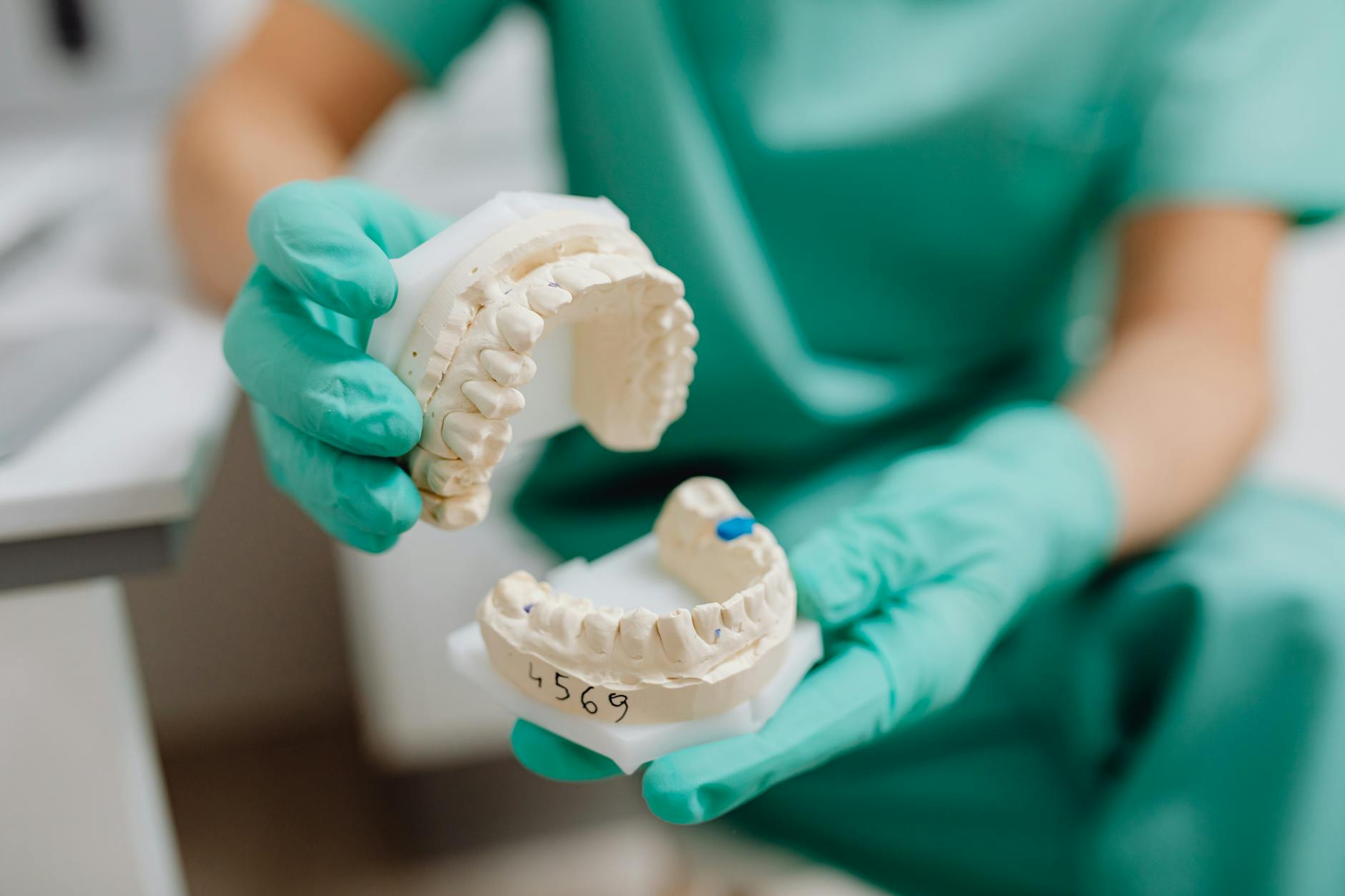
A dental crown malpractice lawsuit arises when a dentist fails to properly perform a crown procedure or places a crown that causes injury, infection, pain, or permanent damage to the patient’s tooth and gums. These lawsuits can result from multiple errors during the crown fabrication or placement process, including inadequate tooth preparation, failure to perform necessary bone reduction after extractions, improper bite alignment, or placing a crown on a tooth that should have been extracted instead. In 2026, Iowa resident Linda M. Clouser filed a lawsuit against Dr. Steven Yuan and Aspen Dental after the dentist allegedly failed to perform adequate bone reduction following the extraction of 13 upper teeth in May 2024, leaving her with painful and bleeding gums that required corrective treatment.
Dental crown malpractice is surprisingly common, accounting for 17% of all dental malpractice cases nationwide. These cases are expensive to defend—costing more than twice as much as root canal malpractice litigation—and frequently result in substantial settlements for injured patients. The national average payout for dental negligence claims reached $128,000 in 2025, though settlements vary significantly by geographic location and injury severity. An average of 39.9 cases of dental negligence are reported annually per 1,000 dentists in the United States, indicating a widespread problem across the dental industry. If you believe you have been injured by improper crown placement or a dentist’s failure to properly perform crown procedures, you may have grounds for a malpractice claim and could be entitled to compensation for medical costs, pain and suffering, and lost wages.
Table of Contents
- What Constitutes a Dental Crown Malpractice Claim?
- Settlement Amounts and Compensation in Dental Crown Cases
- The Iowa Dental Malpractice Cases of 2026
- How Crown Malpractice Differs from Other Dental Negligence Claims
- Common Procedural Errors That Trigger Crown Malpractice Lawsuits
- Aspiration and Foreign Body Ingestion Risks
- The Role of Regulatory Agencies and Licensing Discipline
- Conclusion
What Constitutes a Dental Crown Malpractice Claim?
dental crown malpractice occurs when a dentist deviates from the accepted standard of care in preparing, fabricating, or placing a dental crown. According to industry statistics, 85% of dental malpractice claims cite poor procedures and techniques as the primary cause of injury. Common procedural errors include overhanging restorations (crowns that extend beyond the natural tooth line and irritate gum tissue), poor occlusion (improper bite alignment that causes jaw pain and uneven chewing pressure), and open margins between the crown and tooth (gaps that allow bacteria to infiltrate and cause decay). A specific example of crown malpractice involved a $325,000 settlement for a patient who received improperly fitted crowns that were applied multiple times. Each failed crown placement allowed bacteria to infect the underlying teeth, resulting in extensive decay and the need for additional treatment. In another severe case, Dr.
Corey Jerrod Williams at Aspen Dental in Fort Dodge, Iowa, allegedly performed improper crown replacement procedures and was accused of extracting a healthy tooth without proper anesthesia in May 2022. Williams surrendered his dental license in February 2026 after facing these charges. Another critical issue involves inadequate tooth preparation. When a dentist fails to remove sufficient tooth structure or perform necessary bone reduction after extraction, the crown may not fit properly, leading to chronic pain, infection, and tissue damage. Dr. Steven Yuan’s case, currently being investigated by the Iowa Dental Board for professional incompetence and fraudulent representations, highlights this type of negligence.
Settlement Amounts and Compensation in Dental Crown Cases
Settlement amounts for dental crown malpractice vary widely based on the severity of injury, geographic location, and the extent of additional treatment required. The national average payout for dental negligence claims is $128,000, but this figure masks significant regional disparities. Ohio averaged only $60,000 per case, while New Mexico averaged $380,000 per case during the 2023–2025 period—a six-fold difference that reflects varying jury attitudes, cost of living, and state-specific legal factors. Compensation is typically categorized by injury severity. Moderate injuries—such as minor infection, temporary pain, or cosmetic damage—typically settle for $30,000 to $75,000.
Severe injuries—including permanent tooth loss, extensive decay, chronic pain, or facial nerve damage—commonly settle for $100,000 to $300,000 or more. In high-value cases, settlements exceed these ranges significantly. One notable example is a $825,000 dental malpractice settlement secured by Bodewell Law, demonstrating that severe, well-documented cases can result in six-figure payouts. A limitation of settlement averages is that they do not reflect the full spectrum of case outcomes. Some patients with documented injuries receive far less than the average, particularly if they lack strong evidence of negligence or if their damages are difficult to quantify. Additionally, settlement negotiations often require patients to accept confidentiality agreements that prevent public disclosure of the exact terms, making it difficult to assess true market rates for comparable cases.
The Iowa Dental Malpractice Cases of 2026
Iowa has seen two significant dental crown malpractice cases emerge in 2026, both involving Aspen Dental locations and allegations of procedural errors. The most prominent case involves Linda M. Clouser, who filed suit against Dr. Steven Yuan and Aspen Dental in Ankeny on April 10, 2026. According to the lawsuit, Dr. Yuan extracted 13 upper teeth on May 28, 2024, but allegedly failed to perform adequate bone reduction or alveoloplasty—a surgical procedure that reshapes the jawbone after extraction to create a proper foundation for a prosthetic device or crown. Without proper bone reduction, Clouser experienced painful and bleeding gums, indicating incomplete healing and improper socket closure. The case gained additional significance when the Iowa Dental Board filed charges against Dr.
Yuan for professional incompetence and fraudulent representations in May 2026, suggesting that regulatory authorities have found credible evidence of violations beyond the scope of the individual lawsuit. These board charges can lead to license suspension or revocation and indicate a pattern or severity of conduct that warrants disciplinary action. The second Iowa case involves Dr. Corey Jerrod Williams, age 35, who worked at Aspen Dental’s Fort Dodge location. Williams allegedly performed improper crown replacement procedures and, in May 2022, extracted a healthy tooth without providing adequate anesthesia. The traumatic nature of this procedure, combined with the questionable clinical decision to extract a healthy tooth, led to a lawsuit. Williams chose to surrender his dental license in February 2026 rather than contest the allegations before the state licensing board. License surrender is often a strategic decision that avoids prolonged disciplinary proceedings while effectively removing the licensee from practice.
How Crown Malpractice Differs from Other Dental Negligence Claims
Crown procedures represent a distinct category of dental malpractice with unique economic and clinical characteristics. While root canal malpractice cases constitute another significant portion of dental negligence litigation, crown cases are substantially more expensive to defend, costing more than twice as much in legal fees and expert witness expenses. This higher defense cost suggests that crown cases are more complex, involve more disputed technical issues, and often require extensive expert testimony about proper crown fabrication and placement standards. The difference in litigation costs reflects the multiple points of failure inherent in crown procedures. A crown involves tooth preparation, impression taking, shade selection, temporary crown placement, lab fabrication, bite adjustment, and permanent cementation—each step presents an opportunity for error.
By contrast, root canal cases typically involve a single procedure with more defined technical parameters. The complexity of crown malpractice also means that cases require more comprehensive discovery, deposition testimony from dental laboratory personnel, and expert analysis of crown fit and bite. Understanding this distinction matters for plaintiffs because it indicates that crown malpractice cases warrant serious investment in competent representation. Defendants’ willingness to spend substantially more on legal defense suggests they take crown cases seriously and recognize the jury appeal of patient harm from improper crown placement. Patients with crown malpractice claims should seek attorneys experienced specifically in dental negligence, not general personal injury lawyers unfamiliar with crown procedure standards.
📨 Get Free Mass Tort Guides Alerts
Free · No spam · Unsubscribe anytime
Common Procedural Errors That Trigger Crown Malpractice Lawsuits
Crown-related procedures account for 17% of all dental malpractice case volume, and the majority of these cases stem from identifiable procedural errors. The most common issues are overhanging restorations (crowns that extend beyond the gingival margin and into subgingival space), poor occlusion (bite misalignment that causes one tooth to contact prematurely during chewing), and open margins (visible gaps between the crown edge and the prepared tooth). These three problems are preventable through proper technique, careful attention to detail, and quality control standards. Overhanging restorations are particularly problematic because they trap food debris and bacteria, leading to chronic gum inflammation, bone loss, and eventual tooth loss. Poor occlusion creates biomechanical stress that can crack the underlying tooth, cause chronic jaw pain, and lead to temporomandibular joint (TMJ) dysfunction.
Open margins allow bacterial infiltration and secondary decay on the tooth structure beneath the crown, often requiring root canal therapy or extraction. Aspen Dental cases in Iowa involved allegations of inadequate bone reduction after extraction—a separate but equally serious procedural failure that compromised the foundation for any restorative work. A significant warning: patients should not accept explanations that minor crown problems will resolve over time or that adjustment is unnecessary. Any crown that causes pain, discomfort, or visible signs of poor fit should be immediately reported and corrected. Dentists who dismiss patient concerns or delay correction increase their liability exposure and compound patient harm. If a crown causes persistent pain beyond the normal adjustment period (typically one to two weeks), seek a second opinion from another dentist.

Aspiration and Foreign Body Ingestion Risks
One less commonly discussed but serious complication in crown malpractice involves aspiration—the accidental inhalation of dental objects, including crowns, into the airway or lungs. Dental aspiration occurs in approximately 1 out of 10,000 dental visits, a rate that increases significantly during procedures like crown removal, temporary crown placement, or adjustment when crowns are at risk of dislodgement. While 1 in 10,000 sounds rare, given the millions of dental visits performed annually, this represents thousands of incidents each year in the United States.
An aspiration incident can transform a routine crown procedure into a medical emergency requiring hospitalization, emergency room intervention, and potentially surgical bronchoscopy to retrieve the aspirated object. Patients who experience chest pain, difficulty breathing, sudden cough, or wheezing during or immediately after crown work should seek emergency care. Dentists have a duty to use proper isolation techniques, including rubber dam placement and safety glasses, to prevent aspiration, and failure to do so can constitute negligence.
The Role of Regulatory Agencies and Licensing Discipline
When dental malpractice rises to the level of professional incompetence or fraudulent representation, state dental boards investigate and pursue licensure discipline independent of any civil lawsuit. The Iowa Dental Board’s charges against Dr. Steven Yuan in May 2026 demonstrate this parallel enforcement mechanism. Regulatory discipline can result in license suspension (temporary removal from practice), license revocation (permanent removal), probation with conditions, or required continuing education in the area of deficiency.
Regulatory discipline serves a public protection function that differs from civil settlement. While a lawsuit compensates an injured individual, board discipline prevents the problematic dentist from harming additional patients and signals to the profession that certain conduct violates accepted standards. Patients injured by dentists facing board discipline should reference these regulatory findings in their civil claims, as they constitute strong evidence that the dentist deviated from the standard of care. Additionally, regulatory charges and decisions are public records in most states, providing documentation that supports patient claims beyond the individual’s personal testimony.
Conclusion
Dental crown malpractice lawsuits address a significant problem in American dentistry, accounting for 17% of all dental malpractice cases and resulting in an average payout of $128,000 for negligence claims. Common procedural errors—overhanging restorations, poor occlusion, open margins, and inadequate bone preparation—are preventable but remain alarmingly frequent across the dental industry, with 85% of malpractice claims citing poor procedures and techniques as the cause. Recent cases in Iowa, including the 2026 lawsuit against Dr. Steven Yuan for failure to perform proper bone reduction and the license surrender of Dr.
Corey Jerrod Williams for improper extraction, illustrate that these are not abstract legal concepts but real failures that cause significant patient harm. If you have experienced injury from crown placement or crown-related procedures, including chronic pain, infection, gum disease, or need for additional corrective treatment, you may be entitled to compensation. Settlement amounts vary based on injury severity and location but range from $30,000 for moderate injuries to $300,000 or more for severe cases. Consult with a dental malpractice attorney who can evaluate your specific situation, review your dental records, and advise you on the viability of your claim and your rights under state law.