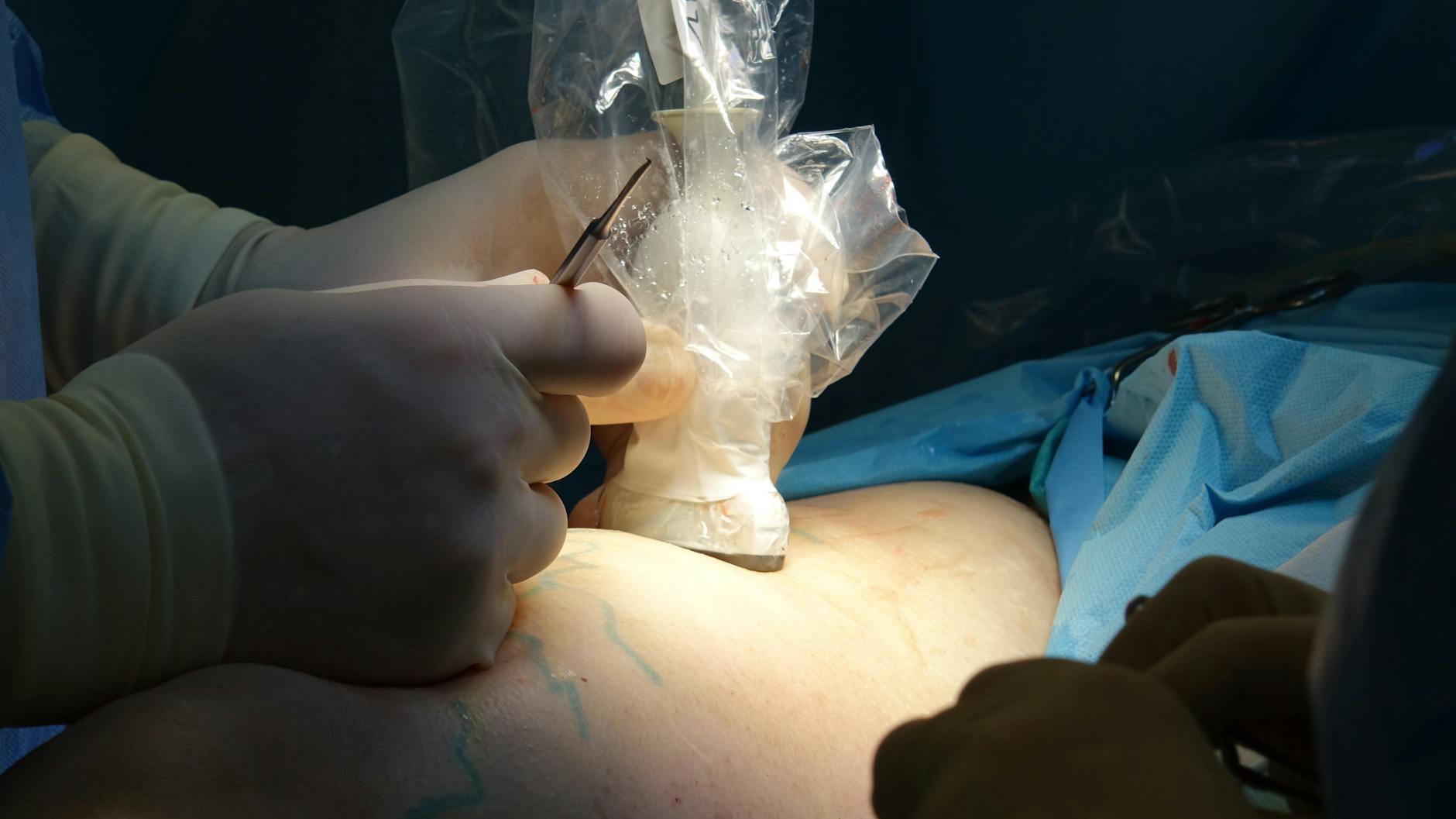
Yes, liposuction death lawsuits are real, increasing, and resulting in substantial settlements. In January 2026, a Georgia family was awarded $52 million in damages after their relative died following a liposuction and Brazilian butt lift procedure at a cosmetic surgery clinic. The death of Doris Jordan in December 2019—just weeks after her procedure—represents one of the largest liposuction death settlements on record, reflecting both the severity of what went wrong and the growing recognition that these deaths are often preventable.
While liposuction is commonly advertised as a simple cosmetic procedure, it carries genuine mortality risks that exceed those of other elective surgeries, and the medical and legal communities are only now holding practitioners accountable. The stakes are stark: approximately 1 in 5,000 liposuction procedures ends in death, according to research by California plastic surgeons—roughly 20 times higher than the fatality rate for other elective cosmetic surgeries. Recent investigations by KFF Health News and NBC News have exposed widespread misleading advertising and inadequate safety oversight at cosmetic surgery chains, revealing that many patients have no idea they’re undergoing procedures at unlicensed facilities or with surgeons who lack proper board certification. The surge in litigation over the past two years reflects a critical gap between how these procedures are marketed and how safely they’re being performed.
Table of Contents
- How High Is the Risk of Death From Liposuction?
- What Complications Lead to Liposuction Deaths?
- Major Liposuction Death Cases and Settlements (2025-2026)
- What Factors Put You at Higher Risk?
- Warning Signs of Unsafe Cosmetic Surgery Centers
- Legal Options If You’ve Been Harmed by Liposuction
- Regulatory Changes and the Future of Liposuction Safety
- Conclusion
How High Is the Risk of Death From Liposuction?
Liposuction carries a documented fatality rate ranging from 1.3 deaths per 50,000 procedures to as high as 1 in 5,000 cases, depending on the facility, surgeon qualifications, and procedure type. Some studies estimate the range even wider, at 2.6 to 20.6 deaths per 100,000 cases. To put this in perspective, this mortality rate is significantly higher than other elective cosmetic surgeries, yet many patients believe liposuction is a low-risk lunchtime procedure. The variation in these numbers underscores a critical problem: there is no standardized national registry of liposuction deaths, meaning the true fatality rate may be underestimated.
The risk escalates dramatically when liposuction is combined with fat transfer procedures, particularly gluteal fat grafting (Brazilian butt lifts). While gluteal fat grafting represents only 9.6% of all liposuction cases, it accounts for a disproportionately high number of fatal outcomes. This procedure requires injecting harvested fat deep into the gluteal muscle, where it can enter blood vessels and travel to the lungs, causing a fatal fat embolism. The Terri Bishop case illustrates this risk: the 55-year-old died three weeks after undergoing liposuction combined with fat transfer at Pacific Liposculpture in California, with her case now heading to trial in June 2026.

What Complications Lead to Liposuction Deaths?
The most common complications arising from liposuction are infection (48.7% of all complications), fat embolism (26.8%), and hematoma (21.9%), according to analysis of 30 years of litigation data. While infection and hematoma are typically treatable if caught early, fat embolism is particularly deadly: fat globules can enter the bloodstream during liposuction and travel to the lungs, heart, or brain, causing sudden respiratory failure, heart attack, or stroke. Patients may not show symptoms immediately—some develop fat embolism syndrome within hours or days of surgery—making post-operative monitoring critical.
A major limitation of current safety oversight is that many complications go unreported or are classified as minor by facilities with financial incentives to downplay adverse events. The Rachel Tussey case, filed in April 2026, highlights another deadly complication pathway: inadequate anesthesia management. The 24-year-old influencer died from an opioid overdose when an unqualified post-anesthesia nurse allegedly administered a fatal fentanyl overdose during her tummy tuck and liposuction at JourneyLite Surgery Center in Ohio. This case reveals that deaths aren’t always directly caused by the liposuction technique itself—they can result from poor facility protocols, inadequately trained staff, and lack of proper anesthesia oversight.
Major Liposuction Death Cases and Settlements (2025-2026)
The Doris Jordan settlement represents the current benchmark for liposuction death litigation. Jordan died in December 2019, three weeks after undergoing liposuction and a Brazilian butt lift at Sei Bello clinic in Georgia. In January 2026, Gwinnett County Superior Court awarded her family $52 million in total damages, including $16 million for pain and suffering and $36 million for wrongful death. The substantial award reflects the court’s determination that the clinic’s negligence directly caused her death and that the family’s losses were substantial and preventable. Multiple other cases are advancing in 2026.
Dr. Heidi Regenass, a California surgeon, has been linked to three patient deaths following liposuction and fat transfer procedures within months of each other. One case has already settled; two others remain pending with trial scheduled for June 2026. Additionally, the Terri Bishop case and Rachel Tussey case are both set for trial in June 2026, meaning families and juries will have the opportunity to hear evidence about what went wrong and assign damages. These cases will likely set new precedents for liposuction death litigation and may result in settlements exceeding the Jordan award.
What Factors Put You at Higher Risk?
Analysis of 86 liposuction medical legal cases spanning three decades revealed critical risk factors. Critically, 46% of the surgeons who were defendants in liposuction death lawsuits were not board-certified by any American Board of Medical Specialties (ABMS) board. This means nearly half of the surgeons involved in fatal liposuction cases lacked the formal training, examination, and oversight that board certification requires. The abdomen was the most frequently litigated procedure site (42% of cases), followed by thighs and gluteal areas (28%), likely because larger volumes of fat removal from these areas increase the risk of complications.
Facility type also matters significantly. Liposuction performed in accredited surgical centers with proper anesthesia staffing and comprehensive safety protocols carries lower mortality risk than procedures at cosmetic surgery clinics that operate with minimal regulation. The range of 2.6 to 20.6 deaths per 100,000 cases reflects these facility and provider disparities—the highest-risk settings are often storefront clinics with limited surgical experience and inadequate emergency protocols. Age, overall health, and the extent of liposuction also influence risk: larger volume procedures (more than 4,000-5,000 milliliters removed) carry greater risk than smaller procedures.
📨 Get Free Mass Tort Guides Alerts
Free · No spam · Unsubscribe anytime
Warning Signs of Unsafe Cosmetic Surgery Centers
A 2026 investigation by KFF Health News and NBC News exposed widespread misleading advertising and inadequate safety scrutiny at cosmetic surgery chains operating across the United States. Many facilities advertise procedures as “simple,” “risk-free,” or performed by “board-certified surgeons” when in reality the surgeons lack board certification or the facility operates with minimal regulatory oversight. Patients often don’t realize they’re at an unlicensed or minimally regulated clinic until complications arise.
Red flags include: facilities that prioritize rapid scheduling and low prices over thorough consultations; lack of clear information about the surgeon’s credentials and experience; absence of on-site emergency equipment and trained anesthesia personnel; and aggressive marketing promising dramatic results with minimal downtime. The California Medical Board filed a complaint in February 2026 against Dr. Heidi Regenass alleging “repeated negligent acts” in a non-death case, demonstrating that regulatory bodies are beginning to take action—but only after serious harm or death occurs. Many cosmetic surgery centers operate in a regulatory gray zone where inspections are rare and enforcement is reactive rather than preventive.

Legal Options If You’ve Been Harmed by Liposuction
If you or a family member has been seriously injured or died as a result of liposuction, you may have grounds for a medical malpractice lawsuit. The most common litigation drivers in liposuction cases are inadequate informed consent (patients not warned of genuine risks), procedural errors (improper technique, excessive volume removal), poor communication with patients, and insufficient postoperative care. Documentation is critical: gather all medical records, photographs of complications, communications with the facility, and testimony from medical experts about the standard of care.
Wrongful death cases—where a patient dies as a result of surgical negligence—can result in substantial damages covering funeral costs, lost income, pain and suffering, and punitive damages if the provider’s conduct was particularly reckless. The Doris Jordan settlement demonstrates that juries and judges take these cases seriously when evidence shows the provider failed to meet the standard of care. Many liposuction death cases are now being pursued as class actions or aggregated in litigation if multiple patients of the same provider were harmed, which increases settlement leverage.
Regulatory Changes and the Future of Liposuction Safety
The 2026 KFF Health News and NBC News investigation has intensified regulatory scrutiny of cosmetic surgery providers. The FDA, which historically has had limited oversight of cosmetic procedures compared to surgical devices, is facing pressure to establish clearer safety standards. California’s Medical Board has begun filing complaints against surgeons with histories of patient deaths, signaling a shift from reactive to proactive enforcement.
However, major gaps remain: there is no mandatory national registry of cosmetic surgery complications or deaths, many states have minimal licensing requirements for cosmetic surgery centers, and insurance requirements vary widely. Looking ahead, litigation will likely drive safety improvements faster than regulation. As more families win substantial settlements in liposuction death cases—particularly in 2026 with multiple high-profile cases heading to trial—cosmetic surgery chains and providers will face increasing pressure to improve safety protocols, hire qualified anesthesia personnel, implement comprehensive informed consent procedures, and establish robust postoperative monitoring. The convergence of investigative journalism, litigation, and regulatory complaints suggests that the era of marketing liposuction as a consequence-free procedure is ending.
Conclusion
Liposuction death lawsuits represent a growing category of medical malpractice litigation reflecting both genuine medical risks and widespread failure of providers and regulators to protect patients adequately. With mortality rates as high as 1 in 5,000 procedures and settlements now exceeding $50 million, these cases have significant stakes both for families and for the cosmetic surgery industry.
The major factors driving deaths—unqualified surgeons, inadequate anesthesia oversight, misleading advertising, and poor postoperative care—are largely preventable through proper regulation, board certification requirements, and comprehensive informed consent. If you or a family member has been harmed by liposuction, consult with a medical malpractice attorney who can review your medical records and determine whether negligence played a role in your injury or death. The recent surge in settlements and litigation suggests this is an active area of legal liability, and providers and facilities are increasingly being held accountable for preventable deaths.