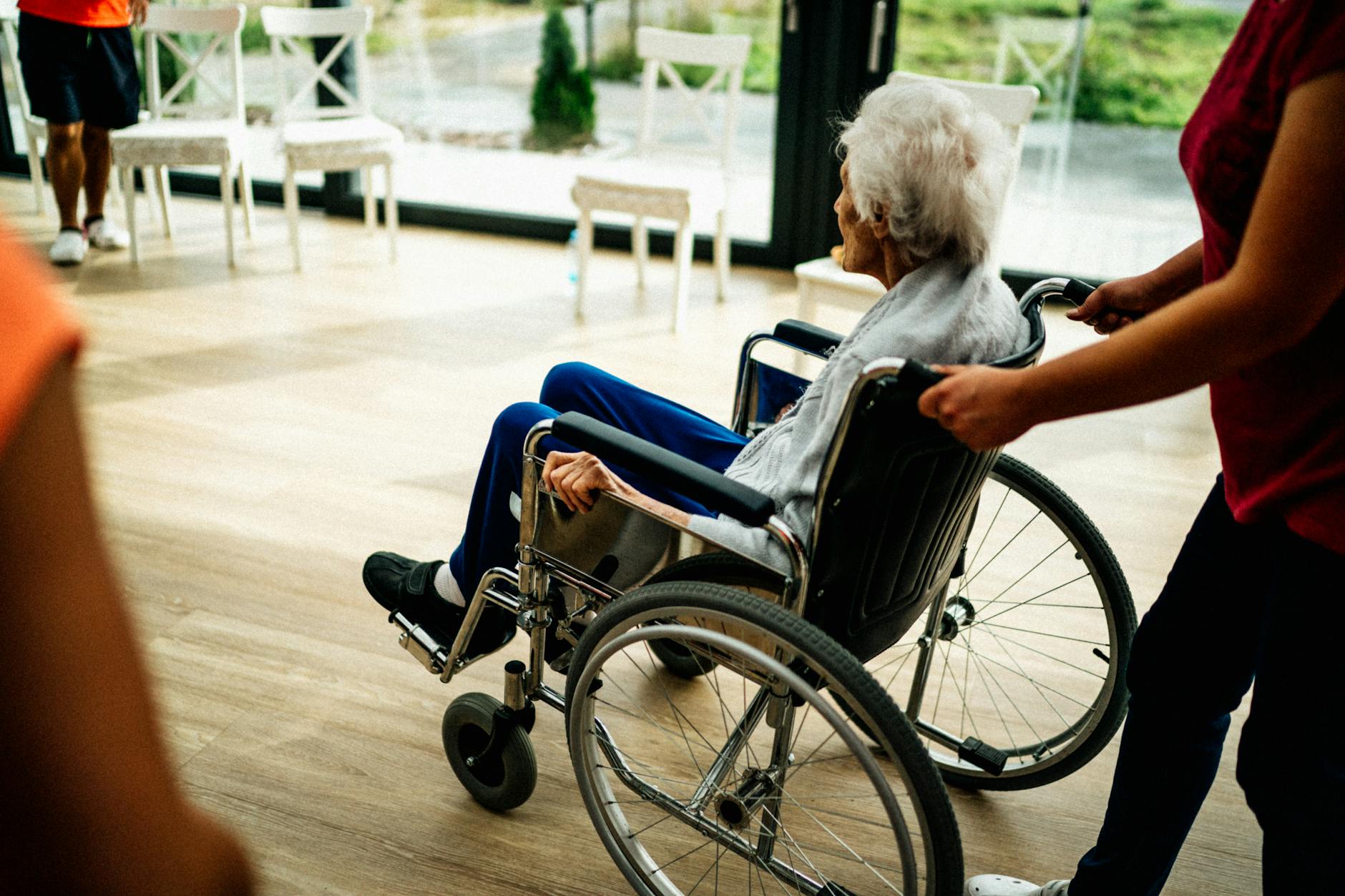
A wrongful death nursing home lawsuit is a legal claim brought by family members or the estate of a deceased resident when death results from the facility’s neglect, abuse, or inadequate care. These cases have become increasingly common as families discover that their loved ones died preventable deaths due to understaffing, medication errors, failure to provide basic care, or dangerous conditions. For example, in a landmark 2026 California case, a nursing home paid $110 million in damages after a resident with dementia wandered outside unsupervised and died from hypothermia—a tragedy that could have been prevented with proper supervision and facility security.
Wrongful death settlements in nursing home cases typically range from $100,000 to $750,000, with an average of approximately $248,000 to $406,000 depending on the circumstances and location. However, more severe cases involving preventable deaths from medication errors, lack of wound care, or systemic negligence can reach $1 million to $4 million or beyond. These settlements represent not only compensation for lost earnings and medical expenses, but also recognition that the facility’s failures directly caused a resident’s death.
Table of Contents
- What Constitutes a Wrongful Death Nursing Home Case?
- How Settlement Amounts Are Determined in These Cases
- The Role of Corporate Negligence in Wrongful Death Claims
- Settlement vs. Trial: What Most Families Can Expect
- Common Obstacles in Wrongful Death Cases and Realistic Timelines
- Evidence Required to Build a Strong Wrongful Death Case
- The Future of Nursing Home Accountability
- Conclusion
What Constitutes a Wrongful Death Nursing Home Case?
A wrongful death claim in a nursing home context requires proving that the facility, through acts or omissions by its staff, directly caused or substantially contributed to the resident’s death. Common scenarios include failure to prevent falls in a resident with known fall risk, administering incorrect medications, failing to treat infections or wounds, neglecting nutrition and hydration, and failing to supervise residents at risk of wandering. These are not cases where a resident simply passed away from natural causes; they are cases where death was accelerated or entirely caused by substandard care.
One recent example illustrates this distinction: in a $1.37 million Pennsylvania settlement, a rehabilitation facility failed to properly monitor and care for a resident’s post-surgical site, which became infected. The infection was not treated promptly, and the resident died from complications that were entirely preventable with standard wound care protocols. Similarly, the $1.75 million Ohio settlement involved a facility that failed to provide basic care, resulting in the resident’s death. These cases succeed because they demonstrate a direct chain of causation from the facility’s breach of duty to the resident’s death.

How Settlement Amounts Are Determined in These Cases
Settlement values in wrongful death cases depend on multiple factors: the resident’s age at death, their life expectancy, projected lost income and benefits, medical expenses incurred before death, pain and suffering, the strength of evidence showing negligence, and the defendant facility’s financial resources. A 70-year-old resident with 15 years of expected life remaining will typically generate a smaller settlement than a 55-year-old, even if the neglect was similar. However, cases involving particularly egregious conduct—such as intentional abuse, gross negligence, or corporate policies that prioritized profits over safety—often command premium valuations.
Industry data shows that settlement amounts have risen significantly over the past six years: from an average of $216,428 in 2018 to $245,559 in 2021 and $251,296 in 2024. This upward trend reflects both increasing jury verdicts and growing public awareness of nursing home problems. One important limitation to understand: while a family may believe their loved one’s care was substandard, proving that the facility’s specific failures directly caused death requires expert medical testimony and is often more challenging than proving abuse or neglect occurred. Some families settle for lower amounts rather than pursue the case to trial, where the outcome is uncertain.
The Role of Corporate Negligence in Wrongful Death Claims
Modern wrongful death litigation has shifted focus from individual employee negligence to corporate-level failures. Attorneys increasingly argue that resident deaths result from corporate cost-cutting strategies—inadequate staffing, failure to invest in training, unsafe facility design, and policies that prioritize profit margins over resident safety. This legal strategy has proven effective, as juries and judges recognize that systemic problems are more culpable than isolated worker error. The timing of this shift is significant.
In February 2026, the Centers for Medicare and Medicaid Services (CMS) abolished federal minimum staffing criteria for long-term care facilities—a decision that nursing home advocates worry will exacerbate staffing shortages and lead to more preventable deaths. Currently, approximately 10% of older adults in U.S. long-term care experience some form of abuse or neglect, and 12% of nursing home staff have admitted to neglecting residents on the job. With 15,000 nursing home abuse and neglect complaints reported annually, the scale of the problem is substantial, and families pursuing wrongful death claims are increasingly able to demonstrate that deaths were not anomalies but predictable consequences of corporate policy.

Settlement vs. Trial: What Most Families Can Expect
The majority of wrongful death nursing home lawsuits are settled out of court rather than decided by jury verdict. Settlements typically occur after discovery reveals damaging evidence about the facility’s practices, staffing levels, training records, and prior complaints. Families who accept settlements gain several advantages: immediate compensation without the cost and stress of trial, predictable outcomes, and privacy (settlements are often confidential). However, the tradeoff is that settlements are usually lower than what juries award in high-profile cases.
For perspective, consider the $110 million California verdict against a nursing home that allowed a dementia resident to wander away to his death—this represents a jury’s assessment that the facility’s negligence was gross and the compensatory and punitive damages warranted. Most families, however, settle cases for $200,000 to $500,000 before reaching trial. This reflects the reality that while families have a strong case, trials involve expense, uncertainty, and delay. A family that receives a $350,000 settlement within 18 months may actually gain more value than waiting three years for a $500,000 verdict after appeal.
📨 Get Free Mass Tort Guides Alerts
Free · No spam · Unsubscribe anytime
Common Obstacles in Wrongful Death Cases and Realistic Timelines
One significant obstacle in wrongful death litigation is the requirement to prove not merely that care was poor, but that the poor care specifically caused death. A facility might have documented understaffing, missed medication doses, and ignored fall risks—yet if the resident would likely have died regardless due to terminal illness, the causation link weakens. This is why wrongful death cases often require expert medical testimony costing $5,000 to $15,000 or more, and why not every case of nursing home neglect becomes a successful wrongful death claim.
Additionally, families should understand that litigation timelines are lengthy. From the date of death to final settlement or verdict, cases typically require 18 months to four years, depending on jurisdiction and complexity. Some families lack the emotional capacity to pursue a claim over this timeline, particularly when grief is compounded by the legal process. Another realistic limitation: nursing facilities often have insurance coverage capping damages, and some smaller facilities lack substantial assets, meaning settlements may be constrained by the facility’s ability to pay regardless of the claim’s strength.

Evidence Required to Build a Strong Wrongful Death Case
Successful wrongful death claims rest on documentation: medical records showing what care was provided (or not provided), facility incident reports, staffing schedules proving inadequate coverage, training records demonstrating staff were not qualified to recognize warning signs, prior complaints from other residents or families, and communications between management discussing cost controls or staffing cuts. The strongest cases often involve internal emails or memos revealing that management knew of safety risks but did nothing to address them.
For instance, in the $2 million California settlement for a wife with dementia who was denied appropriate care, evidence showed the facility had received multiple prior complaints about care quality, had documented staffing shortages, and had training records indicating inadequate dementia care preparation. This pattern of prior knowledge combined with continued neglect strengthened the wrongful death claim substantially.
The Future of Nursing Home Accountability
As of March 2026, firms like Sokolove Law alone have recovered over $318 million in nursing home abuse compensation nationwide, signaling both the scale of the problem and the increasing willingness of facilities to settle rather than defend cases. The recent CMS decision to eliminate federal minimum staffing criteria may paradoxically strengthen future wrongful death claims by making corporate negligence in staffing decisions even more apparent and legally defensible as gross negligence.
The trajectory of settlement amounts—rising from $216,000 averages a decade ago to $250,000+ in recent years—suggests that juries and judges increasingly recognize the severity of nursing home failures and the value of preventable deaths. Families pursuing wrongful death claims today benefit from this legal environment, though outcomes remain highly case-specific.
Conclusion
A wrongful death nursing home lawsuit is a serious claim that requires proving the facility’s failure of care directly caused the resident’s death. Settlements typically range from $100,000 to $750,000 for standard cases, with high-profile cases and those involving severe negligence reaching $1 million to $4 million or more.
Most cases settle out of court, offering families faster compensation than trial but typically at lower amounts than jury verdicts. If you have lost a family member in a nursing home under circumstances suggesting neglect or abuse, consult with an attorney experienced in nursing home wrongful death litigation. These cases require expert evaluation of medical causation and careful documentation of the facility’s failures, but families pursuing valid claims today benefit from a legal environment increasingly skeptical of corporate cost-cutting and increasingly willing to hold facilities accountable.
You Might Also Like
- Choking Death Nursing Home Lawsuit
- COVID Nursing Home Death Lawsuit
- Understaffing Nursing Home Lawsuit