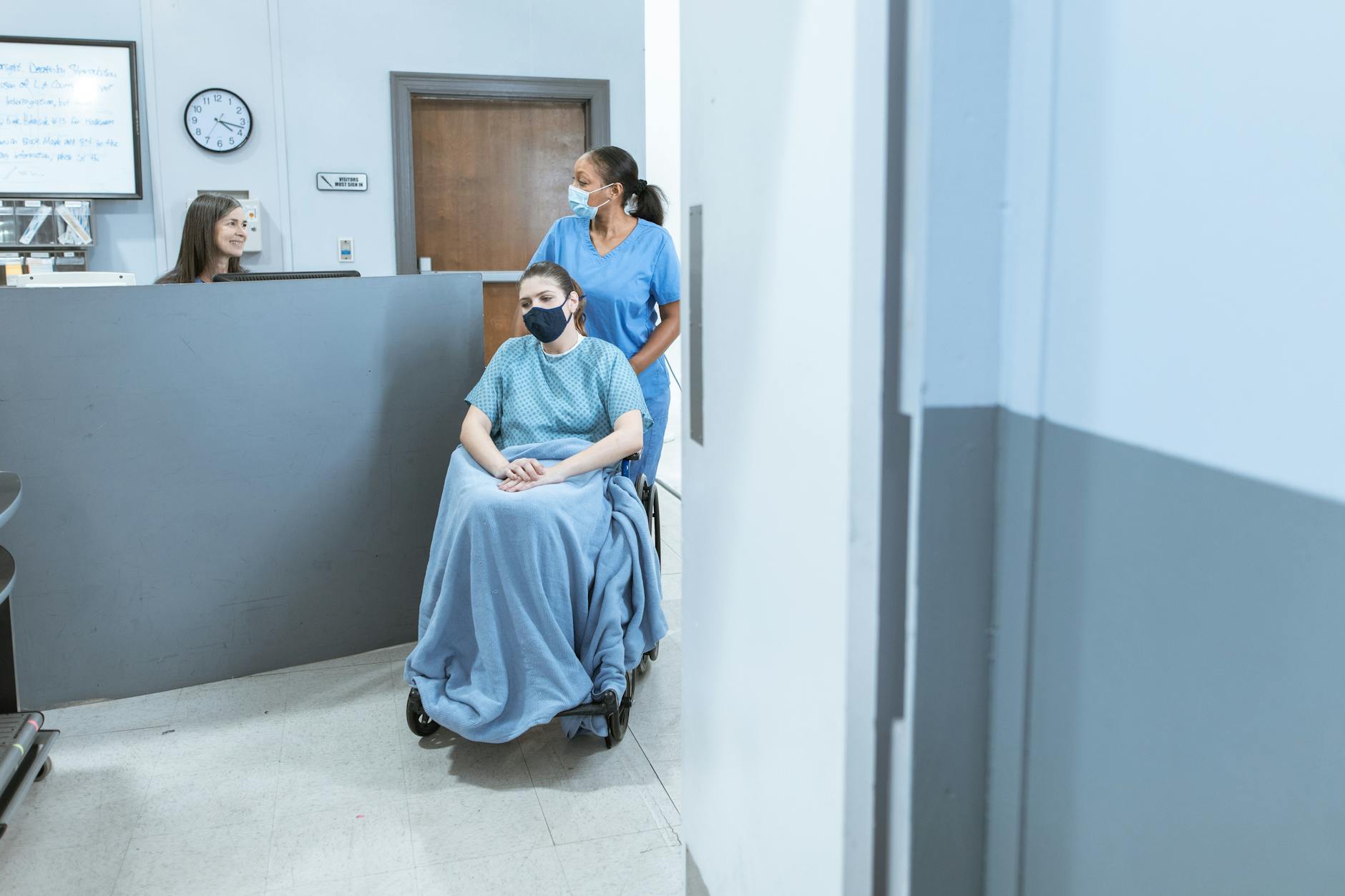
Understaffing nursing home lawsuits are legal claims brought against facilities operating with insufficient staff to meet residents’ care needs. These lawsuits assert that inadequate staffing directly leads to neglect, injuries, infections, and preventable deaths—making nursing home operator understaffing one of the most actionable areas of elder abuse litigation today. In April 2026, a Cook County judge ruled that a proposed class-action lawsuit against Alden Group nursing homes can proceed to discovery, with allegations that the facilities operated at approximately half of legally required staffing levels and reported “ghost” workers to regulators, potentially affecting thousands of current and former residents.
The scope of understaffing in American nursing homes is staggering. A recent analysis shows that 9 in 10 nursing homes (approximately 90%) fall below expected staffing levels, with the average facility understaffed by 24-25 percent daily. This translates to roughly 1.14 million residents currently living in facilities that do not meet basic clinical staffing needs. For these residents, understaffing creates a direct path to harm: fewer hands to monitor wound care, assist with mobility, respond to emergencies, and prevent dangerous complications like bedsores that can develop in as little as one week.
Table of Contents
- What Types of Harm Result from Nursing Home Understaffing?
- How Does Understaffing Lead to Liability and Lawsuits?
- What Are Recent Major Understaffing Cases and Verdicts?
- How Has the Pandemic Affected Nursing Home Staffing and Litigation?
- What Are the Common Defenses, and What Should Families Watch For?
- What Role Do Staffing Records and “Ghost Workers” Play in These Cases?
- What Does the Future of Nursing Home Staffing Litigation Look Like?
- Conclusion
What Types of Harm Result from Nursing Home Understaffing?
When nursing homes operate with skeleton crews, specific harms to residents follow predictably. Residents experience preventable falls due to insufficient assistance with mobility, hospital-acquired infections from inadequate hygiene protocols, medication errors from nurses managing too many patients, severe pressure injuries (bedsores) from lack of repositioning, malnutrition and dehydration when fewer staff monitor intake, and delayed response to cardiac events or strokes. In one recent verdict, a jury awarded $15.75 million in January 2026 after finding that severe neglect at Windsor Vallejo Care Center led to a 96-year-old woman’s preventable death from a bedsore that developed in just one week—a stark reminder of how quickly inadequate staffing becomes lethal.
The average nursing home staffing data reveals just how thin care has become. Current Medicare data shows that the average facility provides only 3.77 total nurse hours per resident per day, with just 0.62 of those hours coming from registered nurses (RNs) qualified to handle complex medical assessments. Even more alarming, 36 percent of nursing homes reported zero time from a medical director—physicians who are supposed to oversee clinical care and quality. This is not a minor efficiency gap; it represents a structural inability to deliver safe care, particularly for residents with dementia, serious infections, or post-surgical conditions requiring close monitoring.

How Does Understaffing Lead to Liability and Lawsuits?
Nursing homes have specific legal obligations under both state and federal law to maintain minimum staffing levels. When operators knowingly fall below these thresholds to boost profits, or when they misrepresent their staffing to regulators (as alleged with Alden Group), they create direct liability for resident injuries. Plaintiffs’ attorneys can prove causation by showing that a specific gap in staffing led to delayed treatment, unmonitored deterioration, or failure to follow care protocols. The Alden Group case demonstrates how class-action litigation can aggregate harm across multiple facilities and thousands of residents, making it economically viable to challenge even the largest operators.
One important limitation in recent litigation is that the regulatory environment shifted dramatically in early 2026. The Trump administration published an Interim Final Rule on December 3, 2025, withdrawing the Biden-era minimum staffing requirements for Medicare and Medicaid nursing homes. This rule officially took effect on February 2, 2026, eliminating the federal floor for nurse staffing ratios. This creates a troubling gap: lawsuits based on violation of federal staffing standards are now harder to pursue, even though the underlying harms to residents have not decreased. Plaintiffs’ attorneys must increasingly rely on state laws, contractual promises to residents, and claims of negligence rather than regulatory violations—a higher burden of proof that may advantage well-resourced defendants.
What Are Recent Major Understaffing Cases and Verdicts?
The Alden Group class-action lawsuit is one of the most significant developments in nursing home litigation in 2026. Alden is one of the largest nursing home operators in the United States, and the April 2026 ruling allowing the case to proceed to discovery opens the door to document production that could expose widespread, systematic understaffing across the chain. The allegations—that facilities operated at half of required staffing levels—suggest deliberate cost-cutting rather than isolated management failures, which increases the potential for punitive damages and class-wide recovery. California’s Attorney General filed a separate understaffing lawsuit against Sweetwater Care, a San Diego-based operator of 19 skilled nursing facilities.
This state-level enforcement action signals that prosecutors view nursing home understaffing as a public health and consumer protection issue, not merely a private civil matter. Such governmental actions often accelerate settlements and can influence jury expectations in parallel private lawsuits. The Windsor Vallejo verdict—$15.75 million for a single resident’s death—provides a benchmark for damages. While that case involved extreme neglect, it demonstrates that juries are willing to assign substantial liability when staffing failures directly contribute to preventable harm, particularly in cases involving elderly or vulnerable residents.

How Has the Pandemic Affected Nursing Home Staffing and Litigation?
The COVID-19 pandemic created both a staffing crisis and a litigation catalyst in nursing homes. During lockdowns, many facilities experienced staff departures due to burnout, inadequate protective equipment, and wage stagnation. What followed was a failure to rehire at pre-pandemic levels: according to recent analysis, 72 percent of nursing homes had lower staffing levels in 2024 than they did before the pandemic began. This means that four years after the acute crisis, the damage to care capacity remains unrepaired—a pattern that suggests cost-cutting has become permanent rather than temporary.
For litigation purposes, this post-pandemic decline creates evidentiary advantage for plaintiffs. They can show that operators had years to rebuild staffing, faced no systematic barriers to hiring, and made a business choice to prioritize margins over care. Families can compare pre-pandemic to current staffing levels and demonstrate conscious decisions to operate leaner. The tradeoff is that federal rule rescission in 2026 limits plaintiffs’ ability to point to specific regulatory violations; they must instead build cases on state standards, which vary widely. In Iowa, for example, five nursing homes were cited for staffing violations within an eight-week period in April 2026, but violations do not automatically generate suits—they require families to recognize harm, hire attorneys, and navigate the litigation process.
📨 Get Free Mass Tort Guides Alerts
Free · No spam · Unsubscribe anytime
What Are the Common Defenses, and What Should Families Watch For?
Nursing home defendants in understaffing cases typically claim that they met all applicable legal standards at the time care was delivered (a claim now easier to make after federal rule rescission), that staffing levels were adequate relative to resident acuity on the specific day in question, or that harm resulted from a resident’s underlying medical condition rather than inadequate supervision. They may argue that the specific nurse on duty made an individual error, not that the facility’s overall staffing model was deficient. These defenses are more persuasive post-2026 because there is no longer a clear federal floor to establish what “adequate” staffing should be. A critical warning for families: understaffing cases require solid documentation.
Families should preserve care records, incident reports, staffing schedules, and any communications with staff indicating they were overwhelmed or that tasks went undone. Medical experts will need to opine that staffing gaps contributed to or caused the harm—a necessary but expensive step. Additionally, families should understand that litigation timelines are long; the Alden Group case may take years to resolve despite the April 2026 discovery ruling. Meanwhile, nursing home litigation is increasingly concentrated among a small number of experienced plaintiffs’ firms; choosing an attorney with a track record in understaffing cases (not just general personal injury) significantly improves outcomes.

What Role Do Staffing Records and “Ghost Workers” Play in These Cases?
One of the most damaging allegations in the Alden Group lawsuit is that facilities reported “ghost” workers to regulators—staff who were listed on payroll and compliance documents but were not actually present to provide care. This fraud-on-regulators claim is particularly powerful because it shows intentional deception rather than inadvertent understaffing. If regulators approved the facility based on fraudulent staffing documentation, the facility cannot credibly claim it met legal standards. Discovery in the Alden Group case will likely reveal internal communications showing how operators managed this discrepancy, potentially exposing a coordinated practice across multiple locations.
Staffing records are also valuable because they create an objective baseline. Plaintiffs’ attorneys can compare actual staffing to what the facility promised to residents or their families, what it reported to Medicare and Medicaid, and what clinical guidelines recommend for facilities serving residents with specific conditions. If a memory care unit claimed to have one aide per five residents but actually staffed one aide per twelve residents, that specific gap can be documented and linked to harm. The challenge is that many facilities destroyed or failed to preserve detailed staffing records, particularly from periods before litigation was anticipated.
What Does the Future of Nursing Home Staffing Litigation Look Like?
The rescission of federal staffing requirements in February 2026 fundamentally changes the legal landscape for understaffing cases. Plaintiffs can no longer point to a clear federal standard; instead, they must navigate a patchwork of state regulations, which vary from fairly protective to essentially nonexistent. This creates an opportunity for state-level litigation (as seen in California) and for private contract-based claims (residents rely on facility representations about staffing in admissions documents). However, it also means that large operators can shop for business in low-regulation states, and that residents in states with weaker staffing laws face reduced protection.
Looking forward, nursing home staffing litigation will increasingly depend on private attorney general statutes, fraud claims, consumer protection laws, and pure negligence theories rather than regulatory violations. The Alden Group case and similar class actions will be critical precedents for establishing what reasonable staffing is under a deregulated model. Families and advocates should expect the litigation pace to accelerate in 2026 and 2027 as the full impact of rule rescission becomes clear and aging baby boomers create demographic pressure for care. The window for pursuing claims based on pre-rescission federal standards is now effectively closed, making 2026 the last year for many cases to rely on that legal theory.
Conclusion
Understaffing nursing home lawsuits address a structural crisis in American elder care: facilities operating with insufficient staff to provide safe, dignified care, often cutting corners to increase profitability. Recent major cases—the Alden Group class action, the California Attorney General lawsuit against Sweetwater Care, and the $15.75 million Windsor Vallejo verdict—demonstrate that there is real accountability available through litigation, but only for families who recognize harm, document it, and act quickly with experienced counsel. The data is unambiguous: 90 percent of nursing homes are understaffed, 1.14 million residents live in facilities below minimum care standards, and adequate staffing directly prevents deaths and serious injuries.
If you suspect your loved one is experiencing harm due to understaffing, document everything: incident reports, staffing schedules, medication errors, falls, infections, and any communication from staff indicating they are overwhelmed. Contact an attorney experienced in nursing home litigation immediately, as time limits (statutes of repose) apply. The legal and regulatory environment is shifting rapidly; cases filed now should proceed under more favorable legal standards than cases filed after 2026. The harm from nursing home understaffing is real and preventable, and the legal system provides a path to accountability and compensation for families willing to pursue it.