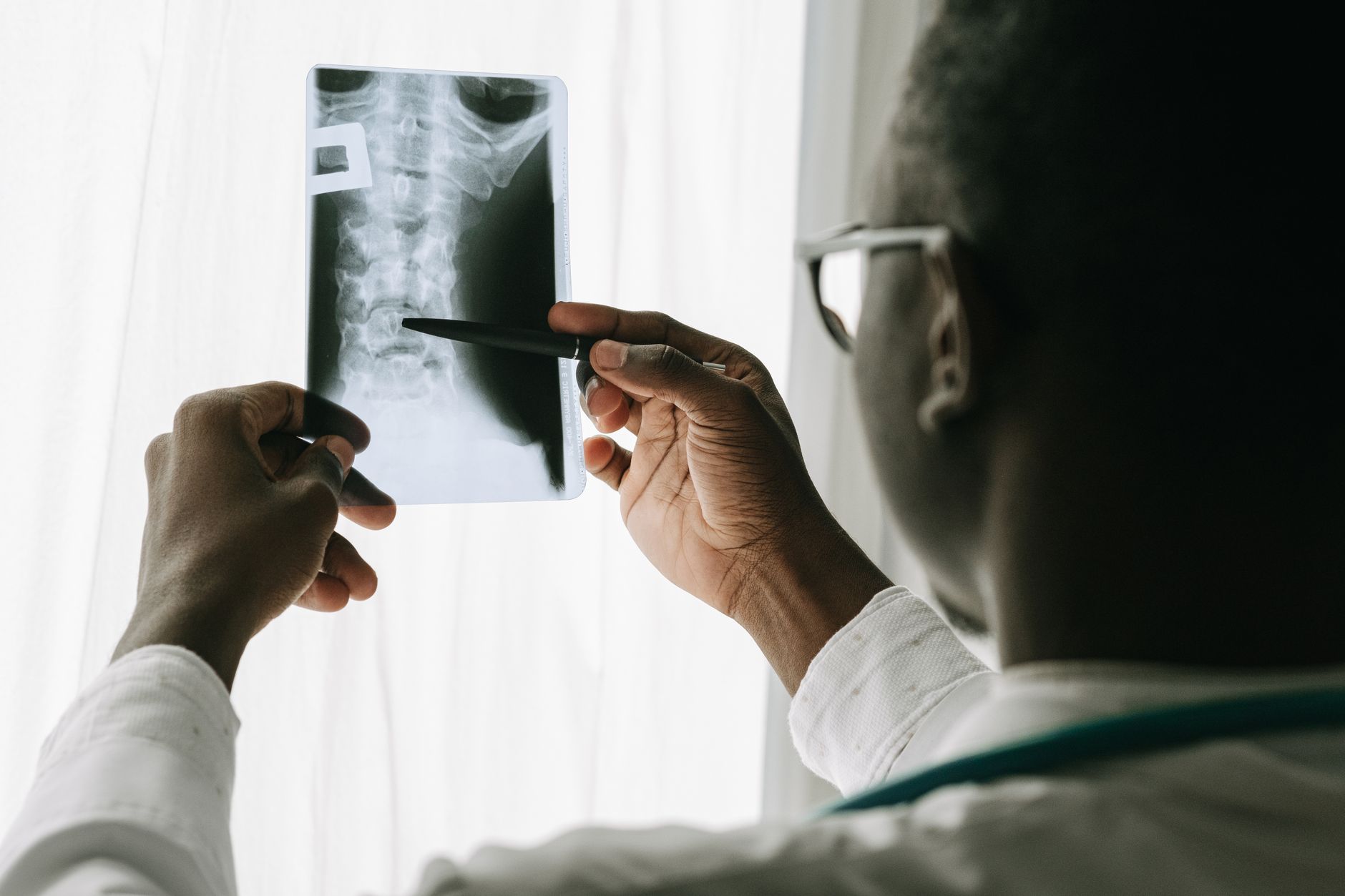
There is no global payout for spinal cord stimulator cases. Each MDL claim stays an individual lawsuit that moves through coordinated pretrial steps. A spinal cord stimulator is an implanted device that sends electrical pulses to ease chronic pain. Federal cases are now grouped by maker in three separate MDLs, which streamline discovery and motions without merging claims into a class action.
Official resource:
- Read the original report from Uscourts — Use this primary source to review the complete report.
Table of Contents
- Which MDL Covers Your Device?
- What Injuries Are Behind These Claims?
- Why Settlement Ranges Are Not Payouts
- What Records Support an MDL Claim?
Which MDL Covers Your Device?
On June 5, 2026, the Judicial Panel on Multidistrict Litigation created MDL No. 3181 for Boston Scientific cases, according to Marin & Murphy Law in its transfer order summary. The order centralizes federal suits in the Central District of California before Judge Josephine L. Staton. It rejected a single industry-wide MDL. On October 2, 2026, the Panel created two more maker-specific MDLs, according to Becker's Spine Review in its report on the two new MDLs.
MDL No. 3194 covers Abbott cases in the Northern District of Illinois. MDL No. 3195 covers Nevro cases in the Northern District of California, and the two proceedings together covered 49 lawsuits. Your device brand controls your venue. A Boston Scientific implant does not belong in the Abbott or Nevro MDL. An Abbott or Nevro implant does not belong in the Boston Scientific MDL.
What Injuries Are Behind These Claims?
DrugWatch reports that plaintiffs allege shocks, burns, lead migration or fracture, nerve damage, loss of pain relief, infection, and revision or removal surgery. Those problems often mean a second procedure to fix, replace, or remove the system. Pain return plus added nerve injury tends to anchor the more serious claims.
On September 3, 2026, FDA classified Boston Scientific's removal of unused Infinion CX stimulator leads as its most serious recall type, according to FDA's recall notice described in Becker's Spine Review recall coverage. The action followed 1,081 serious injuries linked to high impedance or lead fracture reducing pain relief. That recall involved unused leads, so implanted patients need records showing what was actually placed in their bodies.
📨 Get Free Mass Tort Guides Alerts
Free · No spam · Unsubscribe anytime
Why Settlement Ranges Are Not Payouts
No global settlement or bellwether verdict exists yet. MDL coordination preserves individual cases for discovery and motions. Published $275,000-$600,000 ranges are attorney estimates, not court-approved payouts, according to TorHoerman Law in its October 2026 case review. That distinction matters for expectations.
An estimate does not promise a floor, a cap, or a timeline. Your outcome still turns on proof of implant, injury, and treatment, not on an average posted online. Early MDL work usually focuses on records, device identification, and motion practice. Individual settlement talks, if they come, follow that groundwork. A reader should track MDL orders for their own maker rather than national settlement headlines.
What Records Support an MDL Claim?
DrugWatch reports that MDL claimants must document claims with implant, injury, and explant records. Implant records tie you to a covered maker and model.
Injury and removal records tie the device problem to medical care. Gather these sets before a case review: Bring those three record sets to a case review before you assume your device qualifies.
- implant operative note and device identification, showing maker and model
- pain, wound, shock, burn, or loss-of-relief visits after implant
- imaging, reprogramming, revision, or explant notes and bills
You Might Also Like
- Spinal Cord Stimulator Lawsuit Update: Who Qualifies for a Claim?
- Roundup Lawsuit October 2026 Settlement Update Explained
- Spinal Cord Stimulator Lawsuit: October 2026 Eligibility Update