A radiology misread lawsuit is a medical malpractice claim filed when a radiologist fails to correctly interpret medical imaging—such as X-rays, CT scans, ultrasounds, or MRIs—resulting in a missed or delayed diagnosis that causes patient harm. These lawsuits allege that the radiologist’s error fell below the standard of care expected in the profession and directly led to worsened health outcomes, increased treatment costs, or death. Recent settlements and verdicts demonstrate the financial stakes: a 2026 Virginia case resulted in a $1.3 million settlement after a radiologist misinterpreted an ultrasound, failing to recognize signs of bowel obstruction and ischemia in a six-year-old girl who subsequently died; meanwhile, a Georgia jury awarded $15.5 million in 2024 for a teleradiology misread that occurred during an overnight remote read. Radiology misreads represent one of the most common categories of medical malpractice litigation in the United States.
According to recent data, diagnostic errors account for 82.9% of radiology-related malpractice cases, with an average settlement value of $1,500,690 across the full range of claims. The stakes are particularly high because radiologists serve as the primary gatekeepers for detecting life-threatening conditions—cancer, organ damage, internal bleeding, and structural abnormalities—often before a patient shows symptoms. When a radiologist fails to catch these findings, patients may lose critical time for early intervention, allowing diseases to progress to untreatable stages. Understanding radiology misread lawsuits is essential for patients who suspect they may have been harmed by a radiologist’s error, as well as for anyone seeking to understand the quality controls and accountability mechanisms within medical imaging. The frequency of these cases and the significant damages awarded underscore both the importance of radiologist expertise and the consequences when that expertise falls short.
Table of Contents
- WHAT CAUSES RADIOLOGY MISREADS AND HOW OFTEN DO THEY OCCUR?
- TYPES OF ERRORS IN RADIOLOGY MALPRACTICE CLAIMS
- SETTLEMENT AMOUNTS AND CASE OUTCOMES IN RADIOLOGY LITIGATION
- HOW DIAGNOSTIC ERRORS DIFFER FROM PROCEDURAL AND COMMUNICATION FAILURES
- THE ROLE OF TELERADIOLOGY AND OVERNIGHT READS IN INCREASING MISREAD RISK
- REAL-WORLD EXAMPLES OF RADIOLOGY MISREADS AND RESULTING SETTLEMENTS
- PREVENTION, QUALITY IMPROVEMENTS, AND THE FUTURE OF RADIOLOGY MALPRACTICE
- Conclusion
WHAT CAUSES RADIOLOGY MISREADS AND HOW OFTEN DO THEY OCCUR?
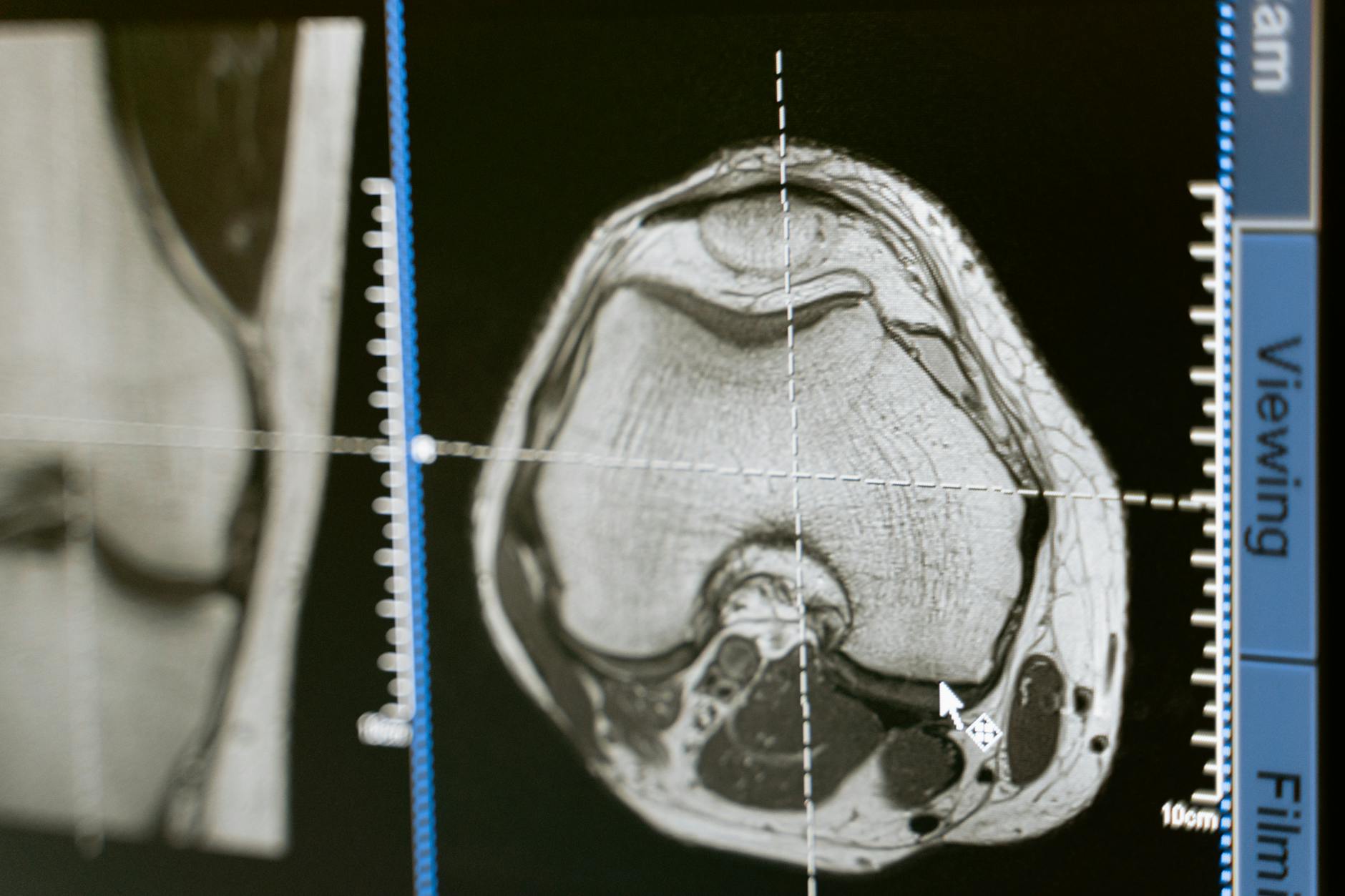
Radiology misreads happen more often than many patients realize. Real-time diagnostic error rates in actual clinical practice range from 3–5%, which translates to approximately 40 million diagnostic errors annually worldwide. However, the severity of error detection increases dramatically when studies are reviewed retrospectively—research shows error rates can reach approximately 30% when images are re-examined after the fact, a phenomenon sometimes called “hindsight bias” in medical contexts. The variation depends heavily on the imaging modality: standard X-rays see error rates of 3–5%, while MRI studies show error rates as high as 30%, reflecting the greater complexity and subtlety of magnetic resonance imaging interpretation. Multiple factors contribute to radiology misreads.
Radiologist fatigue, cognitive biases (such as anchoring on an initial impression), inadequate training, poor image quality, rushed interpretations, and lack of clinical context from the ordering physician all play roles. Teleradiology—where radiologists read images remotely and often overnight—introduces additional risk, as the reading radiologist may lack direct communication with the clinical team and may be working during hours when fatigue is highest. The 2024 Georgia case involving Quality Nighthawk Teleradiology Group exemplifies this risk: the overnight remote read resulted in a critical misinterpretation and a $15.5 million jury award. System-level issues also contribute to error rates. High case volumes, insufficient time per study, and pressure to produce fast turnarounds can incentivize speed over accuracy. The challenge is that radiologists must balance sensitivity (catching all abnormalities) with specificity (avoiding false alarms), and this inherent tension means some misses are arguably inevitable—yet the legal system holds radiologists accountable when their misread falls below the professional standard of care for their specialty and experience level.
TYPES OF ERRORS IN RADIOLOGY MALPRACTICE CLAIMS
The distribution of error types in radiology malpractice litigation reveals that diagnostic errors overwhelmingly dominate the landscape. Of radiology-related malpractice claims, 82.9% involve diagnostic errors—failures to identify or correctly characterize pathology on imaging. Procedural errors account for 9.5% of cases (errors during interventional radiology procedures), while communication errors represent 5.9% (failures to communicate critical findings to the ordering physician or patient). This heavy skew toward diagnostic errors reflects the core function of radiology: accurate interpretation of images to guide clinical decision-making. Certain imaging modalities are implicated more frequently in successful malpractice claims.
Breast imaging accounts for 26.4% of cases, CT imaging for 23.3%, and X-ray for 18.3%. Breast imaging carries particular weight in litigation because missed breast cancer can result in substantial damages—the disease often progresses silently, and a delayed diagnosis can mean the difference between Stage I (highly treatable) and Stage III or IV (much more difficult to treat). The Maryland case exemplifies this risk: a radiologist failed to detect malignancy in early imaging, allowing cancer to progress from a treatable Stage I to an untreatable Stage IV, ultimately resulting in a $3.38 million verdict. A critical limitation in radiology malpractice litigation is the inherent tension between “what should have been seen” and “what is realistically visible.” Retrospective reviews often identify findings that appear obvious after the fact, but were genuinely subtle or ambiguous in real time. Defense attorneys frequently argue that a finding fell below the threshold of detectability or that the image quality was inadequate, while plaintiffs’ attorneys emphasize that a reasonably competent radiologist should have caught the sign. This disagreement is often the crux of expert testimony battles in radiology malpractice trials.
SETTLEMENT AMOUNTS AND CASE OUTCOMES IN RADIOLOGY LITIGATION
Settlement amounts in radiology misread cases vary dramatically based on the type and severity of harm. The average settlement value across all radiology malpractice claims is $1,500,690 USD, with a wide range spanning from $25,000 to $10,200,000. When indemnity (compensation for actual damages) is paid by insurers, the national average per claim is $452,240—a figure notably higher than the combined average across all medical specialties, reflecting the serious nature of diagnostic errors and their impact on patient outcomes. The distribution of case outcomes shows that not all radiology cases result in settlements favoring patients. Among resolved cases, 44.5% are resolved through out-of-court settlements, 27.2% result in verdicts for the defendant (radiologist and/or hospital), and 14.5% are dismissed.
This means that radiologists prevail or escape liability in a significant portion of litigation—approximately 41.7% of cases. This outcome distribution underscores that not all misreads constitute actionable malpractice; instead, the legal standard requires proof that the radiologist’s interpretation fell below the standard of care expected of a reasonably competent radiologist in similar circumstances. Additionally, causation must be established—the plaintiff must prove the misread directly caused or substantially contributed to the injury or worsening of condition. The large variation in settlement amounts reflects differences in case severity, jurisdiction, insurance coverage, and negotiating strength. A misread that results in a six-month delayed diagnosis and successful treatment may settle for far less than a misread that leads to death or permanent disability. Jurisdictions with higher jury awards for medical malpractice (such as Maryland, Georgia, and Virginia, based on the notable cases cited) tend to see higher settlement offers, as both sides factor in the risk of an unfavorable jury verdict.

HOW DIAGNOSTIC ERRORS DIFFER FROM PROCEDURAL AND COMMUNICATION FAILURES
While diagnostic errors account for the vast majority of radiology malpractice claims, procedural and communication errors represent distinct categories of liability with different causation pathways. A procedural error occurs during an intervention—such as when a radiologist performs a biopsy, drain placement, or injection guided by imaging and causes injury through technique failure (e.g., perforating an organ, hitting a blood vessel, or placing a device in the wrong location). A communication error occurs when a radiologist correctly identifies a critical finding but fails to communicate it effectively to the ordering physician or patient, resulting in delayed treatment. Diagnostic errors are typically the hardest to defend but the easiest to identify in retrospect. Once a radiologist acknowledges they missed a finding, the focus shifts to whether the finding “should have been” visible and whether its absence constitutes deviation from the standard of care.
Procedural errors, by contrast, involve questions of technique and judgment during a dynamic intervention. Communication errors occupy a middle ground: the radiologist may have seen the finding but failed to escalate it appropriately, and the legal question becomes whether the failure to communicate was the proximate cause of the patient’s harm. A practical limitation in pursuing communication error claims is proving causation. Even if a radiologist failed to timely communicate a finding, the plaintiff must show that had the information been communicated, the ordering physician would have taken prompt action and the patient would have had a better outcome. If the physician was already aware of the finding through other sources or if delays occurred on the clinical side, the radiologist’s communication failure may not be the proximate cause of harm. This causation requirement makes communication error claims harder to win than diagnostic error claims, where the missed finding itself is more obviously the source of delayed care.
📨 Get Free Mass Tort Guides Alerts
Free · No spam · Unsubscribe anytime
THE ROLE OF TELERADIOLOGY AND OVERNIGHT READS IN INCREASING MISREAD RISK
Teleradiology—the remote interpretation of medical images—has expanded dramatically over the past decade, with many hospitals and imaging centers relying on teleradiology groups to staff overnight and weekend shifts. While teleradiology provides valuable coverage and cost efficiencies, it introduces specific risk factors that increase the likelihood of misreads. The 2024 Georgia case, which resulted in a $15.5 million jury award against Quality Nighthawk Teleradiology Group and radiologist Thomas Bryce, MD, illustrates the liability exposure when overnight remote reads go wrong. The inherent vulnerabilities of teleradiology include radiologist fatigue (overnight reading is cognitively demanding and occurs during non-traditional hours), lack of clinical context (remote radiologists may not have access to the patient’s clinical history, prior studies, or the ability to speak directly with the ordering physician), and pressure to maintain high throughput (teleradiology groups are often compensated by volume, creating incentive to read quickly).
Additionally, if a critical finding is identified, the remote radiologist must communicate it through established escalation protocols, which can introduce delays if protocols are inadequate. Some hospitals have been sued for maintaining teleradiology contracts with insufficient safeguards around stat finding communication. A significant warning: the use of artificial intelligence and machine learning algorithms in radiology is changing the liability landscape. Some teleradiology groups and hospitals are implementing AI-assisted detection systems to flag potential abnormalities for radiologist review. While AI can improve sensitivity in some contexts, it introduces new questions about liability: if an AI system misses a finding that a radiologist should have caught (with or without AI assistance), who bears responsibility? As AI becomes more prevalent, malpractice litigation will increasingly focus on whether radiologists used available decision-support tools appropriately and whether AI integration was implemented safely.

REAL-WORLD EXAMPLES OF RADIOLOGY MISREADS AND RESULTING SETTLEMENTS
The 2026 Virginia settlement involving a six-year-old girl illustrates the devastating consequences of pediatric radiology misreads. The child presented with symptoms of abdominal distress, and an ultrasound was performed. The radiologist’s interpretation failed to recognize signs of small bowel obstruction and intestinal ischemia—a life-threatening condition requiring urgent surgical intervention. The delayed recognition meant the child did not receive the necessary emergency surgery in time, and she subsequently died.
The resulting $1.3 million settlement reflects not only the economic damages (medical care, funeral expenses) but also the non-economic damages for loss of a child. The Maryland case of the missed cancer diagnosis further illustrates the progression problem. A radiologist failed to detect malignancy on early imaging studies, allowing the disease to progress unchecked from Stage I (localized, highly treatable, with survival rates often exceeding 90%) to Stage IV (metastatic, with much lower survival prospects). The $3.38 million verdict recognized both the reduction in life expectancy and the increased suffering caused by the delayed diagnosis. This case exemplifies why breast radiology carries such significant litigation risk: the window for curative treatment in early-stage breast cancer is narrow, and a missed diagnosis can be catastrophic.
PREVENTION, QUALITY IMPROVEMENTS, AND THE FUTURE OF RADIOLOGY MALPRACTICE
The high frequency of radiology misreads—3–5% in real time and up to 30% in retrospective review—has prompted significant interest in prevention and quality improvement strategies. Double-reading protocols, where critical studies are interpreted by a second radiologist, can reduce error rates, though they increase cost and turnaround time. Peer review programs, mandatory CME in specific areas (such as breast radiology), implementation of structured reporting templates, and integration of prior imaging for comparison have all been shown to reduce diagnostic errors in research settings. Artificial intelligence and machine learning represent a frontier in radiology quality improvement.
AI systems trained on large datasets can identify patterns associated with malignancy, vascular disease, and other conditions with high sensitivity, potentially flagging subtle findings that radiologists might miss. However, AI is not a substitute for radiologist expertise—AI can miss findings in unusual presentations, and AI algorithms can perpetuate biases present in their training data. The future of radiology malpractice will likely involve questions about whether radiologists appropriately utilized available AI tools and whether AI integration was implemented with adequate validation and oversight. Looking forward, the radiology field faces increasing pressure to reduce diagnostic error rates while managing rising case volumes and staffing shortages. Hospitals and imaging centers that invest in quality improvement infrastructure, continue education for radiologists, and maintain reasonable workloads position themselves better to defend against malpractice claims—and more importantly, to provide safer patient care.
Conclusion
Radiology misread lawsuits remain a significant category of medical malpractice litigation, with average settlements of $1.5 million and error rates in real-time clinical practice ranging from 3–5%. Recent high-profile cases—including the 2026 Virginia settlement for a missed bowel obstruction, the Georgia verdict exceeding $15 million for a teleradiology misread, and the Maryland case involving missed cancer—demonstrate that radiologists bear substantial liability when their interpretations fall below the standard of care. Diagnostic errors account for 82.9% of radiology malpractice claims, with breast imaging, CT, and X-ray being the most frequently implicated modalities.
If you believe you or a family member has been harmed by a radiology misread, consulting with a medical malpractice attorney who has experience with radiologist negligence claims is essential. An attorney can review your medical records, arrange expert radiologist review, and assess whether your case meets the legal standard for actionable malpractice. Time limits (statutes of limitations) apply to medical malpractice claims, so prompt action is important. While not all misreads constitute malpractice, understanding your rights and the legal standards that apply can help ensure that if negligence occurred, you have the opportunity to seek compensation for the harm caused.