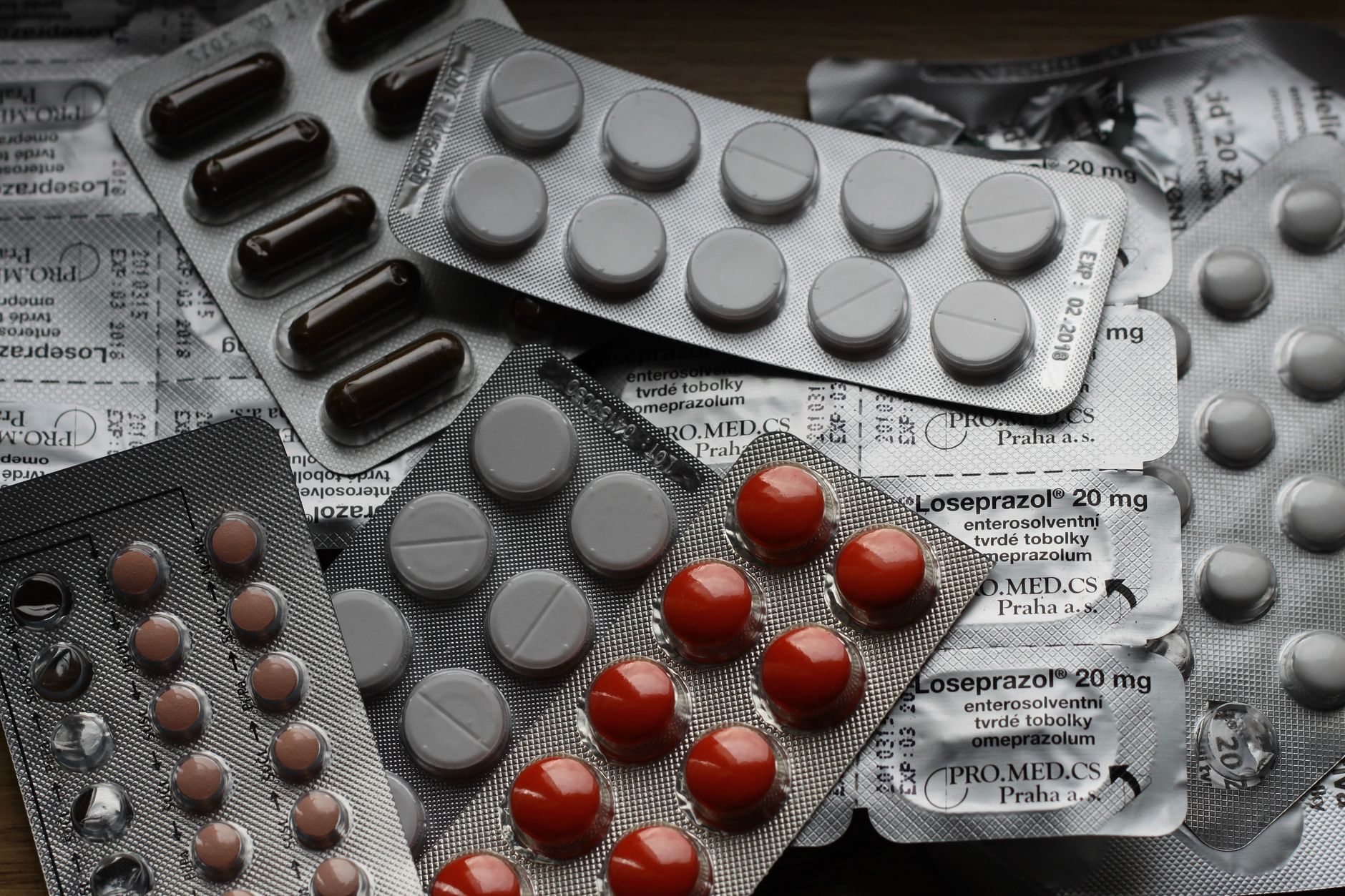
Pharmaceutical mass tort litigation can offer an individual path to seek compensation, but eligibility, causation, and filing deadlines depend on the facts of the person's case and the governing jurisdiction. A mass tort is not one nationwide lawsuit or a guaranteed settlement; it is a group of individual cases handled together when they share factual issues. The first questions are practical: Which drug was used, what injury was diagnosed, when was it discovered, and what records support each point? Those answers help determine whether a claim may be worth evaluating and how quickly action may be needed.
Table of Contents
- What makes someone potentially eligible?
- Is an MDL the same as a class action?
- What does causation require?
- Does FDA approval prevent a lawsuit?
- How should readers think about current drug mass torts?
- What should you ask before pursuing a claim?
What makes someone potentially eligible?
Potential eligibility usually starts with a documented connection between a specific medication and a diagnosed injury. A person should be able to identify the drug, approximate treatment dates, prescribing provider, pharmacy, and medical condition at issue.
Useful records may include: These facts matter because consolidated federal cases still must address choice-of-law questions and statutes of limitations. The Federal Rules committee notes explain that MDL case management may involve those issues, rather than applying one universal eligibility standard or deadline. Federal Rule of Civil Procedure 16.1 committee notes.
- Pharmacy dispensing histories and prescription labels
- Medical records showing the diagnosis, treatment, and timing
- Notes from the prescribing and treating providers
- Information about where the person lived and received care
Is an MDL the same as a class action?
No. A multidistrict litigation, or MDL, combines federal civil cases with common factual questions for coordinated pretrial proceedings. Each plaintiff's case remains an individual action, even though lawyers and the court may handle shared evidence and legal issues together. Under 28 U.S.C.
§1407, cases that are not resolved during coordinated pretrial work are generally remanded to their original federal districts for trial. That structure means an MDL transfer does not decide whether a manufacturer is liable, establish that a person qualifies, or guarantee a payment. 28 U.S.C. §1407.
What does causation require?
A bad outcome after taking a drug does not, by itself, prove that the drug caused the injury. Causation asks whether the medication can cause the claimed condition and whether it likely caused that condition in the individual patient. Medical history, treatment timing, alternative explanations, and expert opinions can all matter.
In federal court, expert testimony must be supported by sufficient facts or data, reliable methods, and a reliable application of those methods to the case. The party offering the expert must establish those requirements more likely than not. Federal Rule of Evidence 702.
📨 Get Free Mass Tort Guides Alerts
Free · No spam · Unsubscribe anytime
Does FDA approval prevent a lawsuit?
Not necessarily. FDA approval means a drug was authorized for its approved use at that point; it does not mean every risk is permanently known or that later safety questions cannot arise.
The FDA says broader or longer real-world use can reveal adverse effects not identified in clinical trials. It reviews studies, adverse-event reports, and medical literature and may require label or Medication Guide changes when new safety information warrants them. FDA Drug Safety Communications.
How should readers think about current drug mass torts?
An active MDL shows that similar allegations are being coordinated, not that the allegations have been proven. For example, the GLP-1 products litigation includes claims involving Ozempic, Wegovy, Rybelsus, Trulicity, and Mounjaro, with users alleging gastrointestinal injuries and inadequate warnings; Novo Nordisk and Eli Lilly deny the allegations.
Eastern District of Pennsylvania, MDL 3094 A reader considering any medication-related claim should avoid treating an MDL advertisement, registry, or news report as proof of a viable case. The relevant question is whether the individual evidence can support the alleged injury, timing, and causal connection.
What should you ask before pursuing a claim?
Ask when the injury was diagnosed or reasonably discovered, because that date can affect the limitations analysis. Also ask whether a state-law deadline, an MDL registry, or a direct-filing procedure applies; filing mechanics can matter, but they do not create a nationwide deadline.
Before speaking with a lawyer, gather the prescription and medical records that identify the drug, injury, treating providers, and key dates. Preserve those records rather than relying on memory if a deadline may be approaching.
You Might Also Like
- Demographic Guides Mass Tort Litigation 2026 Guide: eligibility, causation, and deadlines; Key Facts and Questions to Ask
- Defendants Mass Tort Litigation 2026 Guide: eligibility, causation, and deadlines; Key Facts and Questions to Ask
- Comparisons Mass Tort Litigation 2026 Guide: eligibility, causation, and deadlines; Key Facts and Questions to Ask