
The Nexium kidney damage lawsuit is a mass tort litigation consolidated under MDL 2789 in the U.S. District Court for the District of New Jersey, where more than 18,600 lawsuits have been filed against manufacturers of proton pump inhibitor drugs including Nexium, Prilosec, Prevacid, Protonix, and Dexilant. The litigation has produced a combined 590.4 million dollars in settlements, anchored by AstraZeneca’s 425 million dollar agreement in October 2023 to resolve roughly 11,000 claims alleging its PPI drugs caused chronic kidney disease, acute kidney injury, kidney failure, and acute interstitial nephritis. For someone who took Nexium daily for acid reflux and later developed stage 3 chronic kidney disease, the settlement represents a path to compensation that could range from 20,000 dollars to more than 150,000 dollars depending on the severity of kidney damage.
As of early 2026, approximately 11,322 active PPI lawsuits remain pending in the MDL, overseen by Judge Claire Cecchi. Initial settlement distributions may have begun in late 2025, with full payouts for many claimants expected to stretch into 2026 and 2027. A case management order issued February 5, 2025, required plaintiffs to submit Plaintiff Fact Sheets within court-set deadlines, a critical step in qualifying for compensation. This article breaks down the settlement amounts by defendant, examines the scientific evidence linking PPIs to kidney damage, explains the bellwether trial history, outlines who qualifies for compensation, and addresses what claimants should realistically expect in terms of payout timelines and amounts.
Table of Contents
- How Did the Nexium Kidney Damage Lawsuit Reach a 590 Million Dollar Settlement?
- What Does the Science Say About Nexium and Kidney Damage?
- Which PPI Drugs Are Involved and What Did Each Manufacturer Pay?
- What Should Claimants Expect for Payout Amounts and Timelines?
- What Remains Unresolved and What Comes Next in PPI Litigation?
- Frequently Asked Questions
How Did the Nexium Kidney Damage Lawsuit Reach a 590 Million Dollar Settlement?
The path to 590.4 million dollars in total settlements was long and uneven. AstraZeneca, the manufacturer of both Nexium and Prilosec, accounted for the largest single settlement at 425 million dollars, announced in October 2023 to resolve approximately 11,000 lawsuits. Before that, GlaxoSmithKline, Pfizer, and Procter and Gamble had already settled their respective PPI claims for a combined 108.5 million dollars covering drugs like Protonix. Takeda Pharmaceuticals, maker of Prevacid and Dexilant, reached its own separate settlement in 2024. Each settlement reflected the volume of claims against each defendant and the strength of evidence tying their specific products to kidney injuries. What drove these settlements was a combination of mounting scientific evidence and litigation pressure. Multiple bellwether trials were scheduled but repeatedly delayed. The first was set for October 2022, then pushed to June 2023.
A trial in the case of Conaway v. Takeda Pharma was scheduled for October 2024 but was stayed by Judge Cecchi. No bellwether trial has resulted in a jury verdict. The manufacturers chose to settle rather than face the risk of an unfavorable jury finding that could set a precedent for thousands of remaining claims. For comparison, the 425 million dollar AstraZeneca settlement works out to roughly 38,600 dollars per claim on average, though actual individual payouts vary widely based on the severity and documentation of kidney damage. It is worth noting that settling does not constitute an admission of wrongdoing. AstraZeneca and the other manufacturers have consistently maintained that their PPI products are safe when used as directed. Plaintiffs who opted out of the settlement or filed claims after the settlement cutoff may face a different legal landscape, potentially with less leverage now that the bulk of cases have resolved.
What Does the Science Say About Nexium and Kidney Damage?
The scientific case against proton pump inhibitors is substantial but comes with important caveats. A meta-analysis of 10 observational studies covering 6.8 million participants found that PPI use was associated with a 72 percent increased risk of chronic kidney disease, with a relative risk of 1.72 and a 95 percent confidence interval of 1.02 to 2.87. Broader research suggests that prolonged PPI use is associated with a 20 to 50 percent higher risk of developing chronic kidney disease. For patients already at stage 3 or stage 4 CKD, PPI use carried a 14 percent higher risk of progression to end-stage kidney disease. A three-fold increase in the risk of acute interstitial nephritis was found among PPI users, with a 95 percent confidence interval of 1.47 to 6.14. FDA adverse event reporting data paints a similarly concerning picture. The agency’s records identified 3,187 PPI-associated cases of acute kidney injury and 3,457 PPI-associated cases of chronic kidney disease.
The reporting odds ratio was stronger for CKD at 8.80 compared to AKI at 3.95, suggesting a particularly elevated signal for chronic kidney damage rather than acute episodes alone. These FDA figures were central to the plaintiffs’ arguments in MDL 2789 and helped build the case for the eventual settlements. However, the evidence is not unanimous. Some studies using electronic health record data showed no significant increased CKD risk, with a hazard ratio of 1.03 and a 95 percent confidence interval of 0.87 to 1.23. Experts across the medical and legal fields have noted that randomized controlled trials are still needed to confirm causation definitively. Observational studies, no matter how large, cannot fully account for confounding factors such as the underlying health conditions that led patients to use PPIs in the first place. This nuance matters both for ongoing litigation and for individuals trying to assess their own risk.
Which PPI Drugs Are Involved and What Did Each Manufacturer Pay?
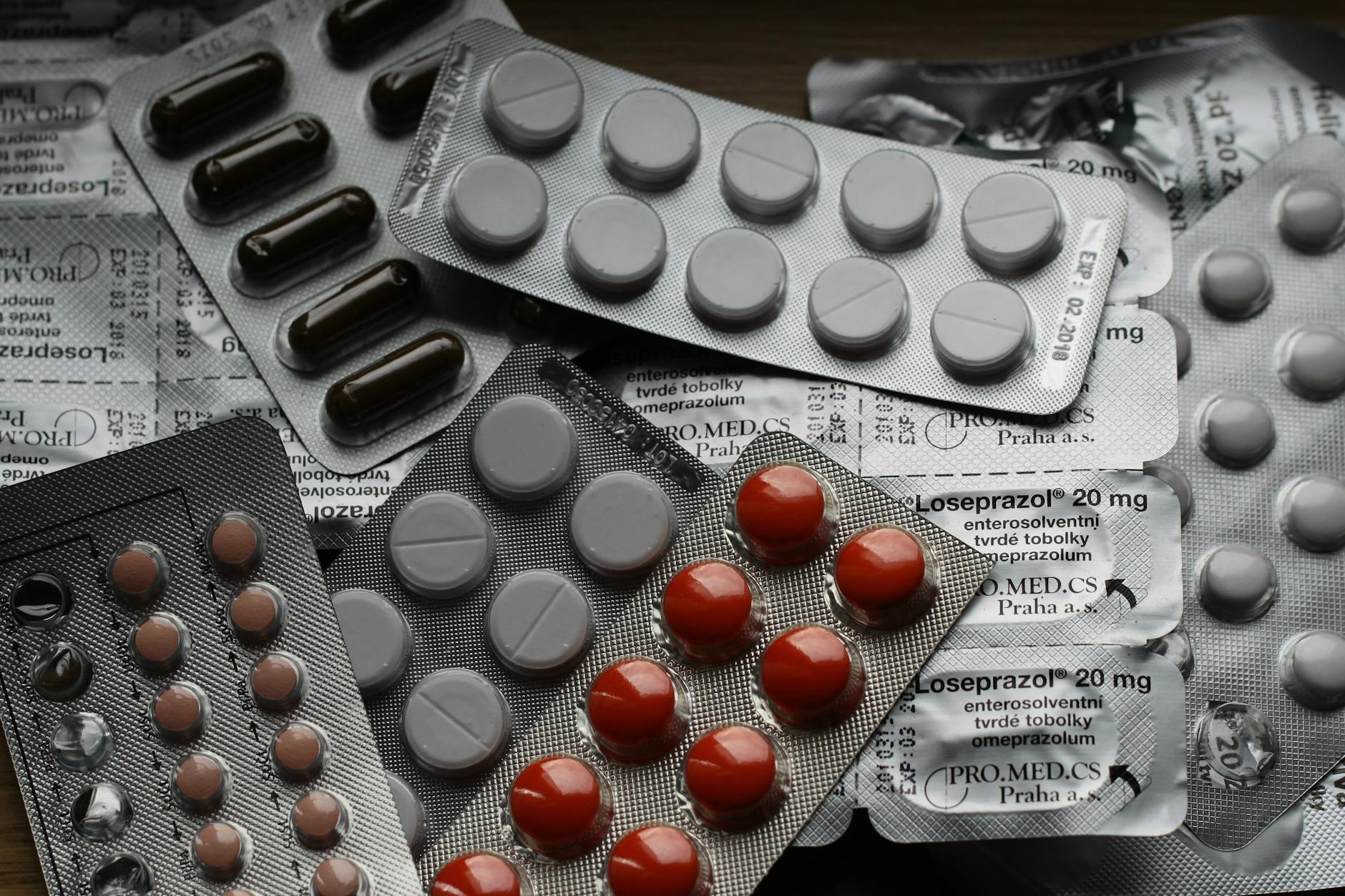
Five major PPI drugs are at the center of mdl 2789, each manufactured by a different pharmaceutical company. Nexium, the brand name for esomeprazole, and Prilosec, the brand name for omeprazole, are both AstraZeneca products covered by the 425 million dollar settlement. Prevacid, known generically as lansoprazole, and Dexilant, known as dexlansoprazole, are Takeda Pharmaceuticals products that were resolved through a separate 2024 settlement. Protonix, the brand name for pantoprazole, is a Pfizer product that was part of the 108.5 million dollar settlement alongside claims against GlaxoSmithKline and Procter and Gamble. A practical example illustrates the differences.
A patient who took Nexium exclusively for five years and developed stage 3 CKD would file a claim against AstraZeneca under its 425 million dollar fund. A patient who rotated between Prevacid and Protonix over a similar period might have claims against both Takeda and Pfizer, potentially qualifying under multiple settlement funds. The specific drug used, the duration of use, and the severity of kidney injury all factor into how individual claims are evaluated and what payout tier a claimant falls into. For claimants who used over-the-counter versions of these drugs, the litigation has been more complex. OTC formulations of Prilosec and Nexium are widely available without prescription, and establishing a clear usage history without pharmacy records or prescriptions can weaken a claim. Plaintiffs with well-documented prescription histories and clear medical evidence of kidney damage have generally been positioned for stronger recoveries within the settlement framework.
What Should Claimants Expect for Payout Amounts and Timelines?
Estimated individual payouts from the PPI settlements range from 20,000 dollars to more than 150,000 dollars, a wide spread that reflects the enormous variation in kidney damage severity among claimants. Someone diagnosed with mild acute kidney injury that resolved with treatment will receive significantly less than someone who progressed to end-stage kidney disease requiring dialysis. The settlement tiers factor in the type and severity of kidney injury, the duration of PPI use, the strength of medical documentation, and whether the claimant can demonstrate that no other likely cause explains the kidney damage. The payout timeline has been slower than many claimants hoped. Initial settlement distributions may have begun in late 2025, but full payouts for many claimants are expected to extend into 2026 and 2027. A case management order issued on February 5, 2025, required plaintiffs to submit Plaintiff Fact Sheets within court-set deadlines.
Claimants who missed this deadline or submitted incomplete documentation face delays or potential disqualification. The administrative process of reviewing thousands of individual claims, verifying medical records, and calculating tier-specific payouts is inherently time-consuming in mass tort settlements of this scale. There is an important tradeoff to understand. Claimants who accepted the settlement gave up the right to pursue individual trials, which might have yielded higher damages for severe cases but also carried the risk of receiving nothing. Given that no bellwether trial reached a jury verdict, the settlement offered certainty over uncertainty. For claimants with moderate kidney injuries and solid documentation, the settlement likely represents a reasonable outcome. For those with catastrophic injuries such as kidney failure requiring transplant, the upper end of the settlement range may feel inadequate compared to what a jury might have awarded, though the risk of an unfavorable verdict was real.
What Remains Unresolved and What Comes Next in PPI Litigation?
Despite 590.4 million dollars in settlements, the PPI litigation is not entirely over. Approximately 11,322 active lawsuits remain pending in MDL 2789 as of early 2026. Some of these involve claimants who were not covered by existing settlements, filed claims after settlement deadlines, or have disputes about the adequacy of their settlement tier. New lawsuits continue to be filed as additional patients are diagnosed with kidney conditions potentially linked to PPI use and become aware of the litigation. The broader question of regulatory action remains open. The FDA has updated PPI labeling to include warnings about kidney risks, but PPIs remain available both by prescription and over the counter.
For the millions of Americans who still use these drugs daily, the tension between effective acid reflux management and long-term kidney risk is unresolved. No regulatory agency has pulled a PPI from the market based on kidney damage data, and the drugs remain among the most widely prescribed medications in the world. Patients currently using Nexium, Prilosec, or other PPIs should discuss kidney monitoring with their physicians, particularly if they have been on the medication for more than a year. Looking ahead, the need for randomized controlled trials to establish definitive causation could shape future litigation. If such trials confirm the observational data, a new wave of lawsuits could emerge from patients who developed kidney damage after the current settlement period. Conversely, if controlled trials fail to show a clear causal link, future claims would face a significantly higher bar. For now, the existing settlements represent the legal system’s best attempt to compensate those harmed while the scientific debate continues to evolve.

Frequently Asked Questions
Who qualifies for the Nexium kidney damage lawsuit settlement?
Claimants generally must show they used a PPI drug such as Nexium, Prilosec, Prevacid, Protonix, or Dexilant and subsequently developed kidney damage including chronic kidney disease, acute kidney injury, kidney failure, or acute interstitial nephritis. Strong medical documentation and prescription records significantly strengthen a claim.
How much money will I receive from the PPI settlement?
Estimated individual payouts range from 20,000 dollars to more than 150,000 dollars depending on the severity of kidney injury, duration of PPI use, quality of medical documentation, and the specific settlement fund involved. Claimants with end-stage kidney disease generally receive more than those with milder conditions.
When will PPI lawsuit settlement checks be mailed?
Initial distributions may have begun in late 2025. However, full payouts for many claimants are expected to continue through 2026 and 2027 as the administrative review of thousands of individual claims proceeds.
Has any PPI lawsuit gone to trial?
No. Multiple bellwether trials were scheduled in MDL 2789 but were repeatedly delayed or stayed. All major defendants settled before any case reached a jury verdict, meaning there is no trial precedent establishing PPI manufacturer liability.
Can I still file a Nexium kidney damage lawsuit?
New lawsuits continue to be filed as of early 2026, with approximately 11,322 cases still active in MDL 2789. However, claimants who file after existing settlement deadlines may face different terms or may need to pursue individual litigation outside the settlement framework.
Does the settlement mean Nexium was proven to cause kidney damage?
No. Settlements are not admissions of wrongdoing or proof of causation. AstraZeneca and other manufacturers have maintained that their PPI products are safe when used as directed. The settlements were business decisions to resolve litigation risk.