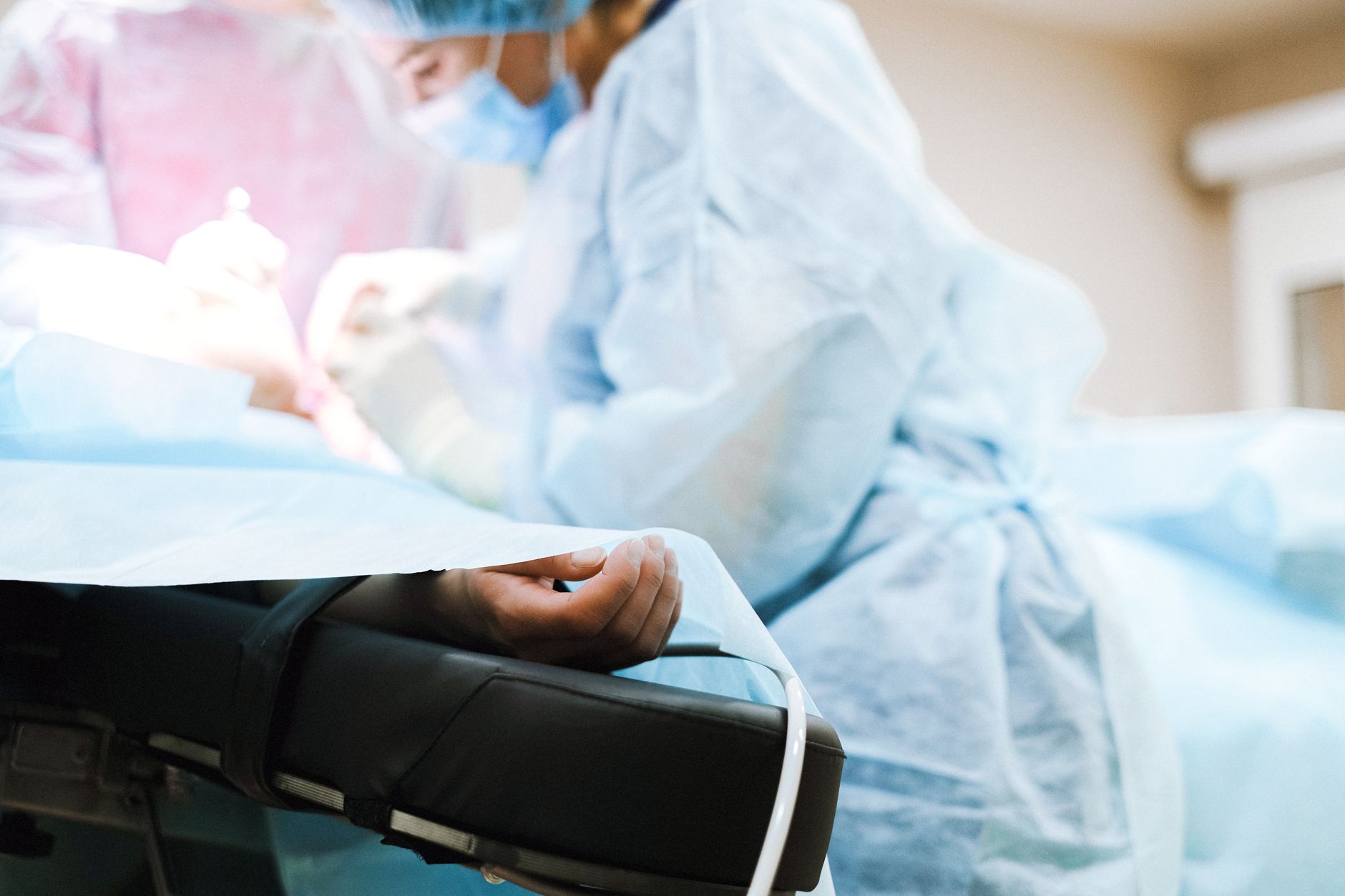
Elizabeth Chamblee Burch’s book “The Pain Brokers: How Con Men, Call Centers, and Rogue Doctors Fuel America’s Lawsuit Factory” documents an elaborate fraud scheme that fundamentally shook the mass tort litigation industry. The scandal centered on transvaginal mesh lawsuits—a litigation wave that generated over $8 billion in manufacturer settlements—but revealed something far darker than faulty medical devices: a coordinated effort to manufacture lawsuits by exploiting vulnerable women through unnecessary surgeries, predatory medical loans, and coercive conversion into plaintiffs. What began as legitimate product liability claims morphed into a machine designed to extract maximum damages, not maximum compensation for genuine injuries.
The revelations in Burch’s book detail how call centers targeted women with pelvic mesh complications, funneled them to doctors who performed unnecessary mesh removals, pressured them into high-interest medical loans instead of insurance, and then converted them into lawsuits against manufacturers. This wasn’t a case of bad actors in isolation—it represented a systematic corruption of the litigation process itself. The scandal shocked the mass tort world because it demonstrated how the machinery designed to deliver justice could be weaponized against the very people it claimed to help.
Table of Contents
- How Call Centers and Doctors Created a Lawsuit Manufacturing Operation
- The High-Interest Loan Trap Disguised as Patient Financing
- Converting Patients into Plaintiffs—The Lawsuit Factory Model
- The Settlement Landscape and Ongoing Litigation
- What Legitimate Mesh Injuries Were Lost in the Fraud
- How the Scheme Corrupted the Mass Tort System Itself
- The Forensic Examination of Mesh Removal Decisions
How Call Centers and Doctors Created a Lawsuit Manufacturing Operation
The fraud scheme operated with precision. Call centers identified potential plaintiffs—often women with mesh-related health concerns—and lured them into doctors’ offices where physicians performed surgeries to remove the mesh, even when removal wasn’t medically necessary. These weren’t isolated incidents but part of a coordinated network designed to generate viable lawsuits.
A woman experiencing mild chronic pain from her mesh implant might receive a call suggesting she needed immediate surgical intervention, only to emerge from surgery with a new set of complications, additional medical debt, and a new lawsuit. The doctors involved in this scheme benefited directly from the volume of surgeries they performed, creating misaligned incentives. Rather than evaluating whether mesh removal would actually improve a patient’s condition, the financial incentive was simply to perform the procedure and send patients down the litigation pipeline. This violated the fundamental medical principle of patient autonomy and informed consent—women weren’t making decisions based on medical necessity but on aggressive sales tactics deployed by call centers and reinforced by physicians who profited from each surgery.
The High-Interest Loan Trap Disguised as Patient Financing
One of the most insidious aspects of the fraud was the deliberate avoidance of insurance. Instead of allowing women to use their health insurance for these surgeries, the scheme pressured patients into taking out medical loans at high interest rates. This served two purposes: it ensured doctors could collect immediate payment at higher amounts than insurance would reimburse, and it created additional financial leverage over patients. A woman already considering a lawsuit could be reminded of her crushing medical debt from the unnecessary surgery—debt she might never have incurred if she’d used insurance.
This tactic represents a fundamental shift from medical practice to predatory lending. Women in financial distress after surgery became more motivated to pursue damages, more willing to accept lower settlements quickly, and more vulnerable to pressure from attorneys and loan servicers. The combination of financial desperation and the promise of lawsuit recovery became a tool for coercion. Those who could not afford the initial surgery were screened out, meaning the scheme predominantly targeted women with enough financial resources to qualify for high-interest medical loans—a perverse mechanism that prioritized profit over patient welfare.
Converting Patients into Plaintiffs—The Lawsuit Factory Model
Once a woman underwent mesh removal surgery financed through a predatory loan, the conversion to plaintiff happened almost automatically. The scheme had built-in mechanisms to move women from the doctor’s office into litigation. Attorneys were embedded in this network, ready to file lawsuits promising damages large enough to cover not only legitimate injury compensation but also the medical debt incurred through the unnecessary surgery itself. This created a peculiar incentive structure where the fraud itself—the unnecessary surgery and predatory loan—became part of the damages calculation.
The lawsuit factory model transformed individual medical decisions into assembly-line litigation. Rather than a woman deciding she’d been harmed and then seeking legal representation, the system identified her, performed a procedure, created financial desperation, and then presented litigation as the solution. By the time most of these women understood what had happened, they were already embedded in litigation networks, their medical records framed to support lawsuits, and their financial situations desperate enough to make any settlement look attractive. This inversion of the normal litigation process—where plaintiffs initiate claims based on real injuries—meant that many women in these lawsuits had been created as plaintiffs rather than becoming plaintiffs because they were genuinely harmed.
The Settlement Landscape and Ongoing Litigation
As of May 2026, almost all transvaginal mesh lawsuits in multidistrict litigations (MDLs) have been settled or resolved, with manufacturers paying over $8 billion in total settlements. This massive settlement figure reflects both the scale of legitimate mesh-related injuries and the billions paid to compensate for cases manufactured through fraud. What’s notable is not just the amount but the speed of resolution—the litigation wave that would have extended for decades instead concluded relatively quickly once the extent of the fraud became clear. Manufacturers faced enormous liability exposure and preferred settlement to years of discovery that would expose the entire fraud scheme.
📨 Get Free Mass Tort Guides Alerts
Free · No spam · Unsubscribe anytime
However, the conclusion of MDL litigation does not mean the transvaginal mesh scandal is finished. As of April 2026, hundreds of cases against Ethicon and Bard remained active in New Jersey in a multicounty litigation (MCL), with hundreds still in various stages of litigation. These remaining cases represent a different category—some involve women with genuine injuries who were not part of the call-center scheme, while others may involve manufactured cases still moving through state court systems. The difference in settlement terms, discovery scope, and plaintiff profiles between federal MDL settlements and remaining state court cases creates winners and losers among women who appear to have nearly identical mesh-related injuries, depending entirely on where their case was filed.
What Legitimate Mesh Injuries Were Lost in the Fraud
One significant casualty of the fraud scheme was the credibility and urgency given to legitimate mesh injuries. Women who experienced genuine complications from transvaginal mesh—chronic pain, infection, organ perforation, sexual dysfunction—found their claims entangled with manufactured cases and cases driven by financial desperation rather than genuine harm. The legitimate claimants didn’t get better settlements; if anything, they received less attention as the litigation system became overwhelmed with fraudulent cases that required more aggressive discovery and extended litigation. The fraud also created a credibility problem for future mass tort litigation.
Once it became clear that a major litigation wave had been substantially constructed through fraud, judges, juries, and manufacturers became more skeptical of large-scale product liability claims. This skepticism doesn’t fall evenly—it affects all future claims in this area, including those from women with severe, documented injuries. A woman presenting with mesh-related complications in 2026 may face assumptions that her case is manufactured or exaggerated, even if her injuries are severe and clearly documented. The fraud compromised the entire litigation category.
How the Scheme Corrupted the Mass Tort System Itself
Burch’s book documents something beyond individual fraud—it reveals how the structures and incentives of mass tort litigation created opportunities for systematic abuse. The mass tort system is designed to aggregate claims efficiently and resolve them quickly, but the scheme demonstrated that these same mechanisms could be weaponized to manufacture claims. Attorneys, call centers, and physicians aligned their interests behind litigation volume rather than client welfare. Each actor in the chain—from call center operators identifying leads, to doctors performing unnecessary surgeries, to attorneys filing claims—had financial incentives that pointed away from genuine victim compensation.
The scandal exposed gaps in the gatekeeping mechanisms that were supposed to prevent fraudulent claims from entering litigation. Medical experts reviewed surgeries and found many medically unnecessary. Attorneys failed to verify whether their clients’ injuries were genuine or manufactured. Judges and court administrators didn’t detect the systematic nature of the scheme until it had generated billions in settlements. These failures weren’t isolated but structural—the mass tort system had evolved in ways that made it vulnerable to organized fraud.
The Forensic Examination of Mesh Removal Decisions
One forensic finding that emerged from discovery was that a significant percentage of mesh removals performed at the center of the fraud scheme were medically unjustified. Women presented with minor symptoms—discomfort, manageable pain, intermittent complications—and underwent surgery that created far more serious complications than the original problem. In some cases, the surgery itself caused the organ perforation or chronic pain that became the basis for the lawsuit, meaning the lawsuit was essentially for harm caused by the unnecessary surgery that launched the plaintiff into the system in the first place.
This circular harm—where the scheme created the injuries it compensated—created unusual legal and ethical questions about damages calculations and physician liability. Should a surgeon be liable for damages from a surgery the patient needed to file a lawsuit, if the patient wouldn’t have needed the surgery without the fraud scheme itself? These questions became central to disputes in remaining cases, particularly the hundreds still active in New Jersey. Different judges have reached different conclusions, meaning that women with nearly identical iatrogenic (doctor-caused) injuries receive vastly different compensation depending on which court hears their case and how that court answers these liability questions.
You Might Also Like
- The Major Mass Tort Cases Expected to Drive 2026 Litigation
- State Courts Gain Attention as MDLs Move Slowly in Mass Tort Litigation
- Mass Tort Firm and Litigation Funder Clash Over Trade Secret Allegations