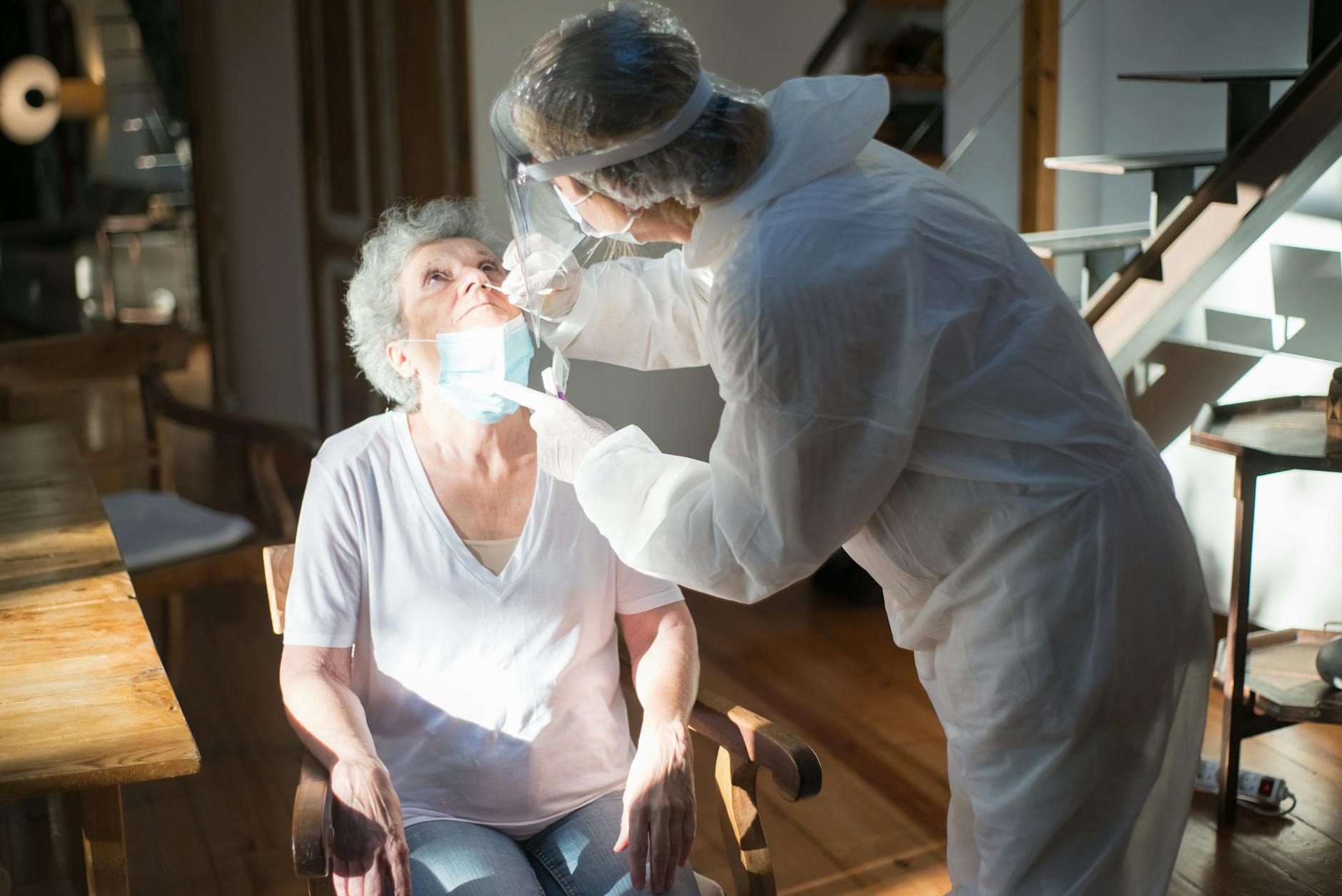
Infection nursing home lawsuits arise when residents develop serious infections due to negligence, inadequate care, or failure to follow infection control protocols. These lawsuits typically claim that nursing homes failed to provide proper hygiene, wound care, sanitation, or medical treatment, resulting in preventable infections that cause severe injury or death. A stark example emerged in January 2026, when Charles Brush filed a medical negligence lawsuit against Avenue at Broadview Heights in Ohio and its parent company Progressive Quality Care after testing positive for the drug-resistant fungal infection Candida auris without receiving any treatment before his hospitalization—a preventable outcome that highlights how systemic failures in nursing home management directly harm residents.
The financial stakes in these cases can be substantial. Settlements and verdicts in nursing home infection cases have averaged around $406,000 as of 2026, but standout cases have reached millions. In November 2025, a jury awarded a record-breaking $12.2 million verdict to the family of a 79-year-old Chicago woman who died from infected bedsores—one of the largest judgments in nursing home litigation to date. These cases typically involve categories of infections ranging from urinary tract infections that progress to sepsis, to bedsore infections that turn gangrenous, to novel pathogens like Candida auris that spread through facilities with inadequate infection control measures.
Table of Contents
- What Types of Infections Drive Nursing Home Lawsuits?
- Settlement and Verdict Amounts in Infection Cases
- Recent Cases and Industry Trends (2025-2026)
- Why Do Infection Outbreaks Happen in Nursing Homes?
- Regulatory Actions and Government Investigations
- What Should Residents and Families Know?
- The Future of Nursing Home Infection Liability
- Conclusion
What Types of Infections Drive Nursing Home Lawsuits?
Nursing home infection lawsuits cover a wide spectrum of preventable infections, but several patterns emerge across litigation. Urinary tract infections (UTIs) represent one of the most common triggers, particularly when nursing homes fail to monitor catheter sites or respond to signs of systemic infection. When left untreated, UTIs progress to sepsis or septic shock—a life-threatening condition that can kill residents within days. In Iowa, the operator Care Initiatives faced 17 wrongful death and negligence lawsuits over a 16-month period, with multiple cases centered on residents who developed sepsis or septic shock from untreated infections, including untreated UTIs. This pattern of negligence—failing to recognize early warning signs or delaying treatment—is a recurring theme in infection-related litigation. Pressure ulcer infections represent another major category.
Bedsores that go untreated or unmonitored can rapidly become infected and gangrenous. The Genesis HealthCare case demonstrates this tragedy: a Pennsylvania resident developed a maggot-infested gangrenous foot after the facility failed to provide adequate wound care, resulting in a $3.5 million settlement. Similarly, fungal infections like Candida auris have become an emerging concern. These drug-resistant infections can spread through facilities with poor infection control protocols, and as the Candida auris case at Avenue at Broadview Heights shows, some nursing homes leave residents untreated even after infection is documented. COVID-19 deaths at nursing homes also generated significant litigation. In April 2026, five families launched landmark wrongful death actions in the Irish High Court over COVID-19 deaths at Ballynoe Nursing Home in Cork, with one settlement announced for 81-year-old James Lee, who died in February 2021. These cases typically center on claims that facilities failed to isolate infected residents, lacked adequate personal protective equipment, or failed to implement basic infection control measures during the pandemic.
Settlement and Verdict Amounts in Infection Cases
Understanding the financial outcomes of infection nursing home lawsuits provides insight into how courts value these cases and what damages families can expect to recover. The $12.2 million jury verdict from November 2025 represents an exceptional case—triggered by severe negligence, documented failures in wound care, and a preventable death. However, this is an outlier. More typical settlements and verdicts fall in the $300,000 to $500,000 range, with an average around $406,000 as of 2026. The variation depends on factors including the resident’s age at death, the severity of negligence, the strength of medical evidence, and whether the case goes to jury trial or settles before trial. Mid-range settlements illustrate the more common reality.
A Pennsylvania case resulted in a $1.37 million settlement for the grandson of a woman who died after a rehabilitation facility failed to care for her surgical site, leading to multiple infections. This settlement reflects significant documented negligence but falls well below the record verdict. Genesis HealthCare’s $3.5 million settlement for the maggot-infested foot case sits between typical and exceptional outcomes. One important limitation: not all settlements are paid promptly, and some announced settlements have unclear payment status, meaning families may wait months or years for funds, or face reduced amounts if companies file for bankruptcy. The size of settlements and verdicts depends heavily on proving that the nursing home’s conduct was negligent or reckless, not merely that an infection occurred. Infections are a known risk in healthcare settings, but the question in litigation is whether the facility failed to meet the standard of care—for example, by ignoring fever, failing to change wound dressings, or not isolating residents with contagious infections.
Recent Cases and Industry Trends (2025-2026)
The nursing home industry has faced a cascade of infection-related lawsuits and regulatory actions between late 2025 and early 2026, signaling growing accountability for infection control failures. Beyond the Care Initiatives cases in Iowa, lawsuits have emerged across multiple states and facility types. The Candida auris case at Avenue at Broadview Heights is particularly concerning because it involves a facility managed by Progressive Quality Care, a multi-state operator, suggesting systemic issues rather than isolated incidents. When a drug-resistant infection spreads through a facility, it typically reflects failures in infection control training, cleaning protocols, and isolation procedures. Facilities operated by Shlomo Rechnitz, a major California nursing home operator, have faced multiple infection-related lawsuits. Windsor Redding, one of his affiliated facilities, experienced a COVID-19 outbreak that resulted in 24 patient deaths—a catastrophic failure that has generated significant litigation.
These cases demonstrate that even large, well-resourced operators fail to maintain basic infection control standards. In response to widespread failures, the New York Attorney General sued the owners and operators of four nursing homes for misusing over $83 million in taxpayer funds, resulting in widespread resident neglect and harm. These regulatory actions provide additional leverage for residents and families pursuing civil litigation. The financial pressure on the industry has been intense. In the first nine months of 2025, 10 senior living companies with liabilities exceeding $10 million filed for Chapter 11 bankruptcy. While bankruptcy does not always prevent lawsuits, it can complicate recovery for residents and families, as bankruptcy courts prioritize creditors and may reduce settlement amounts available to resident claims.

Why Do Infection Outbreaks Happen in Nursing Homes?
Nursing home infection outbreaks typically result from a combination of understaffing, inadequate training, poor facility design, and organizational failures. Many facilities operate with skeleton crews—nursing assistants and aides who lack adequate training in infection control protocols, who work multiple shifts, and who are spread too thin to monitor residents effectively. When a resident develops a fever, diarrhea, or confusion, symptoms that might signal infection, overwhelmed staff may attribute these changes to normal aging rather than escalating care or reporting to a physician. This diagnostic delay allows infections to progress unchecked. Facility cleanliness and maintenance play a critical role but are often neglected in underfunded homes.
Equipment like catheters, feeding tubes, and ventilators—common in nursing homes—introduce infection risk, but they require meticulous care and regular monitoring to prevent bacterial colonization. Poor training means staff may reuse equipment without proper sterilization, share patient care items without cleaning between uses, or fail to recognize signs of infection around catheter sites or surgical wounds. Additionally, many facilities lack isolation capabilities—separate rooms or negative-pressure environments—needed to contain highly contagious infections or drug-resistant pathogens. Organizational failures amplify these dangers. When facilities fail to implement isolation protocols during COVID-19 or fail to report Candida auris cases to local health departments, they compound the problem. Family complaints or warning signs from concerned staff members are often ignored rather than acted upon, resulting in delayed intervention and worsening outcomes.
📨 Get Free Mass Tort Guides Alerts
Free · No spam · Unsubscribe anytime
Regulatory Actions and Government Investigations
Government regulators have increasingly targeted nursing homes for infection control violations, and these regulatory findings often provide evidence in civil litigation. The New York Attorney General’s lawsuit against four nursing homes is a prime example: the investigation documented that taxpayer funds meant for resident care were diverted, leading to understaffing and deteriorated conditions that directly enabled neglect and infections. Regulatory agencies like state health departments and the Centers for Medicare & Medicaid Services (CMS) conduct inspections and can impose fines, loss of licensing, or exclusion from Medicare/Medicaid programs for egregious violations. A critical limitation of regulatory enforcement is that it is often slow.
Federal inspections are typically conducted annually or biannually, creating windows of time during which serious problems may go undetected. By the time a violation is documented and cited, resident harm has already occurred. This lag in regulatory response makes civil litigation the primary mechanism through which families recover damages and hold facilities accountable. However, regulatory findings—such as CMS inspection reports documenting infection control failures—are valuable evidence in lawsuits because they provide independent documentation of negligence.

What Should Residents and Families Know?
Residents and families should be aware that infections are a warning sign of possible negligence, not an inevitable consequence of nursing home care. If a loved one develops an infection, ask pointed questions: Was the infection recognized promptly? Were antibiotics prescribed? Was a physician consulted? Was the resident isolated to prevent spread? Was proper hygiene maintained? If answers reveal delays, failures to treat, or evidence that the infection was preventable, consultation with an attorney experienced in nursing home litigation may be warranted. Documentation is critical.
Keep detailed records of your loved one’s medical condition, any complaints or concerns raised with staff, dates of infection onset, and communications with the facility. Medical records from the nursing home are essential evidence—they document the facility’s knowledge of the infection and the treatment (or lack thereof) provided. Photos of bedsores, medical imaging, and hospital records showing sepsis or other complications provide additional proof of harm.
The Future of Nursing Home Infection Liability
As drug-resistant infections like Candida auris spread and as families become more litigious in response to high-profile failures, nursing homes face mounting pressure to invest in infection control infrastructure and training. However, industry bankruptcies and financial strain suggest that many facilities will not voluntarily upgrade standards—regulation and litigation will likely remain the primary drivers of change. Regulatory agencies are also responding: increased inspection frequency, tougher penalties for repeat violations, and heightened scrutiny of facilities with high infection rates are becoming more common.
The emerging standard of care for nursing homes now includes robust infection control protocols, adequate staffing levels, staff training in infection prevention, and transparency with residents and families. Facilities that fall below these standards face litigation risk. As the litigation landscape evolves and more substantial verdicts and settlements accumulate, facilities and their insurance companies will face mounting pressure to improve care rather than hope that negligence goes undetected.
Conclusion
Infection nursing home lawsuits are grounded in a straightforward principle: nursing homes have a duty to protect residents from preventable infections through adequate staffing, training, sanitation, and medical care. When facilities breach this duty, residents suffer serious harm or death, and families have grounds to recover damages. The recent cases from 2025-2026—including the Candida auris lawsuit, the $12.2 million verdict for bedsore infection, the Iowa sepsis cases, and the COVID-19 deaths at Cork—demonstrate that these failures are widespread and affect facilities across the United States and internationally.
If you believe a loved one has suffered from a preventable infection in a nursing home, consult with an attorney who specializes in nursing home litigation. These cases are complex, require strong medical evidence, and benefit from legal expertise in navigating discovery, expert testimony, and settlement negotiation. The combination of regulatory findings, medical records, and expert testimony can build a powerful case, and the financial outcomes—averaging $406,000 but reaching millions in severe cases—can provide meaningful recovery and accountability.