Causation in a hip implant lawsuit settlement is proven by linking a specific implant to a specific injury. Plaintiffs use surgical records, device identifiers, imaging, blood metal tests, and revision findings to make that link. Causation means the implant defect caused the injury claimed. Settlement value turns on how clearly that chain holds for each patient.
Official resources:
- Read the official guidance from NIH — Use this primary source to verify the official guidance.
- Read the official guidance from NIH — Use this primary source to verify the official guidance.
Table of Contents
- What records tie your implant to your injury?
- Why must the removed implant be saved?
- How does metal debris injure the hip?
- When is wear evidence not enough?
- How did proof shape a major settlement?
What records tie your implant to your injury?
Surgical records identify the exact brand, model, and lot number implanted. Operative notes from revision surgery then describe loosening, tissue damage, or abnormal wear.
Imaging and blood cobalt-chromium tests track harm before removal. According to Legal Desire, these records plus revision findings form the core proof package Legal Desire 2025 guide. Keep a simple file as treatment moves forward:.
- implant sticker or device card with brand and lot numbers
- pre-revision X-rays, CT, MRI, and metal-ion blood results
- revision operative report and pathology notes
Why must the removed implant be saved?
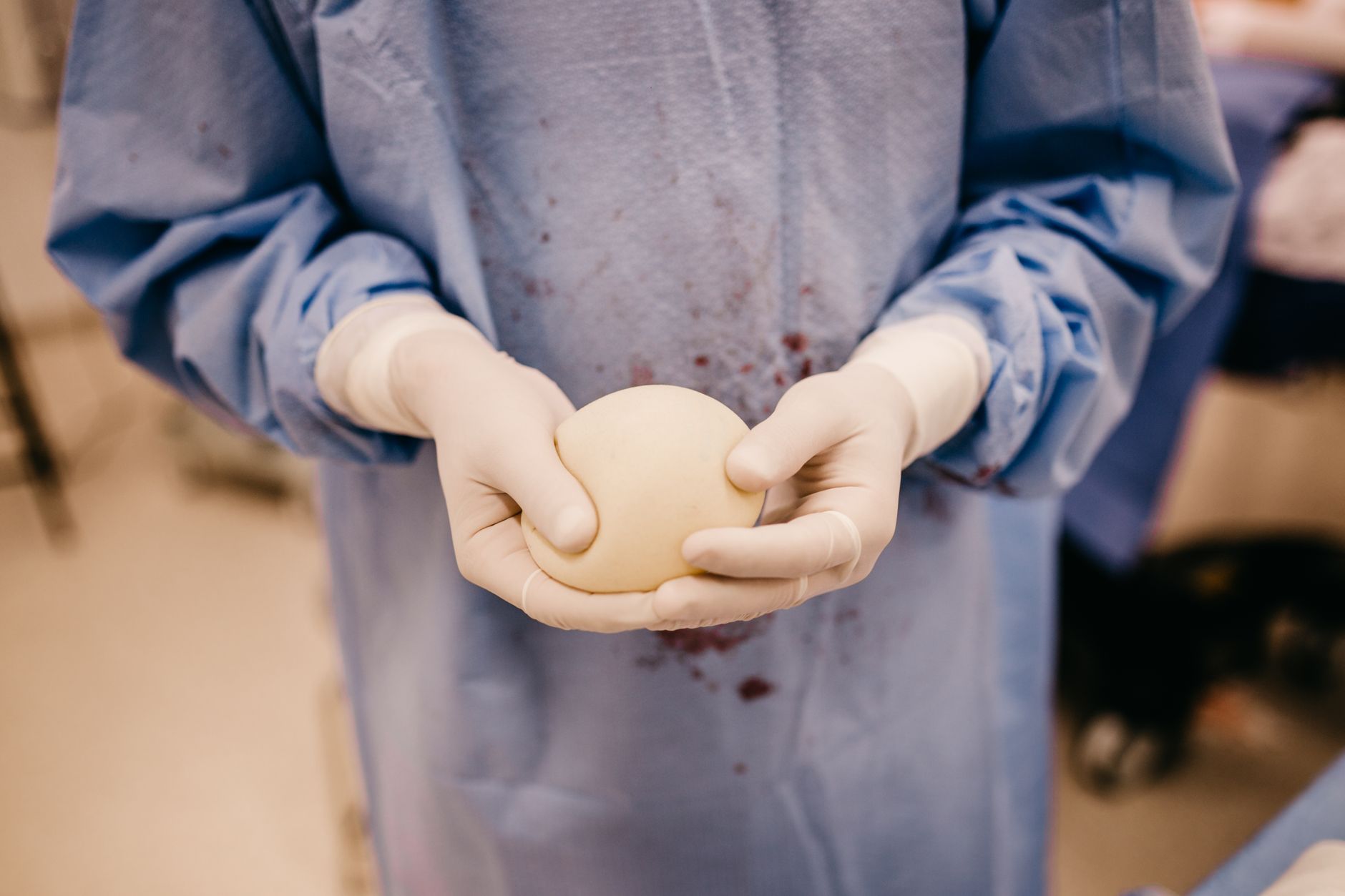
Patients facing revision should ask that the removed device be preserved. The explanted hardware often shows wear, fracture, corrosion, or design failure directly. Photos alone do not replace the part itself.
Defense experts and plaintiff experts both need the actual surfaces, edges, and junctions to test. Ask the surgical team where the device will be stored. Confirm chain of custody in writing so no one discards or cleans it.
How does metal debris injure the hip?
Metal-on-metal hips slide ball against cup during movement. That action can release tiny metal particles and ions into nearby tissue. The U.S.
📨 Get Free Mass Tort Guides Alerts
Free · No spam · Unsubscribe anytime
FDA says this debris can cause pain, loosening, adverse tissue reaction, metallosis, hypersensitivity, and dislocation FDA concerns page. Follow-up often includes exams, imaging, and ion testing because damage can spread to bone and soft tissue. Researchers studying revisions found pseudotumors, lymphocyte reactions called ALVAL, necrosis, and fibrosis after heavy cobalt-chromium wear loads. These findings connect debris burden to dead tissue and mass-like growths around the joint.
When is wear evidence not enough?
High metal levels do not prove causation by themselves. Pseudotumor-like reactions can occur with heavy wear and with low wear from metal hypersensitivity. That limit comes from NIH-reviewed histology research, which found similar tissue reactions across high-wear and hypersensitive low-wear cases Campbell histology study.
A reader with modest wear can still have a strong reaction, while heavy wear does not always produce the same injury. Courts therefore require reliable expert testimony on defect and causation. In Redd v. DePuy, the Eighth Circuit upheld summary judgment after excluding unreliable metallurgy testimony about a failed hip stem.
How did proof shape a major settlement?
Revision surgery has served as a clear eligibility line in past deals. It provides both medical need and physical evidence in one event.
Reuters reported DePuy's estimated $2.5 billion agreement covering about 8,000 ASR patients who had revision after the 2010 recall Reuters settlement report. The shared trigger was higher-than-expected failure data followed by removal.
You Might Also Like
- Hernia Mesh Lawsuit Settlement: What Determines Payout Amounts?
- Zantac Lawsuit Update: Is the Cancer Claim Still Open?
- Talcum Powder Lawsuit Eligibility: What Injuries Qualify for a Claim?