
The Facebook Mental Health Lawsuit is a major class action consolidated against Meta (which owns Facebook and Instagram) for knowingly designing addictive features that harmed teenagers’ mental health. As of March 2026, Meta is currently in the active trial phase with closing arguments scheduled for March 12, 2026, in California state court—meaning the company has already presented its defense and is now facing the final legal arguments before a verdict. Unlike TikTok, which settled its identical lawsuit before trial even began, Meta has refused to settle and is fighting the case in court, where thousands of teenagers are seeking damages for depression, anxiety, and other mental health injuries allegedly caused by the platform’s deliberate design choices.
The scope of this litigation is enormous: 2,407 pending cases are consolidated in federal court, with an additional 475+ Instagram-specific cases in the Northern District of California. State attorneys general from New York and 31 other states have joined the fight alongside individual plaintiffs, creating a multi-front legal battle against one of the world’s largest technology companies. This article explains what the lawsuit alleges, who can file claims, how much money might be involved, and what to expect as the trial unfolds.
Table of Contents
- What Addictive Design Features Is Meta Accused of Using?
- Who Is Suing Meta and What Are the Legal Claims?
- What Is the Current Status of the Meta Lawsuit as of March 2026?
- Who Can File a Claim and What Are the Potential Settlement Amounts?
- How Does Meta’s Case Differ from TikTok’s Settled Lawsuit?
- What Are the Bellwether Trials and When Will They Happen?
- What Happens Next and What Could Change in the Social Media Industry?
- Conclusion
What Addictive Design Features Is Meta Accused of Using?
Meta is accused of intentionally engineering features specifically designed to maximize engagement and keep users—especially teenagers—glued to the platform for as long as possible. The lawsuit alleges Meta deployed infinite scroll (eliminating stopping points), autoplay for Stories and Reels (automatically playing the next video without user action), near-constant push notifications, and FOMO-triggering mechanisms (like showing users how many likes others received) to create psychological hooks. Notably, the legal filings compare Meta’s intermittent variable rewards system—the unpredictable rush of notifications and likes—to the mechanism used in slot machines, arguing that Meta applied the same behavioral addiction science to social media that casinos use in gambling. These features don’t exist by accident.
Internal Meta documents revealed in litigation show that company executives and product teams explicitly studied how to maximize “time spent” on the platform as the primary metric of success, even when internal research showed this caused harm to teenage users. For example, Meta’s own researchers found that Instagram’s photo-sharing feature contributed to increased body dissatisfaction and eating disorders in young women, yet the company continued the practices. The lawsuit argues this represents a deliberate choice to profit from addiction rather than a side effect of innovation. However, if you used Meta platforms passively—scrolling occasionally without experiencing significant mental health decline—you may still have difficulty proving the direct causation link required for a strong claim. The stronger cases are those where users can document diagnosed depression, anxiety, self-harm, or suicidal ideation that coincided with heavy Instagram or Facebook use during their teenage years.

Who Is Suing Meta and What Are the Legal Claims?
The litigation involves two separate tracks: state attorneys general suing Meta on behalf of the public interest, and individual teenagers (or their families) filing personal injury claims. New York Attorney General Letitia James led a coalition of 32 state attorneys general in filing a federal lawsuit alleging that Meta violated state consumer protection laws and deliberately targeted minors with addictive features. Simultaneously, thousands of individual plaintiffs—mostly teenagers and young adults—filed class action claims alleging that Meta’s design practices caused them measurable psychological harm. The core legal claim is that Meta knowingly designed its platforms to be addictive, intentionally targeted teenagers (whose brains are still developing and more vulnerable to addiction), and failed to warn users or parents about the mental health risks.
One individual case sought damages of $5 billion, demonstrating the scale of harm attorneys believe they can prove. The consolidated cases are being handled as an mdl (Multi-District Litigation) in federal court, a legal structure that combines many similar cases to avoid duplicative trials while maintaining individual claim information. However, Meta has a substantial legal defense: the company argues that correlation between social media use and mental health issues does not prove causation, and that other factors—social isolation, offline bullying, family problems, genetic predisposition—may be the real causes of depression and anxiety in teenagers. Meta also argues it provides tools for users to manage their time (screen time trackers, take-a-break reminders) and that teenagers voluntarily choose to use the platforms. The trial will depend heavily on whether the evidence convinces the judge or jury that Meta’s specific design choices materially caused the harm, not just that the platform exists during a time when teens struggle mentally.
What Is the Current Status of the Meta Lawsuit as of March 2026?
Meta’s trial is in the home stretch. The company rested its defense case on March 11, 2026, and closing arguments are scheduled for March 12, 2026, in California state court. This means both sides have presented all their evidence, witnesses, and expert testimony, and now attorneys will make their final pitch to the judge or jury about whose evidence was more convincing. A verdict could come within weeks of closing arguments, making this a critical moment in the litigation.
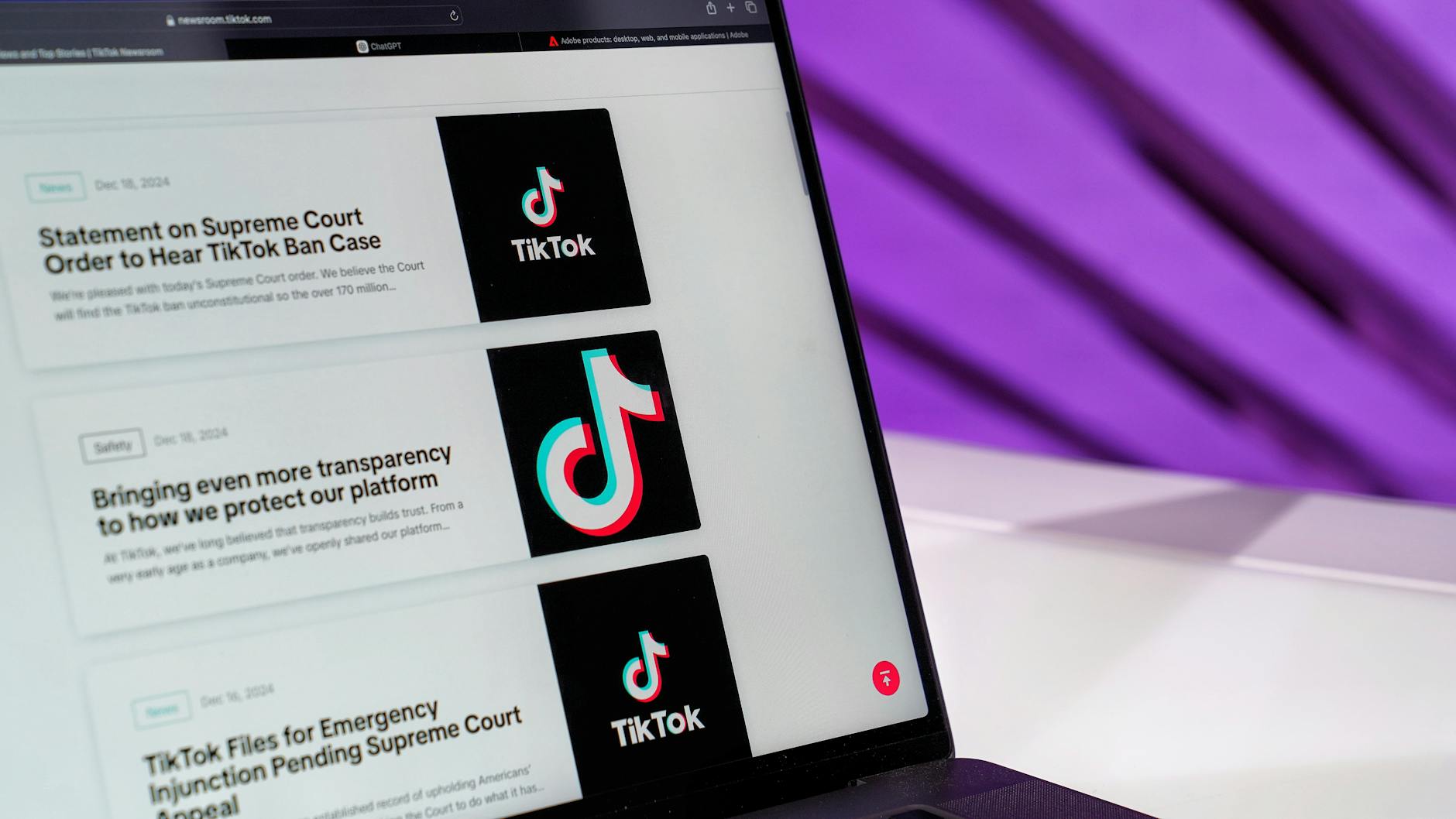
In stark contrast, TikTok settled its identical lawsuit before trial even began, paying out an undisclosed settlement (though reports suggest it exceeded $50 million) and agreeing to modify its algorithm and add parental controls. YouTube (owned by Google) also remains in the litigation alongside Meta, though the company has taken a slightly different legal posture. The fact that TikTok folded before trial suggests that the evidence of harm from social media addiction is compelling enough to make continuing to trial extremely risky from a business and reputation perspective. Meta’s decision to fight all the way to closing arguments signals either extreme confidence in its defense or a strategic decision that settling would be more costly in the long run.
Who Can File a Claim and What Are the Potential Settlement Amounts?
You may be eligible to file a claim if you are (or were) a teenager who used Facebook or Instagram during your teenage years and experienced diagnosed mental health problems such as depression, anxiety, eating disorders, self-harm, or suicidal ideation that you believe was worsened by the platform’s design features. The broader class definition has not been finalized, but the lawsuit targets minors who were exposed to Meta’s addictive features and algorithms during their developmental years. The potential payout amounts vary widely depending on claim factors like severity of diagnosis, duration of heavy use, and specific harms documented in medical records. Attorneys involved in the litigation have projected settlement ranges of $10,000 to $200,000+ per claim in settlement scenarios, with higher payouts for more severe cases (such as those involving hospitalization for suicide attempts) and lower amounts for less severe psychological injuries.
However, these are attorney projections based on comparable mass tort settlements like the opioid litigation—they are not guaranteed, and actual settlement amounts could be significantly different depending on how much Meta ultimately loses or agrees to pay. If Meta loses the trial or reaches a settlement, eligible claimants will need to submit documentation proving their mental health diagnosis and their use of the platform during the relevant time period. Medical records, therapy bills, and school records documenting mental health issues are the strongest evidence. Anyone considering a claim should act quickly, as settlements typically require claimants to file within a specific deadline (often 6-12 months after settlement approval).
📨 Get Free Mass Tort Guides Alerts
Free · No spam · Unsubscribe anytime
How Does Meta’s Case Differ from TikTok’s Settled Lawsuit?
TikTok’s decision to settle before trial is a critical contrast that affects how Meta’s ongoing case is being viewed. TikTok agreed to settle the same lawsuit alleging addictive design practices that harm teen mental health, suggesting that the evidence against the platform was strong enough to present significant legal and financial risk. By settling, TikTok avoided the uncertainty and reputational damage of a public trial, but also acknowledged that changes to its platform were necessary—the settlement required TikTok to modify its algorithm recommendations, add time-limit reminders, and provide better parental control tools.
Meta has taken the opposite approach: fighting the lawsuit through trial despite knowing that TikTok folded. This suggests Meta’s legal team believes the company’s evidence is stronger, or that the company’s reputation is so established that a trial loss would not be as catastrophic as settling. However, there is also a warning here: by going to trial, Meta is gambling on a judge or jury agreeing that correlation is not causation, and that the company’s design choices were not the actual cause of teenage mental health problems. If Meta loses, the reputational damage could be worse than a quiet settlement, and the verdict could embolden additional lawsuits against Meta and other social media platforms.

What Are the Bellwether Trials and When Will They Happen?
Bellwether trials are test cases selected from a larger class action or MDL to establish precedent and guide settlement negotiations. In the Meta case, the first bellwether trials are scheduled for June 15, 2026, and August 6, 2026, in federal MDL court. These will not be the main trial (which is the current California state court case approaching closing arguments), but rather smaller trials of individual plaintiffs’ claims.
The outcomes of these bellwether trials will significantly influence how much Meta will ultimately owe in any settlement or verdict. For example, if the June 15 bellwether trial results in a jury awarding a single plaintiff $150,000 in damages, that becomes a benchmark that plaintiffs’ attorneys can use to negotiate a settlement with Meta for all 2,407 pending cases. If instead the jury finds in Meta’s favor, it weakens the entire class’s negotiating position. These trials matter because they translate the abstract legal arguments into concrete dollar amounts that real juries believe are appropriate compensation.
What Happens Next and What Could Change in the Social Media Industry?
The next major milestone is the verdict or settlement announcement from the closing arguments happening March 12, 2026, in California state court. If Meta loses, the company will almost certainly appeal, extending the litigation timeline by months or years. If Meta wins, individual plaintiffs’ attorneys may pivot their focus entirely to the federal bellwether trials scheduled for June and August.
Either way, these outcomes will shape how other social media companies—including X (formerly Twitter), Snapchat, and Reddit—respond to similar lawsuits and regulatory pressure. Beyond Meta, this lawsuit has broader implications for how technology companies design products targeting teenagers. If Meta is held liable for addictive design, regulators and legislators worldwide will likely accelerate efforts to require platforms to prove their design changes genuinely prioritize user wellbeing over engagement metrics. The lawsuit represents a test case for whether courts will hold tech platforms accountable for psychological addiction, or whether the burden of proof is simply too high to overcome.
Conclusion
The Facebook Mental Health Lawsuit is one of the most significant litigation efforts against a technology company in recent history, with 2,407 pending cases alleging that Meta deliberately designed addictive features that caused depression, anxiety, and other mental health injuries in teenagers. As of March 2026, Meta is fighting the case through trial, with closing arguments scheduled for March 12, 2026, after the company rested its defense. No settlement has been finalized, though attorneys have projected potential payouts of $10,000 to $200,000+ per claim if Meta is held liable—amounts based on prior mass tort settlements but not guaranteed.
If you were a teenager who used Facebook or Instagram heavily and developed diagnosed mental health problems you believe were worsened by the platform, you may be eligible to file a claim once a settlement or verdict is reached. Start gathering medical records and documentation of your use patterns now, and monitor settlement claim deadlines once they are announced. The case also serves as a critical test of whether courts will hold technology companies accountable for intentionally addictive design, a question that will likely shape tech regulation and product design across the industry for years to come.
You Might Also Like
- Zoloft Birth Defects Lawsuit Settlement
- Yaz Blood Clot Lawsuit Settlement Amounts
- Yasmin Birth Control Lawsuit