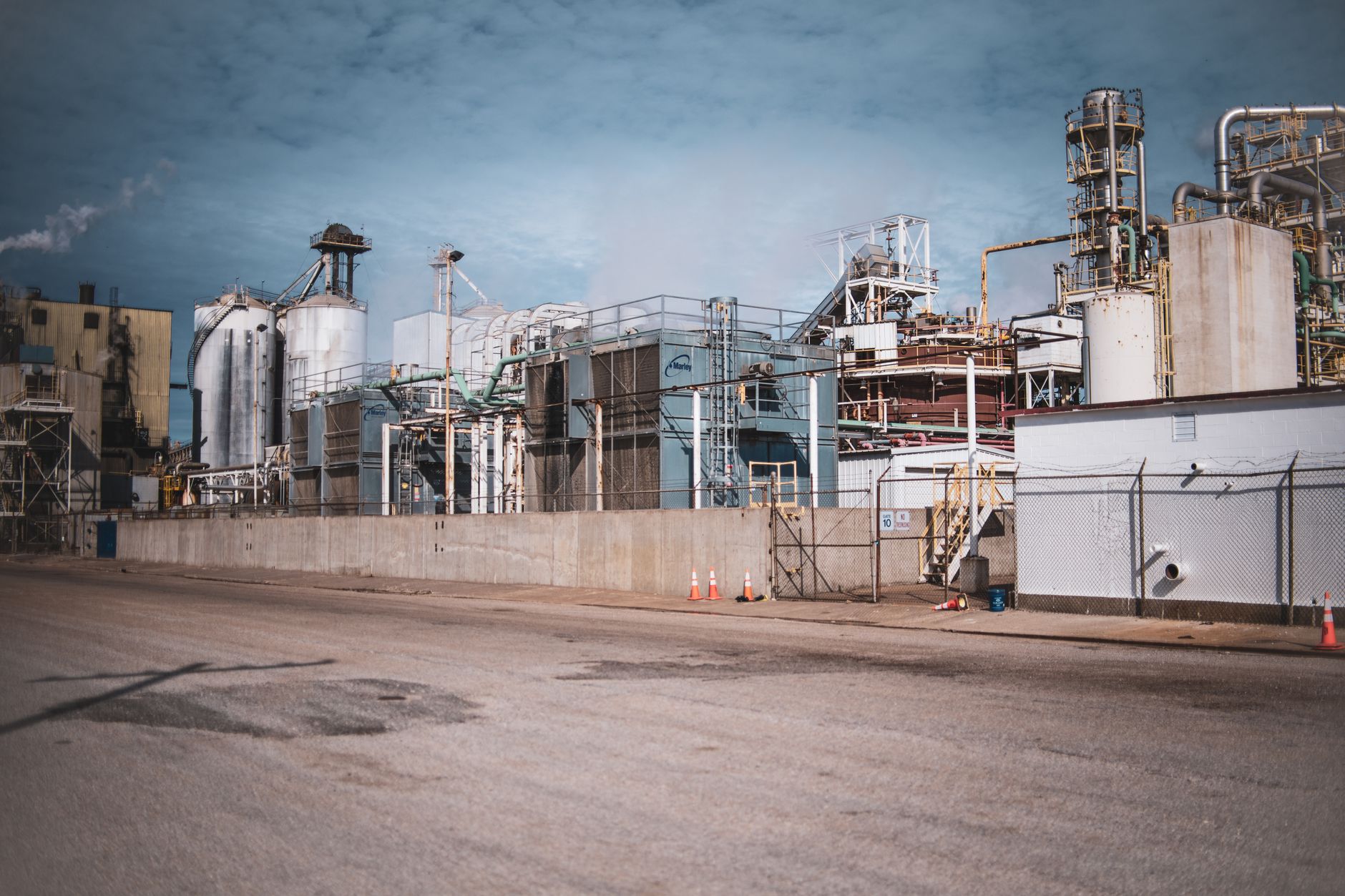
Chemours, the North Carolina-based chemical company that spun off from DuPont, has committed to funding PFAS cleanup efforts in the state, addressing decades of groundwater and drinking water contamination linked to the production of GenX and other synthetic fluorinated chemicals. The deal establishes financial responsibility for remediation at specific contaminated sites and requires the company to fund water treatment systems for affected communities. This settlement represents one of several major PFAS litigation outcomes reshaping accountability for industrial pollution nationwide.
The cleanup agreement covers multiple geographic areas in North Carolina where GenX and PFOA—legacy chemicals used in the manufacture of Teflon-coated products and water-resistant materials—have migrated into groundwater supplies. Chemours’ obligations include monitoring contamination plumes, installing and operating treatment systems, and compensating for environmental assessment work at affected sites. For residents and property owners in contaminated zones, the deal establishes a clear financial backer for remediation, though implementation timelines and actual water quality improvements remain ongoing.
Table of Contents
- What PFAS Chemicals Are and Why Chemours Created Contamination
- Financial Scope and Limitations of the Cleanup Commitment
- Geographic Areas and Affected Water Systems Under the Deal
- How Chemours’ Cleanup Obligations Compare to Other PFAS Settlements
- Monitoring, Enforcement, and What Happens if Contamination Spreads
- Public Water System Integration and Treatment Technologies
- Comparison to Chemours’ Other Environmental Obligations and Ongoing Litigation
- Frequently Asked Questions
What PFAS Chemicals Are and Why Chemours Created Contamination
PFAS (per- and polyfluoroalkyl substances) are synthetic chemicals designed to repel water, oil, and stains—properties that made them valuable for industrial manufacturing but also rendered them extremely persistent in the environment. Chemours inherited PFAS production facilities from DuPont’s legacy operations and continued manufacturing GenX, a newer PFAS variant intended as a replacement for the older PFOA chemical. GenX was marketed as a safer alternative, yet it too accumulated in groundwater near manufacturing sites in Bladen County and surrounding areas.
The contamination resulted from both intentional discharge into rivers and uncontrolled migration of chemicals through soil and aquifers over several decades. Unlike conventional pollutants that degrade over time, PFAS chemicals resist breakdown and accumulate in drinking water supplies, fish, and human blood. Chemours’ operations in Fayetteville and Bladen County created groundwater plumes that extended across multiple jurisdictions, affecting both municipal water systems and private wells. The company’s earlier disclosures revealed internal awareness of GenX’s behavior in the environment, yet containment efforts proved insufficient to prevent widespread contamination.
Financial Scope and Limitations of the Cleanup Commitment
The financial commitment Chemours has made covers site investigation, groundwater monitoring, and installation of treatment systems, yet the total amount allocated does not necessarily represent the full cost of perpetual remediation if contamination persists or spreads. Settlement agreements typically structure cleanup funding in phases—initial investigation and short-term treatment are fully covered, while long-term groundwater management costs may be revisited if contamination extends beyond current projections or persists longer than anticipated.
A significant limitation is that water treatment systems, once installed, require ongoing operational costs—electricity, filter replacement, chemical additives, and staffing. While Chemours has agreed to operate and maintain treatment systems at various locations, these agreements often include cost caps or periodic renegotiation clauses if operating expenses exceed initial estimates. For example, if a water treatment facility must operate for decades rather than years, the actual expense could far exceed what was allocated in the 2020s settlement framework, creating potential disputes over who bears the additional burden.
Geographic Areas and Affected Water Systems Under the Deal
The cleanup encompasses contaminated zones in and around Bladen County, North Carolina, where Chemours’ primary manufacturing and chemical waste disposal occurred for decades. Drinking water systems in municipalities such as Wilmington and communities along the Cape Fear River basin are included in monitoring and remediation commitments. The company has established a tiered approach: immediate treatment systems serve municipalities drawing from contaminated zones, while additional monitoring wells and assessment work continue in areas where contamination plumes are moving or where historical disposal sites remain uncertain.
Private well owners in rural areas surrounding manufacturing sites present a particular challenge in the cleanup framework. While public water systems can implement centralized treatment, private well users often must negotiate individually for assistance, testing, or point-of-use treatment systems. Some settlement agreements create “private well programs” where property owners can request testing and remediation, though these programs often have application deadlines, geographic limitations, or require proof of contamination before treatment funds are released—barriers that exclude some affected residents.
How Chemours’ Cleanup Obligations Compare to Other PFAS Settlements
Chemours’ North Carolina settlement is one of numerous PFAS liability deals negotiated nationwide, and it reflects evolving standards for corporate responsibility in contamination cases. Earlier PFAS settlements, particularly those involving 3M Company and other manufacturers, have typically required larger lump-sum payments combined with water treatment system installation, though comparable details depend on the number of affected communities and contamination extent. Unlike some settlements that impose strict liability regardless of fault findings, Chemours’ agreement generally ties remediation obligations to documented contamination from the company’s operations, creating a narrower but more defensible scope.
The comparison matters for affected communities because settlement terms drive remediation speed and financial certainty. A settlement that assigns full cleanup cost to a single company, as North Carolina attempted, guarantees funding continuity; by contrast, settlements that split liability among multiple responsible parties often move slower as each party disputes its percentage share. Chemours’ consolidated responsibility simplifies the framework but potentially limits the total resources available if multiple parties contributed to contamination.
Monitoring, Enforcement, and What Happens if Contamination Spreads
The cleanup agreement includes provisions for ongoing groundwater monitoring to track whether PFAS plumes are expanding, stabilizing, or contracting over time. State environmental regulators and potentially a court-appointed monitor oversee progress, with regular public reporting requirements that create transparency but also legal exposure if monitoring data shows inadequate progress. Chemours must fund continued sampling and analysis, though disputes can arise over what monitoring results actually mean—whether measured concentrations indicate spreading contamination or natural attenuation.
A critical limitation is that settlement agreements cannot always predict how contamination will behave in dynamic aquifers. If PFAS plumes migrate into areas not originally identified as contaminated, questions emerge about whether Chemours’ obligations extend to new areas or whether additional litigation must be filed. Some settlements include “contingency funding” for discovered contamination beyond original boundaries, while others cap Chemours’ liability at specific sites, leaving potential future contamination as the responsibility of the state or other parties. Communities relying on groundwater in areas adjacent to known contamination zones face uncertainty if monitoring data becomes outdated or if climate change alters groundwater flow patterns.
📨 Get Free Mass Tort Guides Alerts
Free · No spam · Unsubscribe anytime
Public Water System Integration and Treatment Technologies
Water treatment systems installed under the cleanup agreement rely on activated carbon filtration, ion exchange resins, or more advanced membrane technologies like reverse osmosis, depending on system size and PFAS concentrations. Chemours’ obligations include funding these capital investments, yet municipalities must manage the long-term operational burden. Activated carbon systems, the most common approach, require regular filter replacement—sometimes annually—making the technology straightforward but expensive over decades of operation.
The treatment approach also depends on whether contamination is in shallow or deep aquifers. Shallow groundwater contamination can sometimes be addressed through aquifer remediation (chemical or biological treatment at the source), while deep contamination typically requires point-of-entry treatment at water supply intakes. Chemours’ commitment covers both approaches where applicable, though aquifer remediation remains experimental for PFAS and has not yet proven cost-effective at most sites, so treatment at water-supply entry points remains the dominant strategy.
Comparison to Chemours’ Other Environmental Obligations and Ongoing Litigation
Chemours faces parallel environmental and health litigation beyond North Carolina, including federal cases involving C8 (PFOA) exposure, a chemical the company inherited from DuPont’s Teflon manufacturing. The North Carolina PFAS settlement is specific to GenX and groundwater contamination, while separate settlements or ongoing litigation address historical C8 releases and potential health claims from exposed individuals. This compartmentalization means that even with the North Carolina cleanup deal, Chemours retains significant environmental liabilities across multiple states.
Private class action litigation has continued alongside the settlement, with residents in affected areas pursuing personal injury claims alleging PFAS exposure caused health problems. The cleanup settlement addresses environmental remediation but does not inherently resolve claims of bodily injury or medical monitoring, meaning some residents may be pursuing damages separate from the infrastructure improvements their communities will receive. This distinction is critical for affected individuals—cleaning contaminated water and treating supply systems is necessary but may not fully satisfy legal claims by those who consumed contaminated water for years before treatment systems were operational.
Frequently Asked Questions
Does the Chemours cleanup agreement ensure PFAS will be eliminated from North Carolina’s water supply?
No. The agreement funds treatment systems that reduce PFAS concentrations to safe levels but does not eliminate PFAS permanently from the environment. PFAS chemicals do not degrade naturally, so groundwater may remain contaminated indefinitely. Treatment removes PFAS from drinking water at the point of use, but environmental remediation in aquifers remains limited.
Can private well owners in rural areas affected by contamination access free treatment under the settlement?
Private well programs exist in some affected areas, but they typically require property owners to register, have testing performed, and meet geographic proximity thresholds. Deadlines for enrollment and criteria for eligibility vary by jurisdiction, so rural residents must actively seek information from county health departments or utilities rather than automatically receiving assistance.
How long will Chemours be required to fund water treatment operations?
Settlement agreements typically specify a time period (10–30 years) for Chemours’ funding obligations, after which local governments or utilities must assume operational costs. If contamination persists or worsens, disputes may arise over whether Chemours’ obligation extends beyond the agreed-upon timeframe or whether the responsible party can be assigned a new percentage share.
Are individuals who were exposed to PFAS-contaminated water eligible for compensation beyond the water system improvements?
Cleanup settlements address environmental remediation, not individual health claims. Persons alleging illness from PFAS exposure may pursue separate personal injury litigation or enroll in medical monitoring programs, depending on the jurisdiction and any class action settlement specific to health claims.
What happens if Chemours cannot afford ongoing treatment costs?
Settlement agreements typically establish payment schedules and financial assurances (bonds or trusts) to guarantee funding. If Chemours faces financial difficulty, the settlement may require setting aside funds in escrow or establishing a payment plan. Courts can enforce these obligations, though disputed enforcement cases can delay remediation.
Will the settlement prevent future PFAS contamination from Chemours’ operations in North Carolina?
The agreement does not directly restrict Chemours’ manufacturing practices but does establish liability for future contamination if it occurs. Regulatory oversight and permitted discharge limits are separate from the settlement framework, so continued operations must comply with state environmental permits and federal Clean Water Act requirements.
You Might Also Like
- Point Wild Deal Signals Growth in Mass Tort Lien Resolution Market
- X Social Media Repositions Brand Around Mass Tort Advertising
- X Corp Settles Trademark Dispute With Mass Tort Advertising Agency