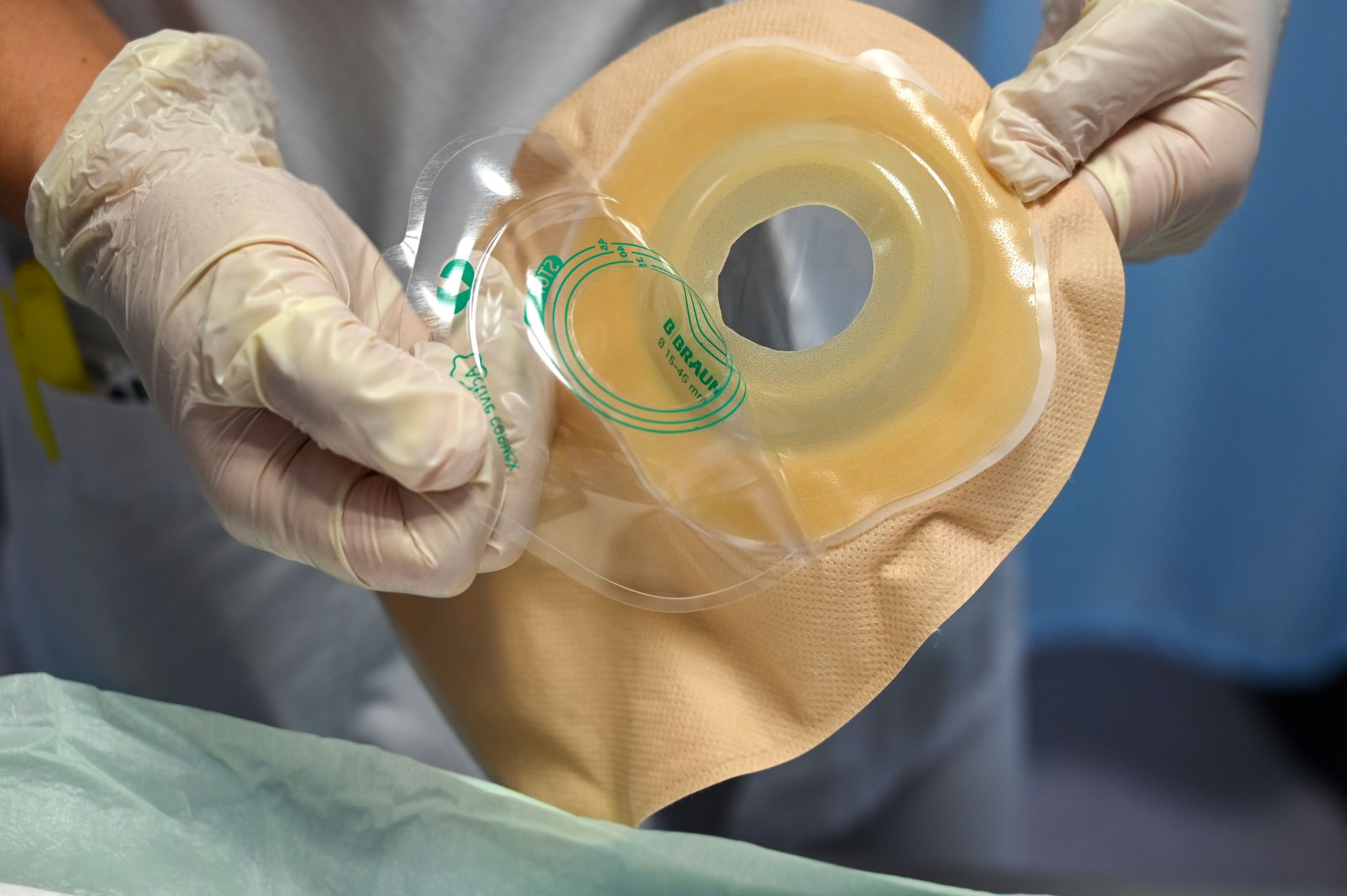
Bard PowerPort catheter lawsuits claim the implanted port's catheter can break, fracture, or pinch off inside the body. Plaintiffs say the migrating fragment can cause embolism, clots, and emergency removal surgery. A PowerPort is a small reservoir placed under the skin with a tube into a large vein for repeated high-flow treatment. The cases focus on fracture injury, not routine soreness or infection alone.
Official resources:
- Explore the official data from Uscourts — Use this primary source to review the underlying data.
- Explore the official data from FDA — Use this primary source to review the underlying data.
Table of Contents
- How a fracture causes injury
- Who received these ports
- Where the federal litigation stands
- What reports and lab findings show
- What to do if you suspect a break
How a fracture causes injury
Plaintiffs allege PowerPort devices with ChronoFlex/Groshong catheters are prone to breaking, fracturing, or pinching off, according to LegalScoops in its litigation summary of the infection, clot, and break claims. They link those failures to embolism, deep-vein thrombosis, blood clots, vein puncture, and infection.
A free fragment can travel in the bloodstream toward the heart or lungs. That can block flow, damage vessels, and require catheter retrieval, port removal, and cardiac care.
Who received these ports
The devices are most commonly implanted in cancer patients needing frequent, long-term chemotherapy, LegalScoops reports. The port sits under the skin and avoids repeated needle sticks into deep veins.
That use pattern matters for risk. Longer implantation means more cycles of flushing, pressure infusion, and body movement around the catheter.
📨 Get Free Mass Tort Guides Alerts
Free · No spam · Unsubscribe anytime
Where the federal litigation stands
Federal implanted-port cases were centralized in August 2023 as MDL No. 3081 in Arizona before Senior Judge David G. Campbell. The U.S. Judicial Panel on Multidistrict Litigation reported 4,345 pending actions on Nov.
2, 2026, up from 4,140 a month earlier, in its November MDL statistics report. Bellwether results are split. A jury awarded Kimberly Divelbliss $40 million on Sept. 4, 2026, for defective design and failure to warn after her silicone catheter fractured and required removal with cardiac complications, according to The Lanier Law Firm in its PowerPort case update. The first Cook trial ended in a May 2026 defense verdict and the third Lattanzio infection trial ended in an Oct. 30, 2026 defense verdict, according to Doyle APC in its PowerPort lawsuits update.
What reports and lab findings show
FDA's MAUDE database includes a Bard PowerPort adverse event with port migration and flipping coded with pulmonary embolism and thrombosis. U.S.
FDA MAUDE Report 3006260740 shows regulators have received fracture-migration injury reports. A peer-reviewed mechanism discussed in litigation reporting involves barium-sulphate filler particles. The Frontiers in Cardiovascular Medicine review, citing Braun and colleagues in 2016, found particle loss near catheter surfaces creates weak points and lower mechanical performance, especially with longer implantation.
What to do if you suspect a break
Get urgent medical care first, then preserve the paper trail. Hospitals, oncologists, and interventional radiologists usually hold the records a lawyer will need. Ask the treating doctor what was removed, where it was found, and what follow-up imaging is planned.
- Keep the implant card, operative note, and device sticker with model and lot number
- Save imaging, retrieval notes, and removal or replacement records
- List dates for pain, swelling, infusion trouble, clots, or infection treatment
- Do not discard an explanted port or fragment without legal advice
You Might Also Like
- Gabapentin Lawsuit Filings Rise Over Dementia Injury Claims
- Millie Moon Diaper Recall Lawsuit Claims Over Infant Burns
- Uber Sexual Assault Lawsuit MDL Updates for Rideshare Victims