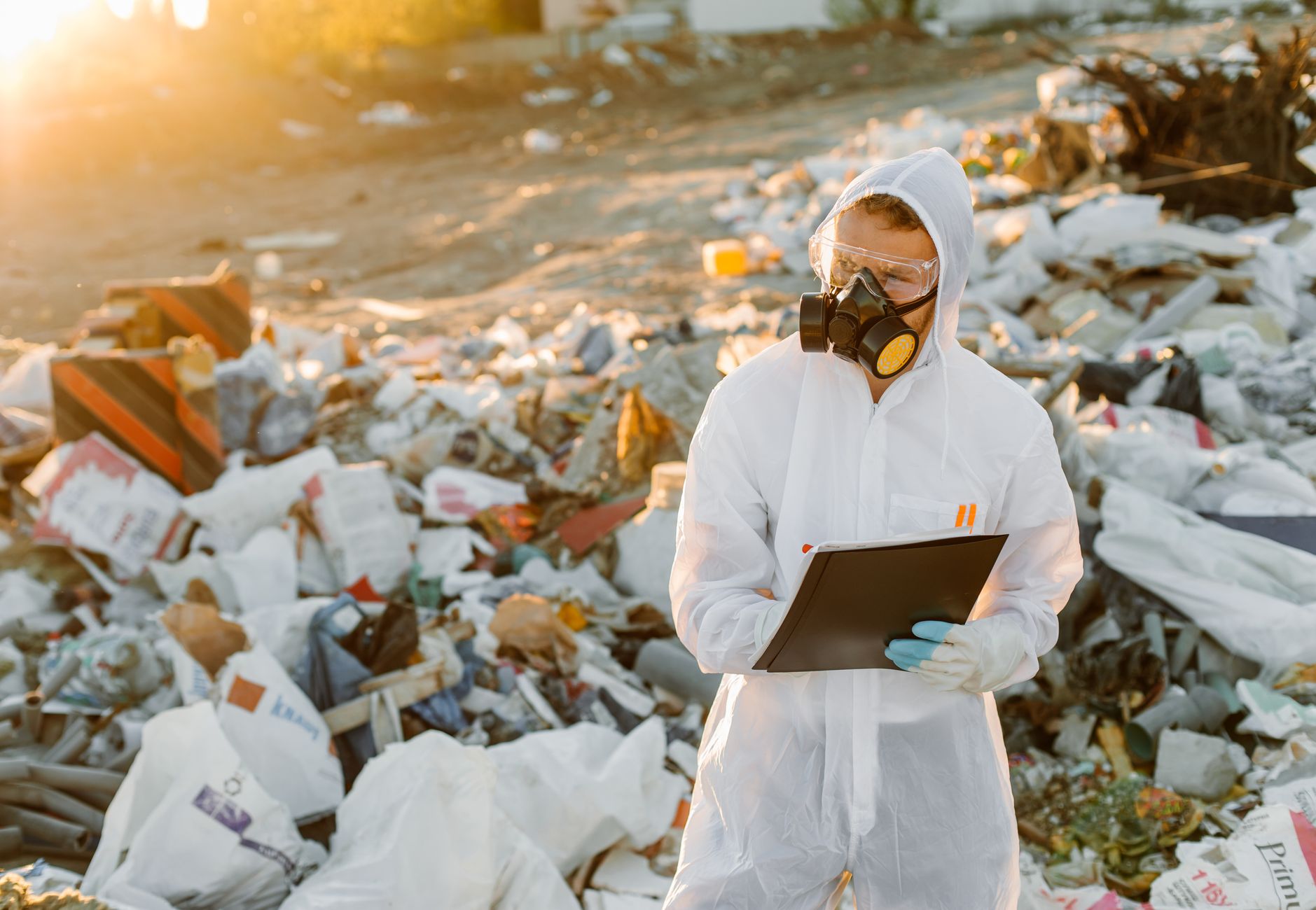
Asbestos assessment efforts have commenced at the West Virginia location of Peoples Cartage following a fire incident that raises questions about potential hazardous material exposure. When industrial fires occur at facilities that operated for decades, asbestos assessments typically follow because many older buildings contain asbestos-containing materials in insulation, roof coatings, gaskets, and other components. Fire events create urgency for environmental testing because heat and structural damage can disturb asbestos fibers, potentially releasing them into the air and affecting workers, emergency responders, and nearby residents.
The assessment process indicates authorities recognized a need to test the site’s air quality and physical materials to determine if asbestos was released during or after the fire. Anyone who was present at or near the facility during the incident, or who was exposed to debris and contamination afterward, may have been exposed to asbestos fibers. This is particularly significant because asbestos-related illnesses like mesothelioma can develop decades after exposure, making documentation of the incident and exposure circumstances critical for future legal claims.
Table of Contents
- Why Do Fires at Older Facilities Trigger Asbestos Testing?
- The Asbestos Assessment Process at Fire Sites
- Exposure Risks at Transportation and Cartage Facilities
- Legal Implications and Compensation Pathways
- Health Effects and the Importance of Medical Documentation
- Preserving Evidence and Your Exposure Record
- Understanding Your Legal Options After an Asbestos Assessment
Why Do Fires at Older Facilities Trigger Asbestos Testing?
Industrial facilities and transportation companies that have been operating since the mid-20th century frequently contain asbestos products throughout their structures. Asbestos was widely used in commercial buildings because of its fire-resistance properties, making it common in roof membranes, floor tiles, pipe insulation, and equipment gaskets. When a fire occurs at such a facility, heat can degrade asbestos materials and potentially aerosolize fibers, which becomes a direct health concern.
Fire damage assessment protocols now routinely include asbestos testing because of established regulatory requirements. environmental agencies and occupational safety officials understand that fires represent one of the highest-risk scenarios for asbestos fiber release. A facility that may have safely contained asbestos for decades can suddenly become a contamination source when structural materials are compromised. The Peoples Cartage location assessment reflects this standard protocol rather than unusual circumstances.
The Asbestos Assessment Process at Fire Sites
Professional asbestos assessments involve multiple steps, beginning with a visual inspection of damaged materials followed by bulk sampling of suspect items like insulation, roof coating, floor tiles, and pipe wrapping. Laboratories then analyze these samples using polarized light microscopy or other techniques to determine the percentage of asbestos fibers present. Air quality testing may also be conducted using specialized equipment that draws air samples and counts fiber concentrations.
One limitation of assessments is timing—if testing begins days or weeks after a fire, it may not capture peak fiber dispersal that occurred immediately after the incident. Responders and workers present during the fire and its immediate aftermath face the greatest exposure risk, yet they may not be aware of asbestos contamination at the time. Additionally, assessment reports may not identify all potential exposure pathways; contamination can spread to vehicles, clothing, and personal equipment used during firefighting or cleanup operations, creating secondary exposure for family members.
Exposure Risks at Transportation and Cartage Facilities
Peoples Cartage and similar companies operating fleet maintenance facilities present particular asbestos concerns because of the wide range of activities conducted at such sites. Mechanics and maintenance workers may have been exposed when handling older vehicles with asbestos brake linings, clutches, and gasket materials. The facility’s building systems—HVAC ducting, boiler insulation, steam pipe wrapping—also commonly contained asbestos in facilities of that age and type.
Fire adds a specific exposure dimension because it can release asbestos into the building’s ventilation system, contaminating multiple rooms and exterior areas through air dispersal. Workers who occupied the facility during normal operations were already at potential risk if asbestos materials were present and disturbed; the fire event escalates concern by creating acute exposure conditions. Drivers, office staff, and maintenance personnel all may have been present during or shortly after the fire, making exposure assessment important for a broad group of former workers.
Legal Implications and Compensation Pathways
Asbestos-related illnesses that develop following occupational exposure—including mesothelioma, lung cancer, and asbestosis—create potential legal liability for the facility owner and operators. Documentation of the fire event, the asbestos assessment results, and your presence at the location form the foundation for a product liability or negligence claim. Companies that failed to properly manage, disclose, or contain asbestos materials before the fire can be held responsible for resulting illnesses.
📨 Get Free Mass Tort Guides Alerts
Free · No spam · Unsubscribe anytime
Compensation can come through several channels: direct lawsuits against the company, settlements from asbestos trust funds established by bankrupt manufacturers, workers’ compensation claims, and in some cases, claims against insurers. The tradeoff between filing suit immediately versus waiting until asbestos-related illness develops depends on your circumstances; some people wait until diagnosis, while others file while still healthy to preserve their claim and gather evidence while witnesses and records are accessible. An attorney experienced in asbestos cases can evaluate which pathway is most appropriate for your exposure history.
Health Effects and the Importance of Medical Documentation
Asbestos fibers cause illness by lodging in lung tissue and the lining surrounding organs, triggering inflammation, scarring, and eventually cancer. Mesothelioma—a cancer of the lung lining or abdominal lining—is the signature asbestos disease and is almost always fatal within one to five years of diagnosis. Lung cancer and asbestosis (progressive scarring and breathing difficulty) also develop from asbestos exposure. A major limitation of asbestos illnesses is their latency; most people exposed in a fire incident in 2024 or 2025 would not develop symptoms for 10 to 50 years.
This latency creates a critical need for medical documentation now, even if you feel completely healthy. Getting a baseline chest X-ray or CT scan and establishing a relationship with an occupational medicine physician creates a medical record proving your lung status at the time of exposure. If asbestos illness develops years later, this documentation becomes invaluable evidence that asbestos fibers caused your disease rather than smoking or other environmental factors. Without such records, proving causation becomes significantly more difficult.
Preserving Evidence and Your Exposure Record
Gather and document every piece of evidence related to your presence at the Peoples Cartage location during the fire and your exposure to fire damage or debris. Save photos of the site, text messages or emails mentioning the fire, pay stubs proving you worked there, and any communications from the company about the fire or cleanup. Obtain the asbestos assessment report when it becomes available; this is often public record or can be requested from the company.
Medical records, even routine doctor visits mentioning potential asbestos exposure, strengthen your claim. Contact an asbestos attorney now rather than waiting until you develop symptoms. Early consultation allows the attorney to preserve witness testimony, subpoena company records, and protect your legal rights. Statutes of limitations for asbestos claims vary by state, but generally do not begin running until you receive a diagnosis; however, waiting until diagnosis means you’ve lost years to investigate and gather evidence while memories are fresh and documents haven’t been destroyed.
Understanding Your Legal Options After an Asbestos Assessment
If the assessment confirms asbestos was present at the Peoples Cartage facility and you were exposed during the fire incident, you have multiple options for pursuing compensation. A personal injury lawsuit names the facility owner, the company operating the site, and potentially manufacturers of asbestos-containing products used at the location. Asbestos manufacturers established trust funds totaling over $30 billion to compensate victims; these funds exist outside the court system and can pay claims even if the original company is no longer in business.
Consult with a mesothelioma or asbestos attorney who will evaluate your exposure history, the assessment findings, your employment records, and medical history to determine the strength of your claim and the best legal pathway. The attorney can file a claim with the asbestos trust funds while simultaneously preparing a lawsuit, maximizing your recovery options. Many asbestos attorneys work on contingency, meaning you pay no fees unless they secure compensation for you.
- —
You Might Also Like
- Peoples Cartage Fire Site Faces Asbestos Testing Before Cleanup Can Begin
- Workplace Asbestos and Mold Training Program for Employee Safety
- Why Asbestos Contamination in Play Sand Wasn’t Properly Tested