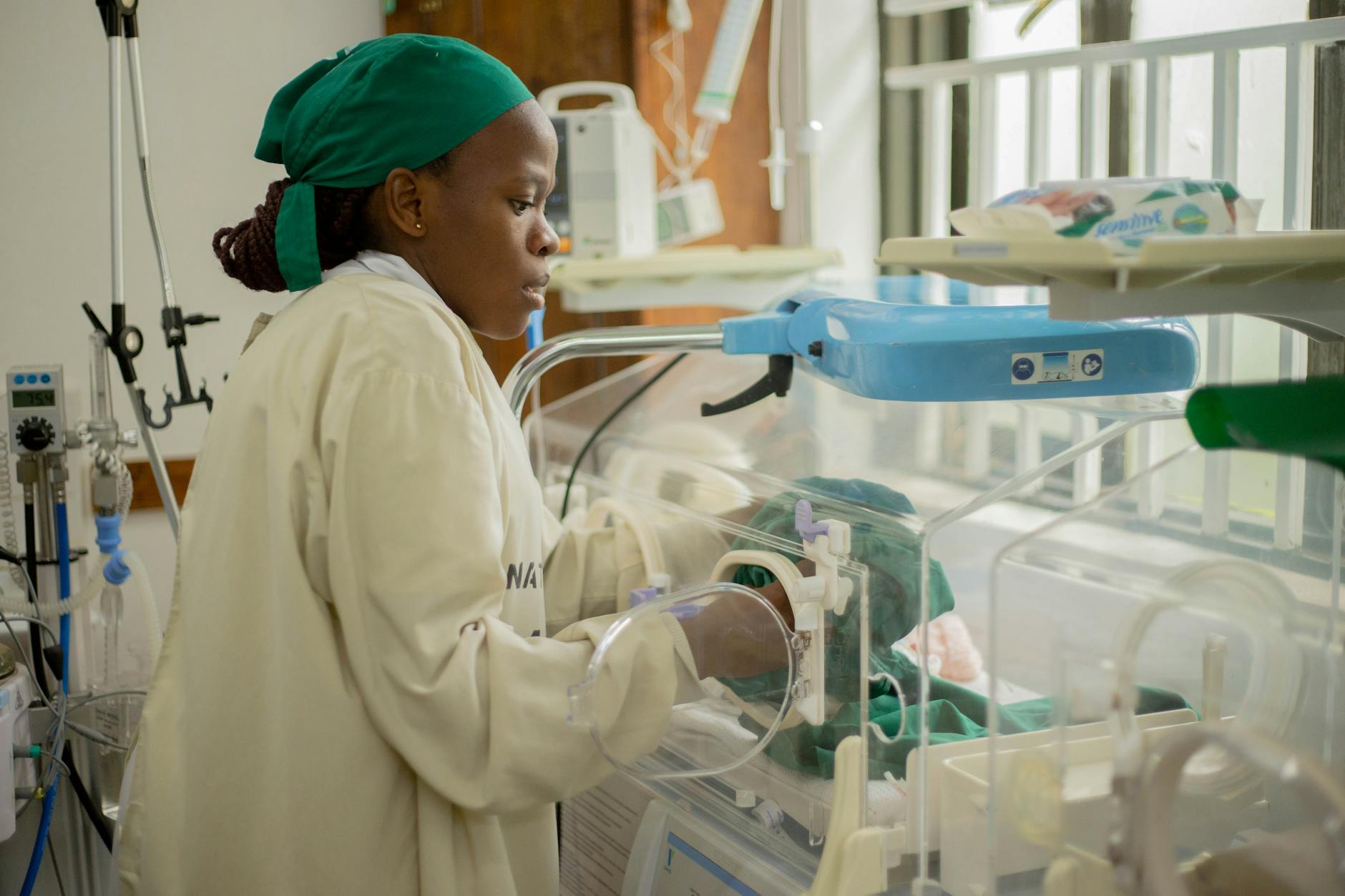
The premature baby formula lawsuit is a massive wave of litigation alleging that cow’s milk-based infant formulas manufactured by Abbott Laboratories and Mead Johnson (now owned by Reckitt Benckiser) significantly increase the risk of necrotizing enterocolitis, a devastating and often fatal intestinal disease, in premature infants. Approximately 779 cases are currently pending in a federal multidistrict litigation (MDL 3026) before U.S. District Judge Rebecca R. Pallmeyer in the Northern District of Illinois, and while no global settlement has been reached as of March 2026, state court juries have already delivered staggering verdicts — including a $495 million award in Missouri and a $60 million verdict in Illinois — that are putting enormous pressure on manufacturers to negotiate.
The products at the center of these lawsuits are Similac Special Care, made by Abbott, and Enfamil, made by Mead Johnson. Parents of premature babies who developed NEC after being fed these formulas argue that the manufacturers knew or should have known that their cow’s milk-based products doubled, tripled, or even quadrupled the risk of NEC compared to breast milk or donor human milk, yet failed to adequately warn hospitals and families. As of March 10, 2026, opening arguments have begun in the first Illinois state court trial in Chicago, where four mothers are suing Abbott over injuries their premature infants suffered after being fed Similac Special Care. This article covers the current state of the litigation across both federal and state courts, what the science says about NEC and infant formula, the major verdicts that have shaped this litigation, who qualifies to file a claim, and what families should realistically expect going forward as bellwether trials continue through 2027.
Table of Contents
- What Is the Premature Baby Formula NEC Lawsuit About?
- Federal MDL vs. State Court Trials — Why the Results Look So Different
- The March 2026 Illinois Trial and What It Means for the Litigation
- Who Qualifies to File a Premature Baby Formula Lawsuit?
- What Families Should Realistically Expect on Settlement Timing and Amounts
- The Role of Hospitals and Medical Providers in NEC Cases
- Where This Litigation Is Headed
- Conclusion
- Frequently Asked Questions
What Is the Premature Baby Formula NEC Lawsuit About?
At its core, this litigation is about informed consent and corporate transparency. The plaintiffs — parents of premature infants who developed necrotizing enterocolitis — allege that Abbott and Mead Johnson marketed their cow’s milk-based formulas to neonatal intensive care units across the country without disclosing a well-documented risk. NEC destroys intestinal tissue in premature babies, often requiring emergency surgery to remove portions of the bowel, and carries a mortality rate that some studies place between 20 and 50 percent depending on severity. Families contend that had they been told their premature baby’s formula carried a meaningfully elevated NEC risk, they never would have consented to its use. The scientific foundation of these claims rests on decades of published research comparing outcomes in premature infants fed cow’s milk-based formula versus those who received human breast milk or donor milk. Multiple peer-reviewed studies have found that premature infants fed cow’s milk-based formulas face a substantially higher incidence of NEC.
The plaintiffs’ argument is straightforward: the manufacturers had access to this research, understood the risk, and chose not to place adequate warnings on their products or in their communications with healthcare providers. Judge Pallmeyer’s decision to deny defense Daubert motions to exclude plaintiffs’ general causation experts was a significant moment in the litigation, effectively validating the scientific basis for the claim that cow’s milk-based formulas increase NEC risk. It is worth noting that these formulas are not accused of being universally dangerous. For full-term, healthy infants, cow’s milk-based formula has a long safety track record. The risk profile changes dramatically for premature babies, particularly those born before 32 weeks of gestation or weighing less than 1,500 grams at birth. That distinction is precisely what plaintiffs say the manufacturers should have communicated clearly — and did not.
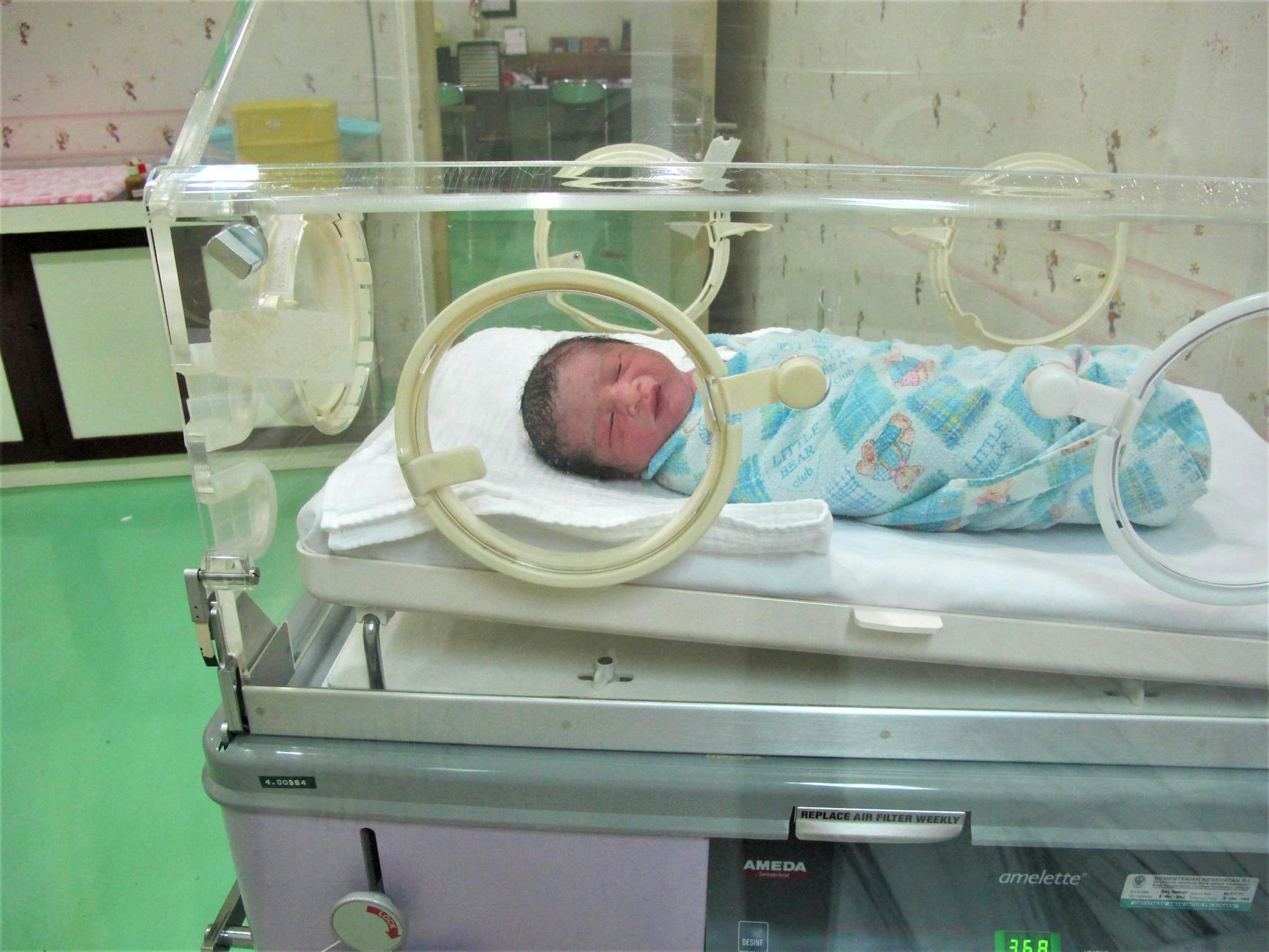
Federal MDL vs. State Court Trials — Why the Results Look So Different
One of the most confusing aspects of this litigation for families following along is the divergent outcomes between federal and state courts. In the federal MDL, abbott won all three first-wave bellwether cases on summary judgment, meaning the cases were resolved before they ever reached a jury. That sounds like a decisive win for the defense, but the picture is far more complicated than those outcomes suggest. Summary judgment rulings turn on procedural and evidentiary questions that are specific to the individual case records, and they do not necessarily reflect how a jury would evaluate the broader evidence. State court juries, by contrast, have heard the full presentation of evidence and responded with enormous verdicts. In March 2024, a jury in Illinois state court awarded $60 million in an Enfamil case against Mead Johnson.
Just four months later, in July 2024, a Missouri state court jury returned a $495 million verdict in a Similac case against Abbott — $95 million in compensatory damages and a punishing $400 million in punitive damages. That punitive damages figure signals the jury’s belief that Abbott’s conduct was not merely negligent but willfully indifferent to the safety of premature infants. However, families should understand that a verdict is not the same as a check in the mail. Large jury awards are frequently reduced on appeal or through post-trial motions. Defendants often argue that punitive damages of that magnitude violate constitutional due process protections, and appellate courts have a track record of scaling them back. Still, even if these awards are reduced, their sheer size fundamentally changes the settlement calculus for both Abbott and Mead Johnson. When juries are willing to hand down nine-figure verdicts, the financial risk of continuing to litigate every case individually becomes untenable.
The March 2026 Illinois Trial and What It Means for the Litigation
Opening arguments began on March 10, 2026, in the first Illinois state court trial held in Cook County Circuit Court in Chicago. This trial involves four Illinois mothers whose premature babies were fed Similac Special Care and subsequently developed NEC. It is being watched closely by attorneys on both sides because Illinois is Abbott’s home state — the company is headquartered in Abbott Park, just north of Chicago — and the outcome here could influence both public perception and settlement negotiations. This trial is distinct from the federal bellwether process. The second wave of federal bellwether trials has been scheduled with three Similac NEC lawsuits set for trial in August 2026, November 2026, and February 2027.
Those federal trials will be critically important because they represent the first opportunity for plaintiffs to present their case to a federal jury after the first-wave summary judgment losses. Judge Pallmeyer’s denial of defense Daubert motions heading into this second wave means plaintiffs’ causation experts will be allowed to testify, removing the obstacle that helped defendants prevail in earlier rounds. The convergence of active state court trials and upcoming federal bellwether dates creates a compressed timeline that works in plaintiffs’ favor. Every additional verdict — win or lose — generates data points that inform settlement value calculations. If plaintiffs secure even one favorable federal bellwether verdict to go alongside the state court wins, the pressure on defendants to negotiate a global resolution will intensify considerably.

Who Qualifies to File a Premature Baby Formula Lawsuit?
Not every family whose baby was fed Similac or Enfamil has a viable claim. The litigation specifically concerns premature infants who developed necrotizing enterocolitis after being fed cow’s milk-based formula in a hospital setting, typically in a neonatal intensive care unit. Most law firms evaluating potential cases look for several key criteria: the baby was born prematurely (generally before 37 weeks, with stronger cases involving births before 32 weeks), the baby was fed Similac Special Care or Enfamil products, and the baby was subsequently diagnosed with NEC, which may have required surgery, resulted in long-term health complications, or caused death. Families weighing whether to pursue a claim should understand the tradeoffs involved. Joining the federal MDL offers the advantage of coordinated discovery and shared litigation resources, meaning individual families do not bear the full cost of fighting Abbott or Mead Johnson alone.
However, MDL cases can move slowly — this litigation has been pending since 2022 and a global settlement remains elusive. Filing in state court, as the Illinois and Missouri plaintiffs did, can sometimes produce faster results and allows families to present their case to a local jury, but it also requires more individual legal resources and carries the risk of an unfavorable ruling with less support structure. The statute of limitations varies by state, and in cases involving injuries to minors, many states toll the limitations period until the child reaches adulthood. That said, waiting too long carries practical risks: medical records become harder to obtain, witnesses’ memories fade, and the litigation landscape may shift. Families who believe they have a claim should consult with an attorney experienced in NEC formula litigation sooner rather than later, even if they ultimately decide to wait before filing.
What Families Should Realistically Expect on Settlement Timing and Amounts
There is no global settlement in this litigation as of March 2026, and anyone who tells families otherwise is either misinformed or trying to sign them up as clients under false pretenses. The path from massive jury verdicts to a negotiated resolution is never as straight as it appears. Both Abbott and Mead Johnson have substantial legal budgets and strong incentives to fight — every dollar they can reduce in settlement value across hundreds of cases translates to enormous savings. The federal bellwether results favoring defendants give them additional leverage to argue that the state court verdicts are outliers. That said, the litigation dynamics are shifting. When a Missouri jury says a case is worth $495 million, that number becomes an anchor in every settlement discussion regardless of whether it survives appeal.
The upcoming federal bellwether trials in the second half of 2026 and early 2027 are widely viewed as the most likely catalyst for serious global settlement talks. If plaintiffs win even one of those trials, the defense loses its strongest argument — that the federal cases are fundamentally unwinnable for families. Families should also be cautious about settlement amount predictions circulating online. Some legal marketing sites throw around per-case estimates ranging from $50,000 to over $1 million. The reality is that individual settlement values, if a global deal is eventually reached, will depend heavily on the severity of each child’s injuries. A baby who required emergency bowel resection surgery and lives with short bowel syndrome will receive a fundamentally different valuation than a baby who developed NEC but recovered without surgical intervention. Tiered settlement structures that account for these differences are standard in mass tort resolutions.

The Role of Hospitals and Medical Providers in NEC Cases
One aspect of this litigation that does not get enough attention is the role hospitals and NICUs play in formula selection. In most cases, parents of premature infants do not choose their baby’s formula — the NICU staff selects and administers it based on institutional protocols and, critics argue, relationships with formula manufacturers. Abbott and Mead Johnson have long marketed aggressively to hospitals, and some NICUs have historically defaulted to cow’s milk-based formulas even when donor human milk was available.
📨 Get Free Mass Tort Guides Alerts
Free · No spam · Unsubscribe anytime
This matters legally because defendants often argue that the prescribing physician or hospital, not the manufacturer, bears responsibility for the feeding decision. Some families have named hospitals or individual providers as defendants alongside the formula makers, though these claims are more legally complex and face additional hurdles related to medical malpractice standards. For families, the practical takeaway is that the systemic nature of how formula reaches premature babies is itself part of what this litigation seeks to address.
Where This Litigation Is Headed
The next twelve months will likely determine whether the premature baby formula litigation resolves through a negotiated global settlement or continues grinding through case-by-case trials for years to come. The second wave of federal bellwether trials, beginning in August 2026, represents the most consequential stretch of this litigation. A plaintiff victory at the federal level would remove the primary talking point defendants have used to resist settlement — that they keep winning in federal court.
Meanwhile, the Illinois state court trial underway in Chicago will produce another data point, and additional state court filings continue to accumulate. The manufacturers face a war of attrition: even if they win some trials, the cost of defending each case individually across multiple jurisdictions is staggering. For families waiting on the sidelines, the trajectory suggests that 2026 and early 2027 will bring the clarity that has been missing from this litigation, one way or another.
Conclusion
The premature baby formula lawsuit represents one of the most significant product liability litigations in recent years, pitting families of vulnerable premature infants against two of the largest formula manufacturers in the world. The evidence that cow’s milk-based formulas carry elevated NEC risk for premature babies has survived rigorous legal challenges, with Judge Pallmeyer’s denial of Daubert motions preserving the scientific foundation of these claims. State court juries in Illinois and Missouri have already spoken with force, delivering a combined $555 million in verdicts that reflect genuine outrage over what families allege was a preventable failure to warn.
For parents of premature babies who developed NEC after being fed Similac Special Care or Enfamil, the most important step is to preserve medical records and consult with a qualified attorney who handles NEC formula cases. The litigation is active, evolving, and entering a critical phase with multiple bellwether trials scheduled through early 2027. No settlement is guaranteed, and outcomes will vary based on individual circumstances, but the legal and financial pressure on Abbott and Mead Johnson to resolve these claims is building steadily. Families should stay informed, remain realistic about timelines, and ensure their legal rights are protected while the courts continue to work through this complex litigation.
Frequently Asked Questions
What is necrotizing enterocolitis (NEC)?
Necrotizing enterocolitis is a serious gastrointestinal disease that primarily affects premature infants. It occurs when bacteria invade the intestinal wall, causing inflammation, tissue death, and in severe cases, intestinal perforation. NEC often requires emergency surgery and carries a high mortality rate, particularly in the most premature infants.
Which baby formula products are involved in the NEC lawsuits?
The lawsuits primarily target Similac Special Care, manufactured by Abbott Laboratories, and Enfamil products manufactured by Mead Johnson, which is now owned by Reckitt Benckiser. Both are cow’s milk-based formulas that were widely used in neonatal intensive care units for premature infants.
Has there been a settlement in the baby formula NEC lawsuit?
No. As of March 2026, no global settlement has been reached in the federal MDL or in state court proceedings. Approximately 779 cases remain pending in federal court, with additional cases filed in state courts. The second wave of federal bellwether trials is scheduled to begin in August 2026.
What is the largest verdict so far in the NEC formula litigation?
The largest verdict to date is a $495 million award from a Missouri state court jury in July 2024 in a Similac case against Abbott. That amount included $95 million in compensatory damages and $400 million in punitive damages. A separate Illinois state court jury awarded $60 million in an Enfamil case in March 2024.
Can I still file a premature baby formula lawsuit?
Potentially, yes. Statutes of limitations vary by state, and many states toll the deadline for claims involving injuries to minors. If your premature baby was fed cow’s milk-based formula and developed NEC, you should consult with an attorney experienced in this litigation to evaluate whether your claim remains timely and viable.
Does cow’s milk-based formula cause NEC in all babies?
No. The elevated risk is specific to premature infants, particularly those born before 32 weeks of gestation or weighing less than 1,500 grams. For full-term, healthy infants, cow’s milk-based formula has not been associated with a meaningful NEC risk. The lawsuits focus on the failure to warn about the specific risk to premature babies.