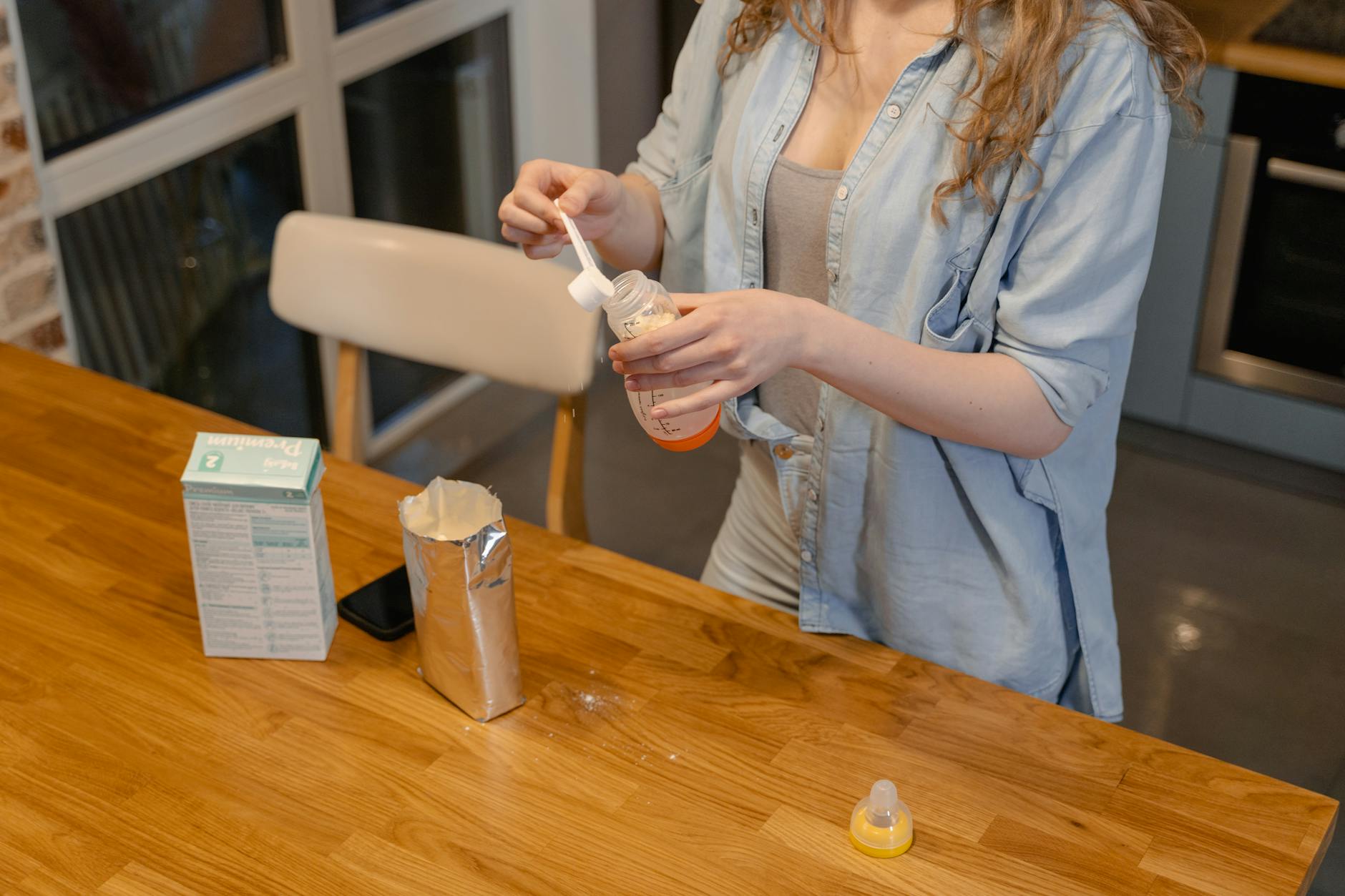
Abbott Laboratories is facing a massive wave of litigation over claims that its cow’s milk-based baby formulas, including Similac, caused necrotizing enterocolitis (NEC) in premature infants — and as of March 2026, no global settlement has been reached. With more than 1,700 lawsuits filed across the country and 779 cases consolidated in federal multidistrict litigation in Illinois, families are pressing forward through trial, having already secured verdicts as high as $495 million. Opening arguments in the first Illinois state trial began on March 10, 2026, in Cook County Circuit Court in Chicago, marking another critical chapter in this litigation.
The lawsuits center on allegations that Abbott knew its Similac powdered formulas posed a heightened risk of NEC — a devastating intestinal condition — in preterm babies and failed to warn hospitals or parents. The 2022 recall of powdered formulas produced at Abbott’s Sturgis, Michigan plant, following an FDA investigation, brought widespread public attention to the issue. But the legal claims extend well beyond the recall itself, targeting years of alleged failure to disclose known risks. This article covers the current state of the litigation, prior verdicts, what the federal bellwether trials mean, who qualifies to file a claim, and what families should realistically expect going forward.
Table of Contents
- What Is the Abbott Baby Formula Recall Lawsuit Really About?
- Where the Litigation Stands in Federal and State Courts
- Prior Verdicts — Big Numbers but Mixed Results
- Who Qualifies to File a Claim Against Abbott
- Why No Global Settlement Has Been Reached
- The Role of the 2022 Sturgis Plant Recall
- What to Watch For in 2026
- Conclusion
- Frequently Asked Questions
What Is the Abbott Baby Formula Recall Lawsuit Really About?
At its core, this litigation is about whether Abbott had a duty to warn that its cow’s milk-based formulas could cause NEC in premature infants — and whether the company failed that duty. NEC is a serious and often fatal condition in which intestinal tissue becomes inflamed and begins to die. It disproportionately affects babies born before 32 weeks of gestation, particularly those weighing around three pounds or less. Plaintiffs argue that scientific literature linking cow’s milk-based formula to elevated NEC risk in preterm infants has existed for decades, and that Abbott chose not to place adequate warnings on its products or alert neonatal intensive care units.
The distinction matters: this is not simply a product contamination case tied to the 2022 Sturgis plant recall, though that recall is part of the broader story. The formula recall involved bacterial contamination concerns at a specific facility. The NEC lawsuits, by contrast, allege a fundamental design and warning defect in cow’s milk-based formulas fed to vulnerable preterm babies over many years. The four cases now on trial in Cook County involve Illinois parents whose premature babies were fed Abbott formula at Chicago-area hospitals between 2012 and 2019 — years before the Sturgis recall. That timeline underscores the scope of what plaintiffs are alleging: a long-running failure to act on known science.

Where the Litigation Stands in Federal and State Courts
The federal cases are consolidated in MDL 3026 in the U.S. District Court for the Northern District of Illinois, where 779 cases were pending as of March 2026. Multidistrict litigation allows courts to handle shared pretrial issues — discovery, expert testimony disputes, procedural motions — more efficiently than if each case proceeded independently. However, three Similac bellwether cases in the federal MDL were dismissed on summary judgment, dealing a significant blow to plaintiffs on the federal side. An Enfamil case is scheduled for federal trial in July 2026, and a second wave of bellwether trials is expected in August 2026, so the federal picture is still developing.
State courts have been where plaintiffs have gained the most traction. The trial that opened on March 10, 2026, in Cook County Circuit Court is the first Illinois state trial and involves four consolidated lawsuits filed in 2022. It is expected to last six to eight weeks. State court cases operate under different procedural rules than the federal MDL, and juries in state court have so far been more receptive to plaintiffs’ arguments. However, if your case is part of the federal MDL, the dismissal of those Similac bellwethers is a warning sign — it does not mean federal claims are dead, but it means the path to trial is narrower and the legal standards may be applied differently depending on jurisdiction.
Prior Verdicts — Big Numbers but Mixed Results
The headline verdicts in this litigation are substantial but tell an incomplete story. In March 2024, an Illinois state court jury returned a $60 million verdict against Abbott. Then in July 2024, a Missouri state court jury awarded $495 million — $95 million in compensatory damages and $400 million in punitive damages — making it the largest NEC formula verdict to date. These numbers grabbed national attention and signaled that juries were willing to hold Abbott accountable with serious financial consequences. But Abbott has also won.
In one Missouri trial, a jury found the company not liable, rejecting the plaintiff’s claims entirely. That verdict is a reminder that these cases are not guaranteed wins, even with strong scientific evidence. Juries weigh credibility, causation, and the specific facts of each child’s medical history. Abbott’s only federal trial win was later overturned by a judge who ordered a retrial due to defense team misconduct — an unusual development that suggests procedural issues have complicated the litigation on both sides. For families watching these outcomes, the takeaway is that results have been genuinely mixed, and any individual case could go either way depending on the evidence, the jurisdiction, and the jury.

Who Qualifies to File a Claim Against Abbott
Generally, the lawsuits involve families of premature infants — typically born before 32 weeks of gestation — who were fed Abbott’s cow’s milk-based formulas, such as Similac, and subsequently developed NEC. The four plaintiffs in the current Cook County trial, for example, all had babies weighing approximately three pounds or less who were fed Abbott formula in Chicago-area hospitals. Medical records establishing what formula was administered, when, and the subsequent NEC diagnosis are critical to building a viable claim. There is an important tradeoff families should understand.
Filing as part of the federal MDL offers certain efficiencies — shared discovery, coordinated expert testimony — but the summary judgment dismissals show that federal judges may apply stricter evidentiary standards. Filing in state court, where permitted, may offer a more favorable procedural environment, as the existing state court verdicts suggest. However, state cases can be slower, more expensive to litigate individually, and outcomes vary dramatically by jurisdiction. Families considering legal action should consult attorneys experienced in NEC formula litigation who can evaluate the strength of medical evidence and advise on the best forum for their particular circumstances. The statute of limitations varies by state, so timing matters.
Why No Global Settlement Has Been Reached
Despite more than 1,700 lawsuits and verdicts totaling hundreds of millions of dollars, there is no global settlement in the NEC formula litigation as of March 2026. This is unusual for mass tort litigation of this scale, where defendants often seek to resolve claims collectively once the financial exposure becomes clear. Several factors explain the delay. Abbott has shown a willingness to fight cases at trial, and its mixed record — including outright wins — gives the company reason to believe it can limit liability on a case-by-case basis rather than paying a lump-sum settlement.
The dismissal of three federal Similac bellwether cases further strengthened Abbott’s negotiating position, at least on the federal side. From the plaintiffs’ perspective, the massive Missouri verdict and the ongoing state court trials create pressure in the other direction, but a global settlement typically requires both sides to conclude that the risk of continued litigation outweighs the cost of settling. Families should be cautious about assuming a settlement is imminent. Mass tort settlements can take years to materialize, and there is no guarantee one will happen at all. Each case may ultimately need to be resolved on its own merits.
The Role of the 2022 Sturgis Plant Recall
The 2022 recall of powdered formulas from Abbott’s Sturgis, Michigan facility — prompted by an FDA investigation that found bacterial contamination, including Cronobacter sakazakii — is often conflated with the NEC lawsuits, but they are legally distinct issues. The recall involved specific production lots and specific contamination concerns.
📨 Get Free Mass Tort Guides Alerts
Free · No spam · Unsubscribe anytime
The NEC litigation, by contrast, targets the inherent risk of cow’s milk-based formula for preterm infants regardless of contamination. That said, the recall amplified public scrutiny of Abbott’s safety practices and manufacturing oversight, and some plaintiffs’ attorneys have used it to paint a broader picture of corporate negligence. For families whose children were harmed by contaminated formula specifically, the recall may support a separate or overlapping legal claim, but the NEC cases do not depend on proving contamination — they depend on proving that Abbott knew about and failed to warn of NEC risk in preterm babies.
What to Watch For in 2026
The next several months are pivotal. The Cook County trial that opened on March 10, 2026, will be closely watched as a barometer of how Illinois state juries respond to consolidated multi-plaintiff cases.
A plaintiffs’ verdict could increase settlement pressure significantly; an Abbott win could slow momentum. The federal Enfamil trial scheduled for July 2026 will test whether plaintiffs can overcome the evidentiary hurdles that led to the Similac bellwether dismissals, and the second wave of bellwethers expected in August 2026 could reshape the federal litigation entirely. If plaintiffs continue to secure large state court verdicts while federal results remain mixed, the litigation may increasingly shift toward state courts — a dynamic that would make any global settlement more complex to negotiate but could ultimately benefit individual plaintiffs willing to go to trial.
Conclusion
The Abbott baby formula recall lawsuit is one of the most significant product liability litigations in recent years, with more than 1,700 families alleging that Abbott’s cow’s milk-based formulas caused necrotizing enterocolitis in premature infants. Verdicts have ranged from complete defense wins to a $495 million jury award, and the first Illinois state trial is now underway in Cook County.
No global settlement exists, and the federal MDL has produced mixed results that complicate predictions about how this litigation will resolve. For families affected by NEC after their premature infant was fed Abbott formula, the path forward requires careful evaluation of medical records, an understanding of which legal forum offers the strongest chance of success, and realistic expectations about timing. This litigation is far from over, and 2026 will be a defining year as multiple trials proceed in both state and federal courts.
Frequently Asked Questions
Has Abbott settled the baby formula NEC lawsuits?
No. As of March 2026, no global settlement has been reached in the NEC formula litigation. Individual cases are being resolved through trials, with mixed results for both sides.
What is the largest verdict in the Abbott formula lawsuit?
The largest verdict to date is $495 million, awarded by a Missouri state court jury in July 2024. That included $95 million in compensatory damages and $400 million in punitive damages.
Which Abbott formulas are involved in the lawsuits?
The lawsuits primarily target Abbott’s cow’s milk-based formulas, including Similac. The claims focus on the risk these formulas pose to premature infants, separate from the 2022 recall of contaminated powdered formula from the Sturgis, Michigan plant.
Who can file a lawsuit against Abbott over NEC?
Generally, families of premature infants (typically born before 32 weeks) who were fed cow’s milk-based formula and developed necrotizing enterocolitis may have a claim. Medical records documenting the formula used and the NEC diagnosis are essential.
How many lawsuits are pending against Abbott?
Abbott faces more than 1,700 lawsuits total. As of March 2026, 779 of those cases are consolidated in federal multidistrict litigation (MDL 3026) in the Northern District of Illinois, with additional cases proceeding in state courts.
When is the next federal trial in the Abbott formula MDL?
An Enfamil case is scheduled for trial in July 2026, with a second wave of bellwether trials expected in August 2026.
You Might Also Like
- Philips Respironics Recall Lawsuit Update
- Peloton Tread Recall Lawsuit
- Infant Formula Contamination Lawsuit