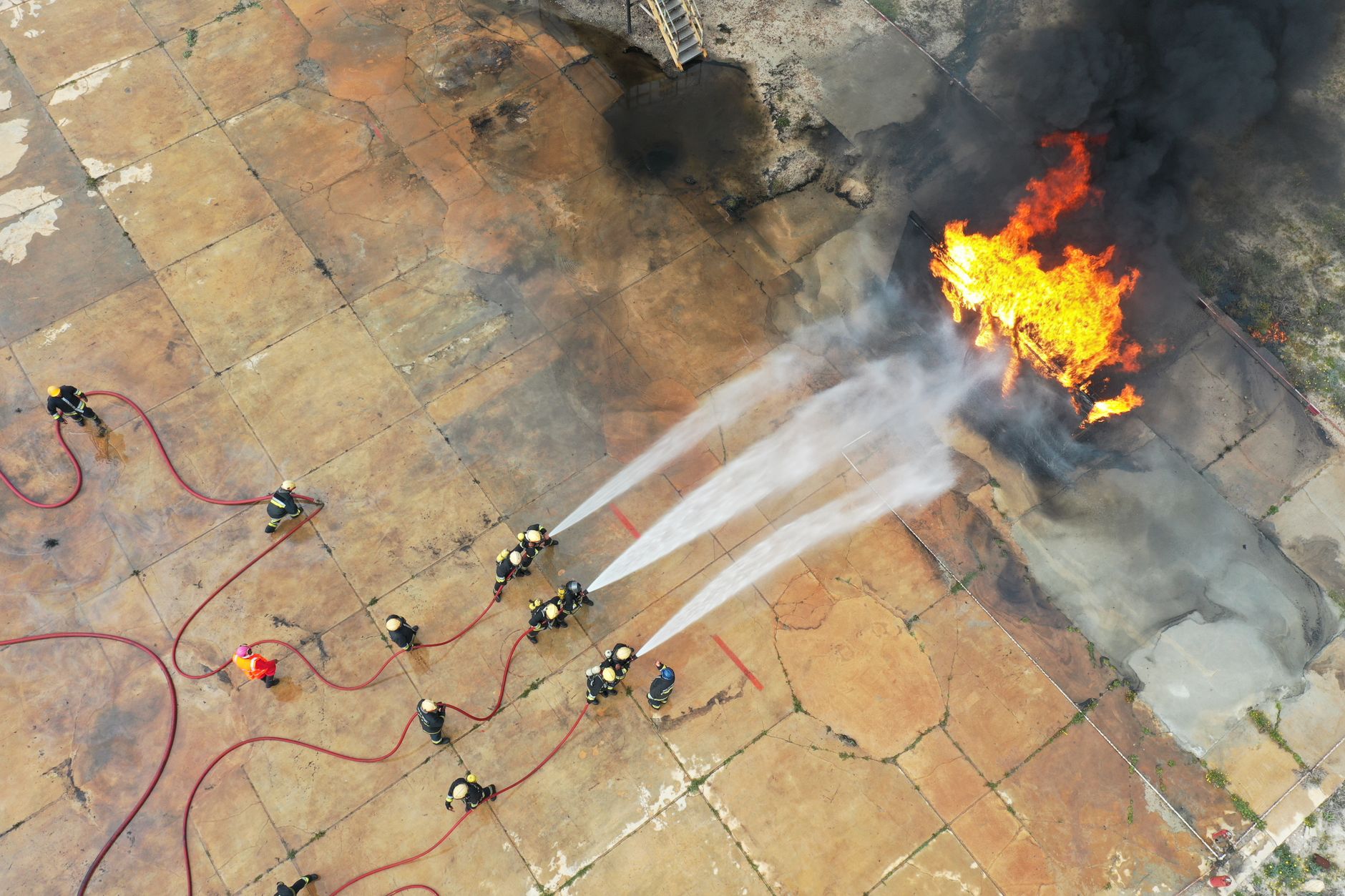
As of September 2026, no global settlement resolves individual AFFF personal-injury claims. Earlier multibillion-dollar agreements covered public water systems, not personal cancer or illness cases, Lawfold reports in its September settlement analysis. AFFF, aqueous film-forming foam, is a firefighting foam made with PFAS chemicals that persist in blood and the environment.
MDL 2873 sits before Judge Richard Gergel in South Carolina federal court. TortAdvisor, summarizing the Sept. 1, 2026 JPML report, counts about 15,264 pending actions and about 19,840 total filings, described in the JPML case-count summary. Use this guide to judge eligibility, gather proof, and protect filing deadlines.
Official resources:
- Check eligibility on Who’s official study page — Use this page to check the study’s participation requirements.
- Read the official notice from Epa — Use this primary source to verify the official announcement.
Table of Contents
- Where settlement talks stand
- Who can still bring a personal-injury claim?
- What evidence matters most?
- What deadlines could bar your claim?
- What should you do next?
Where settlement talks stand
Legal Dive reports final court approval for 3M to pay $10.5-$12.5 billion to public water suppliers, detailed in the final-approval report. Payments run from 2024 through 2036 for PFAS testing and treatment. These funds do not pay individual injury claims.
Baron and Budd, through Business Wire, reports Tyco Fire Products added $750 million in April 2024 for water systems that found PFAS by May 15, 2024. That payment supplemented the 3M deal and $1.185 billion in DuPont, Chemours and Corteva water settlements. Personal-injury cases remain in litigation while water claims move through payment.
Who can still bring a personal-injury claim?
People with repeated AFFF exposure during firefighting, military service, airport work, or industrial use most often seek case review. Employment records, duty assignments, training logs, and nearby water-contamination records help connect the person to the foam. Family history and smoking history do not decide eligibility alone, but lawyers review them against exposure.
The litigation focuses on kidney cancer, testicular cancer, thyroid disease, and ulcerative colitis, the Fob James Law Firm reports from the 28-case bellwether pool. The National Academies found sufficient evidence for kidney cancer, reduced antibody response, and abnormal blood fats, with limited or suggestive evidence for the other conditions. IARC classified PFOA as carcinogenic to humans and PFOS as possibly carcinogenic after review by 30 experts, described in the IARC evaluation notice.
📨 Get Free Mass Tort Guides Alerts
Free · No spam · Unsubscribe anytime
- Repeated AFFF contact through work, service, or contaminated water
- Diagnosis of kidney, testicular, thyroid, or ulcerative-colitis illness
- Medical records tying diagnosis date, pathology, and treatment
- Work, service, or water records placing exposure before illness
What evidence matters most?
Start with pathology, imaging, and treatment records that name the exact diagnosis and date. Add primary-care notes showing first symptoms, referrals, surgeries, drugs, and follow-up care. Blood PFAS tests, when available, add context but do not replace diagnosis and exposure proof.
Exposure proof comes next. Keep military service records, fire-department rosters, job titles, station assignments, foam-training dates, and incident reports. Keep water-utility notices, base water reports, well-test results, and proof of residence near a known source. Photos of foam use, purchase records, and coworker statements can fill gaps in older files.
What deadlines could bar your claim?
The first personal-injury bellwether, a kidney-cancer trial set for Oct. 20, 2025, was vacated with no new date. Expert discovery continues for kidney, testicular, thyroid, and ulcerative-colitis claims in the pool.
Trial timing does not extend your filing deadline. State filing deadlines vary, and late filing can end a valid injury claim. Veterans face an added limit because the VA recognizes no PFAS-specific presumptive condition, Military.com summarizes from VA policy. Veterans must prove each claim case by case, so early medical and service-file work matters.
What should you do next?
List every AFFF exposure by year, place, role, and foam type. Request complete medical files, pathology slides, imaging discs, and pharmacy records before memories fade.
Store originals and keep one backup copy outside your home. Preserve service, employment, water-contamination, and medical records now and file promptly to protect your options.
- Write a one-page exposure timeline with dates and places
- Collect service, employment, housing, and water-test papers
- Ask doctors for exact diagnosis codes and pathology wording
- Speak with a mass-tort lawyer promptly about your state deadline
You Might Also Like
- Pharmaceutical Lawsuit Settlement Guide 2026: Eligibility, Evidence, and Deadlines
- How to Verify Eligibility Tools Mass Tort Litigation Claims in 2026: court filings and agency notices, Evidence, and Red Flags
- Eligibility Tools Mass Tort Litigation Explained for 2026: Who It Affects, Key Evidence, and What to Do Next