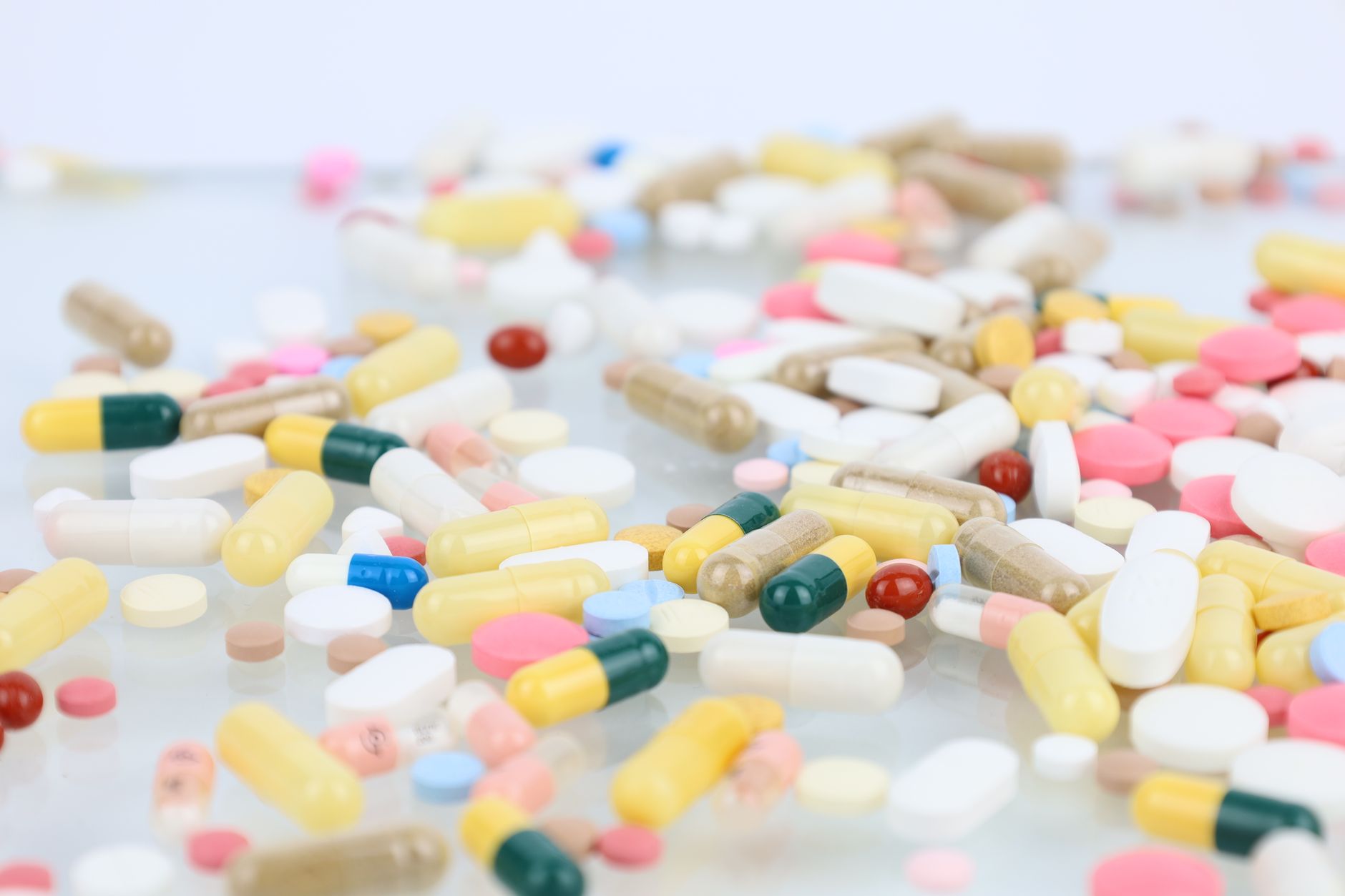
Pharmaceutical settlements in 2026 cover three paths: refunds for overpriced generic drugs, payments for Depo-Provera brain-tumor injuries, and individual claims for GLP-1 gut injuries and Zantac cancers. Eligibility depends on purchase records or injection plus diagnosis proof, with cutoffs including March 8, 2027 for New York refund claims, November 30, 2026 for Depo-Provera federal registration, and 2-to-3-year state limits for injury suits. A mass tort groups people harmed by the same drug while keeping each medical case separate. That structure decides what papers you need, which court holds your case, and whether a missed date ends payment.
Official resources:
- Read the official notice from Ny — Use this primary source to verify the official announcement.
- Read the official notice from Harvard — Use this primary source to verify the official announcement.
Table of Contents
- Who can claim the New York generic-drug refund?
- What must Depo-Provera plaintiffs prove?
- Where do GLP-1 stomach and vision cases stand?
- What should Zantac filers preserve and file?
Who can claim the New York generic-drug refund?
New Yorkers who bought listed generic drugs from May 2009 to December 2019 can claim restitution. They must file by March 8, 2027 to receive payment, according to the NY Attorney General press release settlement announcement.
Save pharmacy receipts, insurance statements, and prescription histories showing drug name, date, and place of purchase. Those records decide whether a buyer matches the covered drugs and dates. File before the deadline because late refund claims do not get paid.
What must Depo-Provera plaintiffs prove?
Pfizer/Pharmacia signed a confidential Master Settlement Agreement on July 21, 2026 for meningioma cases in MDL 3140. TortAdvisor and Atumio News report the parties estimate about 80 percent of federal plaintiffs qualify, with registration due November 30, 2026.
OpenClassActions describes eligibility centered on two or more Depo-Provera or Depo-SubQ 104 injections followed by intracranial or spinal meningioma diagnosis. A meningioma is a tumor of the membranes around the brain or spinal cord. Federal registration is the step that preserves a place in the settlement process.
📨 Get Free Mass Tort Guides Alerts
Free · No spam · Unsubscribe anytime
- Two or more documented Depo-Provera or Depo-SubQ 104 injections
- Intracranial or spinal meningioma diagnosis after use
- Imaging or pathology confirming the tumor
- Neurosurgery records and complete injection history
Where do GLP-1 stomach and vision cases stand?
Gastrointestinal cases are centralized as MDL 3094 before Judge Karen Marston in E.D. Pennsylvania. The Judicial Panel on Multidistrict Litigation report lists 3,848 pending actions on June 30, 2026 pending MDL docket report. Covered injuries include gastroparesis, ileus, and intestinal obstruction from Ozempic, Wegovy, Mounjaro, and similar drugs.
Vision-loss claims alleging GLP-1 drugs caused NAION were split into separate MDL 3163 in December 2025 before the same judge. The June 2026 panel report counted 146 pending cases, rising to about 247 by October 1, 2026. NAION is sudden vision loss from blocked blood flow to the optic nerve. Failure-to-warn evidence includes stronger Ozempic labels. WebMD reported ileus risk added in September 2023, and a 2026 summary describes October 2025 language against use in severe gastroparesis plus ileus, obstruction, and kidney injury risks.
What should Zantac filers preserve and file?
The FDA requested withdrawal of all prescription and over-the-counter ranitidine on April 1, 2020 because NDMA contamination increased over time, according to Harvard Health summarizing the FDA announcement heartburn medication recall summary. Harvard Health notes NDMA is a probable human carcinogen and levels rose especially at higher temperatures.
Filing deadlines are state statutes of limitation, typically two to three years from diagnosis or discovery of the drug-cancer link. A September 2026 lawsuit update warns late filing means dismissal. Act early because pharmacy archives and clinic records become harder to obtain.
- Pharmacy dispensing records showing ranitidine dates and dose
- Proof of regular use such as bottles, receipts, or doctor notes
- Cancer pathology report and diagnosis date
- List of when you learned of a possible drug-cancer link
You Might Also Like
- Pharmaceutical Lawsuits Mass Tort Litigation Explained for 2026: Who It Affects, Key Evidence, and What to Do Next
- How to Verify Pharmaceutical Lawsuits Mass Tort Litigation Claims in 2026: court filings and agency notices, Evidence, and Red Flags
- How to Verify Eligibility Tools Mass Tort Litigation Claims in 2026: court filings and agency notices, Evidence, and Red Flags