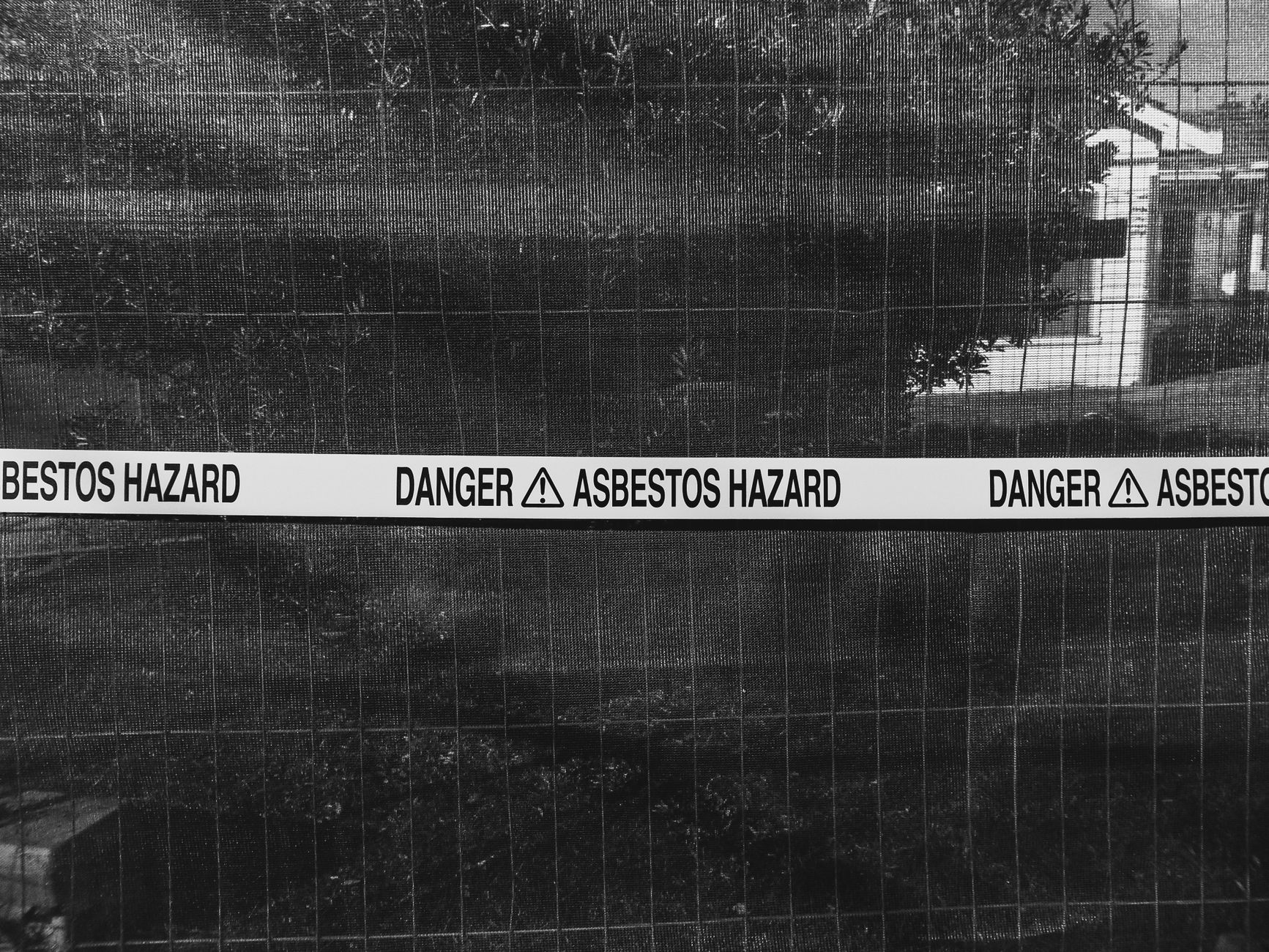
Asbestos in playground sand presents a genuine health risk to children, though one that many parents and communities remain unaware of. Asbestos fibers released from contaminated sand can be inhaled during active play, particularly when children kick, dig, or disturb the sand with their hands and feet. The fibers are microscopic enough to penetrate deep into the lungs where they can lodge in tissue, initiating a cascade of cellular damage that may not manifest as disease for decades. The contamination occurs through natural geological processes and, in some cases, through historical dumping practices.
Tremolite asbestos and other amphibole forms occur naturally in certain sand deposits across the United States, and older playgrounds built with salvaged materials or sand from contaminated sources face particular risk. Children playing in such sand face a prolonged exposure scenario different from occupational exposure: they have no protective equipment, spend hours engaged in activities that aerosolize particles, and their lungs are still developing. A specific documented case involved playgrounds in California where testing revealed tremolite asbestos in the sand itself, prompting emergency closures and remediation efforts. The discovery came only after parents and local health departments raised concerns and demanded testing—most playgrounds have never been formally tested for asbestos content.
Table of Contents
- Why Does Asbestos End Up in Playground Sand and How Common Is the Problem?
- The Health Mechanism: Why Children Are Particularly Vulnerable to Asbestos Exposure
- Documented Cases and What They Reveal About Contamination Patterns
- Testing, Detection, and the Practical Challenges of Identifying Contaminated Sand
- Removal and Remediation Challenges That Persist After Contamination Is Discovered
- Parental Advocacy and the Push for Mandatory Testing and Standards
- Liability, Legal Recourse, and Ongoing Exposure Risk
- Frequently Asked Questions
Why Does Asbestos End Up in Playground Sand and How Common Is the Problem?
asbestos contamination in playground sand stems from two primary sources: natural geological deposits and human-caused contamination. Many sand mines and quarries sit in areas with natural asbestos mineralization, particularly in western states. When sand is extracted, processed, and sold for use in playgrounds, schools, and residential properties, asbestos fibers can be present from the start. Regulatory oversight of sand sources has historically been minimal, with no federal requirement to test sand for asbestos content before sale or installation. The second source involves intentional or negligent dumping. Older playgrounds and recreational areas sometimes were built using fill material that included crushed asbestos-containing products—old insulation, roofing materials, or manufacturing waste.
Some communities used demolition debris as sand for playgrounds, not realizing the materials contained asbestos. This practice has become less common as awareness increased, but legacy contamination remains a persistent problem at decades-old facilities. Quantifying how widespread the problem is remains difficult because most public playgrounds have never been comprehensively tested. Unlike lead in soil or water—which receives significant regulatory attention—asbestos in playground sand lacks a coordinated national testing or remediation program. Some municipalities have conducted voluntary testing following parent activism, while others have not. This creates a patchwork situation where contamination may exist unknown in many communities.
The Health Mechanism: Why Children Are Particularly Vulnerable to Asbestos Exposure
When asbestos fibers are inhaled, they lodge in the alveoli (air sacs) of the lungs, where they trigger chronic inflammation and progressive scarring. this process, called asbestosis, can develop silently over 10 to 50 years before symptoms become apparent. More critically, inhaled asbestos fibers significantly increase the risk of mesothelioma—a rare but aggressive cancer that typically develops 20 to 40 years after initial exposure. Lung cancer risk is also elevated, and recent research suggests asbestos may affect other organs. Children face heightened risk for several interconnected reasons. Their lungs are smaller and still developing, meaning a given dose of fibers creates higher tissue concentration.
Children play actively and for extended periods, generating dust clouds when running and digging in sand. They also touch their faces frequently and may ingest sand particles, introducing fibers into the digestive tract and potentially the bloodstream. Additionally, children’s bodies are generally more vulnerable to carcinogenic insults because their cell division and growth rates are high—providing more opportunities for genetic damage to perpetuate. A critical limitation in current medical understanding is the dose-response relationship at low levels of asbestos exposure. Occupational studies established that high cumulative exposures cause disease, but playground exposure typically involves lower doses spread over shorter periods. It remains unclear whether playground-level exposure carries the same percentage risk as occupational exposure, though the precautionary principle suggests any avoidable exposure should be prevented.
Documented Cases and What They Reveal About Contamination Patterns
When asbestos contamination in playgrounds has been formally documented and reported, it typically triggers rapid response—but only after discovery. California’s documented playgrounds where tremolite asbestos was identified in the sand received emergency attention, closure orders, and remediation once testing was completed. However, these cases emerged not from routine surveillance but from concerned parents, school officials, or local health departments who specifically requested testing. This reactive pattern means contamination remains invisible until someone suspects and investigates it. The discovery process itself is often delayed. Some communities began testing playgrounds only after awareness grew from media reports or public health campaigns.
The delay between initial contamination and discovery can span many years or even decades, meaning children may have accumulated significant exposure before remediation occurs. There is no retrospective method to identify children who were exposed to the same contamination—no way to alert former users of a playground that contamination existed when they played there. Patterns from investigated cases also reveal geographic clustering. Areas near old mines, quarries, or demolition sites show higher contamination rates. Playgrounds built decades ago, which used whatever fill material was cheapest and most readily available locally, show concerning results more often than newer facilities. However, newer playgrounds are not immune: natural asbestos occurrence in geological formations poses contamination risk regardless of playground age.
Testing, Detection, and the Practical Challenges of Identifying Contaminated Sand
Identifying asbestos in sand requires laboratory analysis—visual inspection is impossible since fibers are microscopic. Standard PLM (polarized light microscopy) testing can detect asbestos, though care must be taken to distinguish asbestos from similar minerals. TEM (transmission electron microscopy) provides more definitive results but is more expensive and requires specialized equipment. Most municipalities and schools that test playgrounds use the less expensive PLM method, which can miss some fiber types or misidentify similar minerals. The practical challenge is that testing is expensive, time-consuming, and not mandated for public playgrounds.
A comprehensive test of a single playground site can cost hundreds to thousands of dollars. Schools and municipalities with limited budgets often forgo testing unless pressure mounts or a health concern surfaces. Even when testing is conducted, results typically cover only a few sand samples from a playground—not every location or depth, meaning contamination could exist in untested areas. Another limitation is that testing sand from active playgrounds requires temporary closure during sampling, creating scheduling disruptions. Many facilities avoid testing precisely because the process is inconvenient and costly. This creates a situation where absence of testing is misinterpreted as absence of contamination—a dangerous assumption given natural geological occurrence of asbestos in some regions.
Removal and Remediation Challenges That Persist After Contamination Is Discovered
Once asbestos contamination is confirmed, removal and replacement of the sand is the standard remediation approach. However, this process presents its own complications. Sand removal and disposal must follow protocols to minimize fiber release—essentially treating playground sand with the same caution as asbestos abatement at construction sites. The removal process itself, if done improperly, can actually increase airborne fiber concentrations, creating a remediation paradox. Disposal of contaminated sand requires sending material to licensed asbestos waste facilities, which are not available in all regions.
📨 Get Free Mass Tort Guides Alerts
Free · No spam · Unsubscribe anytime
Transportation adds cost and complexity. In some cases, communities have opted to cover contaminated sand with a barrier layer rather than remove it—a containment strategy that trades immediate remediation cost for ongoing maintenance requirements and continued presence of asbestos on-site. The financial burden of remediation often falls on cash-strapped municipalities or school districts. After discovering contamination, a facility may face $50,000 to $200,000 or more in removal and replacement costs, depending on surface area and local labor rates. This financial barrier sometimes leads to delayed or incomplete remediation, leaving children exposed to contamination for months or years after discovery.
Parental Advocacy and the Push for Mandatory Testing and Standards
In response to discovered contamination and lack of regulatory action, parent groups and advocates have pushed for mandatory testing of public playgrounds and development of national standards for sand safety. These efforts have achieved some local success—certain municipalities and states have implemented testing requirements or guidance—but no comprehensive federal program exists. The fragmented response means a child’s exposure risk depends significantly on where they live and whether parents in that community have mobilized.
Advocacy efforts have also highlighted the information asymmetry: most playgrounds have not been tested, yet many parents assume safety without verification. Some advocates have successfully pressured schools to test playgrounds voluntarily, leading to discoveries of contamination that would otherwise have gone undetected. These grass-roots efforts have raised awareness but cannot replace systematic, funded, mandatory testing programs.
Liability, Legal Recourse, and Ongoing Exposure Risk
When asbestos contamination is discovered in a playground, questions of liability and legal responsibility become relevant. School districts and municipalities may face claims from parents arguing that failure to test for and remediate contamination constituted negligence or breach of duty to protect children. However, legal remedies are complicated by latency—diseases from asbestos exposure typically develop decades later, well after playgrounds have been forgotten.
The current legal landscape offers limited protection for children who were exposed before contamination was identified and remediated. No statute of limitations clock necessarily starts when exposure occurs; in some jurisdictions, it starts when disease manifests. But the difficulty of proving that a specific playground exposure caused a specific person’s asbestos disease makes litigation challenging. These legal gaps mean that many contaminated playgrounds likely exposed children with minimal practical recourse available to those families.
- —
Frequently Asked Questions
Can asbestos in playground sand cause cancer in children who played there years ago?
Yes. Asbestos causes mesothelioma and lung cancer, but these typically develop 20 to 50 years after exposure. Children exposed decades ago may only develop disease as adults, making it difficult to connect the playground exposure to their later illness.
How would I know if my local playground has asbestos contamination?
Most playgrounds have not been formally tested. Contacting your school district or municipality and requesting testing results is the most direct approach. If no testing has been done, you can request it, though this typically requires administrative action and cost.
Is playground asbestos exposure the same risk as occupational asbestos exposure?
Playground exposure involves generally lower cumulative doses and shorter durations than occupational exposure, but occurs during childhood development. The exact risk comparison remains unclear, but any avoidable exposure is preferable to eliminate.
What should parents do if they suspect playground sand contamination?
Documenting concerns in writing to school officials and requesting formal testing is appropriate. If evidence of contamination exists, demand remediation. Avoiding the contaminated area while waiting for testing results is prudent.
Is old sand more likely to be contaminated than new sand?
Older playgrounds are more likely to contain contamination from intentional dumping of asbestos materials, but newer playgrounds can be contaminated if sand was sourced from naturally contaminated geological deposits. —
You Might Also Like
- Supreme Court Herbicide Ruling Poses Major Threat to Michigan Farming
- Fort Regent Asbestos Removal Initiative Unveiled for Major Renovation Project
- Asbestos Health Crisis: Regional Disparities in Mesothelioma Diagnosis and Treatment Access