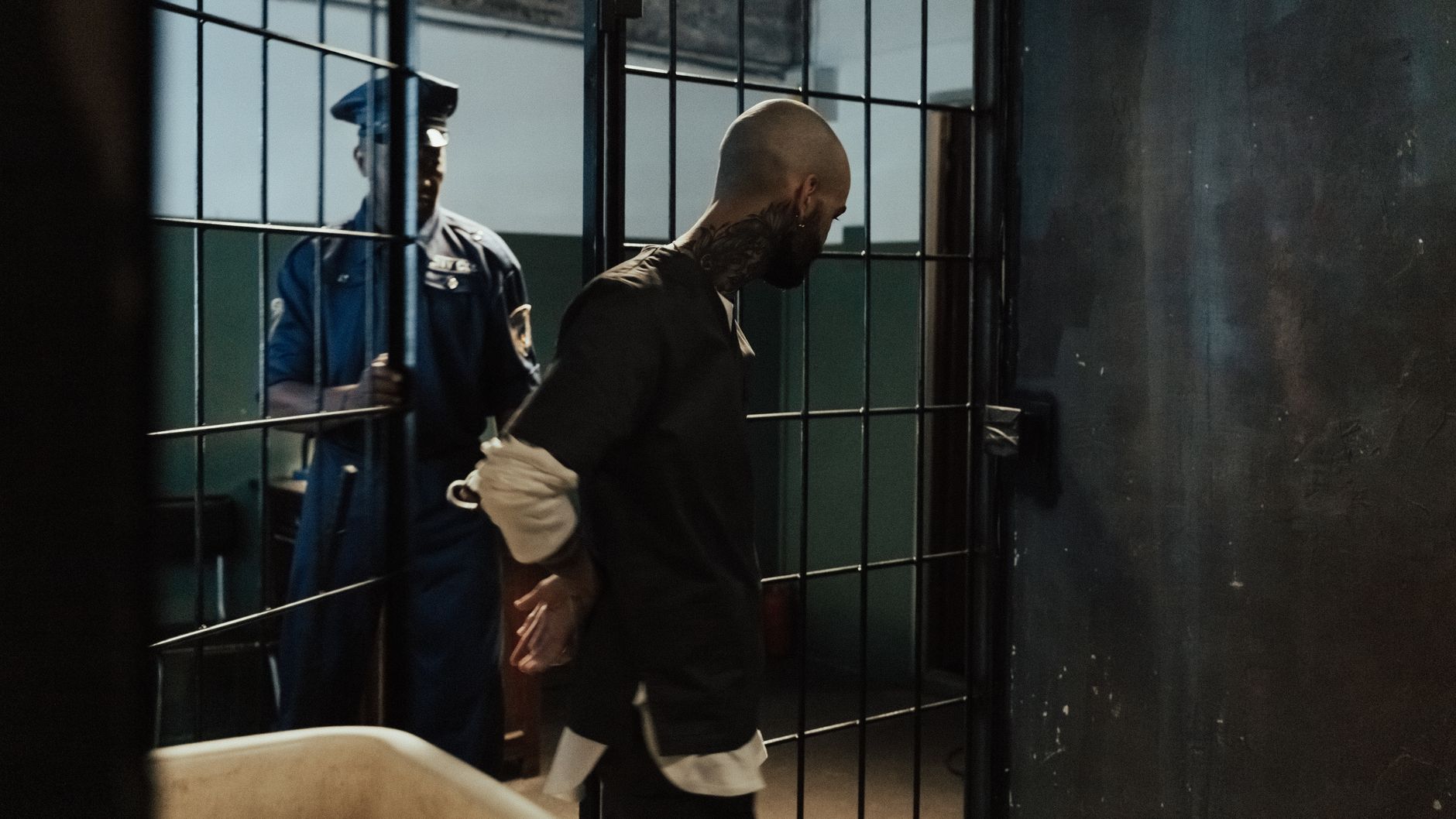
A federal judge has approved a class action lawsuit against the Maryland Department of Public Safety and Correctional Services, certifying that more than 13,000 people held at Baltimore Central Booking and Intake Center were illegally detained beyond their court-ordered release dates. The ruling, issued on June 25, 2026, by Magistrate Judge Charles D. Austin marks a significant legal victory for detainees who experienced processing delays that in some cases lasted for months.
One plaintiff was held for 216 days after receiving a release order—a processing failure so extreme it underscores the systemic dysfunction at the facility. The class action covers individuals detained from 2019 to 2021 at Central Booking who were held longer than 2.5 hours after their release had been approved in the system. Collectively, these 13,000 detainees were deprived of approximately 10 years of freedom due to bureaucratic failures and institutional delay. The certification means the lawsuit can now proceed with the force of representing thousands of individuals rather than isolated cases, giving weight to claims that the Baltimore facility’s processing problems were not isolated failures but rather a pattern of systemic over-detention.
Table of Contents
- What Causes Such Severe Processing Delays at Baltimore Central Booking?
- Understanding the Class Action Certification and Its Scope
- The Scale of Lost Freedom—10 Years Collectively Stolen
- Racial Disparities in Who Gets Over-Detained
- Ongoing Delays Despite Pending Litigation
- Extreme Cases: When Processing Delays Become Years
- What the Lawsuit Signals About Detention Facility Accountability
What Causes Such Severe Processing Delays at Baltimore Central Booking?
Baltimore Central Booking serves as the intake and release point for individuals arrested in the city, making it a critical juncture in the criminal justice system. When a judge orders someone’s release—either because charges are dropped, bail is posted, or other legal conditions are met—the facility is responsible for processing that release in a timely manner. Instead, records reviewed in the litigation revealed that release orders were routinely ignored or delayed, leaving detainees in custody long after they should have been freed.
The delays stem from a combination of administrative failures, insufficient staffing, and inadequate systems for tracking and executing release orders. When a magistrate’s decision to release someone is entered into the system as “Record Staff Approval Time,” the clock should start running. But detainees remained physically locked inside Central Booking, sometimes for days, weeks, or in the most extreme cases, hundreds of days. Defense attorneys report that these delays persist even now in 2026, suggesting the facility has not fundamentally fixed the underlying problems despite federal court oversight.
Understanding the Class Action Certification and Its Scope
The certification of the class action lawsuit is a procedural milestone that transforms individual complaints into collective legal action. Judge Austin determined that the claims are sufficiently similar, affecting enough people, and common enough in origin that they should be heard as a single case representing the interests of all 13,000 affected detainees. The class definition is precise: those held more than 2.5 hours after their Record Staff Approval Time between 2019 and 2021 qualify for inclusion. The scope of the class is substantial.
Rather than requiring each person to file an individual lawsuit, prove their case separately, and negotiate their own settlement, the class action allows one proceeding to address the institutional failure. this is significant because many detained people lack resources to hire lawyers or file lawsuits. The class approach makes accountability possible for the poorest and most vulnerable people in the system, those who would otherwise have no practical way to seek redress. However, plaintiffs will still need to prove their specific claims of over-detention, a limitation that may affect the ultimate value of awards.
The Scale of Lost Freedom—10 Years Collectively Stolen
The statistic that 13,000 detainees were collectively deprived of approximately 10 years of freedom places in stark terms what might otherwise seem like abstract delay. When multiplied across thousands of cases, even relatively short over-detentions add up to extraordinary collective harm. A person held 20 hours past their release date loses a full day; multiply that across even a fraction of 13,000 people, and the total becomes staggering.
The 2.5-hour threshold used to define the class shows how modest the legal standard for wrongful detention is. Judges and administrators recognized that even brief periods of unlawful detention constitute a deprivation of liberty. Someone held 3 hours past their release order was detained unlawfully; someone held 48 hours or 480 hours was doubly so. The fact that Central Booking’s releases routinely exceeded this threshold by hours, days, or in at least one documented case by more than 200 days demonstrates the scale of institutional failure.
Racial Disparities in Who Gets Over-Detained
Among the most troubling findings in the lawsuit is the severe racial disparity in over-detention at Central Booking. While Baltimore’s population is approximately 63% African American, African Americans represent approximately 95% of those who were over-detained after judges ordered their release. This disparity is far too stark to be explained by demographic patterns alone and suggests that race plays a role in who experiences delay at the facility.
📨 Get Free Mass Tort Guides Alerts
Free · No spam · Unsubscribe anytime
The disparity raises questions about whether certain populations are deprioritized in the release process, whether language barriers affect processing, or whether other systemic factors within Central Booking create discriminatory outcomes. Whatever the mechanism, the pattern indicates that the facility’s failures are not random but systematically harm Black detainees more than others. This dimension of the case moves it beyond a story of administrative incompetence into a civil rights concern, as detainees have argued that the delays constituted racial discrimination as well as false imprisonment.
Ongoing Delays Despite Pending Litigation
One of the most damning aspects of this situation is that the processing delays have not stopped despite the federal lawsuit. Defense attorneys report that Baltimore’s Central Booking continues to hold detainees beyond court-ordered release dates even as litigation challenging these exact practices moves through federal court. This suggests either that the facility’s problems run too deep to fix quickly, that leadership has not taken the litigation seriously as a warning to change practices, or that the underlying causes remain unaddressed.
The persistence of delays is a limitation on what litigation alone can accomplish. A lawsuit can eventually result in compensation or policy changes, but it cannot force immediate compliance with release orders. People are still being over-detained today, even as judges have already ruled their continued detention illegal. This lag between legal determination of wrongfulness and actual cessation of the harmful practice demonstrates that injunctive relief—orders requiring specific changes—may be necessary alongside damages in any final settlement or judgment.
Extreme Cases: When Processing Delays Become Years
The most egregious example documented in the litigation involves a single detainee held for 216 days after a judge ordered release. This is not a matter of clerical delay or a booking system glitch; 216 days represents more than seven months of unlawful detention. During this period, the person was incarcerated despite having no legal authority for their continued confinement. Two other cases involved detainees held for 8 days and 6 days respectively after their releases were ordered and approved.
These cases illustrate the spectrum of harm. While even brief over-detentions are serious violations of liberty, the 216-day case represents a catastrophic failure of the criminal justice system. That person lost their job, their housing, their relationships, their earnings, and years of their life—not because they were convicted of a crime, but because a government facility failed to process paperwork. The extreme cases matter legally because they show the facility was capable of such failures, and they matter morally because they represent the worst real-world consequences of systemic indifference.
What the Lawsuit Signals About Detention Facility Accountability
The certification of this class action establishes that detention facilities can be held legally and financially accountable for failing to release people promptly. While individual lawsuits against government agencies face procedural hurdles and defenses, the class action format gives plaintiffs sufficient collective power to make litigation economically viable. This has implications beyond Baltimore.
If Central Booking is held liable for systematic over-detention, other jurisdictions may face similar lawsuits and may reconsider how they manage release processing. The litigation also demonstrates that federal courts are willing to scrutinize the internal operations of detention facilities, not merely the legality of detention itself. A person can be lawfully detained pending trial or awaiting bail hearing, but once that detention is no longer authorized by law, keeping them confined violates the Constitution. Central Booking’s failure to process releases despite having received judicial orders to do so suggests conscious indifference or gross negligence, both of which are grounds for liability under civil rights law.
- —
You Might Also Like
- New York Mass Tort Financing Lawsuit Raises Questions About Funding Practices
- Bayer Roundup Lawsuit Shield Gets Supreme Court Decision Support
- Ultra Processed Food Lawsuits Face New Hurdle After Martinez Ruling