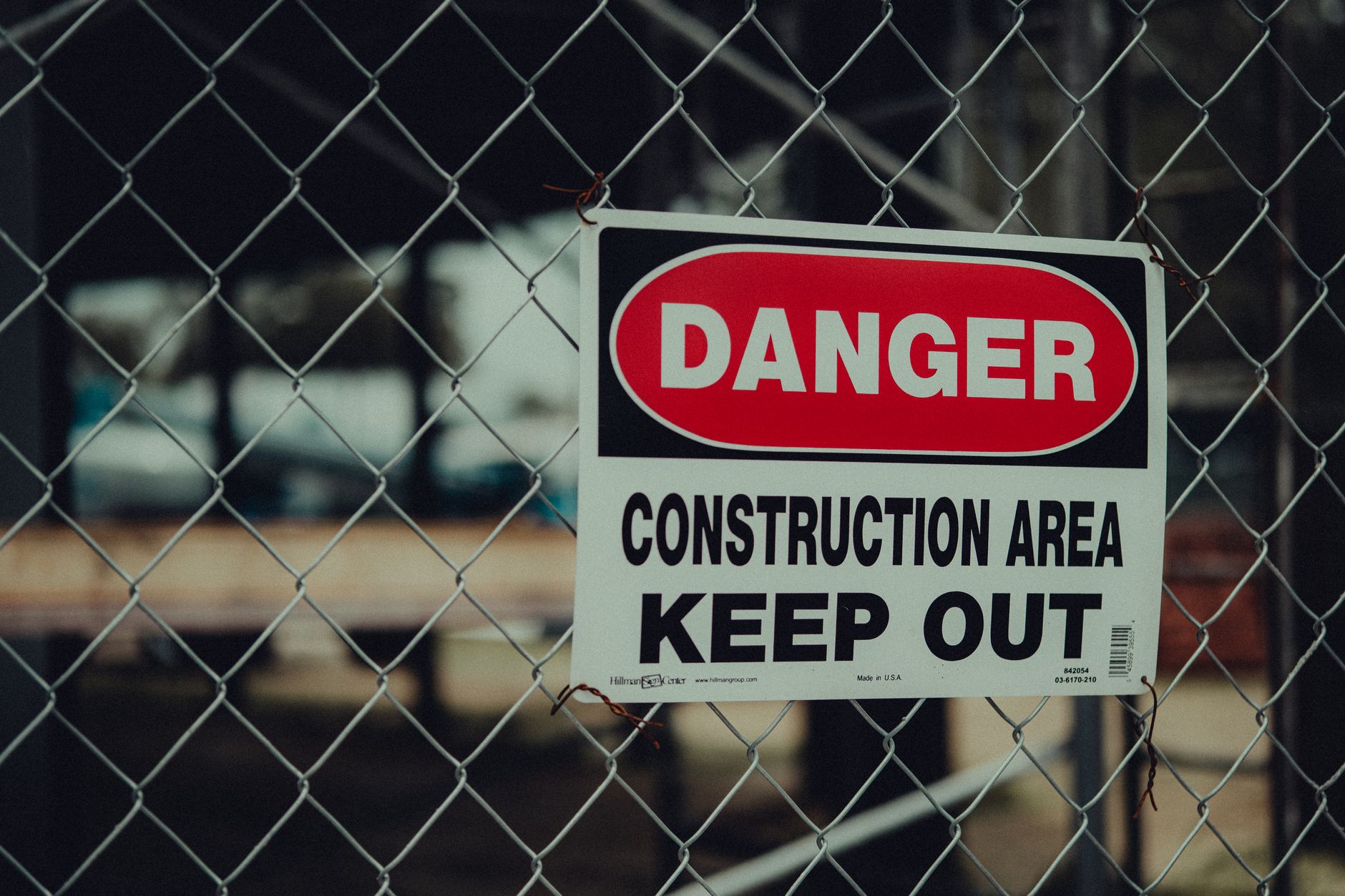
A hazard alert has been issued for residents in the Sumas Mountain region of Whatcom County, Washington, warning of naturally occurring asbestos exposure from sediment being discharged into nearby waterways and adjacent land. The Washington Department of Ecology recently distributed postcards reminding residents about asbestos precautions in the area, part of an ongoing public health response to contamination that has been recognized by the EPA as a significant environmental concern. Sumas Mountain, located near the headwaters of Swift Creek, contains a natural asbestos deposit on an active landslide that annually releases up to 120,000 cubic yards of excess sediment—sediment that carries asbestos particles as it travels downstream through Swift Creek and into the Sumas River, eventually extending north toward the Canadian border.
The alert is not a new discovery but rather a reinvigorated public awareness campaign about a persistent hazard. The Sumas Mountain and Swift Creek area has been designated as a Superfund Site by the EPA (Site ID: 1002688), placing it among the nation’s most contaminated properties requiring federal oversight. The concern centers on asbestos fibers that become airborne when contaminated sediments dry out and are disturbed—whether through walking, driving, cycling, or natural disturbances like flooding that deposits material on riverbanks and adjacent properties. Both the Whatcom County Health Department and the Washington State Department of Health have issued formal advisories warning residents and property owners about exposure risks.
Table of Contents
- Why Is Sumas Mountain’s Asbestos Now a Concern for the Region?
- How Asbestos Becomes Airborne and Reaches Residents
- The Geographic Spread of Asbestos Contamination from Swift Creek to the Sumas River
- Health Authority Warnings and Protective Measures for Residents
- The Ongoing Challenge of Natural Asbestos Contamination at a Superfund Site
- The 2026 Public Awareness Campaign and Postcards from the Washington Department of Ecology
- Understanding the Source and Consequences of Long-Term Exposure
- Frequently Asked Questions
Why Is Sumas Mountain’s Asbestos Now a Concern for the Region?
The asbestos hazard at Sumas Mountain stems from a naturally occurring deposit embedded in an active landslide on the mountainside. Unlike asbestos that was intentionally mined and used in commercial products, this source is part of the mountain’s geology—a condition that cannot be reversed or eliminated. The landslide is not static; it continuously sheds material into Swift Creek at a rate of up to 120,000 cubic yards of excess sediment annually. This sediment acts as a carrier for asbestos fibers, transporting them downstream through the creek system and into the Sumas River, spreading the contamination across a geographic area that extends north toward Washington’s international border with British Columbia.
What makes this particular hazard challenging is its scale and persistence. The asbestos particles dispersed through this system are released naturally rather than through industrial processes, yet they pose the same health risks as asbestos from other sources. Residents living near Swift Creek, the Sumas River, or properties adjacent to these waterways face exposure pathways that are difficult to control. For comparison, while many asbestos sites result from decades of industrial activity that can eventually be remediated and contained, this site’s ongoing natural discharge means new asbestos-contaminated sediment continues to be released year after year.
How Asbestos Becomes Airborne and Reaches Residents
Asbestos fibers from Sumas Mountain become airborne primarily when contaminated sediments dry out and are disturbed. The health hazard does not occur simply because sediment is present; rather, it emerges when dry, asbestos-laden material is agitated. Common disturbance activities include walking or hiking on affected areas, driving or cycling over contaminated ground, dredging operations in Swift Creek or the Sumas River, and flooding events that deposit wet sediment on riverbanks and adjacent properties. As the deposited material dries, it becomes friable—meaning the asbestos fibers can separate and be inhaled when disturbed by foot traffic, vehicle movement, or wind.
The Whatcom County Health Department and Washington state Department of Health have specifically advised residents to avoid walking, driving, or cycling on affected areas where asbestos-contaminated sediment has accumulated. They have also warned against disturbing riverbed sediments or dredge piles, which can release fibers into the air in high concentrations. A key limitation of these advisories is that residents may not always know where contaminated sediment has accumulated or whether their property has been affected by flooding or sediment deposition. The asbestos is invisible to the naked eye, and only laboratory analysis of sediment samples can confirm contamination levels. This means residents may unknowingly expose themselves or their families while working in yards, tending to properties near waterways, or engaging in recreational activities on or near affected land.
The Geographic Spread of Asbestos Contamination from Swift Creek to the Sumas River
The asbestos contamination does not remain confined to Sumas Mountain itself. Once released into Swift Creek at the headwaters, asbestos-carrying sediment flows downstream with the water, continuing into the Sumas River and extending north toward the Canadian border. This geographic spread means that residents and property owners in multiple communities throughout Whatcom County face potential exposure, not just those living directly adjacent to Sumas Mountain. Flooding events significantly accelerate and expand this spread, as high water volumes deposit sediment across a broader area and leave behind dried material on banks, fields, and properties far from the creek channels.
The contamination pathway resembles a network rather than a point source. A resident living several miles downstream from Sumas Mountain, with property bordering the Sumas River, could face exposure to asbestos-contaminated sediment even though their land is not immediately adjacent to the natural deposit. Seasonal flooding patterns mean that contamination is not uniformly distributed; areas that experience repeated flood deposits may have higher concentrations, while other properties may face sporadic or minimal exposure. This variability underscores why public awareness campaigns and direct advisories to residents are essential—property owners throughout the region need to understand that asbestos exposure risk may extend to their land without obvious warning signs or visible contamination.
Health Authority Warnings and Protective Measures for Residents
The Whatcom County Health Department and Washington State Department of Health have issued formal advisories with specific recommendations to reduce exposure risk. The core protective measure is avoidance: residents should avoid walking, driving, cycling, or otherwise disturbing dry sediments in and around affected areas. For properties with known or suspected sediment deposition, residents should minimize direct contact and keep children and pets away from contaminated material. If property owners suspect asbestos-contaminated sediment has accumulated on their land, they should avoid drying, sweeping, or otherwise agitating it and should instead contact local health authorities for guidance on proper assessment and removal.
The challenge lies in the tradeoff between complete avoidance and normal land use. Many residents rely on properties near Swift Creek and the Sumas River for agriculture, recreation, or access. Complete avoidance is not always practical, particularly for landowners whose properties are adjacent to waterways or who have already experienced sediment deposition from past flooding. Residents must weigh practical land-use considerations against exposure risk, and the health department advisories acknowledge this tension by recommending caution rather than absolute prohibition. Homeowners, farmers, and property managers in the region are encouraged to contact the Whatcom County Health Department or state authorities to discuss specific property conditions and appropriate protective measures tailored to their situation.
The Ongoing Challenge of Natural Asbestos Contamination at a Superfund Site
The EPA’s designation of the Sumas Mountain and Swift Creek area as a Superfund Site (EPA Site ID: 1002688) reflects the severity and complexity of the contamination. A Superfund designation means the site qualifies for federal oversight and potential funding for remediation efforts, yet it also signals that the problem is persistent and difficult to resolve. Unlike many Superfund sites where contamination results from defined industrial activities that can be stopped or contained, this site’s asbestos source is geological and ongoing. The landslide continues to release sediment, which means new asbestos-contaminated material continues to flow into the creek system each year.
📨 Get Free Mass Tort Guides Alerts
Free · No spam · Unsubscribe anytime
One critical limitation of current approaches is that complete remediation of this natural source is not feasible. Removing or stabilizing an active landslide on a mountainside is technically and economically extraordinarily challenging, and may not be possible without significant engineering intervention that itself carries environmental costs. This means that management of the hazard must rely on monitoring, public warning, and behavioral mitigation—asking residents to avoid disturbing contaminated sediment—rather than on eliminating the source. Federal, state, and local authorities have chosen to designate the site, warn the public, and monitor conditions, but the underlying asbestos source remains part of the landscape. Residents must adapt their activities and expectations accordingly, understanding that this hazard is not temporary but a permanent feature of the region’s environment that requires indefinite caution.
The 2026 Public Awareness Campaign and Postcards from the Washington Department of Ecology
In 2026, the Washington Department of Ecology actively distributed postcards to residents in the Sumas Mountain region, reminding them about asbestos precautions and reinforcing the hazard alert. This public outreach effort indicates that state environmental authorities are taking an active role in community education about the ongoing risk. The postcards serve to reach residents who may not be aware of the hazard or who need periodic reminders to maintain vigilance about asbestos exposure.
For example, a homeowner who recently purchased property near Swift Creek might not know about the asbestos contamination risk and could unwittingly expose family members through activities like yard work or property maintenance. The distribution of these postcards reflects recognition by the Department of Ecology that passive knowledge of a hazard is insufficient; residents need recurring, direct communication to maintain awareness and protective behaviors. The ongoing nature of the public education campaign suggests that authorities expect the hazard to persist indefinitely and that continued outreach will be necessary to protect public health.
Understanding the Source and Consequences of Long-Term Exposure
The naturally occurring asbestos deposit at Sumas Mountain represents a geological reality that predates human settlement in the region. The landslide that carries asbestos into Swift Creek annually releases up to 120,000 cubic yards of excess sediment, a volume that underscores the scale of the contamination source. This substantial annual discharge means that asbestos-contaminated sediment is not a one-time event but a chronic, recurring addition to the creek and river systems.
Inhalation of asbestos fibers is linked to serious respiratory diseases including mesothelioma, lung cancer, and asbestosis, with latency periods that can span decades between exposure and disease manifestation. Residents who have lived in the region for extended periods, particularly those with properties adjacent to Swift Creek or the Sumas River, may have experienced repeated exposures to asbestos-contaminated sediment without realizing it. This creates a situation where exposure risk may have accumulated over time, with residents only now becoming aware of the hazard through recent public alert campaigns and the EPA’s Superfund designation. Those with concerns about past exposures or respiratory symptoms should consult with medical professionals and may wish to explore whether remediation of their properties or compensation for damages is available through legal channels, particularly if contamination resulted from state or federal negligence in managing the site.
- —
Frequently Asked Questions
What should I do if I own property near Swift Creek or the Sumas River in Whatcom County?
Contact the Whatcom County Health Department to determine whether your property may have been affected by sediment deposition. Avoid disturbing dry sediments, keep children and pets away from contaminated material, and follow guidance from local health authorities specific to your property.
Can the asbestos source at Sumas Mountain be eliminated?
No. The asbestos is naturally occurring and embedded in an active landslide. Complete remediation of the geological source is not feasible, so management relies on monitoring, public warning, and behavioral mitigation.
How long has this asbestos contamination been occurring?
The natural deposit has always existed at Sumas Mountain, but the hazard has become more widely recognized and publicized in recent years, particularly following EPA’s Superfund designation and state-level public awareness campaigns.
Is asbestos in floodwater dangerous?
Yes. Wet sediment is less likely to release airborne fibers, but once deposited and dried on land, asbestos-contaminated sediment can release fibers when disturbed by foot traffic, vehicles, wind, or other disturbances.
What is the EPA Superfund designation, and what does it mean for residents?
The Superfund designation identifies Sumas Mountain and Swift Creek as a site with serious environmental contamination that qualifies for federal oversight. It signals the severity of the problem but does not guarantee that the source will be eliminated, as the natural geological origin limits remediation options.
You Might Also Like
- Farming Industry Celebrates High Court Decision on Herbicide Safety Today
- X Social Media Repositions Brand Around Mass Tort Advertising
- X Corp Settles Trademark Dispute With Mass Tort Advertising Agency