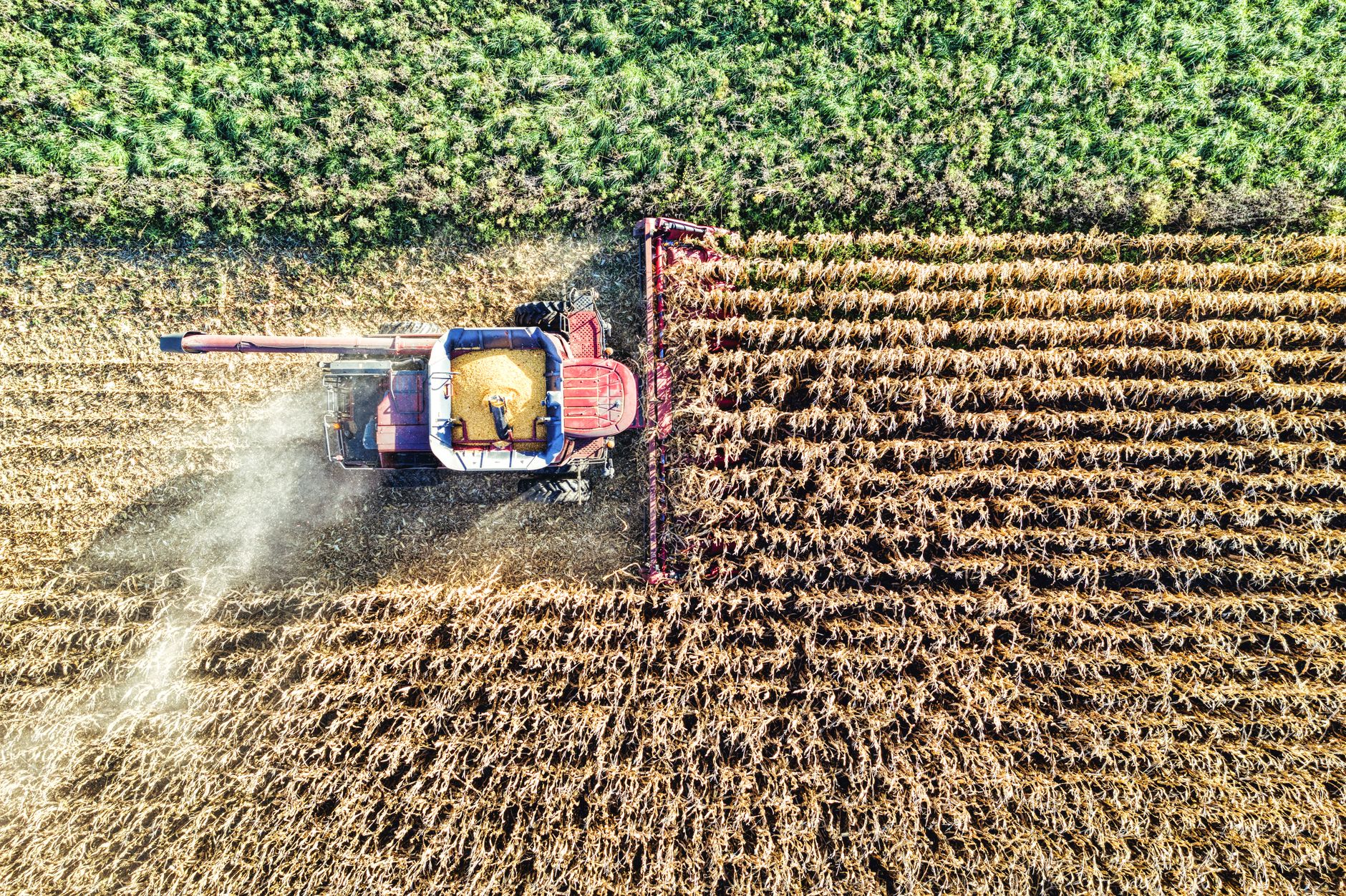
The U.S. Supreme Court has ruled in favor of Bayer-Monsanto in a landmark case challenging the safety labeling of Roundup, the world’s most widely used herbicide. The decision in Monsanto Company v. Durnell, issued in late June 2026, determines that companies can shield themselves from state-level civil liability when their products comply with federal regulations—even when those products are classified as probable carcinogens by international health agencies.
This ruling immediately affects tens of thousands of pending lawsuits filed by Americans who claim they developed cancer from exposure to glyphosate, the active ingredient in Roundup. The case centered on a fundamental question: Should state consumer protection laws and product liability claims override federal approval? The Supreme Court said no. By prioritizing federal regulatory compliance over state courts’ ability to hold companies accountable, the decision has made it significantly harder for individuals across the U.S. to pursue legal remedies for alleged harms. Farmers and agricultural companies have welcomed the ruling as a validation of the product they depend on, while public health advocates and plaintiffs’ attorneys view it as a major setback in their decades-long effort to restrict glyphosate use and compensate injured parties.
Table of Contents
- What Does the Supreme Court Ruling Mean for Glyphosate Litigation?
- The Science Behind Glyphosate and the Cancer Debate
- The Impact on Pending Lawsuits and Plaintiffs
- Why Farmers See This as Validation of Their Farming Practices
- The Limits of Federal Approval as a Safety Standard
- Global Implications and Regulatory Divergence
- What The Ruling Means for Consumers and Agricultural Workers
- Frequently Asked Questions
What Does the Supreme Court Ruling Mean for Glyphosate Litigation?
The Monsanto Company v. Durnell decision establishes a legal precedent that federal regulatory approval acts as a shield against state-level product liability claims. Under this framework, if the environmental Protection Agency (EPA) has approved glyphosate for use, individual states and their courts cannot impose stricter liability standards or permit juries to award damages based on state-specific consumer protection laws. This is a significant limitation on what was once a robust avenue for injured consumers to seek compensation outside of federal regulatory channels. For the farming industry, this ruling provides legal certainty.
Farmers across the Corn Belt and wheat-growing regions of the Great Plains have relied on Roundup for decades to manage weeds in genetically modified crops. The decision removes the uncertainty that had hung over the product as lawsuits accumulated. However, the ruling does not eliminate existing cases outright; instead, it makes it far more difficult for plaintiffs to prevail, as they must now overcome the presumption that the product’s federal approval protects manufacturers from liability. The decision also reflects the Trump administration’s extraordinary intervention in the case on behalf of Bayer. The administration coordinated federal government support for the company’s position, treating the outcome as a matter of agricultural and economic policy. This level of executive involvement in product liability litigation was unusual and underscores the political dimensions of the glyphosate debate.
The Science Behind Glyphosate and the Cancer Debate
Glyphosate’s safety profile remains deeply contested. The International Agency for Research on Cancer (IARC), part of the World Health Organization, classified glyphosate as a probable human carcinogen in 2015 based on evidence from animal studies and occupational exposure data. This classification does not prove that glyphosate causes cancer in humans at typical exposure levels, but it indicates that the evidence warrants serious concern. The EPA, by contrast, has repeatedly concluded that glyphosate is safe at approved usage rates and does not pose a carcinogenic risk to human health. The disagreement between IARC and the EPA reflects different approaches to evaluating chemical safety.
IARC’s assessment was based partly on laboratory evidence of cancer in animals and evidence of DNA damage at high doses, while the EPA focused on epidemiological studies in human populations and dietary exposure modeling. This divergence has created space for legitimate scientific debate, but it has also created confusion for consumers. Glyphosate has been detected in the U.S. food supply, in human urine samples, and in the bodies of most Americans who have been tested. Whether these exposure levels pose a genuine health risk remains contested, even as the litigation surrounding the question has produced settlements worth billions of dollars.
The Impact on Pending Lawsuits and Plaintiffs
Before this ruling, thousands of individuals had filed lawsuits claiming that exposure to Roundup caused them to develop non-Hodgkin’s lymphoma and other cancers. Some of these cases had already resulted in substantial jury verdicts and settlements. A landmark 2018 case in California awarded a former groundskeeper $289 million after a jury found that Roundup was a substantial factor in his cancer development and that Monsanto failed to warn consumers of the risk. However, that verdict was reduced on appeal and ultimately settled for a much smaller amount.
The Supreme Court ruling now makes such victories far less likely. Courts across the country are already beginning to dismiss cases based on the decision’s precedent. Plaintiffs’ attorneys report that they are scrambling to find ways to proceed, but many acknowledge that the ruling has dramatically weakened their position. Some are focusing on cases involving occupational exposure—farm workers, landscapers, and groundskeepers who have significantly higher exposure to the product than the general public—but even these cases face steeper legal hurdles. The ruling essentially tells injured individuals that federal regulatory approval trumps their ability to hold manufacturers responsible through state courts.
Why Farmers See This as Validation of Their Farming Practices
For the agricultural industry, the ruling provides more than legal protection; it represents an affirmation of glyphosate’s role in modern farming. Glyphosate-based herbicides revolutionized agriculture when Roundup-Ready crops were introduced in the 1990s. Farmers could plant genetically modified soybeans, corn, and cotton that could withstand glyphosate applications without being damaged by the herbicide. This allowed farmers to control weeds more effectively and cheaply than with mechanical cultivation or older herbicides. Over the past three decades, glyphosate has become indispensable to U.S.
agriculture. According to the U.S. Geological Survey, glyphosate is the most widely used pesticide in the United States, applied to millions of acres annually. For farmers, particularly those growing commodity crops in large-scale operations, the alternative to glyphosate would be more labor-intensive cultivation methods, more expensive herbicides, or acceptance of higher weed pressure. The Supreme Court ruling removes a major source of uncertainty that had worried farmers: the possibility that large liability judgments could make Roundup prohibitively expensive or lead to its withdrawal from the market. A farmer in Iowa might face a 20 percent increase in weed management costs if forced to abandon glyphosate in favor of mechanical or alternative chemical methods.
The Limits of Federal Approval as a Safety Standard
While the Supreme Court has privileged federal regulatory approval, it is important to understand what that approval actually represents. The EPA’s decision to allow glyphosate on the market does not mean that the agency has determined the product is without any risk. Rather, it means the agency has determined that the benefits of the product outweigh the risks at approved usage levels and under conditions of appropriate use. Federal regulatory approval is a cost-benefit calculation, not a declaration of absolute safety.
📨 Get Free Mass Tort Guides Alerts
Free · No spam · Unsubscribe anytime
Furthermore, federal regulatory processes can be influenced by factors beyond pure science. Companies submit data to support their products’ approval, and agencies work within budgetary and political constraints. The EPA’s glyphosate assessments have themselves been the subject of litigation and criticism from groups who argue the agency has been too lenient. By making federal approval the dispositive factor in liability cases, the Supreme Court has effectively removed the ability of state juries and judges to second-guess federal regulators, even when new evidence emerges or when individual circumstances suggest higher risk. A farmer who repeatedly sprays Roundup on his own fields, or a groundskeeper who applies it daily, may have exposures far exceeding what federal regulators assumed when they approved the product for use.
Global Implications and Regulatory Divergence
The United States is not the only country wrestling with glyphosate. The European Union has repeatedly renewed glyphosate’s approval but with increasing scrutiny and shorter renewal windows, reflecting heightened concern among European regulators. Some European countries have undertaken more aggressive risk reduction measures, including restrictions on where and how glyphosate can be applied. The IARC classification has influenced regulatory decisions in multiple countries, and some nations have moved toward restricting or phasing out glyphosate in favor of alternative herbicides.
This creates a divergence between U.S. agriculture and farming in other parts of the world. The American Supreme Court ruling may insulate Roundup from liability lawsuits domestically, but it does not affect Bayer’s exposure to regulatory restrictions or litigation in other jurisdictions. Bayer has already faced lawsuits in Germany and other countries, and the company has set aside billions of dollars in reserves to cover potential settlements globally.
What The Ruling Means for Consumers and Agricultural Workers
The practical implication of the Monsanto Company v. Durnell decision is that American consumers and workers exposed to glyphosate now have fewer legal avenues to seek compensation if they believe the product has harmed them. Someone who develops cancer and suspects glyphosate exposure would have a very difficult time pursuing a product liability claim in state court, as the court would likely find that federal approval bars such claims. This represents a fundamental shift in the balance of power between manufacturers and consumers in product liability law.
For agricultural workers—who have some of the highest exposures to glyphosate—the ruling raises particular concerns. Farmworkers who mix, load, and apply herbicides; groundskeeping crews who maintain properties with Roundup; and agricultural consultants who recommend and oversee applications may have occupational exposure levels substantially higher than the general population. The ruling does not prevent these workers from suing, but it raises the legal bar considerably. A farmworker in California who develops non-Hodgkin’s lymphoma can still file a lawsuit, but the defense can now argue that the product’s federal approval shields the manufacturer from liability, forcing the worker to overcome a significant legal presumption.
Frequently Asked Questions
Can I still sue Monsanto or Bayer for Roundup exposure?
You can file a lawsuit, but the Supreme Court ruling makes it significantly more difficult. Federal regulatory approval now shields manufacturers from state product liability claims in most cases. You would need to prove negligence or intentional misconduct beyond what federal approval covers, which is a much higher burden than typical product liability claims.
Does this ruling mean glyphosate is proven safe?
No. Federal approval means regulators determined the product’s benefits outweigh its risks at approved usage levels. The International Agency for Research on Cancer still classifies glyphosate as a probable carcinogen. The ruling is about legal liability, not scientific safety determination.
What about cases already filed before the ruling?
Courts are dismissing many pending cases based on the Supreme Court’s precedent. Some cases may proceed if they involve novel legal theories or unusually high exposure, but the ruling has severely weakened plaintiffs’ positions across the board.
Why did the Trump administration get involved?
The administration filed a brief supporting Bayer’s position, treating the case as an issue of agricultural economic policy and regulatory predictability. The administration argued that state product liability lawsuits undermined federal agricultural policy.
Will this affect glyphosate approvals by the EPA?
Not directly. The Supreme Court ruling affects civil liability law, not regulatory approval standards. However, political pressure may influence future EPA decisions about glyphosate renewal, just as it has in the past.
You Might Also Like
- Theo AI Launches Mass Tort Defense Advisory Board With Legal Industry Leaders
- Recent Court Rulings Reshape the Mass Tort Bankruptcy Landscape
- Why Thousands of Herbicide Injury Claims Were Just Dismissed in Court