
Pre-workout supplement lawsuits are legal actions brought by consumers against supplement manufacturers for making false claims, mislabeling ingredients, or including undeclared dangerous substances in their products. These lawsuits have become increasingly common as regulatory agencies like the FDA discover that major manufacturers are deliberately misrepresenting their products’ contents—sometimes adding banned stimulants that pose serious health risks while hiding them under misleading ingredient names. In December 2016, GNC settled one such lawsuit for $2.25 million after selling dietary supplements containing harmful ingredients without proper disclosure, highlighting how widespread the problem has become across the industry. The pre-workout supplement market has exploded over the past two decades, with millions of athletes and fitness enthusiasts purchasing these products to enhance performance and endurance.
However, this rapid growth has far outpaced regulatory oversight, creating an opportunity for unscrupulous manufacturers to cut corners, falsify labels, and cut costs by substituting dangerous ingredients for legitimate ones. As of 2025, more than 50 pre-workout products have been banned or recalled due to dangerous ingredients, and federal agencies continue to uncover cases of fraud that put consumers’ health at serious risk. These lawsuits represent a critical accountability mechanism in an industry where self-regulation has consistently failed. When supplements reach the market without proper FDA pre-approval, and when manufacturers are caught lying on labels, consumers have few other avenues for recourse except the courts. Understanding the landscape of pre-workout supplement litigation helps consumers recognize which products may be unsafe and what legal options exist if they’ve been harmed or deceived.
Table of Contents
- What Triggers Pre-Workout Supplement Lawsuits?
- The Dangerous Ingredients Hidden in Pre-Workout Supplements
- Notable Pre-Workout Supplement Cases and Settlements
- How Consumers Can Identify and Avoid Unsafe Pre-Workout Products
- FDA and Regulatory Enforcement Crackdown
- Red Flags in Pre-Workout Product Marketing and Labeling
- The Future of Pre-Workout Supplement Regulation and Litigation
- Conclusion
What Triggers Pre-Workout Supplement Lawsuits?
The primary catalyst for pre-workout supplement lawsuits is label fraud—when manufacturers list one ingredient on the label while actually including something different, or when they omit dangerous ingredients entirely. This happens for two main reasons: to disguise banned substances or to reduce manufacturing costs by substituting cheap, dangerous ingredients for expensive legitimate ones. USPlabs, for example, deceived athletes for years by selling products labeled as containing “geranium extract” when the actual ingredient was the prohibited synthetic methylhexanamine, a compound banned in many countries for its serious cardiovascular side effects. Another major trigger is the inclusion of undeclared stimulants that the FDA has explicitly prohibited.
The FDA confirmed that RAPTURE Preworkout contained 1,3-dimethylamylamine (DMAA)—a dangerous compound banned in the United States in 2012 after being linked to multiple deaths—despite DMAA not appearing anywhere on the product label. This pattern of hidden DMAA has been discovered repeatedly; researchers at NSF and Harvard Medical School identified DMAA-like stimulants in six weight-loss and pre-workout products disguised as compounds like “2-aminoisoheptane” or extract of Aconitum kusnezoffii, demonstrating sophisticated deception by manufacturers trying to circumvent regulatory detection. Consumer injuries and hospitalizations from these mislabeled products drive many lawsuits, as athletes experience unexpected heart palpitations, severe headaches, seizures, and other serious adverse effects from ingredients they never consented to consuming. When multiple consumers suffer similar injuries from the same deceptively labeled product, class action lawsuits typically follow, allowing individuals to combine their claims and recover damages while also forcing manufacturers to remove dangerous products from shelves.

The Dangerous Ingredients Hidden in Pre-Workout Supplements
DMAA stands as the most notorious prohibited stimulant found in pre-workout supplements. This compound, which was formerly present in popular products like oxyelite Pro and Jack3d, was banned by the fda in 2012 after multiple deaths were confirmed as related to its use. However, DMAA has not disappeared from the market—it continues to resurface under different names and chemical variations. The 2025 testing by USADA revealed a particularly alarming finding: 33% of Eria Jarensis products tested contained undeclared stimulants, with 2 of those products containing banned DMAA, indicating that the problem remains widespread despite more than a decade of regulatory prohibition. Beyond DMAA, the FDA has identified other undeclared dangerous ingredients appearing in pre-workout formulations.
In May 2022, the FDA issued warning letters to 10 companies for selling muscle-building and fat-burning products containing hordenine, higenamine, and 5-alpha-hydroxy-laxogenin without proper labeling or safety warnings. These stimulants can cause elevated blood pressure, heart palpitations, anxiety, and in severe cases, cardiovascular emergencies. The limitation of current supplement regulation is that manufacturers can claim “proprietary blends” on their labels, which allows them to list an ingredient category (like “energy complex”) without specifying what’s actually inside, making it nearly impossible for consumers to know what they’re really taking. What makes these cases particularly troubling is the intentional sophistication of the deception. Rather than simply mislabeling their products, manufacturers actively disguise banned compounds by listing them under alternative names or extracting them from plants that technically contain the stimulant but in forms that should be pharmaceutical-grade controlled substances. This shows calculated fraud rather than mere negligence, which has motivated regulators and consumers to pursue aggressive legal action.
Notable Pre-Workout Supplement Cases and Settlements
The GNC settlement remains one of the most significant in supplement litigation history. In December 2016, GNC agreed to pay $2.25 million to resolve charges that it had sold dietary supplements containing harmful ingredients without adequate disclosure to consumers. The settlement sent a clear message that even major retailers with national brand recognition could face serious financial consequences for selling deceptively labeled products. However, the settlement amount—though substantial—pales in comparison to the profits GNC earned from selling these products over several years, raising questions about whether financial penalties are sufficient deterrents.
USPlabs faced its own reckoning for the methylhexanamine deception, where the company deliberately mislabeled products containing this prohibited compound as “geranium extract.” This case illustrated how sophisticated some manufacturers had become in engineering false labels specifically to evade FDA scrutiny while still delivering the stimulant effects that create product demand. The case also exposed how difficult regulatory enforcement can be when companies actively work to hide ingredients rather than simply making honest mistakes about labeling requirements. More recent cases have targeted companies distributing products with hidden DMAA and DMAA analogs. The FDA’s ongoing enforcement efforts indicate that these cases continue to emerge, with regulatory agencies partnering with law enforcement to investigate criminal charges against repeat offenders. Multiple supplement manufacturers have been charged with criminal cases related to DMAA distribution, showing that regulators now view this not merely as a civil matter but as criminal fraud deserving of prosecution.
How Consumers Can Identify and Avoid Unsafe Pre-Workout Products
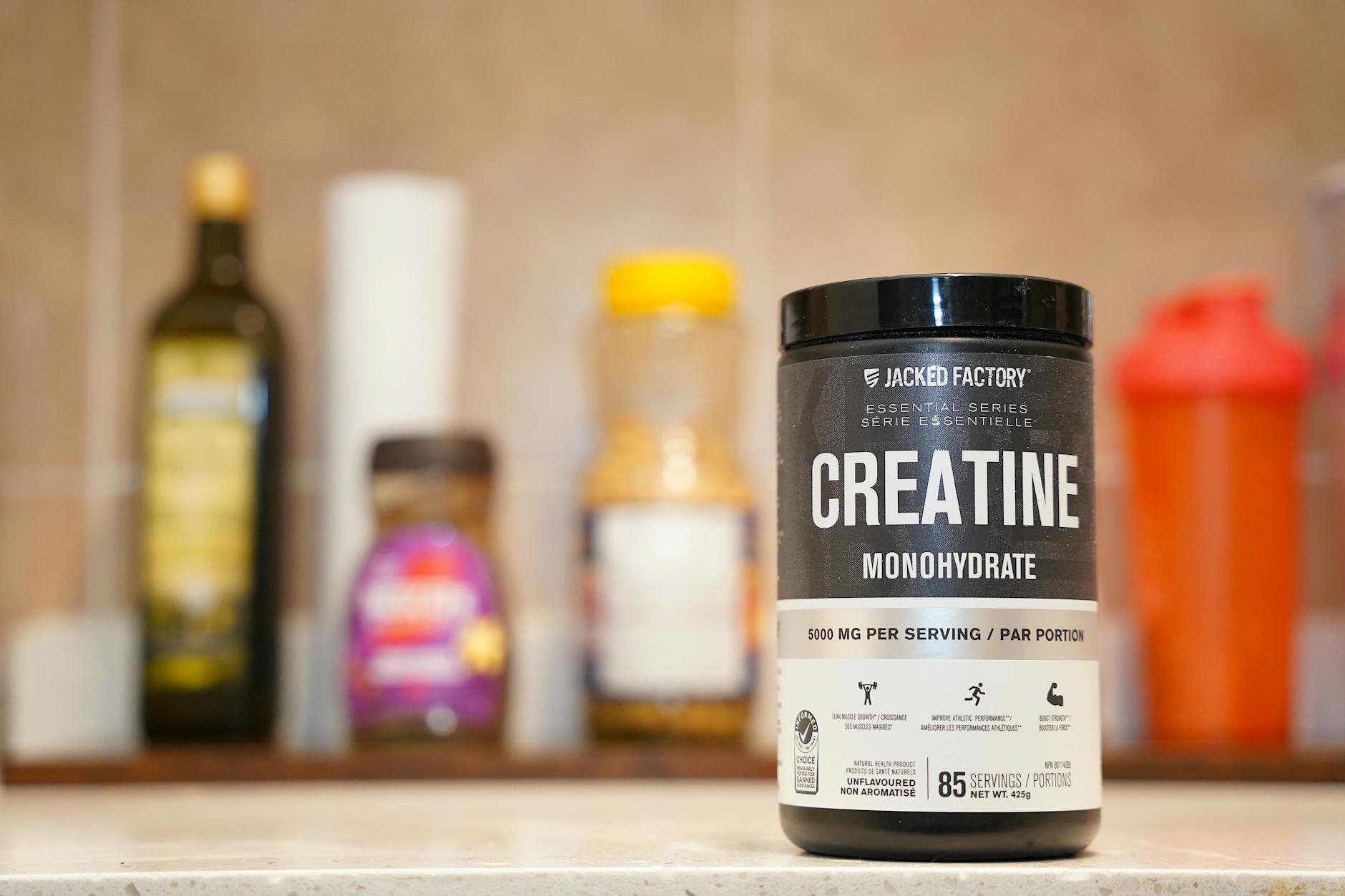
The first step in protecting yourself is understanding which ingredients have been banned and knowing how manufacturers disguise them. DMAA should never appear on a label, but it may show up under alternative names or in products claiming to contain “geranium extract,” “Eria Jarensis,” or other botanical sources. Similarly, be skeptical of any pre-workout product that lists vague terms like “proprietary energy blend” without specifying exact ingredient names and dosages—this opacity is a common warning sign that manufacturers have something to hide. Check whether the product carries third-party testing certification from organizations like NSF International or ConsumerLab, which independently verify that products contain only the ingredients listed on the label. Products that have undergone third-party testing are exponentially less likely to contain undeclared stimulants, though even this is not a 100% guarantee.
Compare this approach to simply trusting a manufacturer’s label, which provides almost no protection given how frequently fraud occurs in this market. Additionally, before purchasing, research whether any lawsuits or FDA warning letters have been issued against the manufacturer—this information is publicly available and can reveal patterns of deception. If you experience unexpected symptoms after taking a pre-workout supplement—such as rapid heartbeat, chest pain, severe headaches, or seizure-like activity—seek medical attention immediately and report the incident to the FDA’s MedWatch program. Documenting your adverse reaction creates a record that may support legal claims against the manufacturer if you later discover the product contained undeclared ingredients. This creates a paper trail that can strengthen a potential lawsuit by connecting your specific injury to a company’s fraudulent labeling.
📨 Get Free Mass Tort Guides Alerts
Free · No spam · Unsubscribe anytime
FDA and Regulatory Enforcement Crackdown
The FDA has significantly escalated its enforcement efforts against pre-workout supplement fraud over the past five years, recognizing that voluntary compliance by manufacturers has been inadequate. The May 2022 warning letters to 10 companies for selling products with undeclared hordenine, higenamine, and other stimulants represented one of the most aggressive coordinated enforcement actions in supplement history. However, a major limitation remains: the FDA cannot test every supplement on the market, and the agency relies heavily on consumer complaints and tips to identify problem products. This reactive approach means that dangerous products may remain on shelves for months or years before being flagged for enforcement. The FTC has also become more active in this space, specifically targeting supplement brands that make unsubstantiated health claims on social media and in advertising.
Many pre-workout products make claims that they will increase muscle mass, burn fat, or enhance performance far beyond what the science actually supports. The FTC’s involvement adds another layer of accountability, though its enforcement actions typically result in companies simply removing false claims rather than pulling products from the market or paying significant damages to harmed consumers. Federal prosecutors have begun charging pre-workout supplement manufacturers with criminal offenses, not just civil violations. This represents an important escalation, as criminal charges can result in imprisonment for corporate executives and criminal fines, which create stronger incentives for compliance than civil settlements. Nevertheless, the fact that criminal prosecutions are still relatively rare in this industry suggests that enforcement resources remain insufficient relative to the scope of the fraud problem.
Red Flags in Pre-Workout Product Marketing and Labeling
Pay close attention to how pre-workout products are marketed and sold. If a supplement is being heavily promoted on social media by fitness influencers with claims that it will dramatically boost your performance or cause rapid muscle gain, treat those claims with extreme skepticism. The FTC has specifically identified supplement brands making these types of unsubstantiated claims as targets for enforcement, which suggests they are precisely the companies most likely to engage in other forms of deception like mislabeling.
Products sold through unregulated online marketplaces or by vendors with no brick-and-mortar presence carry higher risk than those sold through established retail chains, though the GNC settlement proves that size is not a reliable predictor of safety. Look for warning signs like inconsistent branding across batches, products that are significantly cheaper than competitors, or products manufactured in countries with minimal supplement regulation. If the ingredient list contains many scientific-sounding names you cannot verify, or if it includes vague terms like “proprietary blend” without itemized dosages, these are classic indicators that the manufacturer may be hiding something.
The Future of Pre-Workout Supplement Regulation and Litigation
The trajectory of pre-workout supplement litigation suggests that lawsuits will continue to expand, particularly as more consumers and advocacy groups become aware of the fraud that has occurred. The industry has shown little evidence of self-correction, with dangerous products continuing to be discovered even after decades of FDA warnings. Future regulation will likely require fundamental changes to how the supplement market operates, potentially including mandatory FDA pre-approval for new supplements before they reach consumers, rather than the current system where supplements are marketed first and investigated only if consumer complaints emerge.
As more class actions accumulate against major supplement manufacturers, the cumulative financial impact may finally create sufficient incentive for reform. However, consumers should not wait for perfect regulation—taking personal responsibility for product verification through third-party testing databases and FDA enforcement records remains essential. The pre-workout supplement market will almost certainly continue to generate litigation as long as manufacturers prioritize profits over consumer safety and regulators remain under-resourced to monitor the thousands of products entering the market annually.
Conclusion
Pre-workout supplement lawsuits represent a critical accountability mechanism in an industry where fraud has become systemic. From USPlabs’ deliberate mislabeling of methylhexanamine as geranium extract to the ongoing discovery of banned DMAA in products representing it as something else entirely, these cases expose manufacturers’ willingness to deceive consumers and put their health at serious risk. The GNC settlement, combined with escalating FDA enforcement actions and criminal prosecutions, demonstrates that regulators and consumers are no longer willing to tolerate this deception without consequences.
If you have purchased a pre-workout supplement that led to unexpected adverse health effects, or if you later discovered that the product contained undeclared ingredients, you may have grounds for a legal claim. Consulting with an attorney who specializes in supplement litigation can help you understand whether you qualify for an existing class action settlement or can pursue your own lawsuit. The growing body of pre-workout supplement cases shows that the legal system is increasingly holding manufacturers accountable, but your participation in litigation—and your careful selection of safer products—remains essential to creating lasting change in this industry.