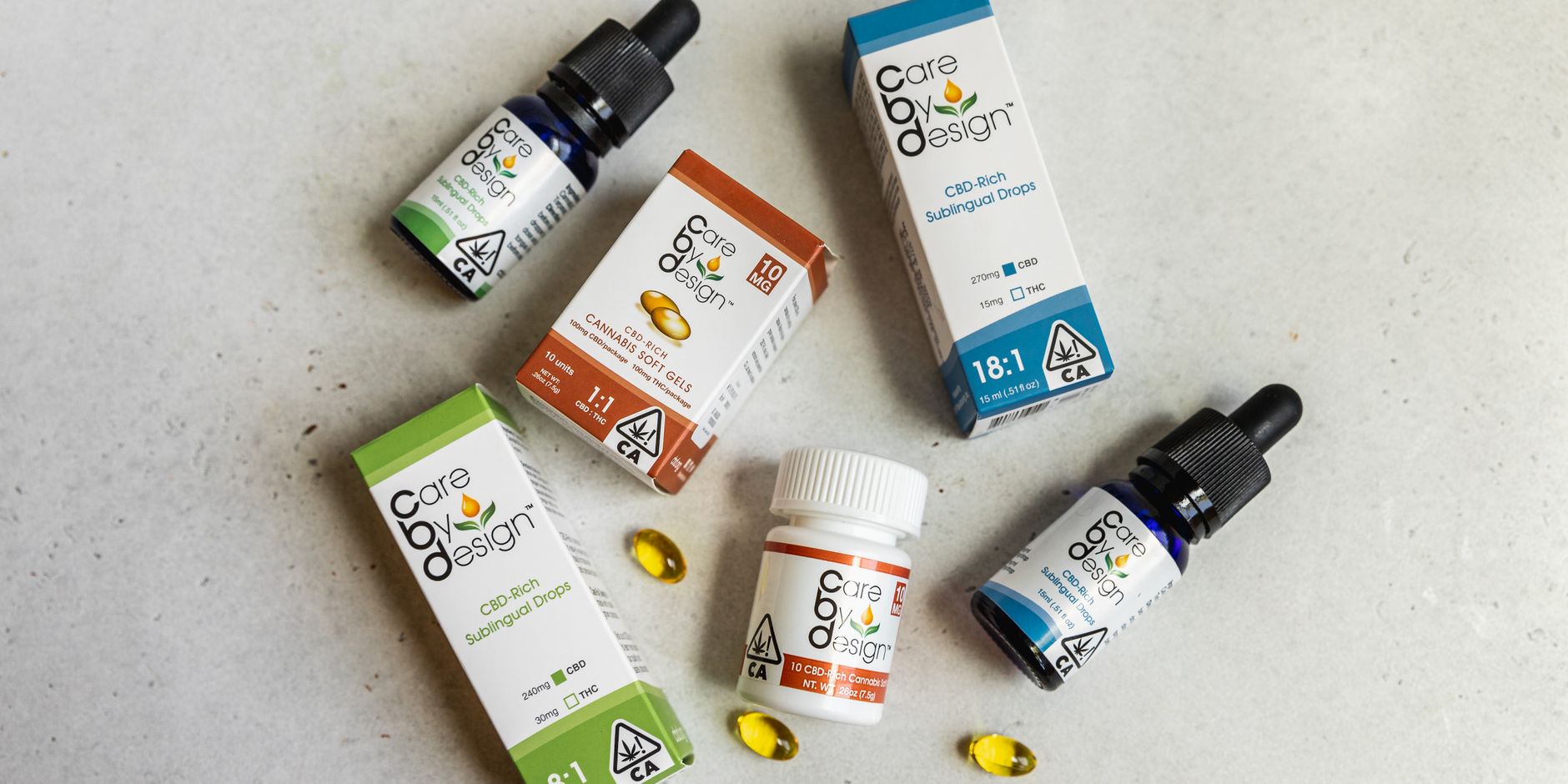
CBD product lawsuits have become increasingly common as federal agencies and state authorities crack down on manufacturers making false health claims, mislabeling potency, and misrepresenting THC content. These litigation cases stem from enforcement actions by the FDA, FTC, and state attorneys general, as well as policy challenges like the 2026 Medicare CBD pilot program litigation filed by Smart Approaches to Marijuana (SAM). The legal landscape around CBD products remains unsettled, with companies facing significant exposure for deceptive marketing practices and regulatory violations that can result in substantial fines, product seizures, and civil settlements.
The CBD industry has grown rapidly over the past decade, but with minimal federal oversight, consumers have been vulnerable to misleading claims. A key example: in November 2022, the FDA issued warning letters to five companies—11-11-11 Brands, CBD American Shaman LLC, Infusionz LLC, Naturally Infused LLC, and CBDFX—for claiming their products could prevent, treat, or cure serious diseases including cancer and Alzheimer’s. These enforcement actions set a precedent for ongoing litigation targeting CBD manufacturers across state and federal courts.
Table of Contents
- What Legal Claims Are Being Made Against CBD Companies?
- Federal FDA and FTC Enforcement Actions Against CBD Manufacturers
- The 2026 Medicare CBD Pilot Program Litigation
- State-Level Enforcement and Settlement Compliance Violations
- Common False Claims and Warning Signs in CBD Product Marketing
- Consumer Protection Legal Options and Class Action Settlements
- Future Regulatory Direction and Industry Outlook
- Conclusion
What Legal Claims Are Being Made Against CBD Companies?
CBD product litigation typically involves three main categories of claims: false health claims, mislabeling of potency, and misrepresentation of THC content. False health claims are the most aggressive violation—companies marketing CBD products as treatments for cancer, dementia, neurological disorders, or chronic pain without FDA approval are directly violating federal drug law. These claims expose consumers to risk by encouraging them to delay or avoid conventional medical treatment. Major brands including Rise, Rythm, Dogwalkers, Sunnyside, High Supply, Mindy’s, FloraCal, Curaleaf, Select, and Grassroots have faced lawsuits alleging such deceptive practices.
Mislabeling violations occur when companies either overstate or understate the amount of CBD in their products. A product claiming 1,000 mg of CBD that actually contains 500 mg defrauds consumers who pay premium prices based on stated potency. The third category—false “no THC” claims—creates particular risk because consumers relying on zero-THC products for employment drug testing or medical reasons may face serious consequences if the product actually contains detectable levels of THC. These claims are pursued under state consumer protection statutes, false advertising laws, and unfair business practice doctrines.

Federal FDA and FTC Enforcement Actions Against CBD Manufacturers
The FDA has escalated its enforcement actions against CBD manufacturers in recent years. Beyond the November 2022 warning letters, the agency issued additional warning letters on July 15, 2024, jointly with the FTC, targeting five companies selling “copycat” delta-8 THC products: Hippy Mood (Pennsylvania), Earthly Hemps (Florida), Shamrockshrooms.com, Mary Janes Bakery Co. LLC (Florida), and Life Leaf Medical CBD center (South Carolina). These companies were marketing products with false cannabinoid claims and misleading potency information.
A critical limitation of these warning letters is that they typically give companies 10-15 days to respond before potential enforcement action, but many companies simply ignore the warnings and continue selling products, necessitating civil litigation to force compliance. In April 2025, the FDA’s Center for Veterinary medicine expanded enforcement to cannabis-derived pet products, issuing warning letters to Bailey’s Wellness, Holista, and House of Alchemy/Hamet & Love for unapproved or mislabeled animal CBD products. This expansion reflects growing regulatory scrutiny across all CBD product categories. A key warning: consumers should be aware that CBD products remain largely unregulated for quality, purity, and potency by federal authorities, meaning independent testing and third-party verification are essential before purchase.
The 2026 Medicare CBD Pilot Program Litigation
A major legal development in 2026 involves the challenge to the Centers for Medicare & Medicaid Services (CMS) CBD pilot program. On April 1, 2026, Smart Approaches to Marijuana filed a federal lawsuit in the U.S. District Court for the District of Columbia challenging the CMS program, which would allow Medicare beneficiaries to purchase up to $500 annually in hemp-derived cannabis products. The lawsuit alleged that CMS bypassed required federal administrative procedures, provided only 11 days’ notice before implementation, and failed to conduct notice-and-comment rulemaking as required by the Administrative Procedure Act.
A federal judge denied SAM’s request for a preliminary injunction on April 20, 2026, allowing the pilot program to proceed while the broader lawsuit remains under consideration. This decision means the pilot program can launch even though significant legal questions about its validity remain unresolved. The case represents a significant policy clash between federal health agencies attempting to expand access to cannabis and advocacy groups arguing that proper administrative procedures were not followed. Seniors and disability advocates are divided on the program’s merits, with some viewing it as expanding access to alternative pain management and others concerned about potential adverse interactions with existing medications.

State-Level Enforcement and Settlement Compliance Violations
State attorneys general have also pursued aggressive enforcement against CBD manufacturers. A notable example occurred in Colorado in January 2026, when the state attorney general fined MC Global Holdings, which operates under the brand name Vimu for industrial hemp products, a total of $575,000 for violating terms of a prior settlement agreement. The settlement involved an earlier agreement to cease marketing violations, but the company continued to make questionable health claims and mislabel products, leading to the substantial penalty and public enforcement action.
This case demonstrates that even companies that have previously settled with regulators may continue violations, resulting in compounding fines and reputational damage. The practical takeaway for consumers is that state-level settlements often lack effective long-term enforcement mechanisms, meaning companies may resume problematic practices years later. Conversely, the tradeoff is that state-level actions, like Colorado’s, show that persistent enforcement by attorneys general can eventually force compliance. Consumers harmed by these products may pursue civil class action suits seeking refunds and damages, which have become more viable as state courts recognize deceptive advertising claims in the CBD context.
📨 Get Free Mass Tort Guides Alerts
Free · No spam · Unsubscribe anytime
Common False Claims and Warning Signs in CBD Product Marketing
CBD manufacturers frequently make specific health claims that trigger regulatory action and litigation. Common false claims include statements that CBD cures or treats cancer, dementia, Alzheimer’s disease, seizure disorders, anxiety, depression, and chronic pain. The FDA has explicitly stated that any claim that a dietary supplement can treat, prevent, mitigate, or cure a disease is an illegal drug claim, regardless of whether the product is sold as a supplement, cosmetic, or food product.
A critical limitation of the FDA’s enforcement approach is that it relies on warning letters and voluntary compliance, so products with aggressive disease claims often remain on the market for months or years before removal. Red flags consumers should watch for include: products with testimonials claiming disease cures, vague “full spectrum” claims without lab testing results, prices significantly lower than competitors (suggesting lower quality or false potency claims), and lack of third-party testing verification. Companies without readily available lab reports showing CBD concentration, THC levels, and contaminant testing are particularly risky. Many state regulations require third-party testing for cannabis products, but hemp-derived CBD products in some states remain largely unregulated, creating an information vacuum that manufacturers exploit.
Consumer Protection Legal Options and Class Action Settlements
Consumers defrauded by false CBD product marketing have pursued several legal avenues. Class action lawsuits have been filed on behalf of purchasers who relied on false potency claims, false THC claims, or false health claims. These suits typically seek refunds of the purchase price plus statutory damages or punitive damages under state consumer protection laws.
Successful settlements have resulted in monetary compensation, product reformulation, and mandated corrective advertising. Consumers should track settlement notices related to their CBD purchases and submit claims promptly, as claim periods are typically limited to 90-180 days after settlement approval. Individual consumers may also pursue claims in small claims court for the purchase price of fraudulently marketed products, which can be an efficient remedy for single products without class action availability. State attorneys general also accept consumer complaints that can trigger enforcement investigations, contributing to the regulatory pressure that has resulted in numerous FDA warning letters and consent agreements.
Future Regulatory Direction and Industry Outlook
The FDA has signaled that it will continue aggressive enforcement against CBD manufacturers making disease claims, and the recent warning letters in 2024-2025 suggest this trend will accelerate. The agency has stated that it will pursue enforcement against companies selling adulterated products (those contaminated with heavy metals, pesticides, or pathogenic microorganisms) and misbranded products. Pending Congressional action on CBD regulation could reshape the legal landscape—proposed legislation has ranged from placing CBD under dietary supplement regulation to creating a separate regulatory category for hemp-derived cannabinoids.
The 2026 Medicare CBD litigation will likely have significant implications for CBD industry regulation and insurance coverage. If the pilot program is ultimately upheld or expanded, it could trigger broader insurance coverage decisions and new regulatory frameworks. Conversely, if courts invalidate the program, it may signal judicial skepticism toward administrative expansion of cannabis access, potentially slowing regulatory evolution. Consumers should expect continued litigation as the CBD market matures and regulatory clarity emerges.
Conclusion
CBD product lawsuits address a fundamental market failure: unregulated manufacturers making false claims about products that lack adequate safety and efficacy data. Federal and state enforcement actions, combined with private litigation, have created significant legal exposure for companies that misrepresent potency, falsely claim disease-curing properties, or mislabel THC content. The 2026 Medicare CBD pilot litigation adds a policy dimension to these individual product disputes, potentially reshaping how federal health agencies approach cannabis-derived products.
Consumers harmed by false CBD product marketing should document their purchase, check for active settlement notices related to the product brand, and consider filing complaints with their state attorney general or the FDA. As the regulatory landscape continues to evolve, increased transparency through third-party testing, compliance with warning letter directives, and adherence to evidence-based marketing standards will become essential competitive factors for legitimate CBD manufacturers. The current wave of litigation is likely to continue until the FDA establishes clearer regulatory pathways and Congress determines the appropriate oversight framework for the CBD industry.