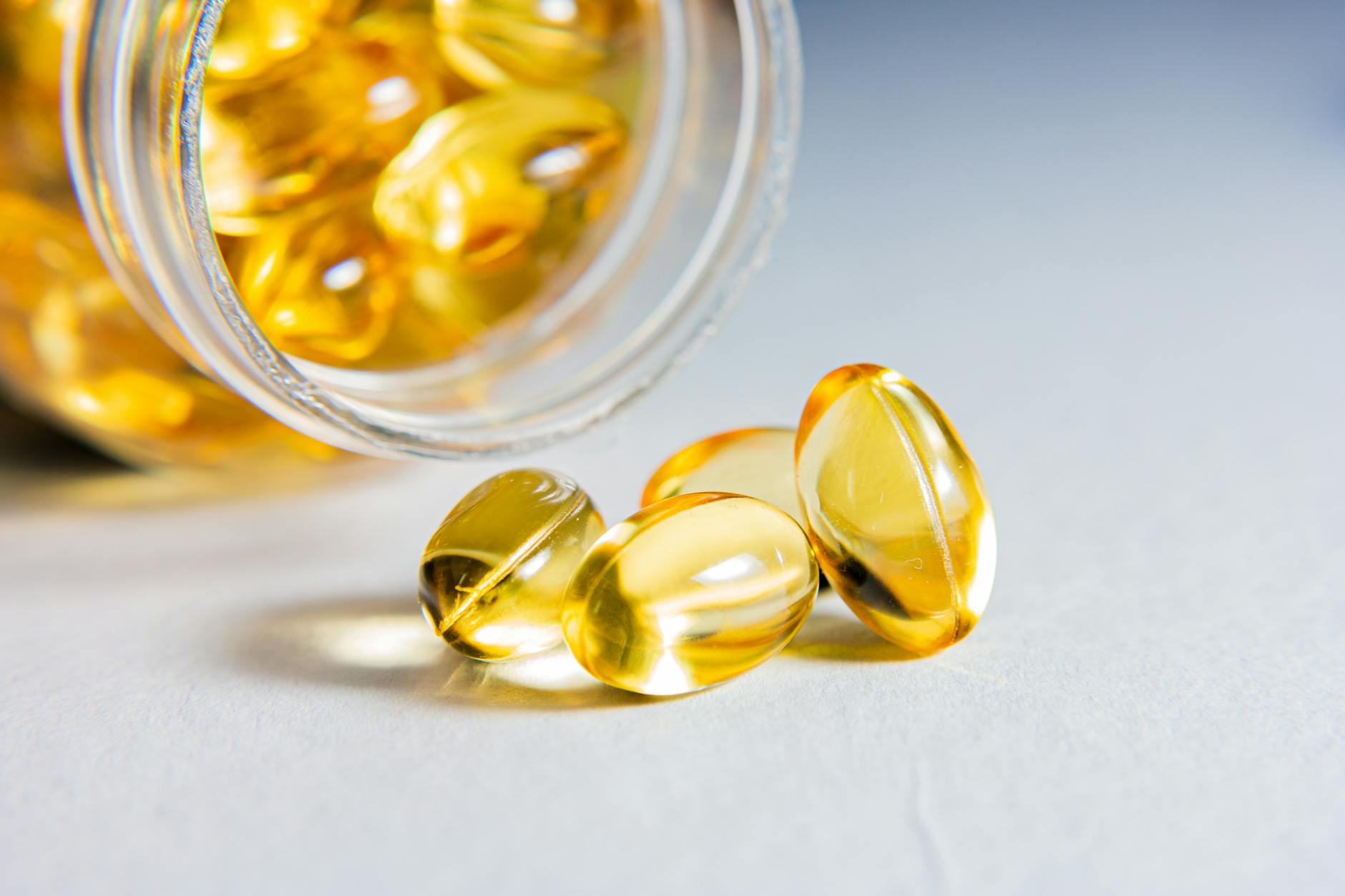
Vitamin toxicity lawsuits are class action cases filed against supplement manufacturers over claims that their products contain dangerous contaminants, undisclosed ingredients, or harmful levels of toxic substances. Unlike traditional product liability cases, vitamin toxicity lawsuits often focus on both direct health injury and deceptive marketing—when companies claim products are “free from heavy metals” or “pure” while testing reveals dangerous contamination. For example, in early 2026, a prenatal supplement lawsuit was filed in California alleging that multivitamins marketed as free from heavy metals actually tested positive for unsafe lead levels, exposing thousands of pregnant women and their developing babies to neurological harm. The legal landscape around vitamin safety has intensified significantly in 2026, with multiple high-profile cases now active in federal and state courts.
These lawsuits reveal a persistent pattern: manufacturers fail to adequately test raw materials, skip quality control procedures, or make misleading health claims about their products. When consumers suffer injuries—ranging from nausea and organ damage to respiratory suppression—they increasingly have grounds to file class actions seeking compensation for medical bills, lost wages, and suffering. What distinguishes vitamin toxicity lawsuits from general consumer complaints is the federally enforceable nature of supplement safety standards. The FDA regulates dietary supplements differently than drugs, placing greater responsibility on manufacturers to ensure purity and safety. When they fail, consumers have legal recourse.
Table of Contents
- What Are the Most Active Vitamin Toxicity Lawsuits Right Now?
- What Contaminants Are Making People Sick?
- Prenatal and Pediatric Vitamins Face Heightened Scrutiny
- FDA Recalls and Safety Alerts in 2026
- Health Risks from Contaminated Vitamins and Supplements
- How to Tell If Your Vitamins Are Safe
- What to Do If You’ve Been Harmed by a Contaminated Supplement
- Conclusion
What Are the Most Active Vitamin Toxicity Lawsuits Right Now?
Several major vitamin toxicity cases are currently pending in U.S. courts. The Nature Made Prenatal Vitamins class action, filed April 18, 2026 in the U.S. District Court for the Southern District of California (Case No. 3:25-cv-00933-AGS-JLB), alleges that prenatal vitamins distributed by one of America’s largest supplement brands contain unsafe levels of phthalates and bisphenol A (BPA)—chemicals known to disrupt the endocrine system. These are particularly alarming in prenatal formulas because developing fetuses face heightened vulnerability to endocrine disruptors.
The named plaintiffs, Melissa Lang and Mildred Sevy, represent a potentially large class of pregnant women who purchased these products in reliance on the manufacturer’s implicit safety claims. A separate prenatal supplement lawsuit brought by Crosner Legal targets companies that marketed their multivitamins as “free from heavy metals” while testing revealed unsafe lead contamination. Lead exposure during pregnancy is linked to reduced fetal growth, lower IQ in children, and developmental delays—making the deception particularly egregious. Meanwhile, dietary supplement companies have also launched their own legal challenge, filing a complaint on January 21, 2026 in the U.S. District Court for the District of Columbia against the FDA itself, challenging the agency’s denial of over 100 proposed health claims. While this is not a consumer lawsuit, it reflects the broader contentious environment around supplement regulation.
What Contaminants Are Making People Sick?
Vitamin toxicity lawsuits have exposed a troubling variety of contaminants in products sold directly to consumers. Phthalates, BPA, heavy metals like lead and cadmium, undeclared pharmaceutical drugs, and even kratom-like compounds have all turned up in products labeled as pure nutritional supplements. The problem stems from inadequate raw material sourcing and testing. Many supplement manufacturers source ingredients from overseas suppliers without conducting independent verification, meaning contaminants can slip through undetected until consumers fall ill or fda testing catches the problem.
One particularly alarming recent case involved the Better Weather Fix Elixir dietary supplement. On May 9, 2026, the FDA issued a recall after finding that approximately 448 boxes contained undisclosed mitragynine and mitragynine pseudoindoxyl—active compounds from kratom that can be nearly as potent as fentanyl. Consumers who took these supplements experienced severe side effects including nausea, vomiting, rapid heart rate, hallucinations, and respiratory suppression. Some did not realize they were ingesting opioid-like substances. This illustrates a critical distinction: vitamin toxicity isn’t always about “too much” of a good nutrient, but rather the presence of substances that should never be in the product at all.
Prenatal and Pediatric Vitamins Face Heightened Scrutiny
Prenatal vitamins represent a particularly vulnerable category in supplement litigation because the harm affects not only the mother but also the developing fetus. Courts and juries understand the special care companies should take when marketing products to pregnant women. The Nature Made and Crosner Legal cases both target prenatal formulas, reflecting growing awareness that manufacturers have failed to meet this heightened duty of care. Child-safety recalls have also surfaced.
In 2026, California Gold Nutrition recalled over 60,000 packages of vitamins and prenatal supplements due to child-resistant packaging violations on iron-containing products. Iron overdose in children can cause severe organ damage and death, making proper packaging not a minor compliance issue but a life-or-death necessity. The fact that major manufacturers distribute products in packaging that fails to meet federal child-safety standards suggests a systemic problem with quality control. Parents who purchased these products face the unsettling realization that their trusted supplement brand sold them a product that could poison their children if opened improperly.

FDA Recalls and Safety Alerts in 2026
The FDA’s recall database in 2026 tells a story of widespread supplement contamination. Beyond the Better Weather Fix recall, the agency issued a Class II recall on May 19, 2026 affecting 4,000 units of Vitamin B-Complex, Vitamin C & Folic Acid manufactured by Llorens Pharmaceuticals in Miami. The contaminant: black particulate matter. Consumers don’t know what that particulate matter is—whether it’s rust, mold, chemicals, or something worse—but it’s in a product they took in good faith.
The recall affected distribution across 23 states plus Puerto Rico, potentially impacting thousands of unsuspecting customers. In January 2026, 123herbals LLC issued a voluntary recall of all Silintan capsules after FDA testing found contamination with meloxicam, a prescription-strength arthritis drug. A consumer who bought an herbal supplement received a pharmaceutical medication without consent or medical supervision—a serious breach of informed consent. March 2026 brought an FDA safety alert about products containing toxic yellow oleander, a plant that can cause severe neurologic, gastrointestinal, and cardiovascular adverse effects. These recalls underscore that the FDA cannot catch every contaminated product before it reaches consumers, making litigation the primary mechanism for compensation when harm occurs.
📨 Get Free Mass Tort Guides Alerts
Free · No spam · Unsubscribe anytime
Health Risks from Contaminated Vitamins and Supplements
The health consequences of contaminated vitamins range from acute (sudden vomiting, hallucinations, seizures) to chronic (organ damage, developmental delays, cancer risk). Lead exposure in prenatal vitamins may not cause immediate symptoms but can permanently lower a child’s IQ by 5-10 points per microgram of lead—a cumulative harm that becomes apparent only years later. Phthalates and BPA, used in plastics and found in some vitamin formulations, act as endocrine disruptors, potentially causing reproductive problems, metabolic dysfunction, and developmental disorders in exposed children.
What complicates litigation is the challenge of proving causation. A consumer who takes a contaminated vitamin and later develops health problems must demonstrate that the supplement caused the injury, not other environmental exposures or genetic predisposition. This is why lawsuits often focus on groups of consumers (class actions) where a pattern of injury becomes apparent, or where the contamination is so clear-cut (like undisclosed drugs) that causation is obvious. A person who took Better Weather Fix containing kratom compounds and experienced respiratory suppression has a straightforward case; a woman who took prenatal vitamins with lead and whose child later shows developmental delays faces a harder burden of proof.

How to Tell If Your Vitamins Are Safe
Consumers should look for supplements that carry third-party certifications from organizations like USP (U.S. Pharmacopeia), NSF International, or ConsumerLab. These bodies conduct independent testing for contaminants and verify that products contain what the label claims. If a supplement lacks any third-party seal, there’s no independent verification of its safety—you’re relying entirely on the manufacturer’s self-testing, which recalls show is insufficient.
Check the manufacturer’s website for transparency about sourcing and testing. Reputable companies publish certificates of analysis showing that raw materials were tested for heavy metals, microbial contaminants, and pesticides. If a company can’t or won’t provide this information, that’s a red flag. Additionally, be cautious of any supplement making extraordinary health claims—if it sounds too good to be true, it probably is. The FDA has noted that many contaminated supplements on the market were selling dubious health claims, suggesting that marketing dishonesty often correlates with product quality dishonesty.
What to Do If You’ve Been Harmed by a Contaminated Supplement
If you’ve taken a vitamin or supplement that was later recalled or you’ve experienced unexplained health symptoms after taking a supplement, document everything: the product name, lot number, purchase date, pharmacy or online retailer, symptoms, medical visits, and any medical test results. This information becomes crucial evidence in a class action. Many vitamin toxicity lawsuits offer settlement programs where affected consumers can file claims to recover medical expenses and other damages without going to trial.
Watch the FDA’s official recall database and sign up for product recall alerts. Courts also maintain lists of active class actions; checking regularly helps you learn if a product you took is the subject of pending litigation. If a recall affects a product you purchased, don’t wait—contact the retailer or manufacturer to understand your rights. Some lawsuits remain open for years, accepting claims from new class members as they learn about their injury.
Conclusion
Vitamin toxicity lawsuits address a critical gap in supplement safety: manufacturers have profited from the assumption that their products are safer and less regulated than drugs, yet they have failed to uphold the basic responsibility to test for contaminants and accurately label their ingredients. The 2026 cases involving Nature Made prenatal vitamins, California Gold Nutrition, and numerous FDA recalls demonstrate that this is not an isolated problem but a pattern affecting hundreds of thousands of consumers.
If you or a family member has taken a contaminated supplement and suffered injury, you likely have legal options. Class action lawsuits provide a mechanism for individual consumers to recover compensation without the burden of filing a separate lawsuit. Consulting with an attorney who specializes in product liability and supplement cases can help you understand whether you qualify for any pending settlements and what evidence you’ll need to support a claim.